Plot Summary
Noodles and New Beginnings
Lana Lee, a twenty-something biracial woman, finds herself back at her parents' Chinese restaurant, Ho-Lee Noodle House, after a breakup and quitting her office job. Struggling with her sense of purpose and independence, Lana is reluctantly pulled into the rhythms of Asia Village, a tight-knit Asian shopping plaza in suburban Ohio. Her parents are thrilled to have her back, but Lana feels trapped by expectations and the weight of family legacy. The vibrant, sometimes claustrophobic world of the plaza is filled with old friends, frenemies, and the ever-present pressure to "do the right thing." Lana's self-deprecating humor and longing for something more set the stage for a story about identity, community, and the search for meaning in unexpected places.
Death in Asia Village
The ordinary bustle of Asia Village is shattered when Thomas Feng, the beloved property manager and unofficial patriarch of the plaza, is found dead in his office. The news spreads quickly, sending shockwaves through the community. Lana, who had just delivered Mr. Feng's lunch, is stunned and guilt-ridden, replaying their last conversation in her mind. The plaza's shopkeepers close their doors in mourning, and Lana's family is swept up in the aftermath. The sense of loss is palpable, and the close-knit community is left reeling, unsure how to move forward without the man who held them together.
Suspicions and Shellfish
Initial reports suggest Mr. Feng died from an allergic reaction, likely to shellfish—a well-known vulnerability. But as the police investigate, suspicion falls on the Ho-Lee Noodle House, since Lana delivered the fatal meal. Detective Adam Trudeau questions Lana and Peter, the restaurant's chef, about the food's preparation. The revelation that the dumplings contained shrimp, not pork, raises the stakes. Lana is horrified to be implicated, and Peter is taken in for questioning. The possibility of murder, rather than accident, casts a shadow over the restaurant and the entire plaza, threatening reputations and livelihoods.
Interrogations and Accusations
Lana and Peter face intense police scrutiny as the investigation deepens. Detective Trudeau's probing questions force Lana to confront uncomfortable possibilities about her friends and coworkers. The community begins to fracture under the pressure, with rumors swirling and alliances shifting. Mrs. Feng, the widow, is quick to blame Peter, while others whisper about motives and grudges. Lana's sense of isolation grows as she realizes that even in a close community, trust can be fragile. The fear of being scapegoated pushes Lana to consider taking matters into her own hands.
Family, Friends, and Fears
Lana's relationships are tested as the investigation drags on. Her mother's expectations, her sister's judgments, and her best friend Megan's support all collide in a swirl of anxiety and hope. Lana's guilt over her role in Mr. Feng's death is compounded by the community's suspicion. She finds solace in small comforts—her dog Kikko, late-night talks with Megan, and the rituals of the restaurant. But the fear of losing her family's business and her own sense of self drives her to seek answers, even as the risks mount.
Secrets Behind Smiles
As Lana digs deeper, she uncovers layers of secrets among the plaza's residents. Old rivalries, financial struggles, and personal betrayals come to light. Mr. Feng's reputation as a benevolent leader is complicated by rumors of rent hikes and favoritism. Lana learns that several shopkeepers, including Kimmy Tran and Charles An, had reasons to resent Mr. Feng. The discovery of a mysterious woman seen crying in Mr. Feng's office hints at personal drama beneath the surface. Lana realizes that everyone has something to hide, and that the truth may be more tangled than she imagined.
Gossip in the Plaza
The plaza becomes a hotbed of gossip and speculation. Shopkeepers take sides, with some defending Peter and Lana, while others are quick to believe the worst. The Mahjong Matrons, the salon stylists, and even the teenagers working part-time all contribute to the rumor mill. Lana's every move is scrutinized, and she feels the weight of collective judgment. Yet, the same community that gossips also provides unexpected support, as friends rally around her in small but meaningful ways. The tension between solidarity and suspicion underscores the fragile bonds of the plaza.
Detective Work Begins
Determined to clear her name and Peter's, Lana embarks on her own investigation. With Megan as her partner-in-crime, she interviews shopkeepers, follows leads, and pieces together timelines. They discover inconsistencies in alibis, unexplained financial troubles, and hints of romantic entanglements. Lana's outsider-insider perspective allows her to see connections others miss. The process is both empowering and perilous, as she risks alienating friends and drawing the attention of the real killer. The amateur sleuthing brings Lana closer to Megan and helps her reclaim agency in a situation that once felt hopeless.
Hidden Motives Surface
Lana's investigation uncovers a web of motives among the plaza's denizens. Kimmy Tran's family faces financial ruin due to rumored rent increases. Charles An, the art store owner, harbors old grudges and mysterious connections to Mr. Feng's past. Even Mrs. Feng's background is not as straightforward as it seems. Lana discovers evidence of affairs, hidden apartments, and secret meetings. The possibility that the murder was a crime of passion, revenge, or desperation becomes increasingly plausible. Each revelation brings Lana closer to the truth, but also puts her in greater danger.
The Dumpling Dilemma
The investigation reaches a turning point as Lana and Megan break into Mr. Feng's office and uncover hidden documents. They find evidence of a private investigator, secret birth certificates, and coded appointment books. The discovery that Mr. Feng had a secret relationship with Peter's mother, Nancy, and may be Peter's father, adds a new layer of complexity. Lana realizes that the murder was carefully planned, with the killer exploiting knowledge of routines and relationships. A confrontation with the real killer looms, as Lana pieces together the final clues.
Unraveling Relationships
The truth about Peter's parentage and Mr. Feng's double life comes to light. Nancy confesses her long-held secret to Lana, and Peter admits to learning the truth shortly before Mr. Feng's death. The emotional fallout is profound, as families are forced to confront betrayal, loss, and the limits of forgiveness. Lana's own relationship with her mother and sister is tested, but ultimately strengthened by honesty and vulnerability. The community, too, must reckon with the consequences of secrets kept and truths revealed.
Memorial Mayhem
At Mr. Feng's memorial banquet, chaos erupts when Mrs. Feng collapses from an apparent poisoning. Panic spreads, and suspicion once again falls on the restaurant and its staff. Detective Trudeau intervenes, and Lana realizes that she herself may have been the intended target. The memorial becomes a crucible for the community's grief, fear, and anger. In the aftermath, Lana and Megan redouble their efforts to solve the case, knowing that the killer is still at large and willing to strike again.
Truths and Revelations
Lana's persistence pays off as she identifies the true murderer: Charles An, driven by jealousy, heartbreak, and a desire for revenge against Mr. Feng. The final confrontation is tense and dangerous, with Lana's life at risk. Detective Trudeau arrives in time to prevent tragedy, and Charles confesses to manipulating the dumplings and framing Peter. The community is stunned by the revelation, but also relieved to have closure. Lana's courage and determination are recognized, and she emerges from the ordeal with a renewed sense of self.
The Final Confrontation
With the case solved, the community begins to heal. Peter and Nancy reconcile, and the truth about their family is accepted, if not celebrated. Mrs. Feng and the other shopkeepers find ways to move forward, honoring Mr. Feng's memory while acknowledging his flaws. Lana's relationships—with her family, friends, and Detective Trudeau—are transformed by the experience. She learns to embrace her own strengths and vulnerabilities, and to find meaning in the messy, unpredictable world of Asia Village.
Healing, Hope, and Donuts
In the aftermath, Lana reflects on the lessons learned and the bonds forged through adversity. The restaurant and the plaza return to their rhythms, but nothing is quite the same. Lana's journey from reluctant server to amateur detective has changed her, giving her confidence and clarity about what matters most. She allows herself to hope for love, happiness, and a future shaped by her own choices. And, of course, she celebrates with donuts—because sometimes, small pleasures are the sweetest rewards.
Analysis
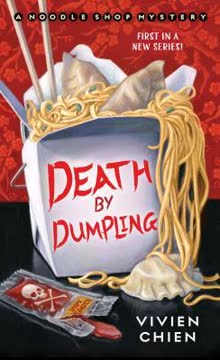
A modern cozy mystery about identity, community, and the cost of secretsDeath by Dumpling is more than a whodunit; it's a nuanced exploration of what it means to belong—to a family, a culture, and a community. Through Lana Lee's journey from reluctant server to determined sleuth, the novel examines the pressures faced by second-generation immigrants, the weight of family expectations, and the ways in which secrets—kept out of love, shame, or fear—can both protect and destroy. The tightly woven setting of Asia Village serves as a microcosm for broader questions about trust, loyalty, and the search for self. The book's humor, warmth, and attention to cultural detail make it accessible and engaging, while its emotional depth invites readers to reflect on their own relationships and choices. Ultimately, Death by Dumpling suggests that healing and hope are possible, even after betrayal and loss, and that sometimes, the courage to ask questions—and to forgive—is the most important ingredient of all.
Review Summary
Death by Dumpling receives mixed but generally positive reviews, averaging 3.65/5. Many praise its fresh, culturally rich setting in Cleveland's Asian Village Plaza, charming characters, and light-hearted tone. Fans of cozy mysteries appreciate protagonist Lana Lee's humor and relatability. Critics note predictable plotting, overly simple writing, and underdeveloped characters. Some Chinese American readers found cultural representation shallow or stereotypical. Most agree it's an enjoyable debut with room to grow, and many express interest in continuing the series despite its shortcomings.
People Also Read
Characters
Lana Lee
Lana Lee is a biracial (Taiwanese-English) woman in her late twenties, caught between her family's expectations and her own uncertain ambitions. Smart, sarcastic, and self-deprecating, Lana is both insider and outsider in the Asian American community of Asia Village. Her recent breakup and job loss leave her vulnerable, but also open to transformation. Lana's journey is one of self-discovery, as she moves from passive participant to active investigator, confronting her fears and insecurities. Her relationships—with her parents, sister, best friend Megan, and Detective Trudeau—are central to her growth. Lana's empathy, persistence, and sense of justice drive the narrative, making her a relatable and compelling protagonist.
Megan Riley
Megan is Lana's best friend and roommate, a white woman with a sharp wit and a big heart. She works as a bartender and is the practical, supportive counterpoint to Lana's anxieties. Megan's encouragement and resourcefulness are crucial to Lana's investigation, and her willingness to break rules (and sneak into offices) adds both humor and tension. Megan's own struggles with adulthood and relationships mirror Lana's, and their friendship is a source of strength and comfort. Megan's presence grounds the story, reminding Lana (and the reader) that no one has to face life's mysteries alone.
Peter Huang
Peter is the head chef at Ho-Lee Noodle House and a close family friend. Quiet, meticulous, and loyal, Peter becomes the prime suspect in Mr. Feng's murder due to his role in preparing the fatal meal. As the investigation unfolds, Peter's own secrets come to light—most notably, his hidden parentage as Mr. Feng's son. Peter's struggle with identity, belonging, and betrayal mirrors Lana's own journey. His relationship with his mother, Nancy, and his eventual reconciliation with the truth are central to the emotional arc of the story.
Nancy Huang
Nancy is Peter's mother and a longtime friend of Lana's family. Warm, nurturing, and self-sacrificing, Nancy has carried the burden of her affair with Mr. Feng and the secret of Peter's parentage for decades. Her love for her son and her desire to protect him drive many of her actions. Nancy's confession to Lana is a turning point in the narrative, revealing the deep wounds and sacrifices that shape the community. Her story is one of resilience, regret, and the hope for forgiveness.
Thomas Feng
Mr. Feng is the property manager of Asia Village and a central figure in the community. Outwardly generous and wise, he is also a man with secrets—affairs, financial manipulations, and complicated relationships. His death is the catalyst for the story, exposing the fault lines beneath the surface of the plaza. Mr. Feng's legacy is both positive and problematic, and his actions reverberate through the lives of those he leaves behind.
Donna Feng
Donna is Mr. Feng's wife, a poised and formidable woman with her own secrets. Her grief is complicated by knowledge of her husband's infidelities and the pressures of maintaining her family's reputation. Donna's interactions with Lana are marked by both suspicion and solidarity, as she navigates the aftermath of loss and betrayal. Her decision to step back from managing the plaza and her willingness to trust Lana reflect her adaptability and strength.
Charles An
Charles An is the owner of the Painted Pearl art store and an old acquaintance of Mr. Feng and Nancy. Quiet, brooding, and increasingly desperate, Charles harbors deep resentment over lost love and perceived betrayals. His financial struggles and emotional wounds drive him to murder, making him both villain and victim. Charles's actions are rooted in pain and longing, and his eventual confession is both shocking and poignant.
Kimmy Tran
Kimmy is the daughter of another shopkeeper in the plaza, known for her temper and bluntness. Facing family financial troubles, Kimmy takes a secret job as a cocktail waitress at a strip club, a fact she is desperate to hide. Her confrontations with Lana and Peter make her a prime suspect, but ultimately her motives are more about survival than malice. Kimmy's story highlights the pressures faced by second-generation immigrants and the lengths people will go to protect their families.
Ian Sung
Ian is Mr. Feng's business partner, eager to take over management of the plaza after Mr. Feng's death. Polished but inexperienced, Ian is both a suspect and a source of comic relief. His attempts to woo Lana and assert authority are often awkward, but his underlying desire for acceptance and success is genuine. Ian's arc is one of learning humility and finding his place in the community.
Detective Adam Trudeau
Detective Trudeau is the lead investigator on Mr. Feng's case. Professional, perceptive, and quietly compassionate, he is both an obstacle and an ally to Lana. His skepticism gives way to respect as Lana proves her resourcefulness and integrity. The slow-burn romance between Lana and Trudeau adds emotional depth and hope to the story, suggesting the possibility of new beginnings after trauma.
Plot Devices
Amateur Sleuthing and Community Intrigue
The novel employs the classic cozy mystery device of an amateur sleuth—Lana Lee—who is drawn into a murder investigation by circumstance and necessity. The setting of Asia Village, with its interconnected shops and families, creates a "closed circle" of suspects, heightening tension and suspicion. The narrative structure alternates between Lana's personal struggles and the unfolding mystery, using her outsider-insider status to explore themes of identity, belonging, and justice. Foreshadowing is used through gossip, subtle clues, and the repetition of routines (like Mr. Feng's lunch order), allowing attentive readers to piece together the solution alongside Lana. The use of food, family, and cultural rituals grounds the story in a specific, relatable world, while the escalating stakes—another poisoning, hidden affairs, and secret parentage—keep the plot moving toward a satisfying, emotionally resonant resolution.








































