Plot Summary
Winter Storm, Wrecked Plans
Willa and Rae, newlyweds after years together, land in Chicago on the way to a much-anticipated European honeymoon. Their dream trip, planned meticulously by Willa to coincide with Italy's Carnevale, quickly implodes as a historic winter storm cancels all outbound flights. Willa's tightly wound anticipation rapidly unravels into panic and frustration, while Rae tries to console her, urging focus on being together over ruined logistics. Stuck in a strange city, the couple faces more than a physical storm—they're at the mercy of the emotional turbulence that arises when cherished hopes collide with circumstances nobody can control.
Midwest Drive, Rising Tensions
Determined not to surrender her plans, Willa hatches a frantic, overnight drive to Detroit where a single flight still promises escape. Rae, more grounded by her Midwestern roots, takes on the treacherous roads as Willa tries in vain to salvage connections by phone. The white-knuckle journey bristles with tension: fatigue, icy roads, and the contrasting desires for adventure (Willa) and togetherness (Rae). A near-collision with a reckless driver sends their car spinning into a ditch, a jolt that sideswipes their emotional equilibrium. For both, physical danger exposes fractures beneath the surface of their love.
Marriage Tested by Ice
Stranded in a snowstorm and unable to call for help, their simmering differences erupt. Willa's devastation over the shattered itinerary curdles into anger—not just against fate but her wife. Rae, battered by both accident and blame, finally snaps as well. The near-death experience highlights deep-rooted anxieties and unmet needs: Willa's longing for milestone perfection against Rae's desperate wish for meaningful reconnection. Ironically, their honeymoon becomes a crucible: safety in numbers gives way to the realization that love means navigating the unexpected—together, or not at all.
Strangers, Sanctuary, Surrender
Salvation arrives in the form of Lynn, a no-nonsense local woman offering warmth and assistance. Reluctant but exhausted, Willa and Rae take refuge in a charming country inn run by Lynn and her husband, Paul. The storm outside mirrors Willa's internal turmoil, her sense of failure deepening as Rae welcomes the unexpected coziness she had wished for all along. The inn, with its open-hearted hosts and serendipitous vacancy, becomes the stage for the couple's standoff: can they find rest, communication, or intimacy amid disappointment?
Resentment, Reflection, Reset
Inside their luxurious yet unintended honeymoon suite, Willa's resentment festers. She can't let go of the disruption, unwilling to embrace Rae's "make the best of it" attitude. The room is a pressure cooker, amplifying both Willa's anxieties about lost dreams and Rae's wounded hope. Under the surface, both realize that their grievances are not just about a trip, but a decade of undercurrents: communication failures, the struggle for sexual connection, and the deeper fears of being truly seen. Sleep offers a reprieve, but morning promises reckoning.
The Art of Apology
Morning light exposes the raw wound between them. Willa's alarm fails, sending her into a fresh bout of blame before the truth emerges: technology and fate, not Rae, are the culprits. Outside, calls confirm what the heart already knows—the journey ahead won't be by itinerary. Comfort from the innkeeper offers Willa the space to reflect deeply on her actions. Vulnerability and honest communication finally crack Willa's defenses. Tearful apologies, real listening, and the mutual admission of their mistakes open the possibility of renewed trust.
Redefining the Honeymoon
With flights still grounded and the weather relentless, the couple faces a choice. Persevering in disappointment or seizing the unexpected peace of their snowbound haven? Willa, after her long battle to control the uncontrollable, astonishes them both by choosing connection: pausing the old plan to make space for a different kind of honeymoon. Rae, grateful and still tentative after emotional wounds, welcomes this act of letting go. The room warms with emotional and physical intimacy, each affectionate gesture an act of commitment to presence over perfection.
Reconnecting in the Snow
With the outside world on hold, Willa and Rae turn inward, sharing unhurried meals and gentle touch. They explore the inn, allow themselves to be cared for, and finally, truly listen to each other's needs. Play and laughter begin to seep back in, healing rifts. For the first time in months, their attention is undivided and free of distraction. The enforced isolation becomes a gift—one Rae had secretly wished for all along—even as the snow continues to close out the rest of the world.
Intimacy Without Itinerary
With nowhere to be and nothing to schedule, the couple rediscover each other's bodies. The day transforms into a series of intimate explorations—sex as both apology and celebration, every touch and word a reaffirmation. In this space away from expectations and obligations, new and old desires emerge; Willa's controlling edge melts into playful responsiveness, Rae's reticence into assertive pleasure. The walls between them drop, unlocking a level of physical and emotional fulfillment they'd lost in the daily grind of ordinary life.
Fantasies and Flashbacks
As their connection deepens, Willa and Rae revisit early relationship milestones—first times, inside jokes, sexual playfulness. Fantasies and flashbacks infuse their lovemaking with nostalgia and vulnerability. Roleplay, confessions, and the safety of being truly known put a new gloss on old intimacies. Each admits past insecurities and regrets, affirming how their decade together paved the way for genuine happiness. What started as loss transforms into deeper mutual understanding, building the groundwork for a more intentional, restorative partnership.
New Games, Old Flames
Eager to keep intimacy novel, the couple dive into shared fantasies—playing with innocence, seduction, and dominance. They improvise scenarios, swap roles, and use playful banter as a form of foreplay and healing. Willa's anxieties, once centered on orchestrating the ideal, now give way to spontaneous surrender. Rae blossoms in the forgiving warmth of acceptance and desire. Each encounter becomes an act of trust—proof that real connection is forged not by control, but by mutual risk and willingness to be transformed.
Roleplay and Reconciliation
Their brightest reconciliation takes shape not only in apology but in the shared pleasure of playful invention. They act out imagined "first times," relive youthful discoveries, and test boundaries—in the process, building a new emotional lexicon that is both erotic and restorative. Their willingness to be silly, naked, and real with one another dissolves lingering hurt. Sex and laughter become vehicles for forgiveness, their bodies expressing what words alone could not: "You, not perfection, are what I want."
Morning After, Moving Forward
After days snowed in, they wake to a world freshly blanketed but calm—the storm has passed, flights resume. Confronted with the option to "get back on schedule," both hesitate, surprised by how little they want to leave. The question of what makes a perfect honeymoon is now sharpened: is it the long-dreamed-of adventure abroad, or the unexpected intimacy they've rediscovered? The couple weigh the value of plans versus presence and realize flexibility—the willingness to adapt together—matters more than destination.
Balancing Desires, Letting Go
Willa and Rae, having found a new equilibrium, discuss their next move. The urge to honor sunk costs and lifelong dreams clashes with the new contentment of togetherness. They negotiate honestly—about money, longing, resentments, and priorities. Their mutual agreement to adjust, combine, or even cancel plans if it means more shared joy marks a deep maturing of their love. The transformation from control to collaboration signals lasting growth and readiness to face whatever comes next, hand in hand.
Ice-Skating and Second Chances
Accepting an invitation from their hosts, the couple brave the ice for Willa's first-ever attempt at skating, a literal stepping out onto unfamiliar terrain. Their tumbles and tentative steps are both metaphor and practice for "falling together" through life's unpredictability. Encouraged by Paul and Lynn, they see that joy grows in new experiences, even when success isn't immediate—and that the safest arms are each other's. Each slip and laugh out on the rink echoes lessons learned about trust, courage, and love.
A Change of Heart
With flights now available, the couple decide against resuming their original trip, opting instead to stay in the Michigan inn. The storm, once a curse, becomes a blessing—a context for the kind of honeymoon they truly need. Willa's surprising willingness to forgo the "perfect" plan in favor of being present shocks even herself; Rae is touched and moved. They commit to a longer, slower stay, making new memories in the tranquil cold, embracing the gentle rhythms of life and love outside busyness.
Choosing Each Other
Rae's doubts about causing regret are dispelled when Willa expresses, vulnerably and repeatedly, that this—being together, away from pressure—is everything she needs. Their partnership crystallizes around a hard-won lesson: the best journeys aren't always the ones you plan, but the ones you build together. They formalize their choice with their generous hosts, banking the lessons of flexibility, joy, and gratitude for the future. In the shadow of their hosts' enduring love, Willa and Rae see the shape of their own best possible future.
Starting Over, Together
The story closes as Willa and Rae continue to play, laugh, and love in their snowbound retreat. Each embraces the gift of being truly seen, letting go of the need for big gestures or picture-perfect moments. Lovemaking takes on new intimacy as they experiment, support, and delight in each other's bodies and company. They begin to imagine a future richer and fuller than any itinerary—a marriage crafted not by external milestones, but by day-to-day choices, forgiven mistakes, fresh starts, and the simple courage to start over, together.
Analysis
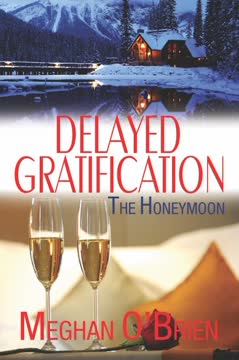
Meghan O'Brien's Delayed Gratification: The Honeymoon is, at its core, a relationship crucible masquerading as travel disaster. Through the lens of a thwarted honeymoon, the novella interrogates the illusions of romantic perfection, the dangers of overplanning, and the ways in which modern pressures—heteronormative milestones, productivity, and even the quest for the "best" adventure—can undermine authentic intimacy. The blizzard forcing Willa and Rae off-script is both plot device and symbol for the unpredictable storms of long-term partnership, making clear that love is tested not by the grand plans executed flawlessly, but by the mutual willingness to forgive, laugh, fight, and keep choosing each other when everything falls apart. O'Brien's explicit eroticism is purposeful, showing that sexual fulfillment is both a symptom and a source of healthy communication, vulnerability, and healing. The presence of Paul and Lynn as supportive, older mentors rooting for the couple's joy lends the story a sense of generational hope and belonging. Ultimately, the lesson is both subversive and universal: happiness comes not from destinations reached or quotas of pleasure tallied, but from the brave, ongoing act of surrendering control and meeting our beloved, moment by imperfect moment, in the ever-changing present.
Review Summary
Reviews for Delayed Gratification are mixed, averaging 3.77 stars. Many readers enjoyed the realistic portrayal of long-term relationship dynamics and praised the steamy, well-written sex scenes. However, the main character Willa proved divisive—frequently described as unlikable, childish, or overly controlling—while her wife Rae was widely beloved. Common criticisms included Willa's unconvincing character transformation, an imbalance between plot and erotica, and an overly convenient setting. Readers who pushed past their frustration with Willa generally found the story sweet and satisfying.
Characters
Willa
Willa Martin is a woman of action, detail, and control. For years, she has anchored herself in dreams—first of legal marriage, then of a honeymoon embodying years of deferred hope. Her drive comes from both childhood wounds (familial rejection, homophobia) and adult ambition, channeled into organizing and anticipating as a way to stave off disappointment. The storm exposes the costs of this perfectionism: beneath her structured surface lies fear of inadequacy, a tendency toward resentment, and uncertainty about what intimacy requires. Growth comes painfully; Willa must admit vulnerability and ultimately redefine success—not as dreams achieved, but as love sustained. Her journey is from planner to partner, from rigid vision to open heart.
Rae
Rae, Willa's opposite in many ways, is steady, adaptive, and quietly strong. Raised in the Midwest, she balances Willa's intensity with calm, humor, and patience, although not without limits. Rae craves affection and sex as the truest forms of reconnection after stress, viewing physical intimacy not as escapism but as loving affirmation. Her wounds—neglect from parents, fear of never being enough—leave her sensitive to rejection, especially if intimacy is withheld. The snowstorm tests her capacity for resilience; anger and vulnerability bubble up under repeated dismissal. Rae's development lies in learning to stand her ground, express her needs, and trust that being herself is not only "enough," but exactly what Willa wants.
Paul and Lynn
The innkeeper couple, Paul and Lynn, embody acceptance, generosity, and warmth. Their Michigan inn is both literal and figurative haven, holding space for Willa and Rae to weather both the storm and their relational crisis. With their own loving marriage (including a queer daughter), they offer models of unconditional support—providing comfort, wise advice, and gentle humor at just the right moments. Their role is to facilitate growth, reminding the main characters (and the reader) that love is ever-evolving, messy, and rooted in simple acts of kindness.
The Storm
The winter storm—an almost character in itself—symbolizes the uncontrollable forces that upend life despite best-laid plans. Its unyielding presence strips away facades, isolating the couple until only their relationship remains to be confronted. The storm's cessation signals possibility and rebirth, but it is what happens within the enforced pause—the pain, the play, the restoration—that changes the course of Willa and Rae's marriage.
Plot Devices
Forced Proximity and Nature as Catalyst
The narrative structure pivots on classic forced-proximity: a blizzard-induced travel disaster strands Willa and Rae together in unfamiliar, inescapable circumstances. With time, logistics, and distractions gone, only their relationship remains. Nature sets the stage for truth-telling and transformation, echoing both classic romantic comedy and "locked room" drama traditions.
Reversed and Parallel Desires
Plot tension derives from the protagonists' opposing desires: Willa's attachment to experience, schedule, and outward markers of success against Rae's longing for private reconnection. These desires drive every argument and make reconciliation possible only when both relinquish stubbornness and honor mutual vulnerability. Throughout, each woman unwittingly holds the key to the other's happiness.
External and Internal Antagonists
While the blizzard is an obvious antagonist, the deeper challenges are internal—Willa's perfectionism and Rae's fear of secondary importance. Frustration, miscommunication, and sexual withdrawal become both symbols and mechanisms of their estrangement, only resolved when radical honesty and generosity prevail.
Sexual Reclamation and Play
Erotic play and sexual adventure act as vehicles for healing—not mere escapism but a restoration of intimacy blurred by years of stress, work, and routine. Roleplay, revisiting early fantasies, and the safe containment of the inn allow for experimentation and self-discovery, turning sex into both metaphor and practice for starting anew.
Wise Sages/Generational Models
Paul and Lynn serve as role models, reflecting the possibilities of long-term partnership with acceptance and humor. Their presence normalizes difference, offers nonjudgmental advice, and gently guides Willa and Rae toward the wisdom of surrendering to life's unpredictability.
Narrative Time Suspension
The storm delays the plot's external progress, allowing space for internal transformation. The slow unfolding of days, free from itinerary, permits emotional reckoning and the rediscovery of play, making "stuckness" generative rather than destructive.








































