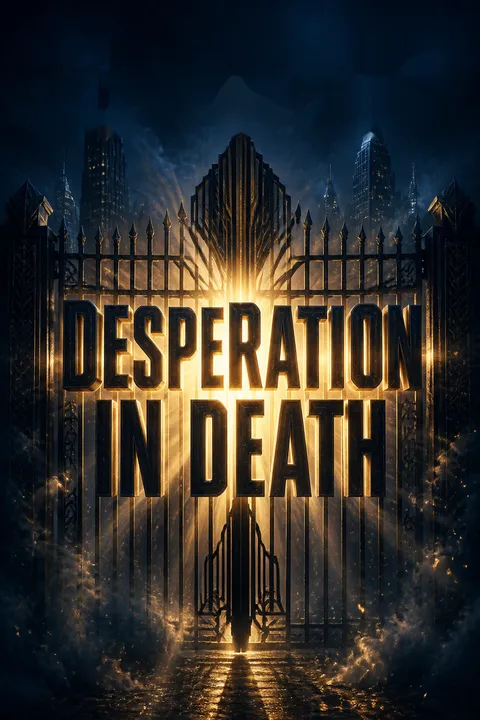

Plot Summary
Abduction and Indoctrination
In a near-future New York, vulnerable girls are abducted and brought to the "Pleasure Academy," a secretive, high-tech facility masquerading as a finishing school. Here, they are stripped of their identities, assigned numbers, and subjected to a brutal regime of psychological and physical conditioning. The Academy's purpose is chilling: to groom and sell these girls as high-value sex slaves to the world's elite. Overseen by the cold and calculating "Auntie", the girls endure a relentless schedule of etiquette lessons, beauty treatments, and "intimacy practice," all under constant surveillance and threat of punishment. The Academy's cruelty is systematic, designed to break spirits and erase hope, but beneath the surface, resistance simmers.
Alliance in Captivity
Dorian, a streetwise runaway, and Mina, a privileged girl from Pennsylvania, find themselves thrown together during a forced "intimacy lesson." Despite their differences—race, background, and temperament—they recognize a shared desperation to escape. Mina, clever and observant, proposes an alliance, believing that if there's a way in, there must be a way out. Together, they begin to gather intelligence, mapping the Academy's routines and vulnerabilities. Their friendship grows in the shadows, providing each other with the strength to endure and the hope to plan. The girls' alliance becomes a lifeline, a rare spark of humanity in a place designed to extinguish it.
Desperate Escape Attempt
With the threat of being sold at auction looming, Mina and Dorian hatch a daring escape plan. Dorian lifts a swipe card from a matron, while Mina fakes illness to access the infirmary. Timing is everything: after lights out, Dorian sneaks out, and together they use the card to access the Academy's hidden tunnels. The escape is fraught with terror—alarms, guards, and the ever-present threat of discovery. Injured and pursued, the girls navigate the labyrinthine tunnels, making split-second decisions at every fork. Their plan is desperate, but it's their only chance at freedom.
Mina's Sacrifice
Emerging into a stormy night, Dorian's injuries slow them down. As the Academy's hunters close in, Mina makes a fateful decision: she will lead the pursuers away, giving Dorian a chance to hide. Mina's sacrifice is both selfless and heartbreaking—she runs into the darkness, drawing attention to herself. Dorian, left behind, is wracked with guilt and fear. The last thing she hears is Mina's scream. Later, Mina's body is found, murdered and discarded, her death staged to look like a mugging. The system that failed to protect her in life now threatens to erase her in death.
Dorian on the Run
Dorian awakens in pain, her memory fragmented. She stumbles through the city, surviving by her wits—stealing medicine, hiding in abandoned buildings, and evading both the Academy's hunters and the police. Her past trauma and distrust of authority make her reluctant to seek help. Eventually, she is found by Mouser, a resourceful street kid, and taken to a hidden community of runaways led by the enigmatic Sebastian. Here, Dorian finds temporary safety, but the threat of discovery—and the weight of Mina's fate—haunt her.
Discovery of the Body
Lieutenant Eve Dallas, a relentless NYPSD homicide detective, is called to Battery Park, where Mina's body has been found. The scene is suspicious: Mina is dressed in a school uniform, but her injuries and the circumstances don't fit a simple mugging. Dallas's instincts tell her this is no ordinary case. As she investigates, she uncovers Mina's privileged background and the months-long search by her devastated family. The case quickly escalates from a tragic murder to something far more sinister.
Dallas Takes the Case
Dallas, herself a survivor of childhood abuse, is drawn deeply into the case. She recognizes the signs of grooming and trafficking, and her empathy for the victims fuels her determination. With her partner Peabody and a team of dedicated detectives, Dallas begins to unravel the threads connecting Mina's disappearance to a wider pattern of abductions. The investigation is personal—Dallas's own trauma gives her unique insight, but also threatens to overwhelm her as she confronts the darkest corners of human depravity.
Unraveling the Academy
Through forensic evidence, interviews, and the tireless work of her team, Dallas identifies a pattern of missing girls—many from stable homes, others from the margins. The Academy's existence is suspected but not yet proven. The investigation reveals a sophisticated criminal enterprise: scouts, guards, medical staff, and a network of fronts and shell companies. The Academy's leaders, Auntie and her partner Devereaux, are shielded by wealth and connections. As Dallas closes in, the stakes rise—time is running out for the girls still trapped inside.
Patterns of Predation
Dallas and her allies uncover the Academy's business model: girls are abducted, groomed, and sold at auction to the highest bidder. The operation is global, with ties to similar facilities overseas. The traffickers use technology, psychological manipulation, and violence to maintain control. The investigation exposes not only the perpetrators but also the systemic failures—corrupt officials, negligent caseworkers, and a society willing to look away. The horror is industrialized, but so is the resistance: every detail matters, every survivor's story is a weapon.
The Hunt for Dorian
Dorian, the only known survivor, becomes the key to breaking the case. Dallas launches a citywide search, enlisting media, street contacts, and her own network. Dorian's distrust of authority and trauma make her elusive, but with the help of Sebastian and Mavis, a former street kid turned celebrity, Dallas finally makes contact. The meeting is tense—Dorian's testimony is raw, fragmented, and painful. But her courage and memory provide the missing pieces: the Academy's routines, the tunnels, the faces of the staff.
Cracks in the System
As the investigation deepens, Dallas confronts the failures of the system meant to protect children. Dorian's caseworker, Truman, is exposed as negligent and callous, emblematic of a bureaucracy that too often abandons the vulnerable. The Academy's staff are revealed to be recruited from prisons and security firms, chosen for their cruelty and lack of empathy. The operation's sophistication is matched only by its ruthlessness. Dallas's anger is righteous, but she channels it into action—building a case that will stand up in court and in the public eye.
The Survivor's Testimony
With Dorian's help, Dallas identifies key staff, the Academy's location, and the network's leaders. Dorian's testimony is harrowing—she recounts the abuse, the escape, and Mina's sacrifice. Her courage inspires others to come forward, and the case against Auntie, Devereaux, and their accomplices solidifies. The investigation becomes a race to rescue the remaining girls before the next auction. Dallas's team works around the clock, coordinating with federal and international authorities.
The Network Exposed
Armed with warrants, blueprints, and insider knowledge, Dallas orchestrates a multi-agency raid on the Academy and its associated fronts. The operation is massive—SWAT, detectives, and social workers descend on the facility, rescuing over a hundred girls and arresting dozens of staff. Simultaneous raids in other locations dismantle the network's infrastructure. The leaders are captured or killed, their wealth and influence unable to shield them from justice. The survivors are given care, and the system's failures are brought into the light.
The Takedown
The raid is chaotic and dangerous—guards resist, some girls panic or fight back, and the leaders attempt to destroy evidence and escape. Dallas personally confronts Auntie, bringing her down in a brutal, cathartic fight. Devereaux, the financier, is killed by one of his own victims, a final act of defiance and reclamation. The operation is a triumph, but not without cost—wounds, trauma, and the knowledge that not all can be saved. Still, the Academy is no more, and the survivors are free.
Justice and Aftermath
With the network dismantled, Dallas and her team work to ensure justice. The survivors testify, the perpetrators are prosecuted, and the case becomes a catalyst for reform. Dorian, with the support of Dallas and her allies, sues her negligent caseworker and begins to heal. The public is shocked by the revelations, but the case sparks a movement for greater protection and accountability. Dallas, haunted but resolute, finds solace in her relationships and the knowledge that she made a difference.
Healing and Reckoning
In the aftermath, the rescued girls begin the long process of healing. Some are reunited with families, others find new homes and support. Dorian, once lost and angry, embraces the chance for a new life, honoring Mina's memory by refusing to let the traffickers define her. Dallas, scarred but unbroken, reflects on the cost of justice and the necessity of hope. The story ends not with perfect closure, but with the promise that even in the face of evil, courage and compassion can prevail.
Analysis
A searing indictment of exploitation and a testament to resilienceDesperation in Death is both a gripping crime thriller and a powerful exploration of trauma, survival, and justice. J.D. Robb uses the framework of a futuristic police procedural to confront the enduring horrors of human trafficking and systemic abuse. The novel's strength lies in its refusal to flinch from the realities of exploitation—depicting not only the suffering of the victims but also the failures of the institutions meant to protect them. Yet, it is also a story of resistance: the alliances formed in captivity, the courage to testify, and the relentless pursuit of justice by those who refuse to look away. Dallas's journey is emblematic of the broader struggle—haunted by her own past, she channels her pain into action, refusing to let the cycle of abuse continue. The novel ultimately argues that healing is possible, not through denial or vengeance, but through solidarity, truth-telling, and the hard, ongoing work of justice. In a world where evil is organized and relentless, Desperation in Death insists that hope, too, can be methodical, fierce, and transformative.
Review Summary
Desperation in Death receives mostly positive reviews, with readers praising its intense storyline, character development, and handling of sensitive topics. The book deals with child trafficking, which some found disturbing but well-executed. Reviewers appreciated the inclusion of familiar characters and the exploration of Eve's past. Many noted the emotional impact and police procedural aspects. Some criticized repetition and pacing issues. Overall, fans found it a strong addition to the series, while acknowledging its darker tone compared to previous installments.
People Also Read





Characters
Eve Dallas
Lieutenant Eve Dallas is the heart of the investigation—a homicide cop with a traumatic past that gives her both empathy for victims and a relentless drive to pursue the truth. Scarred by childhood abuse and institutional neglect, Dallas channels her pain into her work, refusing to let the system fail others as it failed her. Her relationships—with her partner Peabody, her husband Roarke, and her found family—anchor her, but she is always on the edge, wrestling with rage and vulnerability. Dallas's arc is one of endurance and transformation: she faces the darkness within and without, and emerges, if not healed, then resolute.
Dorian Gregg
Dorian is a thirteen-year-old runaway, hardened by years of abuse and neglect. Her time in the Academy is both a crucible and a catalyst—she learns to trust, to fight, and ultimately to survive. Dorian's alliance with Mina is transformative, awakening her capacity for friendship and sacrifice. Her escape and testimony are acts of courage, but she remains wary, traumatized, and slow to trust. Dorian's journey is one of reclamation: she refuses to be defined by her abusers, and with support, begins to imagine a future beyond survival.
Mina Cabot
Mina is the privileged, intelligent girl whose abduction and murder set the story in motion. Her resilience and compassion shine in captivity—she befriends Dorian, engineers their escape, and ultimately sacrifices herself to save her friend. Mina's death is a tragedy, but her memory becomes a rallying point for justice. Through her, the novel explores the randomness of victimization and the enduring power of hope.
"Auntie" / Iris Beaty
Auntie is the Academy's director—a woman of chilling intelligence and utter lack of empathy. She is both a product and architect of the trafficking system, overseeing every detail with ruthless efficiency. Her motivations are a toxic blend of greed, control, and self-justification. Auntie's psychological profile is that of a narcissist and sadist, skilled at breaking spirits and exploiting vulnerabilities. Her downfall is precipitated by her own arrogance and the courage of her victims.
Jonah Devereaux
Devereaux is the wealthy, powerful man who bankrolls the Academy and its global network. He is insulated by money and status, viewing people—especially women and children—as commodities. His charm and sophistication mask a profound moral rot. Devereaux's arc is one of hubris: he believes himself untouchable, but is ultimately brought down by those he sought to own.
Delia Peabody
Detective Peabody is Dallas's right hand—empathetic, grounded, and fiercely competent. She provides balance to Dallas's intensity, offering both practical support and emotional insight. Peabody's own background gives her a unique perspective on trauma and resilience. Her relationship with Dallas is one of mutual respect and deep trust.
Roarke
Roarke, Dallas's husband, is a billionaire with a criminal past and a genius for technology. He uses his resources and skills to support the investigation, often operating in legal and ethical gray areas. Roarke's love for Dallas is unwavering, and his own history of abuse and survival creates a powerful bond between them. He is both a partner in the case and a source of comfort and challenge.
Sebastian
Sebastian is a former street kid who now shelters and mentors runaways like Dorian. He operates outside the system, distrustful of authority but committed to helping those the system fails. Sebastian's ethics are pragmatic—he bends rules to protect his charges, but ultimately allies with Dallas to bring down the Academy. He represents an alternative model of care and resistance.
Willowby
Detective Willowby is a specialist in sex crimes and trafficking, bringing expertise and tenacity to the investigation. Her insights into the psychology and logistics of trafficking help Dallas crack the case. Willowby's own motivations are rooted in a desire to protect the vulnerable and hold predators accountable.
Mavis Freestone
Mavis is a pop star with a history on the streets, and a close friend of Dallas. She bridges the worlds of victim and survivor, using her influence to help Dorian and others. Mavis's arc is one of transformation—she channels her past pain into advocacy and support, embodying the possibility of healing and change.
Plot Devices
Dual Narrative Structure
The novel alternates between the experiences of the victims (primarily Dorian and Mina) and the investigation led by Dallas. This structure creates tension and empathy, allowing readers to witness both the horror of captivity and the dogged pursuit of justice. The dual narrative also highlights the gaps and connections between the worlds of the powerless and the powerful.
Foreshadowing and Parallelism
Dallas's own history of abuse and survival is mirrored in the stories of Dorian, Mina, and the other victims. The narrative uses dreams, flashbacks, and psychological insight to draw parallels between past and present, individual and systemic trauma. Foreshadowing is used to build suspense—clues about the Academy's operations, the fate of the girls, and the complicity of authority figures are seeded throughout.
Procedural Realism
The novel employs the conventions of police procedural fiction—evidence gathering, interviews, forensic analysis, and inter-agency cooperation. This realism grounds the story, making the horror of trafficking both immediate and plausible. The procedural elements also serve as a critique of systemic failures—corruption, negligence, and the limitations of law enforcement.
Symbolism of Confinement and Escape
The Academy is both a literal and symbolic prison—its locked doors, surveillance, and routines represent the broader systems that confine and exploit the vulnerable. Escape, both physical and emotional, is a recurring motif. The tunnels, the city's underbelly, and the act of running become metaphors for resistance and the struggle for autonomy.
Testimony as Liberation
The act of telling one's story—whether in court, to the police, or to a friend—is depicted as both painful and empowering. Dorian's testimony is the linchpin of the case, transforming her from victim to agent of justice. The novel foregrounds the importance of listening to survivors and believing their stories.
In Death Series Series





About the Author
Download PDF
Download EPUB
.epub digital book format is ideal for reading ebooks on phones, tablets, and e-readers.








































