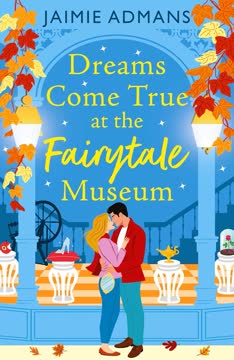
Plot Summary
Wedding Bells and Worries
On Ever After Street, a whimsical, fairytale-themed shopping lane, the announcement of Sadie and Witt's New Year's Eve wedding brings joy and unease. Lissa, curator of the Colours of the Wind Fairytale Museum, is the last of her friends still single. The pressure to find a "plus one" for the wedding highlights her loneliness and the societal expectation that happiness is incomplete without romance. Lissa's friends, now all coupled up, try to set her up, but she resists, believing true love will come in its own time. The wedding becomes a symbol of both hope and the fear of being left behind, setting the emotional tone for Lissa's journey as she clings to her belief in magic and dreams, even as reality threatens to intrude.
The Museum Under Threat
Lissa's world is upended when Warren Berrington, representing Berrington Developments, arrives at the museum with a team of surveyors. He announces that the building has been sold, her lease is void, and she faces a massive rent increase and possible eviction in six months if redevelopment plans proceed. The threat is real: the museum could be demolished for a modern entertainment complex. Lissa is devastated, feeling powerless as her beloved museum—her life's work and sanctuary—is reduced to a business asset. Warren offers a slim chance: if she can prove the museum's value and profitability by year's end, it might be saved. The stakes are set, and Lissa must fight for her dreams against corporate indifference.
A Clash of Worlds
Forced to work together, Lissa and Warren clash over every detail. Warren, all business and efficiency, sees the museum as outdated and unprofitable, suggesting flashy changes like a mermaid tank and higher admission fees. Lissa, fiercely protective of the museum's magic and accessibility, resists his ideas, determined to preserve its heart. Their personalities and values collide: Warren is cynical, practical, and emotionally guarded, while Lissa is imaginative, sentimental, and community-minded. Yet, as they tour the museum and garden, Warren glimpses the wonder Lissa creates for visitors, and Lissa sees hints of vulnerability beneath his corporate armor. Their reluctant alliance is fraught with tension, but also the first sparks of understanding.
The Deal with the Devil
Warren formalizes the challenge: if Lissa can increase visitors and revenue enough to outpace the projected profits of the planned cinema complex, Berrington Developments will grant her a new five-year lease and remove the redevelopment clause. If not, demolition proceeds. Lissa is daunted but determined, rallying her friends and the Ever After Street community. She faces practical hurdles—marketing, budgeting, updating exhibits—while Warren pushes for changes that threaten the museum's soul. Their dynamic shifts as Warren's business sense meets Lissa's creativity, and both begin to question their assumptions. The wager becomes not just about saving the museum, but about what kind of future—and what kind of happiness—they each want.
Magic in the Details
As Lissa and Warren work side by side, the museum's magic comes alive. Lissa's passion for creating immersive, hands-on exhibits—glass slippers, enchanted roses, a wishing well—captivates visitors and, gradually, Warren himself. He witnesses the joy and wonder the museum brings to children and adults alike, and starts to appreciate the intangible value of dreams and community. Lissa, in turn, is forced to confront the museum's shortcomings and her own fear of change. Their banter softens, and moments of vulnerability emerge: Warren reveals his struggles with hearing loss and a difficult family legacy, while Lissa shares her grief and the importance of the museum in her healing. Their partnership deepens, blurring the line between adversaries and allies.
Escaping Exhibits Mystery
Strange things begin happening: museum exhibits appear to "escape" at night, showing up in odd places around Ever After Street. Social media buzzes with photos and speculation, drawing crowds and revitalizing interest in the museum. Lissa suspects her friends are behind the escapades, staging the scenes to help her, but keeps Warren in the dark. The "living exhibits" become a marketing boon, and Warren, ever the strategist, leans into the phenomenon, helping to create viral videos and scavenger hunts. The community rallies, and the museum's fortunes improve. Yet, the secrecy strains Lissa and Warren's growing trust, and the line between magic and manipulation blurs.
Allies and Deceptions
Lissa's friends orchestrate the exhibit escapades, risking exposure to support her fight. The Ever After Street community bands together, offering ideas, resources, and emotional support. Meanwhile, Warren's role becomes more ambiguous: he is drawn into the camaraderie, even as his corporate obligations loom. Lissa grapples with guilt over deceiving Warren, while he struggles with his own secrets—his hearing impairment, his fraught relationship with his mother (the company's true power), and his growing feelings for Lissa. The stakes rise as both must decide where their loyalties lie: with their jobs, their friends, or each other.
Wishes and Realities
The museum's wishing well, once a whimsical feature, becomes a symbol of hope and kindness. Lissa and her friends secretly grant children's wishes, providing small gifts and moments of joy to struggling families. Warren, initially skeptical, is moved by the well's impact and the stories behind the wishes. He confides his own wish—finding meaning in life—and Lissa realizes how much he has changed. Their emotional intimacy grows, and both confront the wounds of their pasts: Lissa's grief and invisibility, Warren's isolation and fear of vulnerability. The well's magic is not in fantasy, but in the real connections and compassion it inspires.
The Truth About Warren
Just as Lissa and Warren's relationship deepens, the truth comes out: Warren's company has been secretly filming the museum at night, using footage of the staged "living exhibits" to accuse Lissa and her friends of fraud and information harvesting. The betrayal devastates Lissa, who feels used and exposed. Warren confesses that he installed the camera out of curiosity, but the footage was taken and weaponized by his mother and Berrington Developments. He admits that "the deal" was always stacked against her, and that his role was to manage her exit, not save the museum. Despite his genuine feelings and regret, Lissa is left heartbroken, questioning everything they shared.
The Power of Community
Berrington Developments' smear campaign backfires as the community and wider public rally behind Lissa and the museum. Parents, visitors, and supporters flood social media with stories of the museum's positive impact, comparing the "living exhibits" to the harmless magic of Santa Claus. The Ever After Street shopkeepers stand united, organizing protests and legal challenges. Lissa, though wounded, finds strength in her friends and the outpouring of support. Warren, now estranged from his company, anonymously champions the museum online and helps Lissa behind the scenes. The fight becomes about more than a building—it's about preserving wonder, kindness, and the soul of a community.
Betrayal and Backlash
Berrington Developments escalates their efforts, using legal threats and public relations attacks to force the museum's closure. Lissa and her friends are accused of fraud, and the future looks bleak. Yet, Warren, having left the company, brings a crucial clue: the museum's wishing well may be a protected historical site. With his help, Lissa applies for heritage status, hoping to block redevelopment. The process is slow and uncertain, but it offers a final glimmer of hope. As the deadline looms, Lissa must decide whether to trust Warren again, risking her heart and her dreams for one last chance at a fairytale ending.
The Well's Secret
Historic England investigates the wishing well and confirms it predates the museum by centuries, granting it protected status. The museum cannot be demolished or altered, and Berrington Developments is forced to abandon their plans. In a final act of redemption, Warren secures the title deeds and gifts the museum to Lissa, ensuring its future is safe from corporate threats. The community celebrates, and Lissa is overwhelmed by gratitude and relief. The well's true magic is revealed: not in granting fantastical wishes, but in preserving the dreams and connections that make life meaningful.
A Fairytale Ending
With the museum saved, Lissa and Warren reconcile, acknowledging the pain and growth of their journey. Warren, free from his family's shadow, chooses a new path—one rooted in creativity, community, and love. Lissa, no longer invisible or alone, embraces her role as the heart of Ever After Street. The wedding of Sadie and Witt becomes a celebration of found family, resilience, and the enduring power of dreams. As Lissa and Warren step into their own happily ever after, the story affirms that magic is real—not in spells or fairy godmothers, but in the courage to hope, the strength to forgive, and the joy of being truly seen.
Analysis
"Dreams Come True at the Fairytale Museum" is a contemporary fairytale about the struggle to preserve wonder, kindness, and community in a world obsessed with profit and progress. At its heart, the novel is a love letter to the power of dreams—not as escapism, but as the fuel for resilience, creativity, and connection. Lissa's journey from loneliness and invisibility to belonging and self-acceptance mirrors the museum's fight for survival: both must adapt, open up, and risk vulnerability to find their place in the world. Warren's arc challenges the myth of the heartless businessman, revealing the wounds and longings beneath cynicism, and the possibility of redemption through love and courage. The story's use of plot devices—viral escapades, secret wishes, ensemble heroism—reflects the realities of modern life, where magic is made through collective action and small acts of hope. Ultimately, the novel argues that fairytales are not about escaping reality, but about transforming it: by believing in each other, fighting for what matters, and daring to imagine a happier ending, we make our own dreams come true.
Review Summary
Dreams Come True at the Fairytale Museum is the sixth and final book in the Ever After Street series, receiving an overall rating of 4.32/5. Readers praised its whimsical Disney-themed setting, heartwarming community spirit, and the sweet enemies-to-lovers romance between Lissa and Warren. Many appreciated Warren's hearing loss representation and the emotional depth beneath the cozy tone. Common criticisms included slow pacing, repetitive series tropes, characters acting younger than their age, and implausible copyright considerations. Most agreed it serves as a fitting, magical series finale.
Characters
Lissa Carisbrooke
Lissa is the passionate curator of the Colours of the Wind Fairytale Museum, fiercely devoted to preserving magic and wonder for her community. Haunted by the loss of her mother and a childhood spent feeling invisible, she pours her love into the museum, creating immersive experiences that inspire belief in dreams. Lissa is imaginative, stubborn, and deeply empathetic, but struggles with change and the fear of being left behind. Her journey is one of self-acceptance, learning to balance idealism with practicality, and discovering that true magic lies in connection, kindness, and the courage to fight for what matters.
Warren Berrington
Warren is the pragmatic, emotionally guarded representative of Berrington Developments, tasked with maximizing profit and managing difficult transitions. Raised by a cold, grieving mother and burdened by hearing loss, Warren has learned to hide his vulnerabilities behind efficiency and cynicism. Initially dismissive of the museum's value, he is gradually transformed by Lissa's passion and the community's warmth. Warren's arc is one of awakening: he confronts his own loneliness, learns to trust and be trusted, and ultimately chooses love and meaning over corporate loyalty. His betrayal is real, but so is his redemption, as he risks everything to save the museum and win Lissa's forgiveness.
Mickey
Mickey, owner of The Mermaid's Treasure Trove, is Lissa's steadfast ally and confidante. Quick-witted, resourceful, and fiercely protective, she orchestrates the "living exhibits" campaign and rallies the Ever After Street community. Mickey's humor and optimism balance Lissa's anxieties, and her unwavering support is crucial in both practical and emotional battles. She embodies the power of chosen family and the importance of standing together in the face of adversity.
Sadie
Sadie, dressmaker at The Cinderella Shop, represents the promise of new beginnings and the enduring allure of fairytales. Her engagement to Witt is both a source of joy and a catalyst for Lissa's insecurities. Sadie's warmth and belief in happy endings inspire those around her, and her wedding becomes a celebration of community, resilience, and the magic of love.
Witt
Witt, owner of the Ever After Street castle, is a gentle, supportive presence. His relationship with Sadie and his willingness to help Lissa with legal and historical research make him a key ally. Witt's steadiness and sense of history ground the story, reminding characters of the importance of legacy and place.
Mrs. Berrington
Warren's mother, the true power behind Berrington Developments, is a study in grief, ambition, and emotional repression. Her insistence on profit over people and her manipulation of Warren drive much of the conflict. Yet, her character also reflects the dangers of unresolved pain and the cost of closing oneself off from love.
Ever After Street Shopkeepers (Marnie, Cleo, Franca, Imogen, Ali, Darcy, Bram, Ren, Ava)
This ensemble of quirky, devoted shopkeepers forms the backbone of Ever After Street. Each brings unique talents—books, tea, flowers, crafts, food—and a fierce loyalty to Lissa and the museum. Their willingness to risk exposure, stage escapades, and support each other in crisis exemplifies the story's themes of friendship, solidarity, and the magic of ordinary people working together.
The Children and Visitors
The children who visit the museum, make wishes, and believe in magic are the heart of Lissa's mission. Their joy, vulnerability, and hope drive the adults to fight for something bigger than themselves. The visitors' stories—of wishes granted, memories made, and lives touched—are the ultimate proof of the museum's value.
The Wishing Well
More than a prop, the wishing well represents the possibility of kindness, the importance of being seen, and the transformative power of small acts. It is both a literal plot device and a metaphor for the story's central message: that magic is made, not found.
The Museum
The Colours of the Wind Museum is both setting and character—a repository of stories, a haven for the lost, and a battleground for the future. Its fate mirrors Lissa's own journey, and its survival is a testament to the enduring power of imagination, community, and love.
Plot Devices
The "Save the Museum" Challenge
The central narrative device is the wager: Lissa must prove the museum's worth in a limited time or lose everything. This structure creates urgency, forces unlikely alliances, and drives both external action (marketing, events, viral campaigns) and internal change (Lissa's acceptance of help, Warren's emotional awakening). The challenge is both literal and symbolic—a test of values, priorities, and the willingness to fight for dreams.
Escaping Exhibits and Viral Magic
The "living exhibits" campaign, orchestrated by Lissa's friends, uses staged escapades and social media to create a sense of wonder and draw crowds. This device explores the power of storytelling, the ethics of harmless deception, and the ways in which belief—real or feigned—can change lives. It also serves as a metaphor for the characters' own journeys: breaking free from constraints, daring to be seen, and embracing the possibility of magic in the mundane.
The Wishing Well and Granted Wishes
The wishing well, and the secret granting of children's wishes, grounds the story's magic in tangible acts of compassion. This device highlights the impact of small gestures, the importance of community, and the healing power of being noticed and cared for. It also provides a lens for character development, as Warren's skepticism gives way to belief in the value of hope and connection.
Hidden Vulnerabilities and Secrets
Warren's hearing loss, his fraught family history, and the secret camera all serve as sources of tension and revelation. These devices create suspense, test trust, and force characters to confront their own fears and limitations. The gradual unveiling of secrets mirrors the process of building intimacy and the risks inherent in letting oneself be truly known.
Community as Protagonist
The ensemble of Ever After Street shopkeepers, visitors, and supporters functions as a character in its own right. Their coordinated efforts, sacrifices, and unwavering loyalty provide both practical solutions and emotional ballast. This device reinforces the story's central theme: that no one saves the day alone, and that real magic is made together.
The Historical Well and Legal Twist
The discovery that the wishing well is a protected historical site provides a satisfying, plausible deus ex machina that saves the museum. This device ties together themes of legacy, the importance of roots, and the idea that the past can offer unexpected gifts to the present. It also allows for Warren's redemption and the restoration of trust.








































