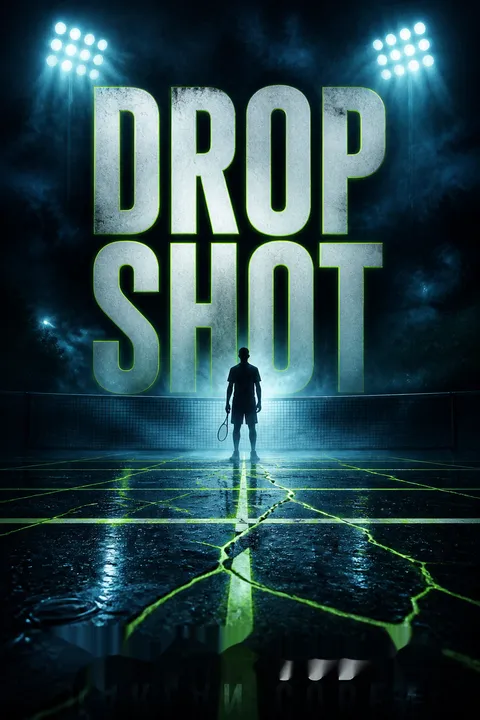

Plot Summary
Opening Serve, Sudden Death
At the U.S. Open, Myron Bolitar, sports agent and ex-basketball star, watches his client Duane Richwood dominate his debut. The stadium buzzes with energy, but the mood shatters when a gunshot rings out. Outside, Myron finds the body of Valerie Simpson, a once-promising tennis prodigy, lying dead near a champagne stand. The murder is public, brutal, and inexplicable. Myron, haunted by Valerie's recent attempts to contact him, feels compelled to investigate. The world of professional tennis, with its glitz and sponsorships, is suddenly exposed as a stage for darker dramas. Myron's loyalty to his client and his own sense of justice propel him into a mystery that quickly proves more dangerous than any match point.
The Fallen Prodigy
Valerie Simpson's murder shocks the tennis world, but her life had already unraveled. Once a teenage sensation, she suffered a public breakdown after her fiancé, Alexander Cross—the son of a powerful senator—was murdered years earlier. Her career never recovered, and she became a symbol of wasted potential. Myron learns that Valerie had been stalked by a disturbed fan, Roger Quincy, and that her attempts to return to tennis were met with skepticism and pity. The press and her family tried to keep her struggles private, but the scars were visible. Myron's investigation reveals that Valerie's past is tangled with secrets, betrayals, and unresolved trauma, making her death both a personal tragedy and a puzzle with roots deep in the past.
Shadows in the Locker Room
Duane Richwood, Myron's client, is thrust into the spotlight—not just for his tennis, but as a suspect. The police, led by the abrasive Detective Dimonte, find Valerie's note with Duane's unlisted number. Duane denies knowing her, but his evasiveness and the nervousness of his girlfriend Wanda suggest otherwise. Myron senses Duane is hiding something, but loyalty and the need to protect his client complicate matters. The world of tennis is revealed as cutthroat, with agents, sponsors, and coaches all vying for influence. Myron's own agency is small, but his integrity sets him apart. As suspicion swirls, Myron must balance his role as advocate with his growing sense that Duane's past may be more complicated—and dangerous—than he realized.
Old Wounds, New Suspects
Myron's investigation leads him to the unsolved murder of Alexander Cross, a case that rocked the elite circles of Philadelphia's old money. Cross's death was blamed on two black teenagers, Errol Swade and Curtis Yeller, who were painted as violent criminals. But the official story doesn't add up. Myron discovers that the club's guest list included several key figures, including Valerie and her coach, Pavel Menansi. The Cross family, especially the senator, is desperate to keep the past buried. Myron's probing reveals that the truth about that night is more complex, involving drugs, privilege, and a cover-up that protected reputations at the expense of justice. The echoes of that crime reverberate into the present, connecting the fates of Valerie, Duane, and others.
The Stalker's Shadow
Roger Quincy, Valerie's stalker, is quickly arrested and painted as the likely killer. But Myron's interview with him reveals a man more delusional than dangerous. Quincy's obsession was real, but he insists he only wanted to protect Valerie, not harm her. He claims Valerie was terrified and trying to reach Myron for help. The police, eager for a quick resolution, ignore the inconsistencies. Myron, however, is not convinced. Quincy's account suggests Valerie feared someone else—someone from her past. The stalker's presence is a red herring, a distraction from the deeper motives at play. Myron realizes that the real threat to Valerie came not from a crazed fan, but from the secrets she was about to expose.
Secrets Behind Sunglasses
Duane's behavior grows increasingly erratic. Wanda, desperate and frightened, confides in Myron that Duane is shutting her out and acting paranoid. Myron's surveillance uncovers Duane meeting secretly with Deanna Yeller, the mother of one of the boys blamed for Alexander Cross's murder. The connection is startling. Myron pieces together that Duane is not who he claims to be—he is, in fact, Curtis Yeller, presumed dead but living under a new identity. Deanna had orchestrated a switch, sacrificing her nephew Errol to save her own son. Duane's entire life is built on this lie, and Valerie's recognition of him threatened to unravel everything. The weight of guilt, fear, and the need for survival drive Duane's actions, making him both victim and suspect.
The Senator's Son
Senator Cross, desperate to protect his family's legacy, reveals to Myron that his son Alexander was a drug addict, and that the official story of his murder was sanitized to avoid scandal. The senator's men, possibly with mob connections, ensured that the investigation focused on Swade and Yeller, erasing any evidence that might implicate Alexander or the club's elite. Myron learns that the Cross family's influence extended to silencing witnesses and manipulating the press. The senator's grief is genuine, but his willingness to sacrifice others for his son's reputation is chilling. The intersection of power, race, and justice is laid bare, showing how easily the truth can be buried when the stakes are high.
The Price of Silence
Deanna Yeller's story emerges as one of desperate maternal love and impossible choices. Faced with the certainty that her son would be destroyed by a system stacked against him, she chose to let Errol Swade die in Curtis's place. The police and the senator's men were complicit, eager for a quick resolution. Deanna's silence was bought with money and the promise of safety for her son. But the cost was immense—guilt, isolation, and the constant fear of exposure. When Valerie threatens to reveal the truth, Deanna is forced to kill again, sacrificing her own soul to protect Curtis/Duane. The cycle of violence and secrecy is perpetuated by the very instincts meant to nurture and protect.
Tangled Motives
Myron's investigation uncovers the role of TruPro, the powerful sports agency now controlled by the mob-connected Ache brothers. Pavel Menansi, Valerie's former coach, is revealed as a predator who exploited young female players, including Valerie. The agency's interest in silencing Valerie is both financial and personal—her revelations would destroy reputations and cost millions. The mob's involvement adds another layer of danger, as Myron and his friends become targets. The world of professional tennis, with its veneer of glamour, is shown to be rife with exploitation, corruption, and moral rot. Myron's pursuit of the truth puts him in direct conflict with forces willing to kill to protect their interests.
The Mob's Game
As Myron closes in on the truth, the Ache brothers escalate their threats. Myron's girlfriend Jessica is attacked, and only the intervention of his friend Win—ruthless and efficient—saves her. The violence is brutal and personal, a reminder that the stakes are life and death. Win's willingness to kill in defense of his friends blurs the line between justice and vengeance. The mob's power is ultimately checked not by the law, but by the threat of greater violence. Myron is forced to confront the limits of his own morality and the cost of pursuing justice in a world where the rules are written by those with the most to lose.
Mothers and Sacrifice
Deanna Yeller's final act is one of tragic inevitability. When Myron confronts her with the truth, she confesses to killing both Errol Swade and Valerie Simpson to protect her son. The burden of guilt and the fear of exposure have become unbearable. As Duane pounds on the door, desperate to save his mother, Deanna chooses suicide, believing it is the only way to end the cycle of violence and protect her son from further harm. Myron is left to comfort Duane, who must now live with the knowledge of what his mother did for him. The story's emotional core is the devastating power of love twisted by circumstance into something destructive.
The Truth Unraveled
With Deanna's death, the truth about Valerie's murder and the events of six years ago finally comes to light. Myron chooses not to expose Duane, recognizing that justice is not always served by the law. The other players—Senator Cross, the Ache brothers, and the tennis establishment—escape unscathed, their secrets intact. Myron's own sense of justice is tempered by compassion and the recognition of the limits of his power. Wanda, Duane's girlfriend, is urged to forgive and rebuild. Myron's friendship with Win is tested but endures, each man accepting the other's moral code. The cost of silence, the price of truth, and the enduring scars of trauma are left unresolved, but acknowledged.
Endgame and Aftermath
The story ends with Myron and his friends trying to reclaim normalcy. The tennis world moves on, eager for the next sensation. Myron's relationship with Jessica is deepened by the ordeal, but the wounds remain. Win's actions, though effective, leave a residue of unease. Duane faces an uncertain future, his triumph on the court overshadowed by the revelations about his past. Myron reflects on the thin line between right and wrong, the compromises demanded by love and loyalty, and the enduring need to care—even when caring brings pain. The final note is one of bittersweet acceptance: justice is imperfect, but the struggle for it is what gives life meaning.
Analysis
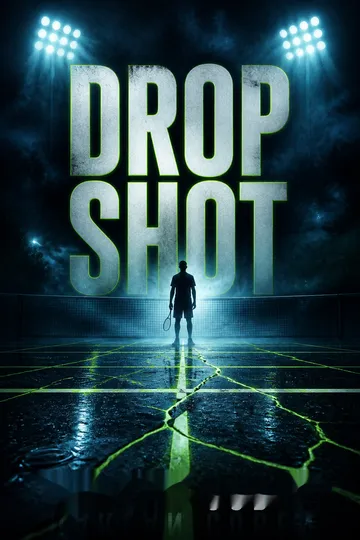
Drop Shot is a masterful blend of sports thriller and psychological mystery, using the high-stakes world of professional tennis as a lens to examine deeper issues of identity, justice, and the corrosive effects of secrets. Harlan Coben crafts a narrative where the pursuit of truth is fraught with danger, and where the lines between victim and perpetrator, hero and villain, are blurred by circumstance and emotion. The novel interrogates the ways in which power—whether political, financial, or parental—can be wielded to protect or destroy, and how love, in its most desperate forms, can lead to both salvation and tragedy. Myron Bolitar's journey is one of moral reckoning, as he confronts the limits of his own ideals and the costs of caring in a world where justice is often elusive. The story's resolution is bittersweet, acknowledging that some wounds never heal and that the struggle for truth is both necessary and inevitably incomplete. Drop Shot ultimately asks: What are we willing to sacrifice for those we love, and can we live with the consequences?
Review Summary
Most readers enjoy Drop Shot, praising Harlan Coben's witty, entertaining storytelling and the compelling dynamic between protagonist Myron Bolitar and his psychopathic but loyal friend Win. Reviewers appreciate the humorous dialogue, intricate plot set against professional tennis, and well-developed characters. Some critics found the mystery predictable, with key plot points resolved too easily. Common highlights include Myron's sarcastic charm, Win's ruthless effectiveness, and the series' consistent quality. A minority found the testosterone-heavy tone off-putting, but the majority rated it positively, recommending the series to mystery fans.
People Also Read





Characters
Myron Bolitar
Myron is a former basketball star turned sports agent, whose sense of justice and loyalty often draw him into dangerous investigations. He is intelligent, witty, and deeply empathetic, but also haunted by his own disappointments and the pain of others. Myron's relationships—with his best friend Win, his associate Esperanza, and his girlfriend Jessica—reveal his need for connection and his struggle to balance personal loyalty with professional duty. Psychologically, Myron is driven by a rescue complex, compelled to help those in trouble even at great personal risk. Over the course of the story, he confronts the limits of his power and the ambiguity of justice, emerging wiser but scarred by the cost of caring.
Duane Richwood / Curtis Yeller
Duane is a rising tennis star with a mysterious past. Outwardly confident and charismatic, he is inwardly tormented by the secret of his true identity as Curtis Yeller, a boy presumed dead after being blamed for a murder he did not commit. Duane's life is a constant act of concealment, shaped by his mother's desperate choices and his own need to survive. His relationship with Wanda is genuine, but threatened by the lies he must maintain. Psychologically, Duane is burdened by guilt, fear, and the knowledge that his success is built on a foundation of sacrifice and betrayal. His development is marked by increasing isolation and the ultimate loss of his mother, leaving him both free and forever marked by her love.
Valerie Simpson
Valerie is the tragic heart of the story—a once-brilliant tennis player destroyed by abuse, loss, and the indifference of those around her. Her breakdown and failed comeback are the result of trauma inflicted by her coach, Pavel Menansi, and the murder of her fiancé, Alexander Cross. Valerie's attempts to reclaim her life are thwarted by the secrets she carries and the threats she faces. Her murder is both a personal tragedy and the spark that forces the truth into the open. Psychologically, Valerie is a study in resilience and vulnerability, her final acts driven by a need to confront the past and protect others from suffering as she did.
Deanna Yeller
Deanna is a complex figure whose love for her son drives her to unimaginable acts. Faced with the certainty that Curtis would be destroyed by a racist and corrupt system, she orchestrates a deadly deception, sacrificing her nephew and later killing to protect her secret. Deanna's actions are both monstrous and understandable, a testament to the power of maternal love twisted by circumstance. Her psychological journey is one of increasing isolation, guilt, and despair, culminating in suicide when the burden becomes too great. Deanna embodies the story's central question: how far will we go to protect those we love, and at what cost?
Windsor Horne Lockwood III (Win)
Win is Myron's best friend and financial partner, a man of privilege with a dark side. Beneath his polished exterior lies a capacity for violence and a rigid moral code: those who harm his friends or the innocent must be destroyed. Win's actions are decisive and often brutal, providing the muscle and resolve that Myron sometimes lacks. Psychologically, Win is both a guardian and an avenger, untroubled by ambiguity and willing to do what others cannot. His loyalty to Myron is absolute, but his methods force Myron to confront his own values. Win's development is subtle, revealing the costs and necessity of having someone willing to cross the line for the greater good.
Jessica Culver
Jessica is Myron's girlfriend, a writer whose intelligence and emotional strength provide balance to Myron's impulsiveness. She is drawn into the danger by association, becoming a target of the mob's threats. Jessica's resilience and ability to process trauma are central to her character, as is her willingness to challenge Myron's assumptions and support his quest for justice. Psychologically, she is both vulnerable and strong, her love for Myron deepened by shared adversity. Jessica's presence grounds Myron, reminding him of what is at stake and what is worth fighting for.
Esperanza Diaz
Esperanza is Myron's right hand at the agency, a former wrestler with a keen mind and a no-nonsense attitude. She provides comic relief, practical advice, and unwavering support. Esperanza's loyalty is fierce, but she is also willing to challenge Myron when necessary. Psychologically, she is grounded, resilient, and unafraid to confront uncomfortable truths. Her development is steady, serving as a moral and emotional anchor for Myron and the agency.
Pavel Menansi
Pavel is a celebrated tennis coach whose charm masks a predatory nature. He exploits his position to abuse young female players, including Valerie, and is protected by the complicity of those around him. Pavel's actions are driven by narcissism and entitlement, his downfall a result of the secrets he can no longer keep. Psychologically, he is a study in the abuse of power and the ease with which charisma can mask evil. His murder is both retribution and a necessary end to his cycle of exploitation.
Senator Bradley Cross
Senator Cross is a man torn between genuine grief for his son and the ruthless need to protect his family's reputation. He uses his power to shape the narrative of Alexander's death, sacrificing others to maintain the illusion of innocence. Psychologically, Cross is both sympathetic and chilling, his actions driven by love, pride, and the belief that the ends justify the means. His development reveals the corrosive effects of privilege and the moral compromises demanded by power.
Wanda
Wanda is Duane's girlfriend, whose unwavering belief in his goodness is both her strength and her vulnerability. She senses the truth before others, but her love blinds her to its full implications. Wanda's journey is one of heartbreak and resilience, forced to confront the reality of Duane's past and the sacrifices made on his behalf. Psychologically, she represents the cost of secrets and the pain of loving someone whose life is built on lies.
Plot Devices
Dual Timelines and Interwoven Mysteries
The novel's structure relies on the interplay between a present-day murder and a six-year-old crime, with Myron's investigation gradually uncovering the connections between them. Flashbacks, interviews, and the slow revelation of hidden identities create a tapestry of suspense. The use of parallel mysteries allows the author to explore themes of memory, trauma, and the long shadow of past actions. The narrative's momentum is driven by Myron's relentless pursuit of answers, with each discovery raising new questions and deepening the emotional stakes.
Red Herrings and Misdirection
The story employs classic detective fiction techniques, including red herrings (the stalker, the mob, the agency) and misdirection (Duane's supposed affair, Valerie's mental illness) to keep both Myron and the reader guessing. The layering of motives—personal, financial, and political—creates a sense of complexity and ambiguity. The ultimate revelation that the killer is not a stranger, but someone acting out of love, subverts expectations and adds emotional depth.
Thematic Motifs: Sacrifice, Justice, and Corruption
Recurring motifs of sacrifice (mothers for sons, friends for friends), the pursuit of justice (legal and extralegal), and systemic corruption (in sports, politics, and law enforcement) underscore the novel's themes. The story interrogates the limits of loyalty, the price of silence, and the ways in which power protects itself. The tennis setting serves as a metaphor for competition, isolation, and the thin line between victory and defeat.
Character Foils and Psychological Depth
The pairing of Myron and Win, as well as the relationships between mothers and children, victims and perpetrators, provide psychological complexity. Each character's choices reflect different responses to trauma, guilt, and the demands of love. The use of foils—Myron's empathy versus Win's ruthlessness, Deanna's sacrifice versus Helen's denial—highlights the story's central questions about morality and responsibility.
Foreshadowing and Symbolism
The novel uses foreshadowing (Valerie's desperate calls, Duane's sunglasses, Deanna's evasiveness) and symbolism (the tennis court as battleground, sunglasses as masks, the yearbook as a record of hidden truth) to build suspense and reinforce themes. The gradual unveiling of the truth is mirrored by the removal of these symbolic barriers, culminating in moments of revelation and catharsis.
Myron Bolitar Series
About the Author
Other books by Harlan Coben









Download PDF
Download EPUB
.epub digital book format is ideal for reading ebooks on phones, tablets, and e-readers.








































