Plot Summary
Firehouse Farewells and Old Wounds
Hayes Woodson, a dedicated firefighter in Magnolia Falls, is exhausted after a grueling shift. The camaraderie at the firehouse is tinged with rivalry, especially with Lenny, a coworker who once betrayed him. Hayes's life is defined by service, loyalty, and a deep sense of responsibility, but beneath his stoic exterior lies pain from old wounds—most notably, the abrupt departure of his childhood best friend, Savannah Abbott. When he learns Savannah is back in town for a funeral, old emotions resurface. The snow outside mirrors the chill between them, hinting at unresolved history and the possibility of new beginnings.
The Girl Who Left
Savannah Abbott, once Hayes's inseparable friend, returns to Magnolia Falls for the funeral of Abe, a beloved mentor. Her upbeat exterior hides a lifetime of disappointments and betrayals, including the pain of Hayes's perceived abandonment. Their reunion at the local bar is awkward, laced with humor and old nicknames, but also with the sting of unresolved hurt. Savannah's life has been a series of starts and stops, dreams deferred, and trust broken. The town is both comfort and curse, filled with memories she can't escape and people she's not sure she can forgive.
Inheritance with Strings Attached
Savannah learns that Abe has left her his farmhouse and a fortune—but with a catch: she must marry within thirty days to inherit. The news is both a blessing and a burden, especially as Savannah is struggling financially and emotionally. The stipulation feels like a cruel joke, forcing her to confront her past and her future all at once. Hayes, ever the protector, is drawn into her dilemma, and their old dynamic—banter, bickering, and buried affection—reignites. The inheritance becomes a catalyst, forcing both to face what they've lost and what they might still have.
Funeral Ties and Small Town Eyes
At Abe's funeral, Savannah is surrounded by familiar faces—friends, former flames, and the ever-watchful eyes of a small town. Her eulogy is heartfelt, revealing the depth of her bond with Abe and the pain of his loss. Hayes watches her, torn between resentment and longing. The funeral is a turning point, exposing the cracks in Savannah's carefully constructed armor and reminding Hayes of everything he's missed. The town's gossip swirls, but for Savannah and Hayes, the real drama is internal—a battle between pride and vulnerability.
Broken Cars, Broken Hearts
After the funeral, Savannah's car breaks down in the snow, leaving her stranded and emotionally raw. Hayes comes to her rescue, and the walls between them begin to crumble. In the intimacy of crisis, old patterns resurface—Hayes's protectiveness, Savannah's stubborn independence. Their conversation is a mix of accusation and confession, revealing the depth of their hurt and the possibility of healing. The farmhouse, once a symbol of loss, becomes a place of tentative hope as Savannah settles in, and Hayes finds himself unable to stay away.
Bargains and Boundaries
With the inheritance deadline looming, Savannah and Hayes are forced to consider a marriage of convenience. Their friends, sensing the unresolved tension, offer advice and support, but the decision is theirs alone. The arrangement is practical—help Savannah keep the farmhouse and give Hayes a boost in his career—but the emotional stakes are high. Both are wary of repeating past mistakes, but necessity pushes them together. The boundaries between real and pretend blur as they navigate the logistics of their fake relationship, setting the stage for deeper entanglement.
The Marriage Arrangement
Savannah and Hayes agree to marry, setting strict rules to protect their hearts. The wedding is quick and quiet, more transaction than celebration, but the act of commitment stirs old feelings. Living together forces them to confront their history—letters never sent, words never spoken, wounds never healed. Their public displays of affection are convincing, but in private, the tension is palpable. The arrangement, meant to be temporary, becomes a crucible, testing their ability to trust, forgive, and love again.
Playing House, Playing Hearts
As Savannah and Hayes play the roles of newlyweds, the line between act and actuality fades. Shared routines, inside jokes, and moments of vulnerability draw them closer. The farmhouse renovation becomes a metaphor for their relationship—tearing down old walls, rebuilding on stronger foundations. Friends and family are drawn into their orbit, offering support and stirring up complications. The threat of exposure—both of their fake marriage and their true feelings—looms, but for the first time, both begin to imagine a future together.
Past Hurts, Present Healing
The truth about Savannah's departure and Hayes's pain comes to light through a box of unsent letters. Misunderstandings, manipulations, and the interference of others are revealed, forcing both to confront the real reasons for their estrangement. The process is painful but cathartic, allowing them to finally grieve what was lost and embrace what remains. Forgiveness is hard-won, but it opens the door to genuine intimacy. Their relationship, once defined by avoidance and anger, becomes a source of comfort and strength.
Letters Never Sent
Savannah reads Hayes's letters, each one a testament to his longing and regret. The letters become a roadmap through their shared history, illuminating the depth of their connection and the tragedy of their separation. For Savannah, the realization that Hayes never stopped caring is both a balm and a burden. For Hayes, sharing his vulnerability is an act of trust, a leap of faith that changes everything. The letters, once a symbol of loss, become a foundation for their renewed relationship.
The Party and the Pretender
A firehouse party, meant to solidify their public image, becomes a battleground for old rivalries and new alliances. Hayes's nemesis, Lenny, stirs trouble, while Savannah proves her loyalty and strength. The party is a microcosm of their journey—chaotic, joyful, and fraught with risk. Amidst the laughter and music, real feelings surface, and the couple's commitment is tested. The threat of exposure intensifies, but so does their resolve to face whatever comes together.
Lawsuits and Loyalty
Abe's gold-digging ex-wife, Sheana, sues Savannah, challenging the legitimacy of the inheritance and the marriage. The legal battle brings the community together, with friends and family rallying to support the couple. The scrutiny is intense, forcing Savannah and Hayes to present a united front and deepen their trust. The ordeal exposes the best and worst in those around them, but ultimately strengthens their bond. The lawsuit, once a source of fear, becomes a crucible that forges a stronger partnership.
Family, Forgiveness, and Foundations
As the farmhouse renovation nears completion, Savannah and Hayes focus on building a life together. Family dynamics shift—Hayes reconciles with his mother, Savannah supports her ailing father, and both find new meaning in old connections. The community, once a source of judgment, becomes a network of support. The couple's friends face their own challenges, but together they create a tapestry of love, loyalty, and resilience. The foundation laid in pain is rebuilt in hope, setting the stage for a new chapter.
The Truth About Leaving
The final pieces of the past fall into place as Savannah and Hayes confront the real reasons for their separation. Manipulation, miscommunication, and fear are laid bare, and both must choose whether to let go or hold on. The choice to forgive is not easy, but it is transformative. With the truth out, the couple is free to love without reservation. The past, once a prison, becomes a lesson—a reminder of what matters most.
Real Love, Real Risks
With the lawsuit resolved and the farmhouse saved, Savannah and Hayes face the future with open eyes. The decision to stay together is no longer about necessity, but about desire and devotion. They propose to each other in a moment of mutual vulnerability, promising to face whatever comes as a team. The risks are real—family, career, and community all hang in the balance—but so is the love that binds them. Their story, once defined by loss, becomes a testament to the power of second chances.
The Proposal and the Promise
Hayes proposes for real, offering Savannah not just a ring, but a life built on honesty and partnership. They decide to keep the farmhouse, turning it into a home and a business. The promise is simple but profound: to choose each other every day, to build a family on their own terms, and to never let fear dictate their future. The proposal is both an ending and a beginning—a declaration that love, once lost, can be found again.
New Beginnings, New Life
Savannah discovers she is pregnant—with twins. The news is both exhilarating and terrifying, especially given Hayes's fears about fatherhood. But together, they face the unknown, drawing strength from each other and their community. The farmhouse becomes a symbol of their new life—a place where dreams are realized and love is multiplied. Friends and family gather to celebrate, and the couple embraces the chaos and joy of impending parenthood. The future, once uncertain, is now filled with hope.
Coming Home, Coming Clean
Savannah returns from Dallas, her father's health improving and her own future brighter than ever. She and Hayes finally share all their secrets, fears, and dreams, cementing their bond. The farmhouse is transformed into a home and a business, and the couple prepares to welcome their twins. Surrounded by friends, family, and the community that once judged them, Savannah and Hayes find peace. Their journey—from heartbreak to healing, from strangers to soulmates—is complete. They are, at last, home.
Analysis
Finding Hayes is a contemporary romance that transcends its genre by delving deeply into themes of forgiveness, vulnerability, and the transformative power of love. At its core, the novel is about two people scarred by the past—by family dysfunction, betrayal, and the pain of separation—who are forced by circumstance to confront what they've lost and what they still desire. The marriage of convenience trope is used not just for romantic tension, but as a vehicle for genuine emotional growth. The story's modern relevance lies in its exploration of trauma, communication, and the ways in which misunderstandings can shape—and misshape—our lives. The unsent letters are a poignant reminder of the importance of speaking our truth, while the small-town setting highlights both the suffocating and supportive aspects of community. Ultimately, the novel argues that healing is possible, but only through honesty, courage, and the willingness to risk again. The happy ending is hard-won, grounded in the messy reality of life, and serves as a testament to the idea that love, when chosen and fought for, can truly bring us home.
Review Summary
Finding Hayes receives an overall rating of 4.3/5, with most readers praising the marriage-of-convenience and childhood-friends-to-lovers tropes as a fitting conclusion to the Magnolia Falls series. Fans loved Hayes's grumpy-yet-tender character, Savannah's charm, and the emotional letters exchanged between them. The found-family dynamic and returning characters were widely celebrated. Critics noted pacing issues, weak romantic buildup, and frustrating miscommunication. Most agreed it was a bittersweet, satisfying series finale.
Characters
Hayes Woodson
Hayes is a firefighter whose life is shaped by duty, loyalty, and a deep-seated fear of abandonment. Raised in a turbulent home, he learned early to rely on himself and to protect those he loves—especially his sister, Saylor. His friendship with Savannah was the one bright spot in a difficult childhood, and her departure left a wound that never fully healed. Hayes is gruff, reserved, and slow to trust, but beneath his tough exterior is a man desperate for connection. His journey is one of learning to forgive, to be vulnerable, and to accept love—not just as a duty, but as a gift. Through his relationship with Savannah, he confronts his past, redefines his future, and discovers that true strength lies in letting others in.
Savannah Abbott
Savannah is a woman who masks her pain with optimism and humor. Her childhood was marked by instability—her mother's affair, her father's illness, and the judgment of a small town. Her friendship with Hayes was her anchor, and losing him was a trauma she never fully processed. Savannah is creative, resourceful, and fiercely independent, but her independence is often a shield against disappointment. The inheritance from Abe forces her to confront her fears and desires, pushing her to risk her heart again. Savannah's arc is one of healing—learning to trust, to forgive, and to accept that she is worthy of love and happiness. Her journey with Hayes is both a return to her roots and a leap into the unknown.
Abe Wilson
Abe is the grandfather figure who shapes Savannah's life long after his death. His will, with its unusual stipulation, is both a test and a gift—forcing Savannah to confront her past and seize her future. Abe represents the wisdom of experience, the power of unconditional love, and the importance of legacy. His influence is felt in every chapter, guiding Savannah and Hayes toward reconciliation and reminding them that family is chosen as much as it is given.
Lenny Davis
Lenny is Hayes's nemesis at the firehouse—a man who plays politics and seeks validation through manipulation. His betrayal (sleeping with Hayes's ex-fiancée) is a catalyst for much of Hayes's pain and distrust. Lenny represents the dangers of ambition without integrity, and his presence is a constant reminder of the wounds that can fester when trust is broken. Ultimately, Lenny's role is to test Hayes's resolve and to highlight the difference between true leadership and empty posturing.
Saylor Woodson
Saylor is Hayes's younger sister, a symbol of resilience and hope. Raised in the same turbulent home, she relies on Hayes for stability and guidance. Saylor's journey mirrors Hayes's—learning to trust, to forgive, and to build a life beyond survival. Her relationship with Savannah is a bridge between past and present, and her own happiness (marrying King) is a testament to the power of second chances.
River, King, Romeo, Nash
Hayes's closest friends are more than just side characters—they are his chosen family, each representing a different facet of loyalty, humor, and support. River is the pragmatic lawyer, King the wild card, Romeo the romantic, and Nash the steady hand. Together, they provide comic relief, emotional support, and a sense of belonging that Hayes desperately needs. Their own relationships and struggles add depth to the story, illustrating the importance of community and the ways in which friendship can heal even the deepest wounds.
Ruby, Demi, Emerson, Peyton
The women in Savannah's circle are more than just friends—they are her confidantes, cheerleaders, and co-conspirators. Each brings a unique perspective and strength, helping Savannah navigate the challenges of love, loss, and reinvention. Their own stories—of motherhood, ambition, and resilience—mirror Savannah's journey and reinforce the novel's themes of female empowerment and solidarity.
Sheana Wilson
Abe's ex-wife, Sheana, is the external threat that forces Savannah and Hayes to unite. Her lawsuit is a test of their resolve and a reminder that not all battles are internal. Sheana's actions are driven by self-interest, but her defeat is a victory for love, loyalty, and justice.
Savannah's Father and Nadia
Savannah's father, battling cancer, is a source of both pain and inspiration. His journey through illness and recovery parallels Savannah's own path to healing. Nadia, his partner, represents the possibility of new beginnings and the importance of chosen family. Together, they embody the novel's message that love can be found—and rebuilt—at any stage of life.
Roddy (the dog)
Roddy, the chocolate lab puppy, is more than just a pet—he is a symbol of the new life Hayes and Savannah are building together. His presence brings joy, comfort, and a sense of home, reminding both characters that family is made, not just inherited.
Plot Devices
Marriage of Convenience
The central plot device is the marriage of convenience, forced by the stipulation in Abe's will. What begins as a pragmatic solution to an external problem becomes a crucible for emotional growth. The fake marriage forces Savannah and Hayes to confront their past, navigate their present, and imagine a future together. The device allows for exploration of themes like trust, forgiveness, and the blurred line between duty and desire.
Letters as Emotional Bridge
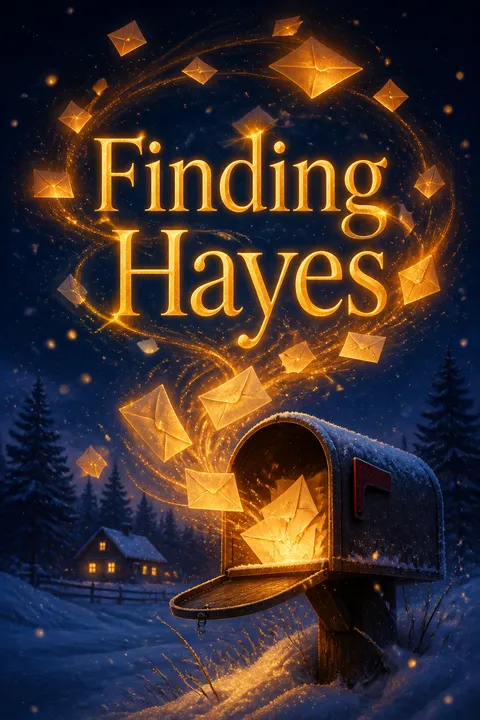
Hayes's unsent letters to Savannah serve as a powerful narrative device, bridging the gap of years and illuminating the depth of his pain and longing. The letters provide insight into his character, reveal the misunderstandings that kept them apart, and ultimately become a tool for reconciliation. They symbolize the importance of communication and the tragedy of words left unspoken.
Small Town Setting
Magnolia Falls is more than just a backdrop—it is a character in its own right. The small town amplifies the stakes, with gossip, judgment, and the weight of history pressing in on the protagonists. At the same time, the community provides support, humor, and a sense of belonging. The setting allows for exploration of themes like reputation, redemption, and the power of collective memory.
Dual Narration and Flashbacks
The story is told in alternating chapters from Hayes's and Savannah's points of view, allowing readers to experience both sides of the conflict. Flashbacks and memories are woven throughout, providing context and emotional resonance. This structure fosters empathy, complicates easy judgments, and underscores the theme that every story has more than one side.
Legal and Social Stakes
The lawsuit over the inheritance, the scrutiny of the town, and the threat of exposure all serve to heighten tension and force the protagonists to act. These external stakes mirror the internal battles—fear, pride, and the longing for acceptance. The resolution of these conflicts is both a legal victory and an emotional triumph.
Symbolism of Home and Renovation
The renovation of the farmhouse is a recurring motif, symbolizing the work required to rebuild trust, love, and identity. As walls are torn down and rebuilt, so too are the barriers between Hayes and Savannah. The transformation of the house mirrors their own journey from brokenness to wholeness.