
Plot Summary
Threads of Fate Entangle
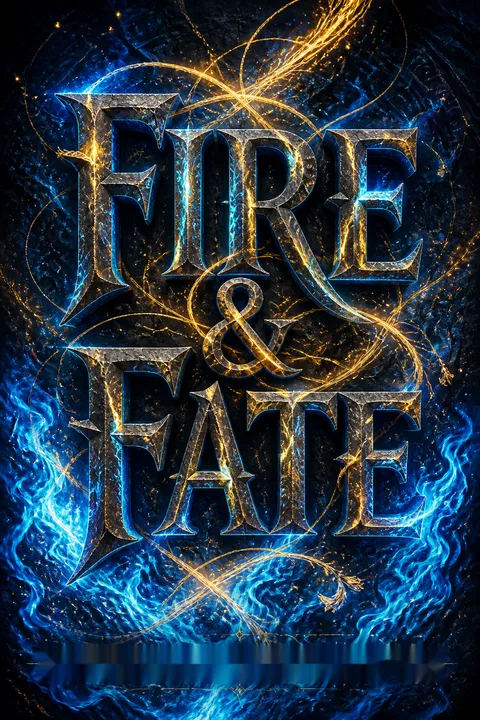
In the beginning, the cosmos is shaped by fate's unseen hands. Hades, god of the Underworld, and his connection to the witches known as the Odd Sisters anchors the story's grand weave—a network of lives threaded together by loss, love, and fate itself. The Odd Sisters, Lucinda, Ruby, and Martha, introduce the privilege and curse of controlling stories, but even they find their lives dictated by forces greater still. Their narrative, recounted in the magical Book of Fairy Tales, sets the pattern for the worlds of gods, witches, and humans to intertwine in tragic and redemptive turns, hinting that power over fate means little if one cannot escape the entanglements of their own heart.
Gods Divide, Worlds Break
In an age before memory, Titan domination ends with a brutal war as Hades, Poseidon, and Zeus overthrow their father Cronus together. Victorious, the brothers must divide the world: Zeus claims the sky and Olympus, Poseidon the seas, and Hades, despite protest, is given the Underworld—a land of the dead and despair. This reluctant ascension seeds deep resentment; Hades, once content, now feels exiled and isolated below. The division of power, happening amidst chaos and ruins, fractures both time and possibility, shaping history's direction and declaring the gods' inability to control even their own fates—a curse soon echoed throughout all realms.
Queens of the Dead
After centuries of cruelty and necromancy, the Dead Woods pass to two witch sisters, Hazel and Primrose. Their lineage is stained by blood: their mother, Manea, the infamous Wraith Queen, is murdered by her own daughter Gothel after trying to force her powers on her lineage. Gothel, desperate, spends years seeking ways to resurrect her sisters. Eventually, Hazel and Primrose are revived, taking their place amidst graves and haunted woods. Unlike the tyrants before them, they choose to bring gentleness, color, and empathy to their bleak land, forming alliances with Circe and the Odd Sisters and vowing to break cycles of fear.
Sisters, Sacrifices, and Sorrow
The Odd Sisters' tragic origin pivots upon love—for Circe, their youngest sibling and heart's delight. After Maleficent's fiery rampage kills Circe, the Odd Sisters use taboo magic to create a new daughter with the best parts of themselves, sacrificing their innocence and sanity. This decision, though born in grief, warps their goodness into madness. When truth emerges—Circe is both child and reanimated sister—guilt and regret fracture the Odd Sisters' souls. Eventually, Circe sacrifices herself to save her mothers and the realms, leaving Hazel and Primrose with profound grief and questions of fate, love, and the corrosiveness of magic's price.
Odd Sisters Unravel
Circe's death nearly breaks Hazel and Primrose. Grieving and lost, they find no solace as the Dead Woods mourn with them. Snow White, recently their companion, leaves, deepening their loneliness. Primrose's prophetic dreams hint at possible reunions, but also at a cyclical story—fate appears inescapable. Their longing for Circe bleeds into their magic, stirring dormant dead from their graves. In their despair, the boundaries between the living and the dead, past and future, blur. The Odd Sisters themselves, haunted by what they've become, linger as both victims and architects of a cursed destiny.
Circe's Awakening
A mysterious blue vortex appears, unleashing armies of the dead and heralding the dramatic return of both Hades and Circe. Circe, whisked back from the liminal Place Between, is angry and lost, confronted by shifting family allegiances and threats from her fused mother, Lucinda. Hades explains his intervention—fulfilling a long-owed favor to the Odd Sisters and acting as a bulwark against Lucinda's vengeance. Circe's return stirs the Dead Woods, ignites conflict with powerful spirits, and reopens wounds for Hazel, Primrose, and herself, each confronted by the high cost of resurrection and the uncertainties of forgiveness.
Hades Visits the Living
Hades, the brooding and sarcastic lord of the Underworld, begins a rare sojourn in the world of the living. Amidst tea, cake, and cautious conversations, he shares insights with Hazel, Primrose, and Circe, reflecting on the burden of rule, estrangement from family, and the allure of witchly companionship. The encounter—infused with Hades's dark humor and candid self-awareness—unexpectedly softens him, stirring feelings of kinship and affection. As he settles into the eerie camaraderie, he bonds with the trio, their shared outsider status and scars positioning them as unlikely kindred spirits during an unprecedented crossroads in their fates.
A Deal Sealed in Blood
The Odd Sisters, having once bargained with Hades, agree to repay an old magical debt. Over a sinister meal in the Underworld, they form an alliance, binding themselves by a blood oath in exchange for Hades's promise to return them home. This alliance, a collision of necromantic ambition and infernal guile, tangles their destinies further. As each party seeks leverage and survival, they inadvertently lay the groundwork for greater calamity. Their shared manipulations—driven as much by desperation as bravado—highlight the frailty of bargains struck among gods and witches as well as the tragic darkness that lingers under the guise of kinship.
Splitting Fate, Shattering Time
Craving freedom from duty and suffering, Hades coerces the Odd Sisters into finding a spell that can split his fate string—creating a second self. While he hopes to escape his cosmic role and linger in the Many Kingdoms, the magical experiment has unpredictable consequences: time distorts, stories overwrite themselves, and new hazards rise. The process brings agony but also possibility, as Hades and his witches discover that fate, once thought unbreakable, can be torn—at great risk. The narrative loops, converging on questions of identity, destiny, and the double-edged sword of unchecked magic.
Family Broken, Family Found
Circe, Hazel, and Primrose forge a new kinship, while Hades reflects on the paradox of family—its deepest injuries and redemptions. He recalls how both gods and witches injure and support each other, and how chosen families such as his adopted Odd Sisters offer comfort and camaraderie. As the Dead Woods transforms from a necropolis into a place with hope, the new queens—strengthened by purpose and empathy—reject cycles of violence and madness. The restoration of Circe brings unity, but the specter of past sins and cursed legacies remain, demanding constant vigilance and the courage to transcend the models of those who came before.
Wraith Queens Rise
The spirits of past Queens—wraiths forged by suffering and destruction—rise, their wrath threatening to overwhelm both the living and the dead. Lucinda, corrupted and fused with her siblings, tears at the new order, intent on revenge against Circe and the new queens. Monuments come to monstrous life, and the Dead Woods tremble with chaos as Hades, Circe, Primrose, and Hazel must balance survival with mercy. The spectral horror tests the boundaries of magic, willpower, and the lingering question: Can love and hope break blood curses older than memory?
War Against Olympus
Hades, harboring old resentments towards Zeus, hatches a plan for rebellion—enlisting both the Titans and monsters of myth in an assault on Olympus. Through cunning, trickery, and cooperation with newly forged allies (and his own magical double), Hades's campaign unravels across worlds. Yet, as prophesied by the Fates, his effort is fated for both grandeur and downfall, tangled in conditions and consequences even gods cannot foresee. His war becomes not just a struggle for power, but a reflection on the costs of vengeance and fate's stubborn refusal to honor ambition.
Book of Fairy Tales
Within the magical Book of Fairy Tales, timelines twist: fates are recorded, rearranged, or hidden by the witches' own amnesia and fears. Hades, sifting through myth and memory, discovers that their shared destinies are continually rewritten—sometimes by their own hands, sometimes by others. The act of reading and chronicling reveals and shapes events, offering both hope of redemption and dangers of self-fulfilling prophecy. The witches' attempt to intervene in their own stories, to create or escape fate, becomes the battleground where history, identity, and love intersect.
Loss, Madness, and Love
Despite successes, the Odd Sisters succumb to the dark side of magical creation: their souls erode, replaced by madness. The cost of resurrecting and recreating loved ones is their own unraveling—a descent mirrored in the chaos haunting the Dead Woods. Hades, wracked with guilt, must confront the consequences of his involvement, while the new queens struggle to restore order. Love, though corrupted and painful, retains its redemptive power—offering the only true resistance to both fate's iron grip and the bitterness embedded by centuries of suffering.
Hades' Betrayal and Guilt
Hades, blinded at times by his aims and sense of isolation, betrays both Circe and the witches in small and large ways. He manipulates events to keep Circe from foiling his designs, failing to see that every action echoes across worlds and souls. The witches' trust is damaged, the Odd Sisters are further lost to darkness, and Hades himself endures the anguish of recognizing too late the high cost of his maneuvers. Ultimately, neither power nor cleverness can entirely shield from consequences or guilt—a lesson hard-learned.
The Price of Creation
The process of splitting fate, resurrecting Circe, and navigating the Book's continuum demonstrates that creation—whether of magic, new life, or rewritten destiny—demands a corresponding loss. The Odd Sisters pay with pieces of themselves; their story underscores the age-old truth that to remake the world or oneself is to risk annihilation or transformation beyond recognition. Even gods, with all their might, are not exempt from sacrifice: Hades must choose between vengeance, family, and redemption, knowing that the greatest danger comes not from enemies but from the potential within one's own heart.
Restoring Balance
Circe and the new queens must finally confront Lucinda and the chaos unleashed by the restless dead. With Hades's help, self-sacrifice, and hard-earned wisdom, they banish old evils and lay to rest the spirits of vengeance. Reunion and reconciliation—between sisters, between witches and gods, and even between the living and the dead—bring peace to the Dead Woods. Hades finds solace in companionship, while the Odd Sisters, restored beyond death, find themselves welcomed in the halls of the Underworld. In restoring balance, the narrative closes one great cycle and hints at the possibility of joy after hardship.
Light in the Dead Woods
With old curses lifted and the past reckoned with, Circe, Hazel, and Primrose assume their roles as benevolent rulers. The Dead Woods, long a kingdom of sorrow, blossom under their care into a land of light and possibility. The story ends with the Book of Fairy Tales opened to blank pages, ready to be written anew by a trio who, finally free from the tyranny of fate, choose hope, compassion, and the courage to author their own future. The closing message: even in worlds shaped by doom and despair, light and laughter can endure—if chosen again and again.
Analysis
Modern morality tale of fate, trauma, and hope"Fire & Fate" transforms the grand tradition of myth and fairy tale into an exploration of grief, generational trauma, and the limits of both power and magical intervention. Through intertwining the stories of gods (Hades), witches (the Odd Sisters, Circe, Hazel, and Primrose), and mortals (Snow White), the novel meditates on cycles of violence and the longing for love. Sacrifice, madness, and resurrection are how characters both heal and wound, embodying the tension between fate and agency. Ultimately, Valentino argues that even when history and pain seem predestined, there is still possibility in empathy, compassion, and forging family beyond blood—any future, however fated, can be illuminated by the courage to change, forgive, and choose light over despair. The lesson is clear: fate may entangle, but it is kindness and connection that break curses and allow new stories to begin.
Review Summary
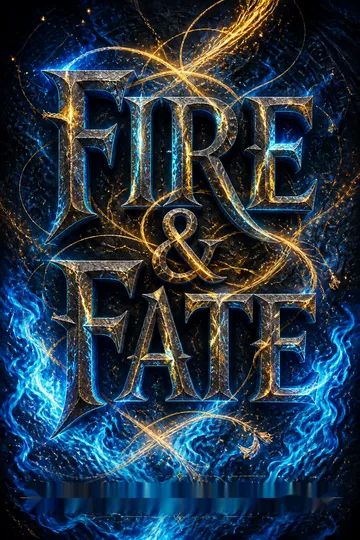
Reviews for Fire & Fate are mixed, averaging 3.83/5. Fans praise Serena Valentino for tying the series together and capturing Hades' wit and sarcasm, with many highlighting the audiobook narrator John York's performance. Critics, however, feel the book focuses too heavily on the Odd Sisters rather than Hades himself, with some finding the plot convoluted and hard to follow. While devoted series readers tend to enjoy the interconnected storytelling, newcomers and Hades fans expecting a deeper origin story were often left disappointed.
People Also Read
Characters
Hades
Hades, originally a noble god tasked with balance, is transformed by loneliness and resentment after being denied Olympus. Psychoanalytically, he reflects the trauma of exclusion and a desperate need for validation, which manifests as both dark humor and ruthless ambition. Throughout the narrative, he both manipulates and loves the witches, seeking solace in surrogate familial bonds. His journey is one from hurt to self-awareness: Hades's dichotomies—brutal yet lonely, vengeful yet vulnerable—drive both the wars of gods and the redemption of witches. Despite his power, he's deeply human: driven by longing, guilt, and, ultimately, an appetite for laughter and forgiveness.
Circe
Circe, crafted of her mothers' best, is at once daughter, sister, and symbol of hope and loss. She suffers as both creation and creator, aware her existence cost the Odd Sisters their innocence and, ultimately, their sanity. Psychoanalytically, Circe embodies the child as both redeemer and burden—the hope that fractures families when the cost of healing wounds is too high. Her self-sacrifice and, later, her struggle to return embody a longing for agency, love, and closure. Circe's growth is in learning that to lead, she must both accept her origins and transcend them—choosing compassion over despair.
Lucinda
As leader and voice of the Odd Sisters, Lucinda is defined by her sharp intellect, deep affection for her sisters and Circe, and later by the madness her sacrifices unleash. She reflects the dangers of love without boundaries: to save Circe, she gives up pieces of herself, becoming at once martyr and monster. Lucinda's volatility—her oscillations between love and destruction—mirror the psychological dangers of unresolved trauma and the dangers of consuming grief. In her darkest state, she embodies vengeance; but her final reconciliation, aided by Hades, restores her to the role of beloved mother and sister, if only in the Underworld.
Ruby
Ruby is the emotional core of the Odd Sisters, drawing strength and vulnerability from her relationships with Lucinda and Martha. While deeply loving and nurturing, her participation in the creation of Circe and the pursuit of vengeance accelerates her own unraveling. She illustrates how shared grief can both intensify loyalty and open the door to collective madness; her fate is inextricably tied to those she loves, and she exists often as reflection and amplification of Lucinda's turmoil, her own hopes and fears lost as the family becomes a vehicle for vengeance.
Martha
Martha complements her more volatile sisters with a steadier, compassionate nature, often attempting to mediate. Yet, her gentleness is also her undoing. The creation of Circe and subsequent unraveling see Martha swept into a tide of pain and madness, underscoring how even kindness, if unanchored from self-care, can be warped by grief. Ultimately, Martha's journey is toward loss—not just of loved ones, but of herself, symbolizing the high price of magic that ignores its emotional cost.
Hazel
Hazel's story is one of forging a new path: inheriting a kingdom of terror, she chooses compassion and hope, resisting the necromantic excesses of her heritage. As both protector and visionary, she shoulders responsibility for Primrose and Circe, balancing tradition with a desire for healing. Psychoanalytically, Hazel reflects the struggle to rise above inherited trauma and remake oneself—her journey is about clinging to memory, learning from the past, and letting the future bloom with possibility.
Primrose
Primrose is the exuberant heart of the trio: energetic, creative, and future-oriented. Her dreams and prophecies serve as both guide and warning, and her optimism is infectious—bringing color to the Dead Woods and light to her sisters' lives. Primrose's positivity is tested by loss and despair, but she endures—symbolizing the tenacity of hope and the necessity of imagining a better world, even in the shadow of death. Her psychological arc is one of learning the limits of optimism, accepting grief, and channeling vision into leadership.
Manea
Manea is the embodiment of generational trauma—a mother whose cruelty and betrayal shape the destinies (and failures) of all who follow. In life and as a spirit, she haunts her descendants, serving as the archetype of the monstrous parent. Manea's refusal to let her daughters ascend (and her endless cycle of punishment) captures the destructive power of the past, while her ultimate banishment suggests that history can only be healed when its lessons are faced and decisively put to rest.
Snow White
Snow White acts as a connecting figure among mortals and witches. Her friendship with Circe, Hazel, and Primrose, and her empathy for the dead, suggest a wisdom beyond her years—a bridge between worlds. While she is not central to the primary magical conflicts, Snow White models how compassion and kindness can endure alongside (and ease) the reign of sorrowful magic.
Pflanze (Hecate)
Pflanze, primarily appearing as the Odd Sisters' cat, is ultimately revealed to be Hecate—goddess of magic, moon, and liminality. She serves as both guardian and secret-keeper, protecting Circe and her witches. Psychoanalytically, Pflanze/Hecate represents the hidden dimensions of self and the possibility of transformation even for gods. Her quiet counsel steers events toward balance, offering hope that cycles can be broken if secrets are respected and guidance heeded.
Plot Devices
The Book of Fairy Tales
Central to the narrative is the magical Book of Fairy Tales, a metafictional device chronicling (and shaping) events across timelines and realities. Portions are written by its protagonists (the Odd Sisters), but stories appear and vanish of their own accord. With histories out of sequence and prophecies shifting as choices change, the Book blurs the line between fate and agency, offering both forewarning and confusion. This recursive storytelling mirrors the characters' psychological states, highlighting the dangers and hopes inherent in trying to author or change one's fate.
Time Fracture and Nonlinearity
After the War of the Titans, time splits—it no longer moves linearly, and stories unfold out of sequence. Visions, dreams, and the ability to see "all at once" allow prophecy and retroactive interpretation. This nonlinearity embodies the trauma of gods and witches, trapping them in cycles while also suggesting the possibility of rewriting. Key events are experienced simultaneously by multiple characters, underscoring fate's complexity and the instability of narrative "truth."
Doubling and Splitting
Hades's desire to split his fate string (to exist in two places and escape his fate) gives rise to dual selves—a motif of doubling that extends to the Odd Sisters (themselves fractured by creation) and even time itself. Doubling explores the possibility and risk of escaping prescribed roles, but also the fragmentation of self that comes from unresolved trauma and the stress of competing desires.
Blood Magic and Sacrifice
Every act of magical creation—most notably Circe's resurrection—demands blood, sacrifice, and the unmaking of the self. Throughout, the consequences of such magic underscore that wishing for power over fate comes at a cost. Characters are often faced with impossible decisions, forced to choose between love, legacy, and self-preservation, embodying the tragic weight of generational suffering and the dangers in seeking shortcuts to happiness or immortal love.
Foreshadowing and Prophecy
From the Fates' rhymes to Primrose's waking dreams, prophecy suffuses the plot. Characters struggle under the weight of destiny, often hastening feared outcomes by their attempts to avoid them. The constant foreshadowing casts a shadow of inevitability—but also hints at the rare openings where agency and love might rewrite doom into hope.
Villains Series
About the Author
Other books by Serena Valentino
Download PDF
Download EPUB
.epub digital book format is ideal for reading ebooks on phones, tablets, and e-readers.








































