
Plot Summary
Feeding the Defeated
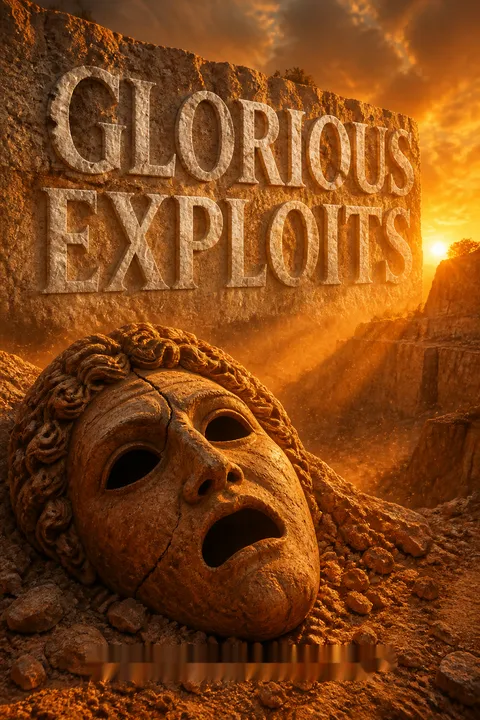
In the aftermath of the Athenian defeat at Syracuse, Lampo and Gelon, two working-class Syracusans, make their way to the quarries where the surviving Athenians are imprisoned. The city basks in victory, but the prisoners are left to rot in the sun, their numbers dwindling daily. Lampo, irreverent and restless, and Gelon, melancholic and poetic, bring water, wine, and food to the Athenians, not out of mercy but for the strange pleasure of witnessing the fall of former enemies. The quarries, once a symbol of Syracusan resilience, now reek of death and despair, yet for Lampo, they also represent the impermanence of glory and the strange intimacy between victor and vanquished. The city's wounds are fresh, but the seeds of something new—compassion, art, or madness—begin to stir.
Poetry for Survival
Gelon, obsessed with Athenian drama, proposes a barter: food and water in exchange for lines from Euripides. The starving prisoners, desperate for sustenance, attempt to recall fragments of Medea and other plays, their memories frayed by hunger and trauma. Some can barely speak, others bluff, but the act of recitation becomes a lifeline. Lampo and Gelon, moved by the power of poetry to momentarily restore dignity, hatch a wild idea: to stage a full production of Medea using the prisoners as actors. The quarries, with their natural amphitheater shape, become the unlikely stage for this experiment in survival, art, and hope amid ruin.
Quarry of Shadows
The quarries are haunted by violence and loss. Biton, a Syracusan whose son was killed by Athenians, takes out his grief on the prisoners, embodying the cycle of vengeance that war breeds. Lampo intervenes to save a green-eyed Athenian, Paches, from Biton's wrath, recruiting him as a potential actor. The boundaries between captor and captive blur as Lampo and Gelon search for meaning in the ruins, haunted by the ghosts of the dead and the living. The quarries become a crucible where suffering, memory, and the faint possibility of redemption are forged together.
Directors' Ambition
Fueled by wine and longing for lost beauty, Gelon proposes that he and Lampo become "directors," staging Medea in the quarry with the Athenians as cast. Their ambition is both absurd and profound: to resurrect Athenian culture in the heart of its defeat, to find purpose in art when all else is lost. They recruit Paches as Jason and Numa, a skilled actor, as Medea. The prisoners, initially bewildered, are drawn into the project by the promise of food and the chance to reclaim their humanity through performance. The directors' dream becomes a fragile rebellion against despair.
Casting in Chains
Lampo and Gelon scour the quarry for talent, assembling a chorus and principal actors from the ranks of the starving. The process is chaotic and moving—each role is a lifeline, each rehearsal a struggle against death. The prisoners, stripped of everything, find in the play a reason to endure. The children of Syracuse, led by the precocious Dares, become assistants, blurring the lines between play and reality, innocence and complicity. The act of casting becomes an act of faith: that art can survive even in chains, that the human spirit can persist in the face of annihilation.
Children and Bones
On their way to the quarry, Lampo and Gelon encounter a group of Syracusan boys playing with the bones of dead Athenians. The children's game becomes a lesson in grief and forgiveness as they debate whether to honor the dead with a funeral pyre. The smallest boy, Strabo, whose brother was killed in the war, ultimately consents to a prayer for all the fallen. The ritual, led by children, becomes a moment of shared mourning that transcends enmity. The city's future—embodied in its children—wrestles with the legacy of violence and the possibility of mercy.
Barter and Blood
To fund their production, Lampo and Gelon scavenge armor from the dead and attempt to sell it to Konin, a local blacksmith. When Konin refuses, they are directed to a mysterious foreign collector, Tuireann, who values the bloodstains and history of the armor. Gelon, desperate, cuts his own arm to "freshen" the relics, sacrificing his body for the sake of art. The transaction is both grotesque and sacred, a reminder that beauty and violence are intertwined. With Tuireann's gold, the directors can finally afford costumes, masks, and food for their cast—but at a cost that cannot be measured in coin.
The Collector's Bargain
Tuireann, the enigmatic collector, becomes the play's "producer," fascinated by the idea of staging tragedy among the defeated. His ship, filled with war trophies and secrets, is both a sanctuary and a threat. Lampo and Gelon are drawn into his orbit, seduced by his wealth and haunted by his otherworldly presence. Tuireann's interest in suffering, memory, and transformation mirrors the play's themes. The directors, now funded, must navigate the moral ambiguities of their patron's motives, wondering whether they are preserving art or becoming complicit in another kind of exploitation.
Masks and Memories
At Alekto's workshop, the directors commission masks and costumes for the production. The process is a meditation on identity and memory: the masks, crafted by Libyan slaves, carry their own stories of displacement and longing. Gelon chooses a child's mask in memory of his lost son, Helios, blurring the boundaries between art and grief. The act of donning costumes becomes an act of resurrection, allowing the actors to inhabit roles larger than themselves. The city's artisans, slaves, and outcasts become unwitting collaborators in the project, their labor woven into the fabric of the play.
Lyra's Song
Lampo becomes infatuated with Lyra, a Lydian slave girl working at Dismas's tavern. Their tentative courtship is fraught with the realities of ownership, power, and hope. Lyra, educated and proud, teaches Lampo to write his name in the sand, a fleeting act of intimacy and self-assertion. Lampo dreams of buying her freedom, but the price is always just out of reach. Their love story, set against the backdrop of war and slavery, becomes a parallel to the play: a search for meaning, dignity, and connection in a world that commodifies everything.
Rehearsal and Resistance
As the play nears completion, tensions rise. Biton, consumed by grief and rage, threatens the production, seeing it as a betrayal of Syracusan dead. The children, now fully involved, rehearse the role of Astyanax, the doomed child of Troy, blurring the line between play and reality. The cast, emboldened by their progress, insists on an audience—art must be witnessed to exist. The city is divided: some see the play as an act of healing, others as an outrage. The directors, caught between hope and fear, press on, determined to see their vision realized.
The Play's the Thing
The day of the performance arrives. Against all odds, a crowd gathers in the quarry: Syracusans, children, prisoners, and aristocrats. The play unfolds with raw power—Medea's agony, the chorus's lament, the murder of Astyanax enacted by a real child. The boundaries between actor and audience, past and present, blur. For a moment, the city is united in grief and awe. But violence erupts: Biton and others attack the cast, killing many, including Numa and Linar. The dream of art as salvation is shattered by the reality of vengeance and loss. The survivors, traumatized, must reckon with what remains.
Violence and Aftermath
In the aftermath, Lampo, Gelon, and Paches hide among the dead, nursing wounds both physical and spiritual. The city decrees the end of rations for the Athenians; the quarries will be cleared for stone. The survivors are left to starve or disappear. Lampo, wracked by guilt and loss, resolves to save Paches, even as Gelon, broken by grief, refuses to help. The dream of art has become a nightmare, but the bonds forged in suffering endure. The city moves on, eager to forget, but the scars remain.
The Last Escape
With the help of Alekto and her Libyan slave, Lampo and Gelon orchestrate a daring escape for Paches and a handful of Athenians. Using a wagon, horses, and a loosened fence, they pull the emaciated prisoners from the quarry under cover of night. The journey is fraught with danger, exhaustion, and moral ambiguity—who deserves to be saved, and at what cost? Lampo's determination is tested as he is forced to choose between loyalty and survival. The escape is both a triumph and a tragedy, a final act of defiance against a world that would erase the defeated.
Hyccara's Promise
The fugitives make their way across Sicily to Hyccara, the ruined town once sacked by the Athenians. Tuireann's ship awaits, a vessel of exile and possibility. The journey is grueling—starvation, illness, and the ghosts of the past haunt every step. Along the way, Lampo and Gelon confront their own failures and the limits of redemption. At Hyccara, Tuireann honors his promise, taking the survivors aboard. Lampo, offered a place on the ship, refuses, choosing to return home. He secures the money to buy Lyra's freedom, only to find she has been sold to another. The cost of hope is always higher than expected.
Farewell to Athens
Years later, in Athens, Paches, now aged and changed, visits the playwright Euripides to thank him for the words that saved his life. The story of the quarry play has become legend, a testament to the endurance of art and the human spirit. Lampo, old and nearly blind, reflects on his life: the failed dreams, the lost love, the fleeting moments of beauty and connection. The city is besieged, the future uncertain, but the memory of the play endures. In the end, it is story—told, remembered, and written down—that redeems suffering and gives meaning to the glorious exploits of the defeated.
Analysis
Ferdia Lennon's Glorious Exploits is a profound meditation on the power and limits of art in the face of suffering, defeat, and historical trauma. By reimagining the aftermath of the Athenian disaster at Syracuse through the eyes of ordinary people—potters, prisoners, children, and slaves—the novel interrogates who gets to tell history and whose stories endure. The staging of Medea and Trojan Women in the quarries becomes a crucible for exploring themes of memory, identity, and redemption: art is both a means of survival and a fragile bulwark against oblivion. The novel's humor, irreverence, and vivid characterization ground its philosophical ambitions, making the ancient world feel immediate and alive. Ultimately, Glorious Exploits argues that while suffering is inevitable and history is written by the victors, the defeated can still shape meaning through story, performance, and acts of compassion. The lessons are timeless: empathy is revolutionary, art is necessary, and even in the darkest places, the human spirit can find ways to endure, remember, and create.
Review Summary
Reviews for Glorious Exploits are largely enthusiastic, averaging 4.13/5. Fans praise its unique premise — two Irish-voiced Syracusan potters staging Euripides with Athenian prisoners of war — celebrating its balance of dark humor, emotional depth, and themes of friendship, art, and war. Many highlight narrator Lampo as a standout character and commend the modern Irish vernacular as surprisingly effective. Critics, however, found the humor misplaced, the tone jarring, and the protagonist insufferable. Pacing issues in the first third are occasionally noted, though most readers found the latter half compelling and emotionally rewarding.
People Also Read



Characters
Lampo
Lampo is the narrator and emotional core of the novel—a working-class Syracusan potter whose wit, restlessness, and self-deprecating humor mask deep wounds and longing. His relationship with Gelon is both brotherly and competitive, rooted in shared hardship and dreams of escape. Lampo's journey is one of reluctant growth: from cynicism and self-interest to acts of compassion and sacrifice. His love for Lyra, a slave girl, exposes his vulnerability and desire for connection, while his efforts to save Paches and stage the play reveal a capacity for hope and leadership. Lampo is haunted by guilt, loss, and the limits of his own imagination, but ultimately finds meaning in the act of storytelling and remembrance.
Gelon
Gelon is Lampo's closest friend and the driving force behind the quarry play. Handsome, sensitive, and haunted by the loss of his wife Desma and son Helios, Gelon seeks solace in poetry and art. His obsession with Euripides and Athenian drama is both an escape and a form of resistance against despair. Gelon's leadership is marked by empathy and vision, but also by fragility—his grief often threatens to overwhelm him. He is a mentor to the children, a protector of the vulnerable, and a believer in the redemptive power of art. Gelon's arc is one of hope battered by tragedy, yet he endures, finding purpose in teaching and memory.
Paches
Paches is a green-eyed Athenian prisoner, saved from death by Lampo and recruited to play Jason (and later Helen) in the quarry production. Once an aristocrat, now reduced to starvation and despair, Paches embodies the fall from glory and the struggle to retain dignity. His friendship with Lampo is forged in suffering and mutual need, evolving into genuine loyalty. Paches's journey is one of survival, adaptation, and the search for meaning in defeat. His eventual escape and reunion with Euripides in Athens close the circle of art and life, testifying to the enduring power of words.
Numa
Numa is an Athenian prisoner with a background in rural theater, chosen to play Medea and later Hecuba. His talent and dedication elevate the production, inspiring both cast and directors. Numa's transformation on stage is a testament to the resilience of the human spirit, but his fate—murdered during the play's violent aftermath—underscores the fragility of beauty in a brutal world. Numa's legacy lives on in the memories of those he moved, a symbol of art's capacity to transcend suffering.
Lyra
Lyra is a Lydian slave girl at Dismas's tavern, whose intelligence, pride, and musical talent captivate Lampo. Their relationship is fraught with the realities of power, ownership, and longing for freedom. Lyra's ability to read and her stories of Lydia offer Lampo a glimpse of a wider world. Her eventual sale to a foreigner, despite Lampo's efforts to buy her freedom, is a devastating reminder of the limits of agency and the commodification of love. Lyra represents both the possibility and the cost of hope in a world built on exploitation.
Biton
Biton is a Syracusan whose son was killed by Athenians, and who becomes a figure of relentless violence in the quarries. His grief curdles into hatred, leading him to attack prisoners and ultimately disrupt the play with fatal consequences. Biton embodies the cycle of trauma and revenge that war perpetuates, a warning of what happens when suffering is not transformed but transmitted. His actions force the other characters to confront the limits of forgiveness and the dangers of unchecked rage.
Dares
Dares is the leader of a group of Syracusan boys who become assistants in the quarry production. Wise beyond his years, Dares navigates the complexities of grief, loyalty, and justice, mediating between children and adults, victors and vanquished. His willingness to honor the dead and protect the vulnerable marks him as a symbol of the city's future—a future that may yet transcend the violence of the past.
Tuireann
Tuireann is a foreign merchant and collector of war relics, whose fascination with suffering, art, and transformation makes him both benefactor and threat. His ship is a liminal space, filled with trophies, secrets, and perhaps a god. Tuireann's motives are enigmatic—he funds the play, aids the escape, and offers Lampo a place in his wandering world, but his interest in pain and memory is unsettling. He represents the allure and danger of the outsider, the power of wealth, and the ambiguous morality of those who profit from others' suffering.
Alekto
Alekto is the city's premier costume and mask maker, a widow who has outlasted rivals and tragedy. Her workshop is a haven for creativity and memory, staffed by Libyan slaves whose own stories of loss echo those of the Athenians. Alekto's pragmatism and generosity make her an essential ally to Lampo and Gelon, providing the material means for the play and the escape. She embodies the resilience of women and artisans in a world dominated by war and men.
Strabo
Strabo is the youngest of the Syracusan boys, whose grief for his lost brother and willingness to play Astyanax in the production make him a symbol of innocence and sacrifice. His journey from trauma to participation in art mirrors the city's struggle to process loss. Strabo's presence in the play, and his later role as chronicler of Lampo's story, ensure that the memory of suffering and hope will endure.
Plot Devices
Play within a Play
The central device of the novel is the staging of Medea and Trojan Women by prisoners and their captors. This "play within a play" structure allows the characters to process trauma, forge unlikely alliances, and assert agency in the face of annihilation. The act of performance becomes both a literal and metaphorical lifeline, blurring the boundaries between actor and role, past and present, victim and perpetrator. The play's themes—betrayal, loss, vengeance, and the search for meaning—echo and amplify the characters' lived experiences, creating a powerful feedback loop between art and life.
Shifting Narration and Time
The novel employs a first-person, present-tense narration that is both immediate and reflective, allowing Lampo to comment on events as they unfold and as he remembers them years later. The final chapters shift to Athens, where the story is retold and memorialized, emphasizing the importance of storytelling as a means of survival and redemption. The interplay of past and present, performance and recollection, underscores the fragility and endurance of memory.
Symbolic Objects
Objects such as masks, coins, and musical instruments serve as symbols of identity, value, and transformation. Masks allow characters to inhabit new selves, coins represent the price of freedom and the commodification of suffering, and the aulos (flute) becomes a signal of hope and escape. These objects carry emotional and narrative weight, linking characters across divides of class, nation, and fate.
Children as Chorus
The involvement of Syracusan children as assistants and chorus members blurs the line between innocence and complicity, future and past. Their participation in the play, their debates over burial and forgiveness, and their presence in moments of violence and hope, foreground the question of what kind of world will be inherited and remembered.
Violence and Catharsis
The eruption of violence during the play's performance serves as both climax and commentary on the limits of art to heal or redeem. The catharsis sought through tragedy is interrupted by real bloodshed, forcing characters and readers to confront the persistence of trauma and the difficulty of transformation. The aftermath—escape, exile, and memory—suggests that while art cannot save everyone, it can bear witness and preserve meaning.
Download PDF
Download EPUB
.epub digital book format is ideal for reading ebooks on phones, tablets, and e-readers.








































