
Plot Summary
Shadows and Session Transcripts
The story opens with session transcripts between Dr. Temperance and Dr. Masterson, who monitor the supernatural residents of Blackwood, a psychiatric facility for the magically gifted and dangerously unhinged. Their clinical banter is laced with sexual tension and dark humor, but beneath it lies a sense of foreboding: subjects are growing more powerful, bonds are forming, and madness is spreading. The transcripts set the tone for a world where therapy, magic, and violence intermingle, and where the doctors themselves are not immune to the chaos they study. The narrative's clinical detachment is pierced by the raw, messy lives of the patients, hinting at secrets, betrayals, and the thin line between healer and jailer.
Hades Finds His Persephone
Hades, disguised as Cain, arrives at a Los Angeles hospital, drawn by the soul of his eternal mate—Persephone, now reincarnated as Dahlia. His longing is palpable, centuries of separation fueling his desperation. He navigates mortal bureaucracy with supernatural menace, burning through obstacles both literal and figurative. When he finally finds Dahlia, she does not remember him or their shared past, and the pain of unrequited, unremembered love is sharp. Hades's power is both a blessing and a curse, his identity a secret even from himself until their union triggers a flood of memories. The reunion is passionate but fraught, as Dahlia's lack of memory threatens to unravel the destiny that binds them.
Dahlia's Tangled Heart
Dahlia, a writer with a gift for seeing ghosts, is overwhelmed by the intensity of her new life at Blackwood. She is torn between multiple mates—Tor, Kai, Cain/Hades, and Caspian—each relationship complicated by supernatural bonds and personal trauma. Therapy sessions with Dr. Masterson reveal her confusion, her longing for agency, and her fear of being a replacement for someone else's lost love. The polyamorous dynamic is both exhilarating and destabilizing, as Dahlia grapples with the reality of fated mates, reincarnation, and the growing power within her. Her journey is one of self-discovery, as she learns to trust her heart and her instincts, even as the world around her grows more dangerous.
Beast in the Woods
Tor, a Berserker demigod, seeks solace in the forest, wrestling with his beastly nature and his need to protect Dahlia. His primal instincts are both a source of strength and a threat to those around him. A chance encounter with an owlbear cub and a deadly wolf shifter highlights his capacity for both violence and tenderness. Tor's struggle is not just with external enemies but with himself, as he learns to balance the man and the beast. His love for Dahlia is fierce, possessive, and complicated by the presence of other mates. The chapter explores themes of control, vulnerability, and the search for belonging in a world that fears and misunderstands him.
Pirate's Playful Pursuit
Caspian Hook, the mad pirate, is both comic relief and tragic figure. His flirtations with Dahlia are laced with innuendo and bravado, but beneath the surface lies a growing madness—voices, ticking clocks, and the threat of losing himself. His connection to Dahlia is a lifeline, her presence the only thing that quiets the chaos in his mind. The chapter is a dance of seduction and desperation, as Caspian navigates the boundaries of consent, fantasy, and reality. His madness is both a curse and a source of power, tying him to the mythic Neverland and the fate of fairy tales themselves. The emotional stakes are high, as love becomes both salvation and damnation.
Ghosts and Growing Power
Dahlia's mediumship evolves, moving from passive witness to active participant. Under Dr. Masterson's guidance, she learns to control spirits, accidentally possessing a doll with a mischievous ghost. The haunted doll becomes a symbol of Dahlia's struggle with power and responsibility—her actions have consequences, and her ignorance is dangerous. The supernatural hijinks are laced with humor and horror, as the group navigates the absurdity of a Viking terrified of dolls and the chaos of a possessed toy. The chapter explores the limits of power, the importance of control, and the need for community in facing the unknown.
The Doll's Possession
The possessed doll, Kat, becomes a recurring menace, exposing the vulnerabilities of even the strongest characters. Tor's fear is played for laughs, but the underlying trauma is real. The group's attempts to contain the spirit reveal the limits of their knowledge and the dangers of unchecked magic. Dahlia's growing confidence is tested as she learns to summon, bind, and release spirits, with Hades and Asshole (Cerberus in disguise) guiding her. The doll's fate—banished to the underworld—mirrors the larger themes of redemption, forgiveness, and the struggle to lay old ghosts to rest.
Mates and Magic Deepen
The relationships between Dahlia and her mates deepen, each union unlocking new powers and insights. Sex is both literal and metaphysical, a means of forging bonds, healing wounds, and accessing hidden abilities. The group navigates jealousy, insecurity, and the logistics of sharing a mate, with humor and tenderness. Therapy, communication, and consent are central, as the characters learn to trust each other and themselves. The chapter is a celebration of chosen family, the power of love to transform, and the importance of embracing one's true nature.
The Ripper's Shadow
The threat of the Ripper looms over Blackwood, his identity hidden behind masks and misdirection. The group's attempts to unmask him are complicated by false leads, magical interference, and the ever-present danger of madness. Therapy sessions, investigations, and supernatural rituals intertwine, as the characters confront their own darkness and the evil lurking among them. The Ripper's connection to Dahlia is personal, tied to her past and the cult that shaped her. The chapter is a meditation on trauma, survival, and the ways in which the past refuses to stay buried.
Orgy, Jealousy, and Bonds
A magical orgy, triggered by a succubus's powers, brings underlying tensions to the surface. Jealousy, possessiveness, and insecurity threaten to tear the group apart, even as their bonds grow stronger. The aftermath is both comic and poignant, as the characters navigate the fallout—awkwardness, confessions, and the realization that love is messy, complicated, and worth fighting for. The chapter explores the interplay of sex, power, and vulnerability, and the ways in which pleasure can be both healing and destructive.
Raising the Dead
In a desperate bid to solve the Ripper murders, Dahlia summons the spirit of a murdered mermaid, accidentally raising her as a zombie. The ritual is both a triumph and a disaster, revealing the extent of Dahlia's power and the dangers of meddling with death. The group must confront the consequences—ghouls, possession, and the realization that their actions have far-reaching effects. The chapter is a turning point, as Dahlia embraces her role as a necromancer and the group unites to face the growing threat.
Hades Revealed
Hades's true identity is revealed, shattering the group's assumptions and forcing a reckoning with the past. The god of the underworld is both ally and threat, his love for Dahlia both a blessing and a burden. The group must navigate shifting loyalties, ancient grudges, and the realization that their fates are intertwined with forces beyond their understanding. Therapy, confession, and confrontation are central, as the characters learn to accept themselves and each other, flaws and all.
Pirate's Madness
Caspian's madness reaches a breaking point, the ticking clock and whispers driving him to the edge. His connection to Dahlia is the only thing keeping him anchored, but even that is threatened by the growing power of the curse that binds him to Neverland. The chapter is a fever dream of longing, fear, and the desperate search for meaning in a world that no longer makes sense. The boundaries between reality and fantasy blur, and the stakes become existential—love as the only defense against oblivion.
Periods, Power, and Polyamory
The mundane and the magical collide as Dahlia navigates her period, her powers, and her relationships. The group's care for her is both tender and erotic, breaking taboos and deepening their bonds. Therapy sessions, confessions, and shared vulnerability create a sense of safety and belonging. The chapter is a celebration of bodies, boundaries, and the messy, beautiful reality of love in all its forms.
The Gala Approaches
The annual Blackwood gala brings together residents, donors, and outsiders, setting the stage for revelations, betrayals, and confrontations. The group navigates fashion crises, social anxiety, and the politics of power, all while trying to maintain their fragile unity. Old enemies and new allies emerge, and the true purpose of the ritual is hinted at. The chapter is a dance of masks, both literal and figurative, as the characters prepare for the storm to come.
The Ritual's True Purpose
Moira, the Belladonna witch, uncovers the truth behind the ritual: it is not a protective ward, but a compulsion spell, trapping residents in Blackwood forever. The revelation is both liberating and terrifying, as the group realizes the extent of the deception and the power arrayed against them. Moira's defiance, Tor's sacrifice, and the group's determination to break free set the stage for a battle not just for survival, but for autonomy and justice.
The Ripper's Ritual
Dahlia is kidnapped by the Ripper—revealed as Brother Sam, a figure from her cult past—and bound for ritual sacrifice. The confrontation is both physical and psychological, as Sam blames her for his crimes and seeks to complete the work her father began. Dahlia's terror is matched by her resolve, as she calls upon her necromantic powers to raise an army of the dead and turn the tables on her captor. The chapter is a crucible of pain, memory, and transformation, as Dahlia claims her power and her right to live.
Dragon's Vengeance
The group races to save Dahlia, their unity and love tested to the breaking point. Kai, embracing his dragon nature, transforms and hunts down the Ripper, delivering fiery justice. The rescue is both triumphant and bittersweet, as the cost of survival is counted in scars, trauma, and the knowledge that evil is never truly vanquished. The chapter is a testament to the power of love, the necessity of violence, and the enduring hope that even in the darkest night, dawn will come.
Apocalypse in the Shadows
In the aftermath, the true scope of the danger is revealed: the apocalypse is coming, orchestrated by Hel and the Horsemen, with Blackwood at its heart. The group's struggles are part of a larger game, their victories and losses mere moves on a cosmic chessboard. Therapy, love, and magic are not enough to stop what is coming, but they are all the characters have. The story ends on a note of uncertainty and resolve, as the group prepares to face the end of the world—together.
Analysis
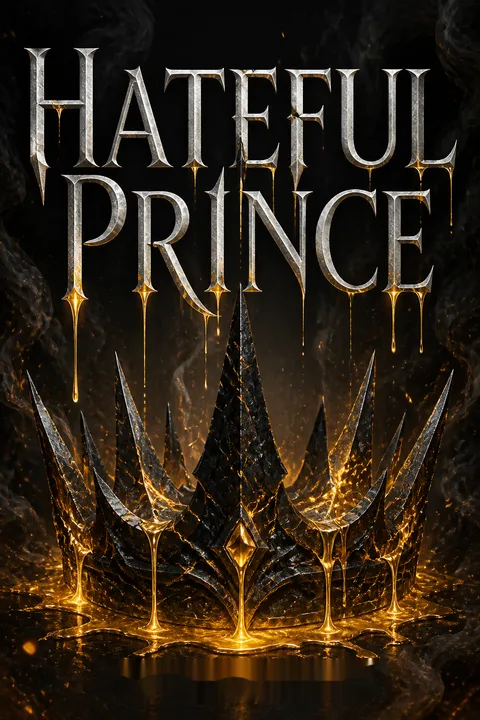
Hateful Prince is a darkly playful, emotionally charged exploration of trauma, love, and the supernatural, blending romance, horror, and metafiction into a narrative that is both intimate and epic. At its heart, the novel is about the struggle for agency—over one's body, mind, and destiny—in a world that seeks to define, confine, and consume. The polyamorous dynamic is not just titillation but a meditation on the power of chosen family, the necessity of communication, and the courage required to love deeply and imperfectly. Therapy and self-reflection are not afterthoughts but central to the characters' survival, offering a model of healing that is messy, nonlinear, and communal. The supernatural elements—necromancy, reincarnation, madness—are both literal and symbolic, externalizing the internal battles of the characters and raising the stakes to cosmic proportions. The story refuses easy answers, embracing ambiguity, contradiction, and the reality that love is both the greatest risk and the only hope in the face of apocalypse. In the end, Hateful Prince is a celebration of resilience, the refusal to be defined by one's wounds, and the transformative power of love, laughter, and a well-timed therapy session.
Review Summary
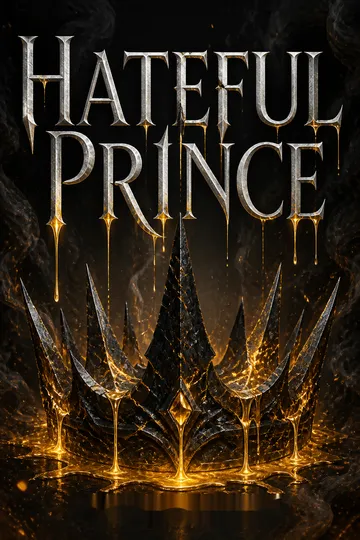
Hateful Prince is the third book in The Mate Games: Death series by K. Loraine and Meg Anne. Readers praise the character development, plot twists, and steamy romance between Dahlia and her four paranormal mates. The full-cast audiobook narration receives high marks. Many reviewers appreciate the humor and crossover appearances from other series characters. While some criticize the pacing and repetitive elements, most fans eagerly anticipate the final installment. The book ends on a cliffhanger that leaves readers excited for the conclusion.
People Also Read
Characters
Dahlia Moore
Dahlia is the emotional and narrative center of the story—a woman marked by trauma, gifted with the ability to see and command the dead, and thrust into a world of supernatural politics and polyamorous love. Her relationships with her four mates are both a source of strength and a crucible for her insecurities: she fears being a replacement, a burden, or a danger to those she loves. Therapy is her lifeline, helping her process her past and embrace her power. Dahlia's journey is one of self-acceptance, agency, and the refusal to be defined by her wounds. Her necromancy is both a metaphor for her ability to confront the past and a literal weapon against those who would use her. She is fiercely loyal, deeply empathetic, and, by the end, a force to be reckoned with.
Hades / Cain Alexander
Hades is both ancient and wounded, his love for Dahlia (Persephone) spanning lifetimes and fueling his every action. His power is immense, but his vulnerability is raw—he fears losing her again, being forgotten, or becoming the villain in her story. His journey is one of humility, learning to respect Dahlia's autonomy and the bonds she forms with others. Hades's shadows are both a weapon and a shield, his true name a source of both power and pain. His relationship with Asshole/Cerberus is a rare source of levity and grounding. Hades's arc is about learning to love without possession, to fight for rather than over his beloved, and to accept that destiny is not a straight line.
Tor Nordson
Tor is the embodiment of primal masculinity—fierce, possessive, and deeply wounded. His struggle is with control: the beast within him is both a source of strength and a threat to those he loves. Therapy, love, and the bonds of polyamory force him to confront his vulnerabilities and learn to share, trust, and communicate. His relationship with Dahlia is both tender and tempestuous, marked by moments of violence, humor, and deep connection. Tor's arc is about finding balance, embracing both the man and the monster, and learning that true strength lies in vulnerability.
Malakai Nash
Kai is torn between duty and desire, his dragon nature both a blessing and a curse. He fears losing control, hurting those he loves, or being forced to abandon them for the responsibilities of the Shadow Court. His relationship with Dahlia is marked by gentleness, devotion, and a willingness to put her needs above his own. Kai's journey is about embracing his true self, finding harmony with his dragon, and learning that love is not a weakness but a source of power. His transformation into a full dragon is both a literal and symbolic acceptance of his destiny.
Caspian Hook
Caspian is the wild card—charming, irreverent, and increasingly unhinged. His madness is both a curse and a connection to the mythic Neverland, his fate tied to the survival of fairy tales themselves. His love for Dahlia is both salvation and obsession, her presence the only thing that quiets the ticking clock and the whispers in his mind. Caspian's arc is about confronting his fears, accepting help, and learning that vulnerability is not the same as weakness. His humor masks deep pain, and his bravado is both a shield and a cry for help.
Dr. Elizabeth Masterson
Masterson is both guide and gatekeeper, her therapy sessions a lifeline for the residents of Blackwood. She is compassionate, insightful, and unafraid to challenge her patients—or herself. Her own secrets and powers are hinted at, and her role as both healer and jailer is fraught with ethical dilemmas. Masterson's arc is about the limits of control, the necessity of trust, and the importance of community in healing trauma.
Dr. Nathaniel Temperance / Brother Sam
Temperance is the story's human face of evil—a man who hides behind a mask of professionalism while orchestrating ritual murders. His connection to Dahlia's past is personal and sadistic, blaming her for his own crimes and seeking to complete the work her father began. His arc is one of obsession, delusion, and the ultimate failure of evil to destroy what it cannot understand.
Asshole / Cerberus
Asshole is both a literal and figurative guardian, his true identity as Cerberus hidden beneath the guise of a mischievous dog. His relationship with Hades is both grounding and hilarious, providing moments of levity and wisdom. Asshole's arc is about loyalty, sacrifice, and the importance of small acts of kindness in a world of chaos.
Moira Belladonna
Moira is the key to the ritual that traps Blackwood's residents, her discovery of the truth a turning point in the story. She is sharp, irreverent, and unafraid to challenge authority. Her arc is about responsibility, the courage to break with tradition, and the power of collective action to undo injustice.
Sorcha Blackthorne
Sorcha is both ally and antagonist, her presence a reminder of the dangers and complexities of supernatural politics. Her history, power, and connections to other key players make her a wildcard in the unfolding drama. Sorcha's arc is about survival, loyalty, and the cost of power.
Plot Devices
Session Transcripts and Therapy
The story is structured around session transcripts and therapy sessions, providing both exposition and psychological depth. These transcripts serve as a Greek chorus, commenting on the action, revealing secrets, and highlighting the thin line between sanity and madness. Therapy is both a narrative device and a thematic core, exploring trauma, healing, and the limits of control.
Polyamory and Fated Mates
The polyamorous dynamic is central, with each mate unlocking new powers, insights, and vulnerabilities in Dahlia. The bonds are both literal (magical) and emotional, creating a web of relationships that are both supportive and fraught with jealousy, insecurity, and the need for communication. The fated mates trope is subverted and deepened, exploring the realities of love, consent, and the messiness of desire.
Reincarnation and Memory
Hades and Dahlia's relationship is shaped by reincarnation, forgotten memories, and the pain of loving someone who does not remember you. The tension between destiny and agency is explored through dreams, flashbacks, and the gradual unveiling of true names and identities.
Madness and Metafiction
Caspian's madness, the ticking clock, and the whispers are both symptoms of his curse and a metafictional commentary on the nature of stories, fairy tales, and the power of narrative. The boundaries between reality and fantasy are porous, and the story plays with genre conventions, breaking the fourth wall and inviting the reader to question what is real.
Necromancy and Ghosts
Dahlia's powers evolve from passive mediumship to active necromancy, raising the dead and commanding spirits. Ghosts are both literal threats and metaphors for trauma, memory, and the unfinished business of the past. The raising of the dead is both a plot device and a symbol of reclaiming agency and confronting what haunts us.
Rituals, Compulsion, and Captivity
The ritual at the heart of Blackwood is revealed to be a compulsion spell, trapping residents and denying them agency. The struggle to break free is both literal and metaphorical, mirroring the characters' battles with trauma, destiny, and the systems that seek to control them.
Apocalypse and Cosmic Stakes
The story's climax reveals that the struggles of the characters are part of a larger, cosmic game—the apocalypse orchestrated by Hel and the Horsemen. The personal becomes universal, and the stakes are nothing less than the end of the world. The narrative structure weaves together intimate moments and epic battles, grounding the supernatural in the deeply human.
The Mate Games: Death Series

About the Author
Download PDF
Download EPUB
.epub digital book format is ideal for reading ebooks on phones, tablets, and e-readers.








































