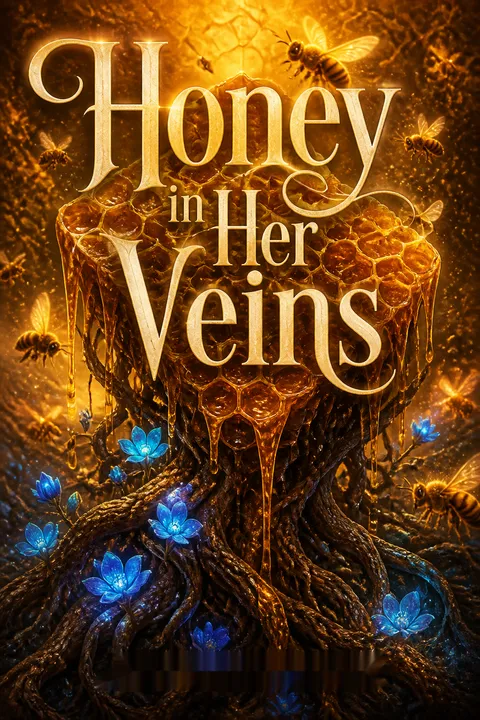

Plot Summary
Blood on the Hearth
The story opens with Arthur, haunted by the monster in his head, desperately burning bloodied clothes after a traumatic, violent event. The monster, a chilling presence, steadies his hands and offers comfort, but also threatens to consume him. Jack, the honeyman, returns home wounded, something unnatural writhing in his chest, soothed only by secret honey. Arthur, unable to touch or help, is forced to retreat, his sense of self fractured. The monster's voice is both a balm and a threat, promising relief if Arthur surrenders. In the aftermath, Arthur makes a fateful call, setting in motion a return to the Moreau family and the mountain that shaped him, even as the monster whispers that it could be his only home.
The Return of Ashes
Eight years later, Eva Moreau tends her family's bees and magic, her life entwined with her father's mysterious illness and her sister Izzy's protective presence. The arrival of Charlotte Connoway's ashes—Arthur's mother—upends the fragile peace. Eva's father, Jack, insists on honoring an old promise to scatter the ashes on their land, a ritual that stirs Eva's resentment and dread. The news that someone must deliver the ashes—likely Arthur—reopens wounds Eva has tried to bury. The air is thick with the sense of an approaching storm, both literal and emotional, as Eva braces for the return of the boy who broke her heart and the secrets that will follow.
Old Wounds, New Roots
Arthur drives back to Audrey, Pennsylvania, carrying his mother's ashes and the monster's taunting voice. The land is haunted by memories of his youth, his tattoos a map of pain and longing. A flat tire forces him to walk the last stretch, honey sticks his only sustenance. Arriving at the Moreau farm, he is drawn to the greenhouse—Eva's domain—before being discovered by Eva and Izzy. The reunion is raw and awkward, the past alive in every glance. When Arthur accidentally spills his mother's ashes, the moment is both comic and tragic, underscoring the unresolved tension and the deep, unhealed wounds between him and Eva.
Death-Touched and Honey-Kissed
The Moreau family's magic is woven through their daily life, from honey harvesting to healing teas. Eva's gift brings life, while Arthur's brings death—a touch that withers. Their reunion is fraught: Eva is angry, Arthur is haunted, and Jack's illness is worsening. The ritual of telling the bees about Charlotte's death becomes a moment of reckoning, forcing Arthur to confront his grief and the monster's hunger. The family's warmth is a balm, but Arthur feels like an outsider, his monstrous secret always threatening to surface. The tension between life and death, healing and harm, is embodied in every interaction.
The Monster Within
Arthur's internal battle with the monster intensifies. The monster offers numbness and relief, but at the cost of agency and morality. Flashbacks reveal Arthur's childhood, his mother's neglect, and the origins of the monster—a coping mechanism turned parasite. The Moreaus' acceptance is contrasted with Arthur's self-loathing and fear of hurting those he loves. The monster's presence is both protective and predatory, blurring the line between Arthur's desires and its own. The struggle culminates in moments of lost control, where Arthur becomes a passenger in his own body, the monster's actions leaving real-world scars.
Secrets in the Soil
The mountain holds secrets: Jack's mysterious tree, Eva's wild magic, and the legacy of the spirit in the woods. Lenny Walker, a local menace, threatens Eva, his obsession and violence a shadow over her life. The past is unearthed through letters, journals, and hidden honey, revealing connections between the Moreaus and Charlotte Connoway. The spirit of the wood, once freed by Jack, now haunts the forest, demanding a price for the magic stolen from her meadow. The land itself becomes a character, alive with roots, flowers, and the memory of old bargains.
The Tithe and the Tree
Jack's body is being overtaken by a tree—a tithe for the magic he used to save a life. The honey from the mountain meadow, infused with the power of rare blue flowers, grants healing but demands a cost. Arthur, desperate to help, seeks the same honey, knowing it may doom him to Jack's fate. The monster is both drawn to and repelled by the magic, sensing its own end in the promise of healing. The family's history is revealed as a cycle of sacrifice and rebirth, each generation paying for the gifts they wield.
The Sins of Summer
Flashbacks to the summer eight years ago reveal the blossoming love between Arthur and Eva, their tentative exploration of touch and trust. Their happiness is shattered by Lenny's assault on Eva and the community's refusal to believe her. Arthur's attempt to protect her leads to violence, the monster's intervention nearly killing Lenny. The trauma of that night, culminating in a deadly confrontation at the chapel, leaves scars on everyone involved. The monster's hunger for justice and Arthur's guilt become inseparable, binding them together in a cycle of pain.
The Chapel's Shadow
The wedding night at the chapel ends in blood: Dane Walker is killed, Eva's magic runs wild, and Arthur's monster takes over. In the chaos, Jack sacrifices his own body to save Dane, using the last of the magical honey. The aftermath is a blur of panic, cover-ups, and flight. Arthur and Eva are forced to run, their love poisoned by guilt and fear. The monster becomes Arthur's only companion, its cold comfort the only thing keeping him alive as he exiles himself from the only home he's ever known.
The Breaking and the Bloom
In the present, Arthur and Eva's quest for the healing honey leads them deep into the mountain, pursued by Lenny and haunted by the spirit of the wood. The land itself turns against them: their supplies vanish, the ground opens up, and roots attack. Eva is wounded, Arthur's infection worsens, and the monster's control grows. The struggle for survival becomes a crucible, forcing Arthur and Eva to confront their fears, their love, and the true nature of the magic that binds them. The breaking of bodies and hearts is matched by the wild bloom of new life and possibility.
The Wildwood's Spirit
The spirit of the wood, revealed as Charlotte Connoway, demands the fulfillment of old promises and the payment of old debts. Arthur must face his mother's legacy, the monster's origins, and the truth of his own power. Eva, too, must reckon with her anger, her grief, and her capacity for forgiveness. The confrontation is both magical and deeply human, a reckoning with the wounds that have shaped them. The spirit's demand for the telling of the bees becomes a ritual of release, allowing the dead to rest and the living to move forward.
The Price of Healing
In a final act of love and desperation, Arthur consumes the magical honey, accepting the tithe and the risk of becoming like Jack. The monster, for the first time, chooses to step aside, allowing Arthur to heal Eva at the cost of his own body. The act is both a resurrection and a transformation, granting Arthur new powers but also binding him to the land and its ancient bargains. The price of healing is steep, but it is paid willingly, a testament to the power of love and the possibility of redemption.
The Sinking House
The Moreau cottage, symbol of family and sanctuary, is swallowed by the earth, a physical manifestation of the upheaval in their lives. The family is forced to seek shelter with the Walkers, old wounds and new alliances forming in the aftermath. Isobel's struggles with addiction and love come to the fore, her relationship with Dane deepening as they face the future together. The loss of the house is both an ending and an opportunity, a chance to rebuild not just walls but relationships and selves.
The Meadow's Gift
Arthur and Eva, now changed by magic and ordeal, find the wild hive and the last of the healing honey. The act of gathering it is both dangerous and sacred, a final test of their courage and trust. The honey's power is real, but so is its cost. The meadow, once a place of loss and longing, becomes a site of renewal and hope. The bees, ever-present witnesses, are told of the passing of the dead, and the cycle of life continues. The gift of the meadow is not just healing, but the promise of a future.
The Gun and the Hive
Lenny's pursuit ends in violence: a gunshot meant for Arthur strikes Eva instead. The monster, desperate and grieving, bargains with the spirit of the wood to save her, accepting the final dissolution of its own power. The act of healing is both a miracle and a surrender, allowing Arthur to reclaim his body and his life. Lenny flees, his fate uncertain, while Arthur and Eva are rescued and brought back to the world of the living. The cost of forgiveness is high, but it is paid in full.
Resurrection and Reckoning
In the aftermath, Arthur and Eva return to a changed world: the cottage gone, the family scattered, but the possibility of rebuilding alive. The truth of the past is finally spoken—secrets confessed, wounds acknowledged, and forgiveness offered. Isobel and Dane find their own path to love and healing, their family expanded by choice and resilience. The monster, once a source of pain, is now a memory, its lessons woven into Arthur's new life. The telling of the bees marks the end of mourning and the beginning of hope.
The Rebuilding of Home
One year later, the families gather on the mountain, the scars of the past visible but no longer defining. Arthur and Eva, now partners in life and magic, have learned to live with their gifts and their wounds. The rebuilt home is not the same as the one they lost, but it is theirs, grown from the soil of forgiveness and love. The bees hum, the wildflowers bloom, and the promise of summer endures. The story ends not with an ending, but with the ongoing work of living, loving, and choosing hope.
Analysis
A modern fable of trauma, healing, and the messy work of hopeHoney in Her Veins is a lush, emotionally charged novel that uses the language of folklore and fantasy to explore the realities of trauma, mental illness, and the long road to healing. At its heart, the book is about the ways we carry our wounds—sometimes as monsters, sometimes as gifts—and the courage it takes to choose life, connection, and hope in the aftermath of pain. The dual magic of life and death is a metaphor for the push and pull of depression and recovery, the temptation of numbness versus the risk of feeling. The land, the bees, and the rituals of the Moreau family root the story in a sense of place and tradition, while the nonlinear narrative and shifting perspectives invite readers to inhabit the characters' fractured, yearning minds. The novel's ultimate message is one of radical hope: that even the most broken among us can find belonging, that love is an ecosystem requiring care and sacrifice, and that every small act of healing—like a bee's teaspoon of honey—matters. In a world that often feels overwhelming, Honey in Her Veins offers a vision of resilience, forgiveness, and the slow, stubborn work of growing something beautiful from the ruins.
Review Summary
Honey in Her Veins receives praise for its atmospheric, lyrical prose and original magic system contrasting Arthur's death-touch with Eva's life-giving plant magic. Readers love the emotional depth, second-chance romance, and the compelling "monster within" metaphor for mental health. Common criticisms include pacing issues in the middle, unanswered questions about the magic's origins, and some finding the worldbuilding inconsistent. The side romance between Isobel and Dane divides readers. Most reviewers highlight the stunning writing as the book's greatest strength, with many calling it an exciting debut.
People Also Read

Characters
Arthur Connoway
Arthur is a young man marked by trauma, abandonment, and a supernatural curse: his touch brings death, and a monstrous presence lives in his mind. His childhood was shaped by his mother's neglect and constant movement, leaving him desperate for belonging. The Moreau family offers him sanctuary, but his fear of hurting them—and the monster's influence—drives him away. Arthur's journey is one of self-acceptance, learning to live with his darkness rather than be ruled by it. His love for Eva is both a source of hope and pain, and his eventual willingness to sacrifice for her marks his transformation from exile to healer. The monster, once his tormentor, becomes a part of him he learns to integrate, choosing life and connection over numbness and isolation.
Eva Moreau
Eva is the heart of the Moreau family, her magic coaxing life from the soil and her bees. She is both healer and survivor, shaped by the loss of her mother, her father's illness, and the trauma of assault and betrayal. Eva's relationship with Arthur is central: she loves him fiercely but is deeply hurt by his abandonment and the secrets he keeps. Her journey is one of reclaiming agency, learning to forgive without forgetting, and choosing to love even when it means risking pain. Eva's magic is both a gift and a burden, her emotions blooming into wildflowers or thorns. By the end, she is transformed—not fragile, but resilient, her love a force that heals and endures.
The Monster
The monster is both a supernatural entity and a psychological manifestation of Arthur's pain, loneliness, and need for protection. It offers numbness, strength, and sometimes violence, but at the cost of Arthur's agency and relationships. The monster's voice is seductive, sometimes loving, sometimes cruel, always hungry. Over time, it becomes clear that the monster is not evil, but a coping mechanism gone awry—a part of Arthur that wants to help but doesn't know how to heal. Its final act of stepping aside to let Arthur save Eva is both a sacrifice and a reconciliation, allowing Arthur to become whole.
Jack Moreau
Jack is the patriarch of the Moreau family, a gentle giant whose magic is rooted in the land. His body is overtaken by a tree—a tithe for the magic he used to save a life. Jack is both wise and flawed, keeping secrets to protect his family but sometimes causing pain in the process. His relationship with Eva and Izzy is nurturing, and his acceptance of Arthur is transformative. Jack's journey is one of sacrifice, humility, and the willingness to let go, trusting his children to carry on the legacy of healing and hope.
Isobel (Izzy) Moreau
Izzy is Eva's older sister, the responsible one who holds the family together through crisis and loss. Her struggles with addiction and self-worth are often hidden behind humor and competence. Izzy's relationship with Dane Walker is a slow-burning romance, marked by mutual care and the challenge of blending families. She is fiercely loyal, sometimes to a fault, and her journey is one of learning to accept help, forgive herself, and choose vulnerability over control.
Dane Walker
Dane is a lawman haunted by the events of the chapel and his complicated relationship with his brother Lenny. His sense of duty is both a strength and a weakness, sometimes blinding him to the harm caused by those he loves. Dane's romance with Isobel is a source of healing, but his need for answers about the past drives much of the plot. His eventual acceptance of the truth—and his willingness to forgive—marks his growth from enforcer to partner and father.
Lenny Walker
Lenny is a deeply damaged man whose violence and obsession with Eva drive much of the conflict. He is both abuser and abused, his actions shaped by jealousy, entitlement, and a desperate need for control. Lenny's inability to change or accept responsibility leads to his downfall, his fate left ambiguous but his legacy of harm undeniable. He is a cautionary figure, a reminder of the cost of unacknowledged pain.
Charlotte Connoway / Spirit of the Wood
Charlotte is both Arthur's mother and the spirit haunting the mountain, her legacy a tangled web of love, neglect, and supernatural bargains. In life, she was flighty and unreliable; in death, she becomes a force demanding payment for the magic stolen from her meadow. Her relationship with Arthur is fraught, her final act one of both vengeance and release. She embodies the story's themes of inheritance, forgiveness, and the cost of power.
Bug (the kitten)
Bug is a small gray kitten adopted by Eva and Arthur during their ordeal. Her survival and affection become a symbol of hope and the possibility of new beginnings. Arthur's ability to touch her without harm marks his transformation and the integration of his monstrous side.
The Bees
The bees are both literal and symbolic, their presence marking moments of transition, healing, and loss. They are the keepers of memory, the bridge between life and death, and the silent witnesses to the family's rituals and transformations. Telling the bees becomes a way of honoring the dead and embracing the future.
Plot Devices
Dual Magic: Life and Death
The central plot device is the duality of magic: Eva's gift brings life, Arthur's brings death. Their powers are both blessing and curse, shaping their identities and relationships. The magic is rooted in the land, inherited through bargains with the spirit of the wood, and always comes with a price—the tithe, the tree, the monster. The interplay of their gifts drives the plot, from healing wounds to causing harm, and ultimately to the act of resurrection that transforms them both.
The Monster as Internal and External Conflict
The monster is both a supernatural entity and a psychological manifestation, blurring the line between fantasy and mental health. Its presence creates tension, suspense, and moments of horror, but also serves as a lens for exploring trauma, agency, and self-acceptance. The shifting control between Arthur and the monster is mirrored in the narrative structure, with chapters from the monster's perspective and moments where Arthur is a passenger in his own life.
Nonlinear Narrative and Flashbacks
The story moves between past and present, using flashbacks to the summer eight years ago to reveal the origins of the characters' wounds and relationships. The nonlinear structure allows for gradual revelation of secrets, deepening the emotional impact and building suspense. The past is always present, shaping the characters' choices and the unfolding of the plot.
Rituals and Folklore
Rituals—both magical and mundane—anchor the narrative, from the telling of the bees to the scattering of ashes and the brewing of healing teas. Folklore and family stories are woven throughout, providing both comfort and warning. The rituals serve as moments of connection, transition, and healing, grounding the supernatural elements in lived experience.
The Land as Character
The mountain, the meadow, and the forest are not just settings but active participants in the story. The land responds to magic, emotion, and violence, sometimes nurturing, sometimes punishing. The sinking house, the attacking roots, and the blooming wildflowers all reflect the characters' inner states and the consequences of their actions. The land's demands—its tithes and bargains—shape the plot and the characters' fates.
Redemption and Second Chances
The narrative structure is built around the possibility of redemption: for Arthur, for Eva, for Jack, for Isobel, and even for the monster. Second chances are hard-won, requiring confession, sacrifice, and the willingness to change. The rebuilding of the home, the healing of relationships, and the integration of the monstrous self are all expressions of this theme.
Download PDF
Download EPUB
.epub digital book format is ideal for reading ebooks on phones, tablets, and e-readers.








































