Key Takeaways
1. Embrace your inner "weirdo" and reframe your perceived flaws as unique strengths
In a world full of wannabe lions, don’t be afraid to love your inner hippo.
Reframe your flaws. We often judge ourselves by impossible standards, comparing our messy realities to other people's polished highlights. Instead of hiding your quirks, learn to embrace them as sources of strength and character. The insecurities we carry about our external appearance or internal struggles can keep us from living fully, but reframing these traits allows us to see our inherent value.
Find the magic. Accepting your imperfections is the first step, but transforming them into something you adore is where true healing begins. For example, the author covered water damage on her bookstore's ceiling with an Alice in Wonderland white rabbit sticker, turning a structural eyesore into a beloved, whimsical feature. By leaning into the flaw, she created a point of connection and joy for visitors.
Unleash your power. You do not need to conform to societal expectations to be valuable or successful. Consider these truths:
- Hippos look like clumsy water babies but are actually deadly, vegetarian powerhouses.
- Your unique eccentricities make you dangerous and effective in the best possible way.
- You have absolutely nothing to prove to anyone but yourself.
2. Combat imposter syndrome by accepting that perfection is an illusion
You don’t have to be perfect to be brilliant. You just have to be perfectly you.
Expose the fraud. Imposter syndrome is the persistent, irrational fear that your success is a fluke and that you will eventually be exposed as a fraud. This self-doubt is immune to logic and often intensifies the more successful you become. Recognizing that this voice is a common psychological trap can help you disarm its power over your life.
Normalize the struggle. Even history's most celebrated figures struggled with preparation and confidence. Sigmund Freud once admitted to delivering a lecture completely unprepared, relying entirely on cocaine to project an illusion of competence. Understanding that everyone is, to some degree, "faking it" can alleviate the pressure to be flawless.
Value your voice. Your unique perspective is your greatest asset, and trying to mimic others only dilutes your impact. Remember:
- Compassionate, self-aware people are naturally prone to self-doubt.
- The world does not need flawless masterpieces; it needs authentic human connection.
- Your work is not a direct measure of your inherent human worth.
3. Manage anxiety and panic attacks using sensory grounding and physical resets
An anxiety attack is not a failure. Keep breathing. You’ll get through this.
Ground your senses. When panic strikes, your brain misinterprets normal physiological signals as existential threats. You can interrupt this emotional spiral by using intense sensory inputs to shock your nervous system back into the present moment. This cognitive disruption prevents the brain from escalating a minor physical symptom into a full-blown panic attack.
Reset your body. Simple physical adjustments can signal to your brain that you are safe. The author recommends "belly breathing" (diaphragmatic breathing) to expand the lungs, alongside physical releases like dropping your shoulders and unclenching your jaw. Pressing the tip of your tongue to the roof of your mouth is a quick trick to relax a tight jaw.
Use quick hacks. Keep a toolkit of immediate physical interventions ready for high-stress moments:
- Sucking on super-sour candy (like Warheads) to jolt your senses.
- Sniffing strong essential oils, such as peppermint, to anchor your focus.
- Drinking a cold glass of water to combat anxiety-inducing dehydration.
4. Actively fight the lies of depression by cultivating intentional joy and gratitude
Depression lies. You are worthwhile. You are important.
Recognize the deception. Depression is a cunning illness that actively erases your memories of happiness, leaving you feeling empty and paralyzed. To fight back, you must consciously collect and document the things that bring you comfort. Keeping a physical list of joy-starters ensures you have a reference point when your brain is too tired to think.
Practice structured gratitude. The "Rose, Rose, Thorn, Bud" exercise is a powerful tool for reframing your daily experience. By identifying two positive moments (roses), one struggle (thorn), and one thing to look forward to (bud), you train your brain to seek out light in the darkness. This simple nightly ritual fosters resilience and communication with loved ones.
Build a life raft. Create a personalized "soundtrack of joy" and a physical list of happiness kick-starters to reference when you are struggling. These might include:
- Listening to specific mood-altering playlists or natural birdsong.
- Engaging in low-stakes creative play, like coloring or puzzles.
- Scheduling small, comforting rituals like hot baths or eating a favorite childhood treat.
5. Build a supportive community of fellow misfits to ease isolation
We are weirdos and we are legion.
Find your people. True connection comes from vulnerability and the courage to share your messy, authentic self. Building a community is not about professional networking; it is about finding people who make you feel safe enough to let your guard down. When we share our struggles openly, we realize we are far from alone in our strangeness.
Leverage digital spaces. If face-to-face socializing feels overwhelming, online communities can offer a low-pressure alternative. The author utilizes silent Zoom writing groups to work alongside strangers, breaking the isolation of creative work without the pressure of small talk. Just seeing others typing or creating on screen can dissolve creative blocks.
Cultivate your team. Surround yourself with a diverse group of trusted peers, such as "beta readers," who can offer honest feedback and encouragement. A healthy support system should:
- Offer constructive, sensitive critiques of your work and life choices.
- Celebrate your progress and remind you of your worth when you doubt yourself.
- Respect your boundaries and allow you to show up exactly as you are.
6. Set boundaries and embrace the power of saying "no" to protect your energy
“I must decline, for secret reasons.”
Protect your spoons. The "spoon theory" explains that people with chronic illness or mental health struggles wake up with a limited amount of daily energy (spoons). Every task, from showering to socializing, costs a spoon, meaning you must budget your energy carefully. Learning to say no is not selfish; it is a necessary survival strategy to avoid burnout.
Normalize the exit. You do not owe anyone an elaborate explanation for protecting your peace. The author champions the "Irish goodbye"—leaving a social gathering without a formal, exhausting farewell—as a highly efficient tool for managing social anxiety. It saves hours of awkward small talk and preserves your remaining energy.
Reclaim your time. Saying no to others is an act of saying yes to your own well-being. When you feel overwhelmed, try these boundary-setting strategies:
- Placing yourself in "airplane mode" to recharge without accepting new inputs.
- Using mysterious, polite refusals to decline invitations without guilt.
- Remembering that pleasing everyone is an impossible and dangerous standard.
7. Tame ADHD and distraction with practical, low-friction brain hacks
Sometimes something that looks flawed is actually fine. Just different.
Manage brain lag. ADHD often manifests as executive dysfunction, time blindness, and a paralyzing inability to transition between tasks. Rather than fighting your brain's natural wiring, design external systems to accommodate your cognitive quirks. Accepting that your brain operates differently allows you to work with it rather than against it.
Use visual cues. Physical reminders can bridge the gap when your working memory fails. The author uses colored scrunchies on her wrists to remember daily tasks and wraps hair ties around her phone to disrupt mindless, compulsive scrolling. These tactile speedbumps force conscious awareness back into automatic behaviors.
Optimize your environment. Tailor your workspace to minimize sensory overload and maintain focus. Helpful strategies include:
- Listening to colored noise (like pink or gray noise) to drown out distracting ambient sounds.
- Utilizing "body-doubling" by working alongside someone else to stay anchored.
- Allowing yourself "driveway moments" to sit quietly and transition between tasks.
8. Overcome creative paralysis by starting small and working on "easy mode"
Working on easy mode is still working.
Lower the stakes. Creative blocks are often fueled by the fear of making mistakes or producing bad art. To bypass this paralysis, give yourself permission to create terrible first drafts and work under highly simplified conditions. Lowering your expectations bypasses the brain's threat-detection system, allowing the creative flow to return.
Break it down. When a project feels insurmountably massive, focus exclusively on the next ten minutes. The author uses the "telescope method" to isolate a single, tiny aspect of her work, ignoring the overwhelming scope of the larger horizon. This prevents the inertia that comes from looking too far ahead.
Trick your brain. Use unconventional methods to get your ideas out of your head and onto the page. Try these low-friction creative hacks:
- Using your phone's voice-to-text transcriber while walking to bypass the blank page.
- Embracing the "amateur" mindset, creating purely for the love of the process.
- Writing down ideas on index cards to visually track and manipulate your progress.
9. Prioritize restorative self-care and treat yourself with the kindness you show others
“Almost nothing in nature blooms all the year round…why would you expect yourself to?”
Wash your brain. True self-care is not a luxury; it is a biological necessity. Deep sleep acts as a literal washing machine for your brain, flushing out metabolic waste and toxins that accumulate during waking hours. Prioritizing rest is an active investment in your mental clarity and emotional stability.
Seek natural wonder. Engaging with nature and animals is a scientifically proven method for reducing stress and anxiety. The author advocates for "Weird Walks," where the sole objective is to search for strange, whimsical, or beautiful details in your neighborhood. This practice grounds you in the present and cultivates a sense of awe.
Practice self-compassion. We are often far harsher to ourselves than we would ever be to a friend or a child. To cultivate a gentler inner dialogue, try these daily exercises:
- Taping a childhood photo of yourself to your computer to remind you who you are talking to.
- Spending time socializing shelter animals or watching local wildlife.
- Giving yourself permission to rest without guilt during fallow seasons.
10. Celebrate micro-victories to build momentum and reclaim your agency
Don’t base your self-worth on someone else’s idea of productivity.
Mark your wins. When you struggle with mental illness, simply surviving the day is a massive achievement. Reclaim your agency by actively celebrating small, daily victories that others might take for granted. Acknowledging these moments trains your brain to focus on progress rather than perceived failures.
Host micro-celebrations. A micro-celebration is a brief, intentional pause to acknowledge a completed task. Whether it is a three-minute solo dance party after answering emails or making a special toast to yourself, these moments build positive neural pathways. They turn the mundane struggle of daily life into a series of small triumphs.
Reclaim your narrative. Your life does not have to fit into a traditional, linear mold to be successful and meaningful. Remember:
- Every small step forward is a victory worth recognizing.
- You are allowed to define productivity on your own terms.
- Celebrating your survival is a radical act of self-love and rebellion.
I confirm that I have written detailed takeaways for ALL 10 key takeaways in the format requested.
Review Summary
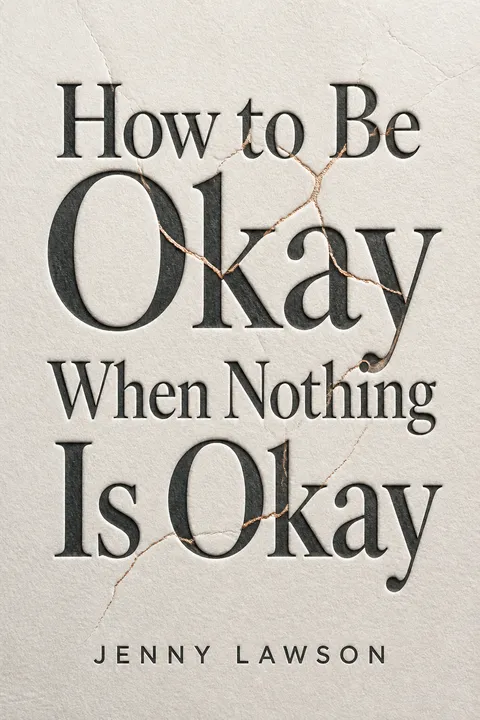
Most readers who enjoy Jenny Lawson's previous work find How to Be Okay When Nothing Is Okay a warm, humorous, and validating read, particularly for those dealing with anxiety, depression, or ADHD. Fans appreciate her trademark dark humor, personal anecdotes, and doodles woven into practical self-help strategies. However, some longtime followers feel the book leans too heavily into self-help territory, missing the deeper memoir-style storytelling they loved before. Overall, it resonates strongly with neurodivergent readers seeking comfort and community, while others may prefer her earlier, more narrative-driven works.
Download PDF
Download EPUB
.epub digital book format is ideal for reading ebooks on phones, tablets, and e-readers.








































