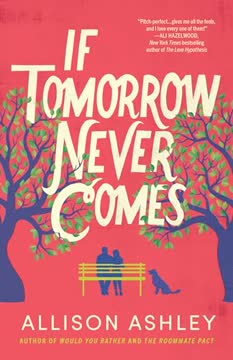
Plot Summary
Last Night Before Everything
On the eve of a life-threatening bone marrow transplant, Elliott Holland refuses to let fear define her. She escapes her hovering family for one last night of freedom, determined to be more than just a cancer patient. In a vibrant Omaha bar, she meets Jamie, a charming stranger with a dimpled smile and a penchant for playful debate. Their banter over cheesecake's true identity is a welcome distraction from the looming uncertainty. Elliott's vulnerability is palpable, but so is her hunger for life. This night, she decides, will be about laughter, connection, and a taste of something sweet—before the hospital gown and the fight for survival begin anew.
A Stranger Named Jamie
Jamie, stood up by a date, finds himself drawn to Elliott's wit and warmth. Their conversation flows effortlessly, revealing shared quirks and hidden depths. Jamie's easy humor and genuine curiosity coax Elliott out of her shell, allowing her to momentarily forget the shadow of illness. When he invites her to a baking class, she surprises herself by saying yes. For one night, they are simply two people, not defined by past or prognosis. The chemistry between them is undeniable, and as they whisk and laugh their way through soufflé, both sense that this fleeting encounter could mean more than either expected.
Soufflé and Secrets
In the kitchen, Elliott and Jamie's playful banter deepens into something more intimate. They share secrets—Jamie's love of flowers, Elliott's sense of being misunderstood. Vulnerability draws them closer, culminating in a gentle, electric kiss outside her hotel. Yet, when Jamie invites her home, Elliott pulls away, haunted by the reality of her impending treatment. They spend hours talking under the stars, savoring every moment. By dawn, Elliott is gone, leaving Jamie with only memories and unanswered questions. Their night together becomes a bittersweet anchor for both, a reminder of what could have been.
One Night, No Tomorrows
Jamie wakes alone, the magic of the night lingering but unfinished. Elliott, meanwhile, faces the brutal reality of her transplant, clinging to the memory of Jamie's kindness as she endures pain and isolation. Both are changed by their encounter—Jamie searches for her in vain, while Elliott draws strength from the memory during her darkest hours. Their connection, forged in a single night, becomes a quiet undercurrent in their lives, shaping choices and fueling hope even as they move forward separately.
Transplant and New Beginnings
A year later, Elliott emerges from treatment, determined to reclaim her life. She moves to Omaha, seeking independence and a fresh start. Meeting her stem cell donor, Carly, brings gratitude and a sense of possibility. Elliott throws herself into building her graphic design business, making new friends, and navigating the complexities of post-cancer life. Yet, the memory of Jamie lingers, a what-if she can't quite shake. As she steps into the world again, she wonders if she'll ever find that spark—or if it was a once-in-a-lifetime moment.
Unexpected Reunion
At a group outing, Elliott is stunned to find Jamie—now dating Carly, her donor. The shock is mutual, and both scramble to hide their history. The tangled web of relationships is fraught with tension, guilt, and longing. Elliott is drawn into Jamie's orbit through work with his sister's bakery, forcing them into close proximity. Old feelings resurface, but both are determined to respect boundaries. The past and present collide, making it impossible to ignore the connection that still simmers beneath the surface.
Tangled Connections
Elliott and Jamie attempt to be friends, but the line between platonic and romantic blurs. Shared runs, late-night texts, and inside jokes reignite their chemistry. Both struggle with guilt—toward Carly, toward themselves—and the fear of repeating past mistakes. Their growing closeness is complicated by the expectations of those around them and their own unresolved feelings. The question looms: can they truly be just friends, or are they fooling themselves?
The Bakery Web
Elliott's work with Jamie's sister, Blythe, draws her deeper into his family's world. She finds acceptance and support, but also the risk of exposure. Secrets threaten to unravel as mutual friends begin to notice the sparks between Elliott and Jamie. Meanwhile, Jamie grapples with his own family dynamics, haunted by the fear of becoming like his unfaithful father. The bakery becomes a microcosm of their entangled lives—a place of sweetness, mess, and the possibility of something new.
Friendship or Something More
As Elliott and Jamie's friendship deepens, so does their longing. Both date others—Elliott with Stephen, Jamie with Carly—but neither relationship satisfies. Their emotional intimacy grows, marked by small acts of care and moments of vulnerability. The tension between them is palpable, and those around them begin to sense the truth. The weight of unspoken feelings becomes unbearable, forcing both to confront what they truly want.
The Carly Complication
The revelation that Carly, Elliott's donor and Jamie's girlfriend, is the linchpin of their triangle brings everything to a head. When Jamie and Carly break up, Elliott is wracked with guilt, unable to pursue happiness at Carly's expense. Both Jamie and Elliott struggle to move on, haunted by what-ifs and the fear of hurting someone who saved Elliott's life. The past refuses to stay buried, and the cost of honesty becomes painfully clear.
Lines We Cannot Cross
The truth finally comes out—about the night Jamie and Elliott met, about their feelings, about the lies they told to protect Carly. The fallout is messy and painful, but also liberating. Jamie and Elliott must decide if love is worth the risk, even if it means facing judgment and uncertainty. As they tentatively step toward each other, they learn that forgiveness—of themselves and each other—is the only way forward.
Breaking and Mending Hearts
With Carly's blessing and time's passage, Jamie and Elliott allow themselves to be together. Their relationship is marked by joy, passion, and the quiet comfort of true partnership. Yet, the scars of the past linger, and both must learn to trust in the future. When Elliott's health falters again, their bond is tested by fear and the unknown. Together, they discover that love is not about perfection, but about showing up—especially on the hardest days.
The Waiting Game
Elliott's blood counts drop, and the specter of relapse looms. The couple faces a new round of uncertainty, waiting for test results and hoping for a second chance. Jamie's steadfast support becomes Elliott's anchor, even as both grapple with fear and helplessness. The waiting is agonizing, but it also clarifies what matters most: being together, no matter what the future holds.
Running from the Past
As Elliott awaits news about her health, she reflects on the journey that brought her here—the pain, the joy, the people she's loved and lost. Jamie, too, confronts his deepest insecurities, determined not to repeat the mistakes of his father. Together, they find solace in small rituals—runs with Hank, shared books, quiet nights at home. Their love becomes a refuge, a reminder that even in uncertainty, they are not alone.
The Truth Comes Out
When Carly is needed as a donor again, old wounds resurface. Honest conversations bring closure and healing, allowing all three to move forward. Elliott and Jamie's relationship, once fraught with guilt and secrecy, is now built on transparency and trust. They learn that love is not about erasing the past, but about building something stronger in its wake.
Second Chances, Second Cells
With Carly's help, Elliott receives the stem cell boost she needs. The ordeal cements the bond between her and Jamie, who stands by her through every test and tear. Their love, forged in adversity, becomes a source of strength and joy. As Elliott recovers, they dream of a future together—one defined not by illness or fear, but by hope, laughter, and the promise of forever.
Love in the Waiting Room
Elliott and Jamie settle into a new rhythm—work, family, friends, and the simple pleasures of everyday life. They support each other through setbacks and celebrate every victory, big or small. Their love story, once marked by uncertainty and longing, is now a testament to resilience and the power of choosing each other, again and again.
Facing the Unknown Together
Years later, Elliott and Jamie reflect on their journey—the pain, the healing, the unexpected joy. Surrounded by friends, family, and the life they built together, they know that the future is never guaranteed. But together, they are ready for whatever comes, secure in the knowledge that love—messy, imperfect, and fiercely real—is always worth the risk.
Analysis
If Tomorrow Never Comes is a contemporary romance that transcends genre conventions by weaving together themes of mortality, resilience, and the messy, redemptive power of love. At its core, the novel asks what it means to truly live—not just to survive, but to embrace joy, risk, and connection in the face of uncertainty. Elliott's journey from patient to partner is a testament to the human capacity for hope, even after trauma. Jamie's struggle to break free from his father's legacy speaks to the importance of self-awareness and the courage to choose a different path. The novel does not shy away from the ethical complexities of love—gratitude, guilt, and loyalty are all given their due—but ultimately argues that happiness is not a zero-sum game. Forgiveness, both of oneself and others, is essential. The story's emotional arc is grounded in the ordinary—shared meals, dog walks, inside jokes—reminding readers that love is built in the small moments. In a world where tomorrow is never guaranteed, If Tomorrow Never Comes urges us to seize today, to speak our truths, and to love fiercely, even when it's hard. The lesson is clear: life is uncertain, but love—messy, imperfect, and real—is always worth the risk.
Review Summary
If Tomorrow Never Comes receives mostly positive reviews, averaging 3.99/5 stars. Readers praise Allison Ashley's emotionally complex characters, authentic medical representation, and the compelling premise involving a love triangle between Elliott, Jamie, and his girlfriend who donated stem cells to Elliott. Many highlight Jamie as a standout romantic hero and appreciate the balance of humor with serious themes. Common criticisms include pacing issues in the middle, some finding the story forgettable or the conflict resolution too convenient. The chemistry between leads and the golden retriever Hank are frequently celebrated.
People Also Read





Characters
Elliott Holland
Elliott is a young woman whose life has been shaped by cancer—diagnosed as a teen, relapsed in her twenties, and forced to confront mortality far too soon. Her journey is one of survival, but also of reclaiming identity beyond illness. Elliott is introspective, witty, and fiercely independent, yet deeply vulnerable. Her relationships—with her family, best friend Yuka, and especially Jamie—reveal her longing for connection and normalcy. Psychoanalytically, Elliott grapples with fear of abandonment, guilt over happiness, and the challenge of trusting in love after so much loss. Her arc is one of learning to accept joy, to risk her heart, and to believe she deserves a future.
Jamie Sullivan
Jamie is an arborist with a soft heart and a complicated family history. His father's infidelity and emotional distance have left Jamie wary of repeating the same mistakes. He is thoughtful, loyal, and quietly passionate, finding solace in nature and the simple beauty of everyday life. Jamie's relationship with Elliott awakens a depth of feeling he's never known, but also triggers fears of inadequacy and betrayal. His journey is about breaking cycles, embracing vulnerability, and choosing love even when it's messy. Jamie's steadfastness and willingness to grow make him the anchor in Elliott's storm.
Carly
Carly is the woman whose stem cells save Elliott's life—and, by twist of fate, Jamie's girlfriend when Elliott reenters his world. Warm, outgoing, and generous, Carly is the embodiment of grace under pressure. Her role as both savior and obstacle complicates the emotional landscape for all involved. Carly's eventual acceptance and forgiveness are crucial to the healing of the central trio. She represents the possibility of moving on, of letting go, and of choosing happiness for oneself and others.
Yuka
Yuka is Elliott's best friend and emotional lifeline. A fellow cancer survivor, she understands Elliott's struggles in a way few can. Yuka is bold, irreverent, and unafraid to call out bullshit—her loyalty is unwavering, and her humor a balm in dark times. She pushes Elliott to take risks, to live fully, and to believe in her own worth. Yuka's presence is a reminder that chosen family can be as vital as blood.
Blythe
Jamie's older sister Blythe is a grounding force in his life. Practical, nurturing, and perceptive, she sees through Jamie's defenses and offers guidance without judgment. Blythe's own experiences with love and family inform her advice, and her bakery becomes a hub for connection and healing. She is the voice of reason, encouraging both Jamie and Elliott to pursue happiness without fear.
Stephen
Stephen is a photographer and one of Elliott's early Omaha acquaintances. Attractive and kind, he represents the possibility of moving on for Elliott, but their connection never deepens beyond friendship. Stephen's easy acceptance of Elliott's boundaries and his own pursuit of passion highlight the importance of self-knowledge and honesty in relationships.
Jamie's Father (Rick)
Rick is the archetype of toxic masculinity—successful, charismatic, but emotionally unavailable and unfaithful. His influence looms large over Jamie, fueling fears of repeating the same patterns. Rick's presence in the story serves as a foil, highlighting Jamie's determination to forge a different path and to build a relationship rooted in trust and respect.
Jamie's Mother
Though less prominent, Jamie's mother is a source of stability and unconditional love. Her resilience in the face of divorce and her close bond with her children provide a model for healthy relationships. She supports Jamie's choices and offers a safe haven when family tensions run high.
Hank
Jamie's yellow Lab, Hank, is more than just a pet—he is a symbol of comfort, routine, and unconditional love. Hank's presence brings joy and grounding to both Jamie and Elliott, especially during times of anxiety and uncertainty. He represents the healing power of simple, everyday connections.
Keri
Keri is a member of Elliott's cancer support group, offering empathy and understanding born of shared experience. Her friendship helps Elliott process trauma and embrace life beyond survival. Keri's journey parallels Elliott's, reinforcing the importance of community and mutual support.
Plot Devices
Dual Timelines and Perspectives
The novel employs a dual narrative structure, alternating between Elliott and Jamie's perspectives and weaving past and present. This allows readers to experience the intensity of their initial connection, the pain of separation, and the slow, fraught process of reunion. The use of time jumps—especially the year between their first meeting and reunion—heightens suspense and underscores the impact of missed opportunities.
Illness as Catalyst and Obstacle
Elliott's illness is both a literal and metaphorical obstacle—forcing her to confront mortality, shaping her relationships, and testing her capacity for hope. The recurrence of health scares serves as a recurring plot device, bringing characters together and forcing them to reevaluate priorities. Illness is never romanticized, but is depicted with honesty and nuance, highlighting both its brutality and the resilience it demands.
Love Triangle and Ethical Dilemmas
The love triangle between Elliott, Jamie, and Carly is fraught with ethical complexity—Carly is both savior and rival, and the lines between loyalty, gratitude, and desire are blurred. The narrative explores the consequences of secrecy, the pain of honesty, and the challenge of pursuing happiness without causing harm. The triangle is resolved not through betrayal, but through communication, forgiveness, and the passage of time.
Symbolism of Food, Flowers, and Running
Baking, flowers, and running recur throughout the novel as symbols of care, healing, and connection. The baking class is the site of Elliott and Jamie's first real intimacy; flowers represent Jamie's nurturing side and his desire to bring beauty into Elliott's life; running is both a coping mechanism and a metaphor for moving forward. These motifs ground the story in the tangible, making the emotional stakes feel real and lived-in.
Texts, Notes, and Small Gestures
The novel makes frequent use of texts, notes, and small acts of kindness—book exchanges, dog-sitting, surprise flowers—to build intimacy and trust. These plot devices reinforce the idea that love is found in the everyday, not just in grand gestures. They also serve as narrative bridges, moving the story forward and deepening the emotional connection between characters.
Foreshadowing and Circularity
The story is rich with foreshadowing—Elliott's initial fear of not surviving, Jamie's anxiety about becoming his father, the recurring motif of "if tomorrow never comes." The narrative circles back to key moments (the baking class, the first kiss, the trees), creating a sense of destiny and closure. The epilogue's proposal under the oaks brings the story full circle, affirming that love, though hard-won, is enduring.








































