
Plot Summary
Blue Moon Whispers
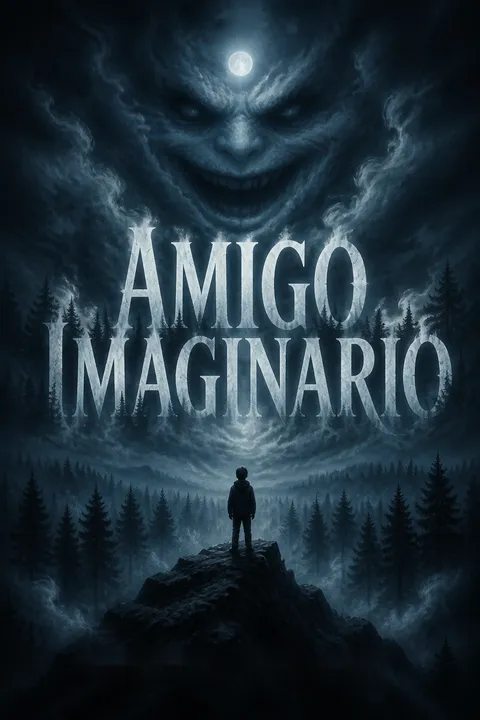
Fifty years before the main story, young David Olson flees through a foggy, haunted neighborhood, stalked by a hissing, shape-shifting presence. He clings to the street for safety, haunted by voices and shadows, desperate to reach the woods and finish a mysterious task. The blue moon above is both a beacon and a warning, its light revealing dangers lurking in the ordinary. David's journey is a fever dream of childhood fears, family secrets, and supernatural threats, setting the stage for a cycle of trauma and evil that will echo through generations. The chapter's chilling atmosphere and unresolved dread foreshadow the darkness that will soon engulf the town of Mill Grove.
New Beginnings, Old Shadows
Kate Reese and her son Christopher arrive in Mill Grove, Pennsylvania, fleeing an abusive past and hoping for a fresh start. Their bond is fierce and loving, forged in hardship and secrecy. Kate's determination to protect Christopher is matched only by her exhaustion and fear. As they settle into a new routine—job hunting, school, and Friday movie nights—Christopher senses the weight of his mother's sacrifices. The town's apparent safety is undercut by subtle unease: missing children on milk cartons, anxious glances, and the ever-present woods. Their hope for peace is fragile, shadowed by the trauma they carry and the mysteries waiting in Mill Grove.
The Cloud That Watches
Christopher struggles with school, feeling isolated and "dumb" among new classmates. He befriends Special Ed, another outsider, and finds comfort in routine and his mother's encouragement. Yet, he is haunted by a recurring image: a cloud in the sky shaped like a face, always watching him. This cloud becomes a silent companion, responding to his questions and even controlling the weather. The boundary between imagination and reality blurs as Christopher's sense of being observed deepens. The cloud's presence is both comforting and unsettling, hinting at a supernatural connection that will soon draw him into danger.
Into the Mission Street Woods
After a strange online message and a series of uncanny events, Christopher is lured by the cloud face into the forbidden Mission Street Woods. The woods are thick, silent, and ominous, filled with echoes of past traumas and the sense of being hunted. Christopher follows footprints and voices, encountering a clearing with a grotesque, flesh-like tree and a mysterious blue light. He becomes lost, chased by giggling, unseen children, and trapped in a nightmarish loop. The woods become a labyrinth of fear and confusion, culminating in Christopher's disappearance for six days—a vanishing that will haunt the town and his mother.
Six Days Missing
Christopher's disappearance triggers a frantic search, dredging up old wounds and suspicions. The sheriff, haunted by his own past failures, investigates every lead, but the woods yield no clues. Kate is consumed by guilt and terror, her hope fading with each day. When Christopher finally reappears, led out of the woods by a "nice man" with cloud-white hair, he remembers nothing of his ordeal. The town hails his return as a miracle, but the mystery deepens: who is the nice man, and what happened in the woods? Christopher's headaches and strange new abilities hint at a transformation, while the town's old secrets begin to stir.
The Nice Man Appears
Christopher's recovery is marked by uncanny changes: sudden intelligence, perfect test scores, and the ability to read and heal. He claims to be guided by the nice man, an invisible presence who offers comfort and knowledge. The nice man's instructions become more urgent, pushing Christopher to build a tree house in the woods with his friends. The tree house is not just a childhood project—it is a portal, a weapon, and a trap. As Christopher's powers grow, so does his isolation, and the nice man's true motives remain hidden. The line between protector and predator blurs, setting up a battle for Christopher's soul.
The Tree House Pact
Christopher and his friends—Special Ed, Mike, and Matt—construct the tree house in the heart of the woods, guided by blueprints that seem to come from dreams. The project unites the boys, giving them purpose and belonging, but also exposes them to danger. The tree house becomes a focal point for supernatural forces, drawing the attention of the hissing lady and the nice man. As the boys work, they uncover a child's skeleton, awakening the town's buried traumas and inviting a new wave of violence and madness. The tree house is both sanctuary and snare, a place where childhood innocence will be tested and lost.
The Town's Hidden Wounds
The discovery of the skeleton unleashes a wave of fear and suspicion in Mill Grove. Old scandals resurface, and the town's veneer of civility cracks. A mysterious flu epidemic sweeps through the community, bringing fever, violence, and hallucinations. People's darkest impulses are unleashed: abuse, addiction, and rage boil to the surface. The nice man's influence spreads, whispering in ears and turning neighbors against each other. The woods become a battleground for souls, and the tree house a beacon for both hope and horror. The town's collective trauma is laid bare, and the stage is set for a final reckoning.
The Fever Spreads
As Christmas approaches, the supernatural sickness intensifies. Children and adults alike are plagued by nightmares, compulsions, and violent urges. The nice man manipulates the town, orchestrating chaos and preparing for a ritual sacrifice. Christopher's powers reach their peak, but so does his suffering—his body wracked by fever, nosebleeds, and visions. The boundaries between the real and imaginary worlds collapse, and the woods become a maze of terror. The town's children are drawn into the woods, their innocence weaponized. The fever is not just illness—it is the world's pain, and Christopher is its vessel.
Secrets in the Bookshelf
Kate, desperate to save her son, discovers a coded message in David Olson's old bookshelf, now in Christopher's room. The message warns: do not kill the hissing lady—she is the only thing keeping the devil in hell. This revelation upends everything: the nice man is not a savior, but a prisoner desperate to escape, and the hissing lady is a guardian, not a monster. The true nature of the battle is revealed: it is not about defeating evil, but containing it. The cost of victory is sacrifice, forgiveness, and the courage to choose love over violence.
The Imaginary World Unveiled
Christopher, his mother, the sheriff, and Ambrose are drawn into the imaginary world—a hellish mirror of Mill Grove, filled with the damned, the lost, and the haunted. Each faces their deepest regrets and traumas: the sheriff relives his failure to save a child, Ambrose confronts his brother's death, Kate faces her own pain and guilt. The nice man's true identity is revealed: he is the devil, the architect of suffering, feeding on fear and hatred. The hissing lady is Eve, God's daughter, who chose to stay behind to keep evil contained. The only way out is forgiveness, self-sacrifice, and the breaking of the chains that bind the soul.
The Hissing Lady's Trap
The nice man unleashes his army of the damned, turning the townspeople into puppets and setting them against Christopher and his mother. The hissing lady is captured, tortured, and nearly destroyed. Christopher is forced to choose: kill the hissing lady and free the devil, or sacrifice himself and his mother. In a moment of clarity, he realizes the true power is not violence, but love and forgiveness. He frees the souls trapped in the imaginary world, breaks the cycle of suffering, and refuses to become a killer. The devil is left powerless, trapped by his own illusions.
The Devil's Bargain
The nice man offers Christopher a terrible bargain: kill the hissing lady and save his mother, or let her die and keep the devil imprisoned. Christopher chooses a third way—he gives away his power, forgives his enemies, and trusts in love. The hissing lady is revealed as a martyr, her sacrifice the key to salvation. The devil is exposed as a coward, his power an illusion. The town is freed from his grip, and the cycle of violence is broken. The cost is great, but the reward is freedom, healing, and the possibility of redemption.
Forgiveness and Sacrifice
As dawn breaks, the survivors emerge from the woods, forever changed. The mailbox people—souls trapped by guilt and regret—are freed by forgiveness. Ambrose is reunited with his brother David, the sheriff with the girl he could not save. Kate and Christopher are healed, their bond stronger than ever. The town begins to recover, its wounds exposed but no longer festering. The devil is left alone, powerless, watching from the shadows as the world moves on. The true victory is not in killing evil, but in refusing to become it.
The Power of Love
In the final battle, it is not strength or knowledge that defeats the devil, but the love between Kate and Christopher. Their willingness to sacrifice for each other, to forgive, and to choose hope over despair becomes the force that breaks the devil's hold. The hissing lady ascends, her mission complete. The town is restored, families are reunited, and the future is open. The story ends not with triumph, but with grace—a reminder that even in the darkest woods, love can light the way home.
The Army of the Damned
The aftermath of the battle sees the townspeople waking from their nightmare, freed from the strings that bound them. Old wounds are healed, secrets confessed, and justice sought. The survivors—Kate, Christopher, the sheriff, Ambrose, and others—help each other rebuild, forging new bonds of trust and understanding. The devil, now powerless, is left to wander the empty woods, searching for another soul to tempt. The story's true lesson is revealed: salvation is not found in violence or vengeance, but in community, compassion, and the courage to face the truth.
The Final Choice
Christopher, now fully awake, understands that the only way to defeat evil is to refuse its terms. He forgives the devil, lets go of his own pain, and chooses to live in the light. The town is saved, not by force, but by the collective decision to be free. The devil is left behind, trapped by his own hatred, while the survivors walk out of the woods into a new day. The story ends with hope, the promise of healing, and the knowledge that even the deepest wounds can be mended.
Light Beyond the Woods
As the sun rises, the town emerges from its ordeal, forever changed but not broken. Kate and Christopher are together, their love a beacon for others. The sheriff finds peace, Ambrose is reunited with David, and the town begins to heal. The woods, once a place of terror, are now a symbol of resilience and renewal. The story closes with a reminder that evil can be contained, but only if we choose love, forgiveness, and the courage to face our own darkness. The blue moon fades, and a new day begins.
Analysis
Imaginary Friend is a modern horror epic about trauma, evil, and the redemptive power of love
At its core, the novel is a meditation on the ways in which pain, fear, and guilt can be weaponized—by supernatural forces, by society, and by ourselves. The story's supernatural elements are metaphors for real psychological struggles: abuse, addiction, mental illness, and the cycles of violence that haunt families and communities. The novel's greatest innovation is its refusal to offer easy answers or simple victories. Evil is not defeated by violence, but by the courage to forgive, to let go, and to choose love even in the face of despair. The characters' journeys are deeply psychological, exploring the costs of survival, the burden of memory, and the possibility of healing. The book's message is ultimately hopeful: that even in the darkest woods, we can find our way home—not by destroying our enemies, but by freeing ourselves from the chains of the past. Imaginary Friend is a powerful allegory for our times, a story that challenges us to confront our own demons and to believe in the possibility of grace.
Review Summary
Imaginary Friend received mixed reviews. While some praised its creepy atmosphere and engaging characters, many felt it was overly long and repetitive. The religious themes and ending were divisive. Some readers enjoyed the mother-son relationship and intricate plotting, but others found the 700+ pages excessive. The book was often compared to Stephen King's works. Despite criticisms, many still found it an ambitious and captivating horror novel, even if flawed in execution.
People Also Read





Characters
Christopher Reese
Christopher is a sensitive, intelligent boy shaped by loss, abuse, and his mother's fierce love. His journey is one from powerlessness to agency, from victim to savior. Gifted with supernatural abilities after his ordeal in the woods, Christopher becomes both a vessel for the world's pain and its hope for redemption. His relationship with his mother is the emotional core of the story, their bond tested by supernatural evil and human frailty. Christopher's greatest strength is not his power, but his capacity for forgiveness, empathy, and self-sacrifice. He is the key to breaking the cycle of violence, choosing love over vengeance and freeing not only himself, but the entire town.
Kate Reese
Kate is a survivor—of abuse, poverty, and grief—whose devotion to her son is unwavering. Her journey is one of self-discovery, healing, and courage. She is haunted by her past, but refuses to let it define her or Christopher. Kate's willingness to fight, to sacrifice, and ultimately to forgive becomes the force that saves her family and her town. Her relationship with Christopher is complex: she is both protector and student, learning from her son's innocence and wisdom. Kate's arc is one of transformation, as she moves from fear to empowerment, from isolation to community, and from pain to grace.
The Nice Man (The Devil)
The nice man is a shape-shifting, seductive presence who preys on the vulnerable, offering comfort and knowledge while sowing chaos and despair. He is both the architect of the town's suffering and a prisoner of the hissing lady's guardianship. His power lies in his ability to exploit fear, guilt, and trauma, turning people's pain against them. Psychologically, he represents the seductive allure of easy answers, the temptation to blame and destroy rather than heal and forgive. His ultimate defeat comes not through violence, but through the refusal of his victims to play his game.
The Hissing Lady (Eve)
The hissing lady is initially perceived as a monster, a source of nightmares and terror. In truth, she is Eve, God's daughter, who chose to remain behind to keep the devil imprisoned. Her methods are harsh, her appearance terrifying, but her motives are selfless. She is the embodiment of sacrifice, enduring endless torment to protect the world. Her relationship with David Olson and Christopher is maternal, guiding them through suffering toward understanding. Her arc is one of redemption, as she is finally freed and welcomed home, her mission complete.
Ambrose Olson
Ambrose is the surviving brother of David Olson, burdened by decades of regret over his failure to save David. His journey is one of atonement, as he confronts the past, faces his own blindness (literal and metaphorical), and ultimately finds peace through forgiveness. Ambrose's relationship with David is the emotional heart of the story's generational trauma, and his redemption is a testament to the power of love and letting go.
The Sheriff (Bobby Thompson)
The sheriff is a man haunted by his inability to save a child in his past, a failure that shapes his every action. He is both a figure of authority and a deeply wounded soul, struggling to maintain order as the town descends into chaos. His relationship with Kate and Christopher is one of mutual respect and growing affection. The sheriff's arc is about facing his own demons, accepting help, and finding peace through service and love. His ultimate act of sacrifice—taking bullets for Christopher—cements his role as a true guardian.
David Olson
David is the original victim, whose disappearance and death set the story's events in motion. Trapped in the imaginary world, he becomes both a warning and a helper, leaving clues for Christopher and others. His suffering is immense, but his love for his brother and his willingness to sacrifice himself become the key to breaking the cycle of evil. David's arc is one of tragic heroism, his final release a moment of profound grace.
Special Ed (Eddie Anderson)
Special Ed is Christopher's first friend in Mill Grove, a boy marked by difference and resilience. His loyalty, humor, and courage provide Christopher with much-needed support. Ed's journey is one of self-acceptance and bravery, as he faces his own fears and stands up to evil. His role in the final battle—armed with his father's gun, defending the tree house—underscores the story's theme of ordinary people rising to extraordinary challenges.
Mary Katherine MacNeil
Mary Katherine is a devout, guilt-ridden teenager whose struggle with faith, sexuality, and identity mirrors the town's larger battle with good and evil. Her journey is one of questioning, suffering, and ultimately, self-acceptance. Her miraculous pregnancy and survival become a symbol of hope and renewal, her arc echoing the story's themes of sacrifice, forgiveness, and the possibility of grace even in the darkest times.
Mrs. Henderson
Mrs. Henderson is the town's librarian, a woman whose life is defined by service and disappointment. Her descent into madness under the nice man's influence is both tragic and terrifying, a reflection of the story's exploration of how trauma and guilt can be weaponized. Her eventual redemption comes through the breaking of the strings that bind her, a reminder that even the most lost can be found.
Plot Devices
Dual Worlds and Portals
The novel's central device is the existence of an "imaginary world"—a supernatural mirror of Mill Grove where fears, traumas, and evil take physical form. The tree house serves as a portal, a place where the boundaries between worlds blur. This duality allows the story to explore psychological horror, generational trauma, and the battle between good and evil on both literal and symbolic levels. The rules of entry and exit—dreams, comas, death, and the tree house—create tension and structure, while the shifting perspectives and unreliable realities heighten the sense of dread and uncertainty.
Possession, Strings, and the Hive Mind
The nice man's power is expressed through possession—whispering in ears, stitching mouths and eyes shut, and binding people with invisible strings. The town's descent into violence and chaos is orchestrated through a hive mind, turning individuals into puppets. This device externalizes psychological manipulation, showing how fear, guilt, and trauma can be exploited by evil. The breaking of the strings becomes a metaphor for liberation, forgiveness, and the reclaiming of agency.
Generational Trauma and Cycles
The story is structured around cycles: the disappearance of David Olson echoes in Christopher's ordeal; the town's old wounds resurface in new violence; the sins of parents are visited upon children. Flashbacks, diaries, and hidden messages connect past and present, showing how trauma is inherited and how healing requires confronting and breaking these cycles. The use of coded messages, hidden in books and furniture, reinforces the theme of secrets waiting to be uncovered.
Sacrifice, Forgiveness, and the Power of Love
The climax hinges not on violence, but on the willingness to forgive, to sacrifice, and to choose love over hatred. The characters' arcs converge on this theme: Christopher's refusal to kill, Kate's willingness to die for her son, Ambrose's letting go of guilt, and the hissing lady's ultimate sacrifice. The breaking of the devil's power comes not through force, but through the collective decision to be free, to forgive, and to love. This inversion of the typical horror climax is both subversive and deeply moving.
Foreshadowing and Symbolism
The novel is rich in foreshadowing: the blue moon, the cloud face, the recurring warnings about the street, and the symbolism of the tree house all point to the coming battle. The street is both a literal and metaphorical boundary between safety and danger, innocence and corruption. The blue moon marks the time of supernatural events, while the clouds represent both threat and hope. The use of children's games, nursery rhymes, and fairy tales adds layers of meaning, connecting the personal to the mythic.
FAQ
Synopsis & Basic Details
What is Imaginary Friend about?
- A Mother's Fierce Love: Imaginary Friend centers on Kate Reese, a single mother fleeing an abusive past with her son, Christopher, to the seemingly peaceful town of Mill Grove, Pennsylvania. Their hope for a fresh start is quickly overshadowed by the mysterious Mission Street Woods, which holds a dark history and supernatural secrets.
- A Child's Uncanny Transformation: Christopher, a sensitive boy with learning difficulties, is drawn into the woods after encountering a smiling cloud face, his "imaginary friend." After disappearing for six days, he returns with enhanced intelligence and strange abilities, but also plagued by headaches, nosebleeds, and terrifying visions, hinting at a deeper connection to the woods and its hidden world.
- A Town's Descent into Madness: As Christopher's powers grow, the town of Mill Grove succumbs to a mysterious flu-like epidemic, escalating violence, and mass hysteria. Christopher discovers he is a pawn in an ancient battle between a manipulative entity known as the Nice Man (the Devil) and the protective Hissing Lady (Eve), with the fate of both the real and imaginary worlds hanging in the balance.
Why should I read Imaginary Friend?
- Deep Psychological Horror: Readers seeking a story that delves into the psychological impact of trauma and abuse, exploring how past wounds manifest in present fears and actions, will find Imaginary Friend profoundly unsettling and thought-provoking. The novel masterfully blurs the lines between mental illness and supernatural influence, prompting readers to question the nature of reality.
- Rich Symbolism and Allegory: For those who appreciate layered narratives, the book is a treasure trove of symbolism, from the Mission Street Woods representing the subconscious to the recurring motif of stitched mouths and eyes symbolizing suppressed truths. It's a story that rewards close reading and invites interpretative debate, making it a compelling choice for book clubs and literary discussions.
- Unique Blend of Genres: If you enjoy a genre-bending experience, Imaginary Friend seamlessly weaves together elements of horror, fantasy, thriller, and coming-of-age drama. It offers a fresh take on the battle between good and evil, rooted in a child's perspective and the fierce love of a mother, providing both chilling suspense and profound emotional depth.
What is the background of Imaginary Friend?
- Small-Town Pennsylvania Setting: The story is set in the fictional town of Mill Grove, Pennsylvania, a seemingly idyllic locale surrounded by the vast and mysterious Mission Street Woods. This setting evokes classic American horror tropes, where hidden evils lurk beneath a veneer of normalcy, and the isolation of the town amplifies the sense of impending doom.
- Themes of Generational Trauma: The narrative is deeply rooted in the concept of generational trauma, particularly through the experiences of Kate Reese and the historical echoes of David Olson's disappearance. The story explores how past abuses and unresolved conflicts can manifest in the present, influencing characters' motivations and the town's collective psyche.
- Cosmic Battle of Good vs. Evil: At its core, Imaginary Friend draws upon ancient mythological and religious archetypes, presenting a cosmic battle between a Devil-like entity (the Nice Man) and a guardian figure (the Hissing Lady, revealed as Eve). This intertextual framework elevates the personal struggles of the characters to universal stakes, exploring profound questions about faith, free will, and the nature of evil.
What are the most memorable quotes in Imaginary Friend?
- "You cannot fail. You must protect your mother. You are the man of the house.": This internal mantra of seven-year-old Christopher, established early in Chapter 1, encapsulates his profound sense of responsibility and the immense pressure he feels to protect his mother from the lingering trauma of their past. It foreshadows his later, more literal role as a protector against cosmic evil, highlighting the burden placed on his young shoulders.
- "We can swallow our fear or let our fear swallow us.": Uttered by the Nice Man to Christopher in Chapter 25, this quote serves as a central thematic statement, exploring the choice between confronting one's deepest anxieties and succumbing to them. It subtly foreshadows the novel's ultimate message about the power of courage and forgiveness in overcoming evil, which often preys on fear.
- "Because God is a murderer, Daddy.": This chilling line, repeated by various characters under the Nice Man's influence (e.g., The Sheriff in Chapter 52, Mrs. Henderson in Chapter 68), represents the Devil's core manipulation: twisting faith and love into despair and hatred. It challenges conventional religious notions and underscores the novel's exploration of how evil can corrupt even the most sacred beliefs.
What writing style, narrative choices, and literary techniques does Stephen Chbosky use?
- Sensory-Rich, Immersive Prose: Chbosky employs highly descriptive and visceral language, immersing the reader in Christopher's sensory experiences, from the smell of baseball gloves to the taste of blood. This technique blurs the line between the real and imaginary, making the supernatural elements feel intensely personal and immediate.
- Shifting Perspectives and Unreliable Narration: The novel frequently shifts its point of view, often diving into the internal monologues and fragmented perceptions of various characters, including those under supernatural influence. This narrative choice creates an unreliable reality, forcing the reader to constantly question what is truly happening and who can be trusted, enhancing the psychological horror.
- Symbolic Motifs and Repetitive Imagery: Chbosky heavily utilizes recurring symbols such as clouds, stitched mouths/eyes, strings, and specific numbers (e.g., 2:17 a.m., 107 degrees). These motifs act as subtle foreshadowing and thematic anchors, weaving a complex tapestry of meaning that connects seemingly disparate events and characters across time and reality.
Hidden Details & Subtle Connections
What are some minor details that add significant meaning?
- The "OUT OF ORDER" Bag: Kate's use of a paper bag labeled "OUT OF ORDER" to cover parking meters (Chapter 2) is a subtle yet potent symbol of her life's precarious state. It reflects her constant struggle against societal rules and financial instability, highlighting her resourcefulness born of desperation, and foreshadows the larger "out of order" state of the world she and Christopher will soon confront.
- The Log Cabin's Old Lady: The old lady in the log cabin across from Christopher's new house, constantly rocking and staring out the window (Chapter 17), initially seems like a minor background detail. She later becomes a key "mailbox person" and a conduit for the Hissing Lady's warnings (Chapter 43), revealing her long-standing connection to the imaginary world and the town's hidden history. Her constant rocking symbolizes the relentless, cyclical nature of the evil in Mill Grove.
- The "MerLOT" Mispronunciation: Nurse Tammy's repeated mispronunciation of "Merlot" as "MerLOT" (Chapter 11) is a seemingly innocuous detail that subtly highlights the pervasive influence of the Nice Man. It's a small distortion of reality, a minor "itch" in the fabric of normalcy, foreshadowing how easily minds can be manipulated and how everyday life can be subtly twisted by the encroaching imaginary world.
What are some subtle foreshadowing and callbacks?
- Christopher's Father's "Funny Dancing": Kate's casual reference to Christopher's father's seizures as "Daddy dancing funny" (Chapter 30) subtly foreshadows Christopher's own escalating headaches and "manic" intelligence. This seemingly innocent detail hints at a genetic predisposition to the very "madness" that the imaginary world exploits, linking Christopher's powers to his father's tragic mental decline.
- The "Blue Moon" Song: The recurring song "Blue Moon" (Chapters 0, 7, 22, 71, 86) acts as a pervasive, almost hypnotic motif. It's present during David Olson's initial encounter with the shadow figure, Mary Katherine's fateful drive, Ambrose's moments of reflection, and even Jerry's journey. This song subtly links characters and events across time, suggesting a cyclical pattern of encounters with the imaginary world, often at moments of vulnerability or impending change.
- The "Baseball Glove" Scent: The distinct smell of a leather baseball glove (Chapters 3, 19, 24, 37, 50, 72, 123) is a powerful sensory callback, initially associated with Christopher's father and David Olson. It becomes a subtle indicator of David's presence or influence, a comforting yet haunting scent that guides Christopher and Ambrose, symbolizing enduring love and connection across the boundaries of life and death.
What are some unexpected character connections?
- Mrs. Henderson and David Olson: The revelation that Mrs. Henderson, the sweet librarian, was David Olson's teacher (Chapter 47) and that he was her favorite student, creates a poignant and unexpected link. Her later actions, influenced by the Nice Man, become a twisted reflection of her past affection, highlighting how deeply the evil can corrupt even the most benevolent figures.
- Jerry and the Nice Man's Influence: Jerry, Kate's abusive ex-boyfriend, is unexpectedly drawn back into the narrative through the Nice Man's manipulation (Chapter 71). His gambling streak and sudden desire to find Kate are not his own, but rather the Devil's subtle nudges, demonstrating how the Nice Man exploits existing flaws and desires to achieve his goals, turning even peripheral characters into unwitting pawns.
- The Sheriff's Adopted Daughter: The sheriff's "adopted daughter" (Chapter 128), the girl with the painted nails, is a profound and unexpected connection. This vision of a future where he saved her, raised her, and became a loving grandfather, is a powerful manifestation of Christopher's healing touch and the potential for redemption. It retroactively imbues the sheriff's past trauma with a hopeful, albeit imaginary, resolution, underscoring the novel's themes of forgiveness and second chances.
Who are the most significant supporting characters?
- Mrs. Henderson, the Librarian: Beyond her role as Christopher's remedial reading teacher, Mrs. Henderson becomes a tragic figure, deeply connected to David Olson's past and later manipulated by the Nice Man. Her transformation from a gentle educator to a murderous pawn highlights the pervasive and corrupting influence of the imaginary world, making her a crucial example of the town's unraveling.
- Nurse Tammy: Initially a kind and helpful hospital nurse, Nurse Tammy's gradual descent into the Nice Man's influence, marked by her increasing exhaustion, mispronunciations, and eventual complicity in the hospital's madness, serves as a chilling barometer for the town's deteriorating state. Her character underscores how even good people can be subtly twisted by pervasive evil.
- Jill and Clark, the Olson House Residents: The young couple who buy David Olson's childhood home, Jill and Clark, are significant as unwitting participants in the unfolding horror. Their desire for a baby and Jill's unexplained itching and rash (Chapter 48) directly link them to the Nice Man's influence and the lingering trauma of the house, demonstrating how the past continues to infect the present.
Psychological, Emotional, & Relational Analysis
What are some unspoken motivations of the characters?
- Kate's Guilt over Husband's Suicide: Kate's fierce protectiveness of Christopher, her constant need to move, and her refusal to acknowledge his "madness" are deeply rooted in her unspoken guilt over her husband's suicide (Chapter 2). She blames herself for not recognizing his mental illness and fears repeating the same failure with Christopher, driving her desperate actions to keep him "normal" and safe.
- Ambrose's Need for Absolution: Ambrose's relentless pursuit of the truth about David's disappearance, even after fifty years, is driven by an unspoken need for absolution (Chapter 37). He carries immense guilt for not believing David's "crazy shit" and for failing to protect his younger brother, making his quest a deeply personal journey for redemption and peace.
- The Nice Man's Fear of Oblivion: Beyond his desire for freedom, the Nice Man's unspoken motivation is a profound fear of oblivion and being forgotten (Chapter 105). His manipulation of human memories and his need to be "King" stem from an ancient terror of being trapped and irrelevant, driving his relentless efforts to shatter the barrier between worlds and assert his dominance.
What psychological complexities do the characters exhibit?
- Christopher's Dissociative Identity: Christopher exhibits complex psychological traits, including what appears to be a form of dissociative identity or extreme empathy, allowing him to absorb and process the thoughts, memories, and pains of others (Chapter 59). This ability, while granting him immense power, also causes him profound suffering, blurring his sense of self and reality, and forcing him to grapple with the collective consciousness of the town.
- Kate's Trauma-Induced Hyper-Vigilance: Kate's past experiences with abuse and her husband's mental illness lead to a state of hyper-vigilance, where she constantly scans for threats and struggles to trust her own perceptions (Chapter 28). This psychological complexity makes her both a formidable protector and a vulnerable target for the Nice Man's manipulations, as her deepest fears are exploited.
- The Town's Collective Psychosis: The townspeople of Mill Grove collectively exhibit a form of shared psychosis, where their individual fears, desires, and resentments are amplified and manipulated by the Nice Man (Chapter 84). This psychological phenomenon transforms them into a mob, acting on irrational impulses and turning against each other, highlighting the fragility of sanity when confronted with pervasive, insidious evil.
What are the major emotional turning points?
- Christopher's First Perfect Math Test: This moment (Chapter 14) is a significant emotional turning point for Christopher, as it marks the first tangible evidence of his newfound abilities and a profound shift in his self-perception. It brings immense pride and relief, not just for him but for Kate, momentarily overshadowing the unsettling nature of his transformation and fueling his desire to make his mother "real proud."
- Kate's Realization of the "False Voice": When Kate is about to force Christopher to take antipsychotic medication, she hears an internal voice mimicking her own self-doubt, urging her to give him the pills. Her sudden realization that this voice is not her own (Chapter 62) is a critical emotional turning point, allowing her to break free from the Nice Man's manipulation and fully trust Christopher, solidifying their bond and setting them on a path to fight back.
- Mary Katherine's "Heaven and Hell are Decisions" Epiphany: Mary Katherine's moment of clarity during her desperate flight from the possessed townspeople (Chapter 116), where she realizes "heaven and hell are not destinations. They are decisions," is a powerful emotional turning point. It signifies her liberation from fear-based faith and her embrace of love and self-sacrifice, enabling her to make the ultimate choice to save Christopher.
How do relationship dynamics evolve?
- Christopher and Kate's Evolving Trust: Initially, Christopher and Kate's relationship is defined by her protection and his hidden struggles. As Christopher's powers emerge, their dynamic shifts, with Christopher increasingly protecting Kate, and Kate learning to trust his extraordinary, often terrifying, insights. This evolution culminates in a profound, almost symbiotic bond where their love becomes a weapon against evil.
- Ambrose and David's Posthumous Reconciliation: The relationship between Ambrose and his long-lost brother David evolves from one of guilt and regret to posthumous reconciliation and partnership. Through David's diary and Christopher's abilities, Ambrose finally understands David's suffering and purpose, transforming his grief into a shared mission to fight the Nice Man, ultimately leading to their spiritual reunion.
- The Town's Fractured Community: The relationship dynamics within the town of Mill Grove devolve from a seemingly idyllic community to a fractured, hostile mob. The Nice Man exploits existing tensions, prejudices, and personal pains, turning neighbors against each other. This transformation highlights how easily societal bonds can unravel under the influence of fear and manipulation, making the eventual healing and reunification a testament to the power of collective forgiveness.
Interpretation & Debate
Which parts of the story remain ambiguous or open-ended?
- The Nature of Christopher's "God" Power: While Christopher is repeatedly told he is "God" in the imaginary world, the exact nature and limits of this power remain somewhat ambiguous. Is he truly omnipotent, or is his power a manifestation of extreme empathy and imagination? The story suggests it's the latter, but the metaphysical implications of a child wielding such influence are left open to interpretation, inviting readers to ponder the boundaries of human potential and divine connection.
- The Devil's True Origin and Purpose: The Nice Man, identified as the Devil, has a vague origin story, described as being trapped for "millennia" and having a "Father" (Chapter 105). His ultimate purpose—beyond simply escaping his prison—is not fully explored. Is he merely a force of chaos, or does he serve a larger, albeit twisted, cosmic role? This ambiguity allows for diverse theological and philosophical interpretations of evil within the narrative.
- The Long-Term Impact on the Survivors: While the epilogue suggests a return to normalcy and healing for the town, the long-term psychological and emotional impact on the survivors, particularly Christopher, Kate, and Mary Katherine, remains open-ended. How do they process having experienced Hell on Earth? Will Christopher's powers fully recede, or will he forever carry the burden of his unique connection to the imaginary world? The story leaves room for readers to imagine their continued journeys of recovery and adaptation.
What are some debatable, controversial scenes or moments in Imaginary Friend?
- The Depiction of Mental Illness: The novel's portrayal of Christopher's "madness" and his father's seizures, often linked to supernatural influence, can be a controversial point. Some readers might debate whether the story adequately distinguishes between genuine mental illness and demonic possession, or if it risks trivializing real-world psychological conditions by attributing them to supernatural causes.
- The Hissing Lady's "Eve" Identity: The revelation that the Hissing Lady is Eve, God's daughter, and her role as a suffering guardian, can be a controversial reinterpretation of biblical lore. Readers might debate the theological implications of this portrayal, particularly how it aligns or conflicts with traditional religious narratives of Eve and the nature of original sin.
- The Violence and Child Trauma: The graphic depiction of violence, particularly against children (e.g., David Olson's burial, Christopher's torture, Jenny Hertzog's abuse), and the intense psychological trauma inflicted on young characters, can be a controversial aspect. Some may argue it's gratuitous, while others might defend it as necessary to convey the true horror and stakes of the story.
Imaginary Friend Ending Explained: How It Ends & What It Means
- The Ultimate Sacrifice and Forgiveness: The Imaginary Friend ending explained reveals Christopher's profound act of self-sacrifice and forgiveness. Instead of killing the Hissing Lady (Eve) as the Nice Man (the Devil) demands, Christopher chooses to give his power of omniscience and healing to his mother, Kate. This act of unconditional love and forgiveness breaks the Nice Man's cycle of violence and manipulation, demonstrating that true power lies not in destruction, but in compassion.
- Eve's Ascension and the Devil's Imprisonment: With Christopher's choice, Eve is freed from her millennia of torment and ascends to Heaven, reunited with her Father. The Nice Man, stripped of his ability to manipulate and escape, is left alone and powerless in his prison, the imaginary world. This signifies the triumph of good over evil, not through annihilation, but through the containment of malevolence and the restoration of balance.
- The World's Healing and Lingering Vigilance: The town of Mill Grove is freed from the Nice Man's influence; the "flu" lifts, and people begin to heal, though the memories of their madness linger. Christopher, Kate, Ambrose, and the Sheriff return to the real world, forever changed but united by their ordeal. The ending emphasizes that while evil is contained, it is never truly gone, and vigilance, love, and forgiveness remain essential to prevent its return, leaving a powerful message of hope tempered with realism.
About the Author
Other books by Stephen Chbosky


Download PDF
Download EPUB
.epub digital book format is ideal for reading ebooks on phones, tablets, and e-readers.








































