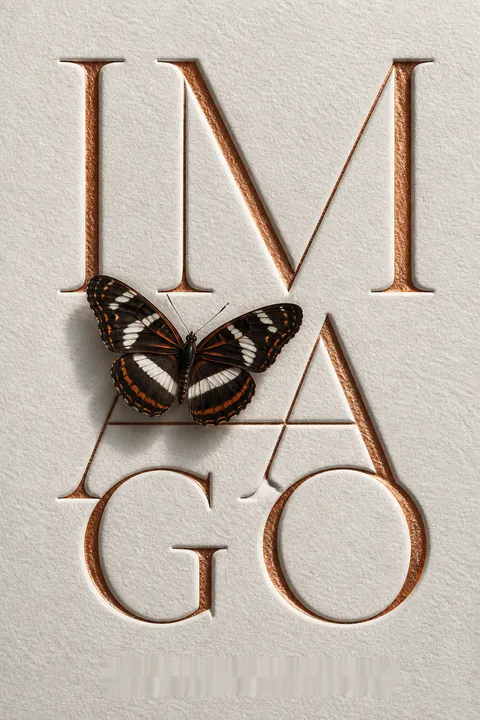

Plot Summary
Butterfly Man Arrives
Lawson Gale, a brilliant but socially awkward butterfly expert, arrives in rural Tasmania on a mission to find a possibly mythical butterfly species. His world is books and data, but he's thrust into the unpredictable wilds of a small town, where his meticulous nature is both a shield and a vulnerability. The air is thick with anticipation and the unknown, as Lawson's journey is not just scientific but deeply personal—a chance to prove himself and perhaps find something more than butterflies. The stage is set for a collision of worlds: the introverted academic and the open-hearted rural community, with Lawson's heart fluttering as nervously as the creatures he studies.
Unexpected Ride Offered
At the airport, Lawson's plans unravel when his rental car is unavailable. Jack Brighton, a rugged, affable Parks and Wildlife officer, offers Lawson a ride. Their banter is awkward but electric, each man sizing up the other's quirks and charms. Lawson's suspicion and Jack's easy confidence create a dynamic of tension and curiosity. The drive through Tasmania's landscape becomes a metaphor for the journey ahead—unpredictable, bumpy, and full of possibility. By the time they reach Lawson's destination, both sense that fate has nudged them together, and the first seeds of attraction are sown.
Dinner and First Impressions
Jack, smitten by Lawson's intellect and unique style, orchestrates a dinner invitation under the pretense of returning a forgotten suitcase. Lawson, unused to attention and wary of small-town scrutiny, is both flustered and intrigued. Their dinner is a dance of words and glances, each revealing insecurities and hopes. Jack's warmth and humor begin to thaw Lawson's defenses, while Lawson's honesty and brilliance captivate Jack. The evening ends with the promise of more—both in scientific collaboration and personal connection—leaving both men restless with anticipation.
Small Town, Big Hearts
Lawson settles into the local bed and breakfast, quickly discovering that small towns have big ears. The town's matriarch, Nola, is quick to speculate about Jack's romantic interests, and Lawson is swept into the gentle but relentless current of rural curiosity. Jack's openness about his sexuality and his place in the community reassure Lawson, who is used to hiding parts of himself. The town's acceptance, coupled with Jack's sincerity, begins to erode Lawson's fears. Their budding relationship is tested and strengthened by the scrutiny and support of those around them.
A Date Among Pastries
Jack arranges a private dinner in a closed bakery, transforming an ordinary space into something magical. The meal, prepared by Jack's friend Remmy, becomes a feast of flavors and feelings. Over pastries and cider, Lawson and Jack share stories of family, childhood, and passion for their work. The conversation is both playful and profound, revealing wounds and dreams. The chemistry between them intensifies, culminating in a kiss that is both a promise and a challenge. The night is a turning point, marking the shift from curiosity to genuine affection.
Into the Wilds
Jack accompanies Lawson into the Tasmanian wilderness, helping him search for the elusive butterfly. The landscape is harsh and beautiful, mirroring the complexity of their growing relationship. Lawson's meticulous methods and Jack's practical knowledge complement each other, forging a partnership built on respect and admiration. The search is frustrating and fruitless at first, but the shared struggle brings them closer. In the quiet of the forest, away from prying eyes, their connection deepens, and the boundaries between professional and personal blur.
Searching for the Impossible
Lawson's quest for the undocumented butterfly becomes a metaphor for his search for belonging and love. The scientific challenge is daunting—no evidence, only the faith of an old professor and the faintest clues in the landscape. Jack's unwavering support bolsters Lawson's resolve, even as setbacks threaten to overwhelm him. Their days are filled with data collection and gentle teasing, their nights with longing and tentative intimacy. The possibility of failure looms, but so does the hope of discovery—of both a new species and a new way of living.
Mapping Hearts and Habitats
As Lawson and Jack spend more time together, they map not only the terrain but also each other's hearts. They share meals, laughter, and the quiet comfort of companionship. Lawson's guarded nature softens under Jack's steady affection, while Jack finds himself inspired by Lawson's passion and intellect. Together, they navigate the challenges of fieldwork and the complexities of opening up to love. Their relationship becomes a safe haven, a place where both can be fully themselves, flaws and all.
Chemistry in the Field
The physical attraction between Lawson and Jack becomes impossible to ignore. Their flirtation turns to passion, and they give in to the desire that has been simmering beneath the surface. The intimacy is both exhilarating and terrifying, as both men confront their fears of rejection and loss. Their lovemaking is tender and intense, a celebration of trust and acceptance. In each other's arms, they find a sense of home that neither has known before, and the world outside fades away, leaving only the two of them and the promise of more.
Nightfall and New Beginnings
Just as Lawson and Jack settle into the rhythm of their new relationship, disaster strikes. A bushfire threatens the very habitat they have been exploring, putting both the elusive butterfly and their future at risk. Lawson's determination to save the species leads him into danger, and Jack's fear for Lawson's safety brings their feelings into sharp relief. In the chaos of fire and flight, they are forced to confront what truly matters. Their love is tested, but it emerges stronger, forged in the crucible of crisis.
The Elusive Discovery
Against all odds, Lawson discovers the long-sought butterfly, a moment of scientific triumph that is bittersweet in the shadow of destruction. The find is both a personal and professional victory, validating years of work and the faith of his mentor. Yet the joy is tempered by loss—the fire has claimed much, and the future of the species is uncertain. Lawson and Jack, exhausted and shaken, cling to each other, finding solace in their shared achievement and the knowledge that together, they can face whatever comes next.
Fire and Flight
In the aftermath of the fire, Lawson risks everything to save not only the butterflies but also a pair of orphaned Tasmanian devil joeys. His actions are reckless but driven by compassion, and Jack's fear for him is matched only by his pride. The rescue cements their bond, as both men realize the depth of their commitment—to their work, to the creatures they protect, and to each other. The community rallies around them, and the story of their heroism becomes legend, a testament to the power of love and courage.
Rescue and Reckoning
As the adrenaline fades, Lawson and Jack must reckon with the consequences of their actions. Lawson's near-death experience forces both men to confront their fears and vulnerabilities. Apologies are made, forgiveness is granted, and the importance of communication and trust is reaffirmed. The ordeal brings clarity—life is fragile, and love is worth fighting for. Together, they begin to heal, supported by friends and the community that has come to embrace them as their own.
Naming the Unnamed
With the butterfly species confirmed, Lawson is given the honor of naming it. He chooses to name it after his mentor, Professor Tillman, acknowledging the legacy of those who came before him. The discovery brings professional acclaim, but Lawson's true reward is the sense of belonging he has found—with Jack, with the community, and within himself. The act of naming is both a scientific milestone and a deeply personal gesture, symbolizing the transformation that has taken place.
Metamorphosis of Love
Lawson and Jack's relationship matures, moving from the heady rush of new love to the steady warmth of partnership. They navigate the challenges of distance, career, and community, building a life that honors both their individuality and their union. Lawson, once isolated and uncertain, emerges as a confident and beloved figure, his metamorphosis mirroring that of the butterflies he cherishes. Jack, too, grows—learning to trust, to hope, and to dream of a future together.
Building a Future
With the research project established and the community's support secured, Lawson and Jack look to the future. They plant the rescued Bursaria shrub near Jack's home, a living symbol of resilience and renewal. Their love, tested by fire and time, is stronger than ever. They dream of a life together—one filled with laughter, discovery, and the quiet joy of belonging. The story ends not with an ending, but with a beginning: two men, hand in hand, ready to face whatever comes, their hearts as open as the Tasmanian sky.
Analysis
Imago is a tender, quietly transformative romance that uses the language of science and the rhythms of rural life to explore universal themes of belonging, vulnerability, and love. At its heart, the novel is about metamorphosis—not just of butterflies, but of people learning to trust, to risk, and to embrace the unknown. Through the dual perspectives of Lawson and Jack, the story examines how intellect and emotion, solitude and community, can coexist and enrich one another. The small-town setting, with its blend of scrutiny and support, challenges the characters to be authentic and brave. The butterfly quest, both literal and metaphorical, underscores the fragility and resilience of hope. In a world that often prizes conformity and certainty, Imago celebrates the beauty of difference, the courage to pursue what matters, and the quiet, persistent work of building a life—and a love—that is both extraordinary and real. The novel's lesson is clear: true transformation requires patience, trust, and the willingness to let go, so that new wings can unfurl.
Review Summary
Imago is a sweet, low-angst romance between Jack, a park ranger, and Lawson, a nerdy lepidopterist. Readers praise the adorable characters, romantic dates, and feel-good story. The book focuses on the developing relationship between the two men, with minimal conflict. Many reviewers appreciate the well-researched butterfly content and the author's ability to create likable characters. While some found it too sweet, most enjoyed the light, fluffy romance and look forward to the sequel.
People Also Read

Characters
Lawson Gale
Lawson is a genius lepidopterist whose life has been defined by intellect, precision, and a sense of not quite fitting in. His passion for butterflies is both a refuge and a source of isolation, as his academic achievements set him apart from peers and family alike. Socially anxious and prone to overthinking, Lawson struggles with vulnerability, often hiding behind scientific jargon and routines. Yet beneath his reserved exterior lies a deep well of empathy and longing for connection. Meeting Jack challenges Lawson to step outside his comfort zone, to risk his heart, and to embrace the messy, unpredictable beauty of love. Through his journey, Lawson transforms—not just as a scientist, but as a man capable of trust, joy, and belonging.
Jack Brighton
Jack is the embodiment of rural warmth and quiet strength. As a Parks and Wildlife officer, he is deeply connected to the land and community, finding purpose in conservation and service. Jack's easygoing nature masks a loneliness born of small-town limitations and past disappointments. His openness about his sexuality is both a point of pride and a source of vulnerability in a conservative environment. Meeting Lawson awakens Jack's capacity for hope and tenderness, drawing out his protective instincts and playful humor. Jack's journey is one of learning to trust his own worth, to fight for love, and to build a life that honors both his roots and his dreams.
Rosemary
Rosemary, Jack's Border Collie, is more than a pet—she is a bridge between worlds, a source of comfort, and a silent judge of character. Her acceptance of Lawson is a turning point, signaling the possibility of family and home. Rosemary's presence grounds both men, offering unconditional love and a reminder of the simple joys of companionship.
Remmy
Remmy, the local baker and Jack's close friend, is a pillar of the community. Her warmth and generosity extend to both Jack and Lawson, providing food, counsel, and a safe space for their budding relationship. Remmy's bakery becomes a haven where intimacy and celebration flourish, and her friendship is instrumental in helping Lawson feel accepted and valued.
Professor Warner Tillman
Professor Tillman is the retired lepidopterist whose faith in Lawson sets the entire story in motion. His belief in the existence of the elusive butterfly and his trust in Lawson's abilities provide both a challenge and a validation. Tillman's legacy is not just scientific but personal, as he models integrity, perseverance, and the importance of passing the torch to the next generation.
Nola Bloom
Nola, the bed and breakfast owner, represents the ever-watchful eyes of the community. Her curiosity and meddling are both a source of anxiety and a sign of belonging—her acceptance signals Lawson's integration into the town's fabric.
Paul
Paul, the local wildlife rescuer, plays a crucial role during the bushfire, caring for the rescued Tasmanian devil joeys. His expertise and calm demeanor provide reassurance and support in a moment of crisis, highlighting the importance of community and collaboration.
Professor Michael Asterly
Lawson's academic supervisor, Asterly embodies the challenges of institutional politics and ego. His skepticism and attempts to claim credit for Lawson's discovery serve as obstacles that Lawson must overcome, reinforcing the themes of integrity and self-advocacy.
Luca
Remmy's young son, Luca, brings lightness and joy to the story. His curiosity about butterflies and his role in the communal dinner underscore the importance of nurturing the next generation and the simple pleasures of shared meals and laughter.
The Tillman Copper Butterfly
Though not a human character, the elusive butterfly at the heart of the story represents hope, resilience, and the possibility of new beginnings. Its discovery is both a scientific triumph and a metaphor for the metamorphosis experienced by Lawson and Jack.
Plot Devices
Dual Narrative Perspective
The story unfolds through the alternating perspectives of Lawson and Jack, allowing readers intimate access to both men's thoughts, fears, and desires. This structure creates dramatic irony, as each man's insecurities and hopes are revealed to the reader before they are shared with each other. The dual narrative also highlights the contrasts and complementarities between the characters, enriching the emotional arc and fostering empathy.
The Butterfly as Metaphor
The search for the elusive butterfly is a central plot device, serving as both literal quest and metaphor for self-discovery and love. The butterfly's metamorphosis—from caterpillar to chrysalis to imago—parallels Lawson's journey from isolation to belonging, and Jack's evolution from guarded hope to open-hearted commitment. The fragility and beauty of the butterfly underscore the themes of vulnerability, resilience, and the fleeting nature of opportunity.
Small-Town Setting
The rural Tasmanian setting is more than a backdrop—it shapes the characters' experiences, challenges, and growth. The intimacy of small-town life brings scrutiny and gossip, but also acceptance and solidarity. The landscape itself, with its wild beauty and dangers, reflects the unpredictability of love and the necessity of trust.
Crisis and Rescue
The bushfire serves as a dramatic turning point, forcing characters to confront their deepest fears and priorities. The urgency of rescue—of butterflies, animals, and each other—strips away pretense and compels honesty. The crisis accelerates the characters' emotional journeys, transforming potential into commitment.
Naming and Legacy
The act of naming the new butterfly species is a powerful plot device, symbolizing both scientific achievement and personal transformation. It allows Lawson to honor his mentor and claim his place in the world, while also marking the culmination of his journey from outsider to integral member of a community and a relationship.
FAQ
What's "Imago" by N.R. Walker about?
- Crossover Story: "Imago" is a crossover between the Red Dirt Heart and Imago series, focusing on the intersection of two worlds—Charlie Sutton's rural life and Lawson's butterfly expertise.
- Plot Overview: The story revolves around Charlie Sutton and his neighbor Greg, who face a government threat of a pipeline through their property. They seek help from Lawson, a butterfly specialist, to identify a rare butterfly that might save their land.
- Reunion and Relationships: The narrative also explores the reunion of old friends and lovers, Charlie and Jack, adding layers of personal history and emotional complexity.
- Themes: The book delves into themes of environmental conservation, friendship, love, and the clash between rural life and governmental policies.
Why should I read "Imago" by N.R. Walker?
- Unique Crossover: The book offers a unique blend of two beloved series, providing fans with a fresh narrative that combines familiar characters and new challenges.
- Emotional Depth: It explores deep emotional connections and past relationships, offering a rich tapestry of character development and interaction.
- Environmental Message: The story highlights important environmental issues, making it not just a romance but also a narrative with a meaningful message about conservation.
- Engaging Writing Style: N.R. Walker's engaging and heartfelt writing style ensures a captivating read that balances romance, humor, and drama.
What are the key takeaways of "Imago" by N.R. Walker?
- Conservation Importance: The book underscores the significance of environmental conservation and the impact of human activities on natural habitats.
- Power of Relationships: It highlights the strength and complexity of relationships, both romantic and platonic, and how past connections can influence present decisions.
- Community and Support: The narrative emphasizes the importance of community support and standing together against external threats.
- Personal Growth: Characters experience personal growth and self-discovery, learning to balance personal desires with responsibilities to others.
How do Charlie and Lawson's worlds collide in "Imago"?
- Butterfly Discovery: Charlie and Travis discover a rare butterfly on their land, prompting them to seek Lawson's expertise to identify it.
- Environmental Stakes: The butterfly's identification becomes crucial in their fight against a government pipeline project threatening their land.
- Reunion with Jack: Lawson's involvement brings Jack, Charlie's old friend and former lover, back into his life, adding personal stakes to the professional challenge.
- Shared Goals: Despite their different backgrounds, Charlie and Lawson work together towards a common goal, blending their expertise and experiences.
What role does the butterfly play in "Imago"?
- Plot Catalyst: The butterfly serves as the catalyst for the story, driving the plot forward as its identification could prevent the pipeline construction.
- Symbol of Hope: It symbolizes hope and the possibility of change, representing the delicate balance between nature and human intervention.
- Connection Point: The butterfly connects the characters, bringing together Charlie, Travis, Lawson, and Jack in a shared mission.
- Environmental Focus: Its presence highlights the book's environmental themes, emphasizing the importance of preserving natural habitats.
How does "Imago" explore past relationships?
- Charlie and Jack's History: The book delves into the past relationship between Charlie and Jack, exploring how their history affects their current interactions.
- Awkward Reunions: Their reunion is marked by awkwardness and unresolved feelings, adding tension and depth to the narrative.
- Growth and Change: Both characters have grown and changed since their university days, and the story examines how they navigate their renewed connection.
- Impact on Present: Their past relationship influences the present, affecting their decisions and interactions with other characters.
What are the main themes in "Imago" by N.R. Walker?
- Environmental Conservation: A central theme is the importance of protecting natural habitats and the impact of human activities on the environment.
- Love and Friendship: The book explores the complexities of love and friendship, highlighting the bonds that connect people across time and distance.
- Community and Resistance: It emphasizes the power of community and collective action in resisting external threats and preserving one's way of life.
- Personal Growth: Characters undergo personal growth, learning to reconcile their past with their present and future aspirations.
How does "Imago" address environmental issues?
- Pipeline Threat: The story centers around the threat of a government pipeline project, highlighting the conflict between development and conservation.
- Butterfly as a Symbol: The rare butterfly represents the delicate balance of ecosystems and the need to protect endangered species.
- Community Action: Characters band together to fight for their land, showcasing the importance of community action in environmental conservation.
- Awareness and Advocacy: The narrative raises awareness about environmental issues, encouraging readers to consider the impact of their actions on the natural world.
What are the best quotes from "Imago" and what do they mean?
- "When red dirt and butterflies collide": This quote encapsulates the central theme of the book, highlighting the intersection of rural life and environmental conservation.
- "This is our land, this is our kids’ land": It underscores the characters' determination to protect their heritage and future generations from external threats.
- "If he’s one grain of sand, then you’re the entire desert": A powerful expression of love and commitment, emphasizing the depth of Charlie and Travis's relationship.
- "I want what Charlie and Travis have": Reflects Lawson's desire for family and belonging, highlighting the book's exploration of personal aspirations and growth.
How does "Imago" depict the theme of community?
- Collective Resistance: The book showcases the power of community as characters unite to resist the pipeline project threatening their land.
- Support Networks: It highlights the importance of support networks, both familial and communal, in overcoming challenges and achieving goals.
- Shared Goals: Characters work together towards a common goal, demonstrating the strength of collective action and shared purpose.
- Community Bonds: The narrative emphasizes the bonds that connect individuals within a community, fostering a sense of belonging and solidarity.
What is the significance of the title "Imago"?
- Entomological Term: "Imago" is an entomological term referring to the final stage of a butterfly's development, symbolizing transformation and growth.
- Character Development: The title reflects the characters' personal growth and transformation throughout the story, as they navigate challenges and relationships.
- Metaphorical Meaning: It serves as a metaphor for the book's themes of change, evolution, and the emergence of new possibilities.
- Connection to Butterflies: The title ties into the central plot involving the rare butterfly, reinforcing the book's focus on nature and conservation.
How does "Imago" by N.R. Walker conclude?
- Resolution of Conflict: The book concludes with the resolution of the pipeline conflict, as the butterfly's identification leads to potential legal and environmental actions.
- Personal Growth: Characters experience personal growth and reconciliation, finding peace with their past and embracing their future.
- Family and Belonging: The narrative ends on a note of family and belonging, with characters finding their place within their community and relationships.
- Open Possibilities: The conclusion leaves open possibilities for the characters' future, suggesting continued growth and new adventures.
About the Author
Other books by N.R. Walker

Download PDF
Download EPUB
.epub digital book format is ideal for reading ebooks on phones, tablets, and e-readers.








































