
Plot Summary
Prisons, Blood, and Book Clubs
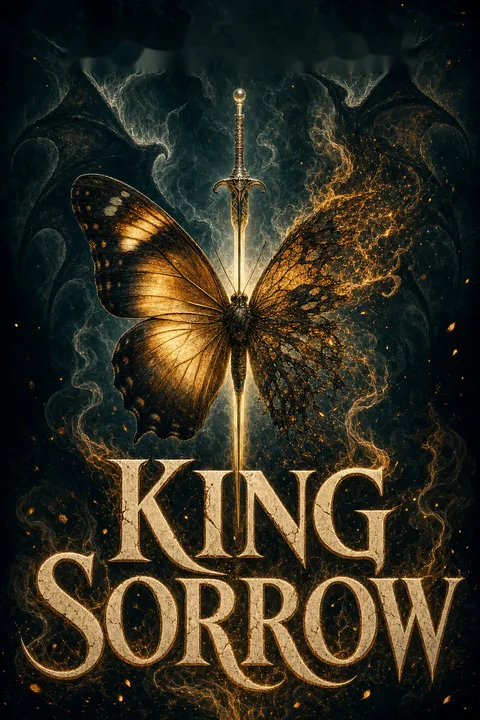
The novel opens with Arthur Oakes visiting his activist mother Erin in prison, both weighed down by past mistakes and idealism that backfired. Erin's imprisonment for an anti-nuclear protest gone violently wrong is revealed through family banter, underlying racial and social tensions. Their bond is strained but still tender. Erin runs a women's book club inside—a place where trauma and hope mix, and the women confide, rage, and find brief surcease from sorrow. In this world, justice is ambiguous and violence is never far; trauma dwells in institutions built to punish and in hearts trying to forgive themselves.
Blackmail on Sacred Grounds
Arthur is blackmailed by the Nighswander clan, especially by Jayne and Tana, whose criminal, toxic family history echoes and distorts Arthur's own. Blackmailers threaten Arthur's incarcerated mother unless he steals rare books from the campus library. Trapped by fear, guilt, and a perverted sense of duty, Arthur tries to minimize the irredeemable wrong by stealing books that seem less consequential—but the dynamic inevitably drags him and those he loves into deeper darkness. Jayne is both a mirror and nemesis: where Arthur's family sought truth and justice, Jayne's deals ruthlessly in survival and revenge.
Closed Circles, Open Wounds
Arthur's circle of friends—Donna and Van McBride, Allie Shiner, Colin Wren, Gwen Underfoot—form a close, lively clique haunted by private tragedies and secrets. Their teasing, games, and magic tricks camouflage wounds: Van and Donna, twins who mimic each other but are fundamentally divided; Colin, a scion of psychological manipulation; Allie, forever haunted by what she cannot reconcile within herself; Gwen, on the margins, both part of and outside the group. When they meet at Colin's ancestral estate, The Briars, their conversations—half joke, half confession—hint at the dark trials ahead.
The Butterfly Cabinet Echoes
Colin's grandfather Llewellyn presides over a home filled with macabre relics and stories of psychological warfare. The friends watch a chilling government experiment with a fabricated ghost named Elwood Hondo. They learn about egregores—entities birthed by belief, embedded in trauma. Butterfly specimens—once beautiful, now pinned—become a metaphor: the past's beauty and horror preserved, awaiting new life or another kind of release. Llewellyn, half-mad, half-sage, warns them: evil always returns when you keep feeding and staring at it.
The Shadow of Jayne Nighswander
Arthur's thefts escalate as Jayne manipulates him with threats and brutal reminders of power dynamics—her family only survives by conquering someone else's hope. All his friends become entwined in guilt and complicity. The novel explores how trauma is inherited and weaponized, how cycles of victimization and aggression blur moral boundaries. Gwen's role as outsider and sometimes-confessor foreshadows her central importance.
Gathering Smoke, Burning Names
The tightly knit friends, desperate and powerless, decide to summon something ancient for protection. They read of rituals and make up their own—just as government scientists once did with Elwood Hondo. After a night of drink, weed, and reckless spells, they conjure the dragon King Sorrow, not quite believing what they have done. The ritual binds them: each must choose a name—a sacrifice—each year at Easter, or pay with their own life. The dragon, conceived in dread and craving pain, lingers, growing in power as their lives unravel.
Summoning the Long Dark
King Sorrow feeds on chosen victims' terror, "seasoned" by loss and regret. His attention is merciless: those selected are hunted, tormented by hallucinations, driven to desperate ends. The friends are at once repulsed and thrilled by their new power—evil cut from myth but rooted in their own trauma and yearning for control. Each year, debates grow: who deserves damnation? Whether torment or execution, the dragon's gift comes at terrible cost: all their relationships are tainted by suspicion and agony, forgiveness turns to something monstrous.
The Riddle and the Sword
Arthur, believing the only hope is to end King Sorrow, searches for magical implements—a sword made of a hero's soul, a martyr's robe, a true name. He journeys under bridges and into darkness, aided by Gwen and Colin, but undermined by hidden treachery. In a cave haunted by a literal troll, Arthur finds the magic sword but is betrayed by Colin, whose belief in power eclipses loyalty. Arthur's murder by Colin marks the true point of no return, and Gwen is left with both grief and knowledge—a key to ending the Long Dark, but at a cost she can barely imagine paying.
The King in the Machine
Over decades, Colin turns belief and digital power into a weapon as global as the dragon. The friends survive each other, lose track, reassemble, and try to redeem themselves. The dragon remains, now threaded through wars, mass death, terrorist attacks—each tied to a sacrifice on their list. Real history—Oklahoma City, 9/11, Beirut, wildfires—are re-imagined as echoes of King Sorrow's will. The world is infected by a digital, viral horror: grief, hate, and data algorithms converge, the butterfly cabinet global now, evil etched in viral videos and flames.
Sand Dollars and Ashes
Forgiveness and atonement prove elusive: Van's death devastates Donna and Allie. Donna's rage becomes her voice, her punishment; Allie, haunted by guilt and love unmet, finds a new anchor in Gwen and Tana. Gwen, aging and scarred, clings to love—Arthur's voice always just out of reach. Clashes with old foes, failed redemptions, and the deaths of the innocent leave them all raw. Sand dollars and little kindnesses are all that remain—tokens of remembered joy among ashes.
Falls, Fire, Forgiveness
Events culminate when Colin marks Gwen for death. The group, fractured but determined, tries to break the curse—armed with memory, a magical garment, a cracked mirror, a martyrs' relic, and the stubborn hope that you can fight the stories you were born into. Their trial is equal parts magic and emotional reckoning: old betrayals surface, myths mix with modern trauma, and every act of vengeance earns its price. Gwen, dying but unwilling to surrender, draws hope from her friends and unfinished love.
Closing the Circle, Opening the Door
In the Brooks Library, Gwen and her friends face King Sorrow. The ritual, both a séance for Arthur and a battle against the dragon, becomes a test of love, courage, and forgiveness. They summon Arthur as a shining sword—a soul made bright through loss, wielded by the woman who loved him. The dragon is only tricked, only vulnerable, when he is blinded by his greed and shame—when Gwen gives him the pain he craves, and he devours himself. Their escape is hard-won, incomplete, but the future is pried open, if briefly.
After the Dragon
Survivors sift through literal and figurative rubble. Some die noble deaths; others finally make peace with the past. The old library burns, The Briars is razed, wounds heal incompletely. Gwen finds herself still alive—stubborn, battered, proud—as the circle finally breaks. Donna, ruined by her hate, nonetheless finds purpose in one last selfless act. Gwen, Allie, Tana, and Robin hold tight to each other; small acts of hope offsetting a lifetime of loss.
The Next Right Thing
The survivors, especially Gwen and Allie, dedicate themselves to doing the next right thing—service, love, and honest reckoning. They let go of old hatreds and try to hold onto the living, the present. Gwen lives with chronic pain, no longer running from her wounds but making a new kind of strength from them. Allie and Tana find small peace in each other. No one is healed, not completely, but there's reverence for scars. History's wounds still seep, but together, they find days that don't hurt so much.
Unburying the Dead Guilt
Robin publishes Arthur and Gwen's book of dragon lore and survival, Toolkit for the Well-Prepared Dragonslayer, blending sorrow and hope. Reviewers scoff; trolls rage. The internet—filled with ghosts and egregores of hate—erupts in new monstrosities, but some readers are quietly changed. Gwen mourns Arthur and Donna, but also accepts she made the right choice—only together could they end the cycle of violence. The book becomes a kind of charm, a way to escape being pinned like the butterflies they once admired.
The Dream of Everlasting Hurt
Gwen lives on, her world smaller but staked to friendship, service, and the memory of great love. Trauma never vanishes; a body holds its history. But sometimes pain can be "good hurt"—what is left after hate is burned or exhausted. Gwen, old and sore, rides a sled down a snowy hill—old joys endured. She dreams of Arthur and the others, of surviving dragons both real and metaphorical. The Long Dark is never gone, but sorrow is not the end.
Sorrow Beyond the Story
As the world turns, new dragons are born—in wildfires, wars, virality, and systems that thrive on pain. Gwen and Robin, grown older, watch new calamities and know there will always be another Sorrow somewhere. The work of peace and fighting dragons is relentless. The final lesson is not triumphant but sober: you can close every circle, settle every score, but the struggle will always return. All you can do is gather those you love, try to do the next right thing, and help each other carry the weight of sorrow.
Analysis
King Sorrow offers a profound, genre-crossing meditation on how personal traumas, collective guilt, and cycles of violence create monsters as real as any dragon: both inside and outside us
At once a supernatural horror, a psychological thriller, and a tragic Bildungsroman, the novel interrogates the lines between victim and perpetrator, justice and revenge, healing and destruction. Joe Hill posits that trauma, left unhealed, becomes contagious—fed by guilt, fear, and the stories we tell; that power, once grasped, inevitably corrupts the graspers; and that real heroism lies in the willingness to break the chain—not by perfecting justice or eliminating evil, but through acts of solidarity, compassion, and acceptance of imperfection. The novel is unsparing in its depiction of pain and loss but quietly heroic in its assertion that hope can persist in the "good hurt" of loving and living on. Toolkit for the Well-Prepared Dragonslayer, the fictional manual within the novel, becomes both a literal and symbolic guide: we all must look our dragons in the eye, name their weaknesses, wield the sword of conscience, and—in the end—lean on each other to survive the Long Dark. Sorrow will return, but so will courage.
Review Summary
People Also Read
Characters
Arthur Oakes
Arthur is the story's wounded conscience: an earnest, bookish Black man searching for meaning and belonging against a backdrop of white privilege and family trauma. Burdened by his mother's incarceration for past activism, Arthur's desire to do right snares him—his efforts to help make him complicit in wrongdoing when blackmailed by Jayne Nighswander. His love/hate relationship with his own powerlessness, and his intellectual stubbornness, nudge the group towards both idealistic spells and hard-won, literal magic. Arthur's greatest wound is romantic: his longing for Gwen, and his inability to hold onto her. In death, he endures as an emblem of hope and a weapon against evil—the sword drawn from tragedy and self-blame.
Gwen Underfoot
Gwen is both outsider and core, born into poverty and violence, always on the fringes yet essential. Her psychic resilience is hard-won—her family's townie status limits her, but she uses her dogged sense of right to care for others: as EMT, friend, and chosen family. She is marked by her loyalty—saving Arthur, mothering Tana and Jett, loving Allie as much in loss as in presence. Gwen transforms most: from self-sacrifice and guilt to claiming her own power, even knowing it dooms her. Her humility and pain are both weapon and shield, allowing her to become the dragon-slayer in the end, and the last hope for breaking the curse.
Colin Wren
Colin is the group's genius—a Silicon Valley millionaire forged from generations of psychological warfare and manipulation. He oscillates between warmth and chilling self-interest. Colin's drive is not wholly evil: he wants order, safety, to shield the group from evil and randomness. But his fatal flaw is pride—he believes his intellect justifies any action, even the betrayal and murder of Arthur. His software becomes a metaphor for controlling the uncontrollable; his inability to forgive weakness or step outside his own story leads him to a lonely, haunted end. He is both predator and victim—smart enough to know the cost, but too damaged to care.
Donna McBride
Twin to Van, Donna is abrasive, powerful, and wrapped in armor of sarcasm. Her conservative values rub against her family's history of trauma; Donna is a vigilante at heart, savoring payback and scorning softness. She is restless, always at war—with the world, with herself, with her own need to be loved. Her treatment of Allie and others oscillates between bullying and protection, but when finally pushed to the edge, Donna performs an act of true self-sacrifice—embracing the pain she wields and dying as a sword to shield others.
Van McBride
Van is Donna's foil: sensitive, funny, and disarmingly open about his weaknesses. His addict's vulnerability makes him a truth-teller and the group's conscience, but also marks his undoing. Van's death—at the hands of the conspiracy-obsessed state—devastates the group, especially Allie and Donna. In memory, Van becomes a symbol of the good lost to despair, a shield raised by love. His presence lingers, an antidote to Donna's brutality and a bittersweet echo of the group's innocence.
Allison "Allie" Shiner
Allie is All-American, beautiful, and conflicted—caught between the expectations of upbringing and an unquenchable identity she tries to flatten. She moves from Donna's shadow, through addiction, to find solace (and new love) in Tana. Allie's arc is about learning to let go of both self-hatred and misplaced loyalty. Her optimism, refracted through pain, helps ignite hope in others. She is the group's melody and its loneliest note, a chorus pleading for comfort even as the world burns.
Robin Fellows
Robin, a journalist and publisher, is a late addition but becomes their essential chronicler—the one who records, questions, and later helps memorialize Arthur and Gwen's story for future readers. As a trans woman, Robin bridges worlds: survivor of violence, champion of self-truth, anchor to Allie and Gwen. Her ability to both see and accept what is hard or monstrous in the others makes her the group's historian and, at times, conscience.
Tana Nighswander
Tana is shaped by abuse and the shadow of her monstrous family—the only Nighswander to escape becoming predator or harbinger of violence. Her role is support and survival: the mother to her own son, the sister (and eventually lover) to Allie, the ballast when Gwen wavers. Tana's story is about not letting victimhood or loyalty define her, about saying yes to the broken-hearted, the lost, and the future. Her capacity for forgiveness and action helps the group survive their hardest tests.
King Sorrow
King Sorrow is neither fully metaphor nor pure monster: he is the egregore, the dragon conjured into reality by trauma, hatred, and pain. He is both creator and destroyer, feeding eternally on regret, loss, and violence. King Sorrow models the consequences of stories left unchallenged, of cycles of revenge and suffering that become stronger with each repetition. His only weakness is his hunger—a greed that makes him blind, a flaw the heroes exploit. But even slain, his return is promised; he is both curse and mirror, the enemy as much within as without.
Jayne Nighswander
Jayne embodies generational trauma and the cycle of victimhood transforming into savagery. As King Sorrow's avatar—abusing, blackmailing, sacrificing to survive—she ensnares Arthur and others in violence, only to fall herself. Her influence lingers as legacy and warning: that grief, when not healed, becomes a tool for further horror. She is a ghost haunting everyone touched by her, most of all her daughter and Gwen.
Plot Devices
The ritualized sacrifice
The central plot device is the ritual that unites the group: each year, they must choose a victim for King Sorrow, creating a cycle of premeditated sacrifice that links personal guilt with global destruction. This annual curse is a metaphorical and literal mechanism, turning the personal into the catastrophic, and vice versa. The ritual structure underlines the entrapment of the characters, forcing them to confront the consequences and arbitrariness of vengeance.
Egregore creation and feedback loop
The narrative frames both magic and horror as products of collective belief and trauma. The summoning of King Sorrow, patterned after real-world "Philip experiments" and séances, introduces the egregore: a supernatural being grown from shared consciousness and pain. King Sorrow's growth—from a local terror to global calamity—is rendered as a feedback loop: each act of violence, each "sacrifice," makes him larger and more powerful, and each justification for using him perpetuates the harm.
Butterfly cabinet & curated evil
Colin's Cabinet of Curiosities, Llewellyn's butterflies, and the library's rare books function as both literal and figurative "vessels" for evil and memory. The relics, haunted objects, and locked cabinets are at once places of knowledge and danger—evidence that cataloging, analyzing, and memorializing trauma does not neutralize it, only stores it for future use (or misuse). The butterfly imagery also recurs as souls seeking freedom—never entirely pinned for good.
Fragmented narrative, mirrored timelines
Hill employs deft fragmentation of time, mixing past and present, showing circles closed and reopened. Flash-forwards, interruptions, and historical references (both real and invented)—fires, terror attacks, pandemics—foreshadow the endlessness of the dragon's hunger. Chapter titles and mirrored events highlight the key theme: cycles of pain are hard to break, and what's been done will come around again unless consciously resisted.
Magical realism and self-aware storytelling
Elements like magical swords, scholar's quests, enchanted mirrors, martyr's robes, and cursed puzzles operate side by side with real-world horror—making the book both self-aware fantasy and also a meta-narrative about horror's purpose and price. Gwen and Arthur's own unfinished book enters the story, foreshadowing events and ultimately offering the characters and the reader a toolkit to "slay" their own dragons—personal or collective. There is heavy use of stories-within-story: their tools for hope and their weapons against despair.
Download PDF
Download EPUB
.epub digital book format is ideal for reading ebooks on phones, tablets, and e-readers.








































