Plot Summary
Prophecy and Forbidden Magic
The story opens with a chilling prophecy: the Feared—Death and Fury—will bring chaos if unleashed. Sofia, a powerful seer, breaks sacred coven laws to scry with black mirrors, seeking a way to break the witches' curse. Her visions reveal a tangled history of betrayal, memory loss, and a curse that consumes truth with every full moon. Sofia's desperate search is cut short by a fellow witch, who violently silences her and destroys the evidence. The phrase "As above, so below" lingers as a cryptic key. This prologue sets the tone: secrets, forbidden magic, and the high cost of knowledge. The stage is set for a world where truth is hidden, memories are manipulated, and the fate of witches and demons is bound by ancient vengeance.
Sisters Reunited, Secrets Unveiled
Emilia, newly betrothed to Wrath, is torn between passion and pain after discovering her twin, Vittoria, is alive and orchestrating dark schemes. Their reunion in the Shadow Realm is fraught with betrayal—Vittoria's faked death, her manipulation of werewolves, and her chilling transformation from beloved sister to something otherworldly. The emotional gulf between them is vast; trust is shattered. Yet, beneath the anger, a desperate longing for connection remains. Emilia's magic surges, her identity as more than a witch hinted at. The sisters' confrontation is a crucible: old wounds are reopened, and the path forward is uncertain, marked by both love and the threat of violence.
The Shadow Realm's Bargain
Vittoria's motives remain shrouded as she tests Emilia's resolve and power. The Shadow Realm becomes a stage for psychological warfare: chains, threats, and cryptic warnings. Domenico, a volatile werewolf, is revealed as Vittoria's loyal but conflicted ally. The sisters' conversation is a dance of veiled truths—Vittoria's hatred for their old life, her alliances with vampires and wolves, and her obsession with breaking the curse at any cost. Wrath's intervention is explosive, his wrath nearly freezing the realm. Yet, beneath the violence, there is a growing sense that all players are trapped by forces larger than themselves—prophecy, memory, and the curse's insidious grip.
Wrath's Fury Unleashed
Wrath's love for Emilia is fierce, protective, and at times terrifying. His rage is both a weapon and a shield, threatening to destroy anyone who harms her. The couple's bond deepens through shared vulnerability and passion, but the threat of war looms as House Greed is attacked. The murder of Greed's commander, Vesta, is a catalyst—evidence points to Vittoria, and the demon courts demand blood. Wrath's decision to declare Vittoria an enemy fractures alliances and tests Emilia's loyalty. The emotional stakes are heightened: love and duty are at odds, and the cost of justice may be too high for either sister to bear.
Murder in House Greed
The murder of Vesta, Greed's prized commander, ignites a firestorm of suspicion and political maneuvering. The evidence—werewolf blood, a hexed skull, and a mutilated body—points to Vittoria, but Emilia senses a frame-up. The demon princes—Wrath, Greed, Lust, Sloth—debate vengeance and justice, each with their own agendas. Emilia's investigation is hampered by secrets, unreliable allies, and the ever-present threat of war. The court's demand for blood retribution forces Emilia to choose between her sister and her new family. The chapter is a masterclass in tension: every alliance is fragile, every truth suspect, and the line between justice and revenge blurs.
The Game of Deceit
To avoid signing a blood oath that would condemn Vittoria, Emilia orchestrates a scandalous distraction in House Greed's gaming hall. With Lust's help, she stages a seductive tableau, drawing the attention—and wrath—of the court. The performance is both a ruse and a revelation: Emilia's power, wit, and willingness to break rules are on full display. Wrath's jealousy and desire are provoked, leading to a public display of his sin that nearly destroys the hall. The aftermath is both triumphant and bittersweet—Emilia gains information about Vesta, but the cost is further alienation from the demon courts and a deepening sense of isolation.
The Truth of Vesta
Emilia's investigation into Vesta's murder reveals a web of lies and hidden identities. Vesta, it seems, may not be dead at all—her bloodline, alliances, and possible escape are shrouded in mystery. The clues point to a larger conspiracy involving werewolves, demons, and witches. Emilia's determination to clear her sister's name is matched only by her growing sense of her own power and destiny. The chapter is a turning point: the truth is within reach, but the cost of uncovering it may be more than Emilia is willing to pay. The stakes are no longer just personal—they are existential.
Breaking the Spell-Lock
Emilia's journey to break her spell-lock is both literal and metaphorical. With Vittoria's help, she undergoes a painful ritual to remove her mortal heart and reclaim her full power as the goddess of fury. The process is agonizing, but the result is transformative: memories flood back, magic surges, and Emilia is reborn. The sisters' true heritage—goddesses of vengeance, not mere witches—is revealed. The cost is high: mortality, innocence, and the last vestiges of their old lives are burned away. Yet, in the ashes, a new sense of purpose and agency emerges. The curse's grip is weakened, but the final battle is yet to come.
The Curse's Deadly Price
The curse that binds the sisters and the demon princes is revealed to be more insidious and deadly than anyone realized. Breaking it requires a sacrifice—Emilia must give up her magic, her very essence, to free Wrath and the realm. The choice is agonizing: love or power, self or others. Wrath's willingness to risk everything for Emilia is matched by her own resolve. The ritual is a crucible of pain, loss, and hope. The curse is shattered, but the cost is profound—Emilia is left powerless, forever changed, and the future is uncertain. Yet, in their shared suffering, love endures.
The Blade of Ruination
The Blade of Ruination, a legendary hexed dagger, becomes the key to breaking the curse. Its history is entwined with betrayal, sacrifice, and the First Witch's vengeance. Only the blood of the First Witch's daughter can activate it, and only a willing sacrifice can wield it. The search for the blade leads Emilia to Claudia, her best friend, who is revealed to be the lost wife of Pride and the true keeper of the blade's secret. The revelation is both a blessing and a curse—friendship, love, and destiny collide in a moment of painful clarity. The path to redemption is clear, but it is paved with heartbreak.
The Well of Memory
Emilia's descent into the Well of Memory is a journey through the collective nightmares and forgotten histories of the realm. Each crystal holds a memory—some hers, some others'—and the truth of the curse, the blade, and the sisters' origins is finally revealed. The well is both a test and a gift: only by facing the darkest truths can Emilia find the way forward. The experience is harrowing, but it grants her the knowledge and resolve needed to make the ultimate sacrifice. The past is no longer a prison, but a guide to the future.
Sacrifice and Redemption
With the knowledge gained from the Well of Memory and the Blade of Ruination, Emilia makes the ultimate sacrifice—her magic—for the good of all. Wrath, too, must choose: love or power, vengeance or forgiveness. Their willingness to give up everything for each other is the true key to breaking the curse. The ritual is both brutal and beautiful, a testament to the power of love and the possibility of redemption. The curse is finally broken, the realm is freed, and a new era begins. Yet, the scars of the past remain, a reminder of the price paid for peace.
The Coronation of Fury
Emilia's coronation as Queen of the Seven Circles is both a personal triumph and a political revolution. The demon courts, the witches, and the wolves are united—if only briefly—by her rule. The ceremony is a spectacle of power, tradition, and hope. Wrath and Emilia's bond is sealed, not just by magic, but by choice and mutual respect. The realm is poised on the edge of a new era, one where vengeance and justice are balanced by love and mercy. The chapter is a celebration, but also a promise: the work of healing and rebuilding has only just begun.
House Vengeance Restored
With the curse broken and her power sacrificed, Emilia returns to House Vengeance, now ruled by Vittoria. The sisters, once divided by betrayal and pain, are reunited in purpose and love. The wolves, the witches, and the demons must all find new ways to coexist. Forgiveness is not easy, but it is possible. The past cannot be undone, but the future is unwritten. Emilia's journey from vengeance to mercy, from isolation to connection, is complete. The realm is changed, and so is she.
Love's Final Triumph
In the aftermath of sacrifice and struggle, love emerges as the most powerful force of all. Wrath and Emilia's bond is unbreakable, forged in fire and tempered by loss. Their union is both a personal victory and a symbol of hope for the realm. The lessons of the past—about power, vengeance, and forgiveness—are not forgotten, but transformed. The future is uncertain, but it is theirs to shape. The story ends not with a battle, but with a promise: love, chosen freely, is the greatest magic of all.
The Feared and the Wicked
The Feared—Death and Fury—are no longer monsters to be caged, but rulers to be respected. The Wicked—demon princes—are no longer just adversaries, but partners in a new order. Old enemies become uneasy allies, and the boundaries between witch, demon, and goddess blur. The realm is forever changed by the events of the story, and the work of healing and rebuilding is ongoing. The legacy of vengeance is tempered by the possibility of peace.
The End of the Curse
With the curse broken, the realm breathes a collective sigh of relief. The scars of the past remain, but they are no longer chains. Emilia, Wrath, Vittoria, and their allies are free to choose their own destinies. The future is uncertain, but it is filled with hope, possibility, and the promise of love. The story ends as it began: with a choice, a sacrifice, and the belief that even in the darkest of worlds, light can be found.
A New Reign Begins
Emilia and Wrath, now united as queen and king, begin their reign with a vision of justice, mercy, and unity. The realm is poised for a new era—one where old wounds can heal, and new alliances can flourish. The lessons of the past are not forgotten, but serve as a guide for the future. The story closes with a sense of hard-won peace, the promise of love, and the hope that even the most cursed among us can find redemption.
Analysis
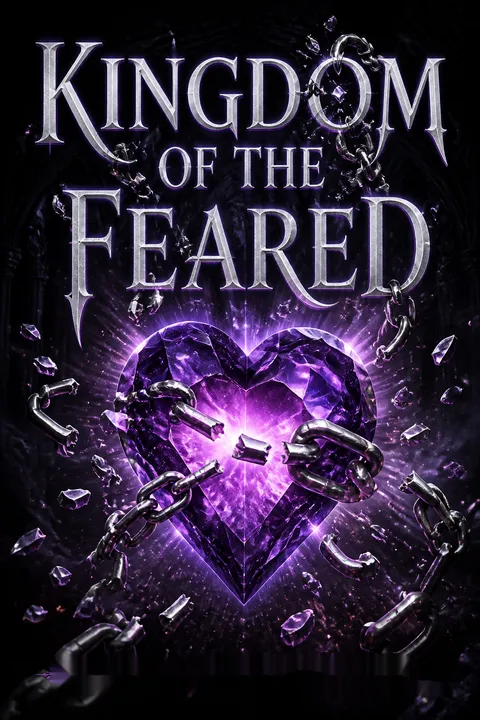
Kingdom of the Feared is a lush, emotionally charged fantasy that explores the boundaries between love and vengeance, power and vulnerability, destiny and choice. At its heart, the novel is a meditation on the cost of truth and the possibility of redemption. Through its intricate plot, complex characters, and masterful use of duality and prophecy, the story challenges readers to question the nature of justice, the limits of forgiveness, and the true meaning of power. The curse that binds the characters is both a literal and metaphorical prison—one that can only be broken by sacrifice, self-knowledge, and the willingness to choose love over fear. The novel's modern resonance lies in its exploration of trauma, agency, and the struggle to reclaim one's narrative in a world determined to define you by your worst moments. Ultimately, Kingdom of the Feared is a story about the transformative power of love—not as a panacea, but as a hard-won, fiercely defended choice. It is a reminder that even in the darkest of worlds, hope, healing, and connection are possible, and that the most powerful magic is the one we choose to create together.
Review Summary
Kingdom of the Feared received mixed reviews, with many readers disappointed by the finale. Critics felt the plot was underdeveloped and inconsistent, overshadowed by excessive romantic scenes. Some praised the world-building and character development, while others found the protagonists one-dimensional. Many were dissatisfied with the resolution of plot threads and felt the ending was rushed. The book's marketing as YA despite mature content was also criticized. Overall, opinions were divided, with some fans enjoying the conclusion while others felt it didn't live up to the series' potential.
Characters
Emilia di Carlo
Emilia is the emotional and narrative core of the novel—a young woman who begins as a mortal witch, only to discover she is the goddess of fury, one half of the Feared. Her journey is one of self-discovery, sacrifice, and transformation. Driven by love for her twin, Vittoria, and her growing bond with Wrath, Emilia is torn between vengeance and mercy, power and vulnerability. Her psychoanalysis reveals a deep fear of abandonment and a desperate need for connection, which is both her strength and her weakness. Through pain, betrayal, and loss, Emilia learns to balance her rage with compassion, ultimately choosing love over power. Her development is marked by increasing agency, self-acceptance, and the willingness to make the ultimate sacrifice for the greater good.
Vittoria di Carlo
Vittoria is Emilia's twin and the goddess of death, the other half of the Feared. Her role is both antagonist and ally—her actions drive much of the plot's conflict, yet her motivations are rooted in pain, betrayal, and a longing for justice. Vittoria's psychoanalysis reveals a complex interplay of love, resentment, and ambition. She is fiercely protective of her sister, yet her methods are ruthless, often blurring the line between justice and vengeance. Her alliances with wolves, vampires, and demons are strategic, but her true desire is to reclaim her power and restore House Vengeance. Over the course of the story, Vittoria's humanity is both lost and rediscovered, culminating in a fragile but genuine reconciliation with Emilia.
Wrath (Samael)
Wrath is the Prince of War, the literal devil, and Emilia's fated partner. His character is defined by a constant struggle between his namesake sin and his capacity for love. Wrath's psychoanalysis reveals a deep-seated fear of vulnerability and loss, stemming from ancient betrayals and the curse that has haunted him for centuries. His relationship with Emilia is transformative—she is both his equal and his salvation. Wrath's development is marked by increasing openness, the willingness to sacrifice power for love, and the ultimate acceptance of his own humanity. His journey from cold, calculating general to devoted partner is one of the novel's most compelling arcs.
Greed
Greed is one of the seven demon princes, ruling over his House with cunning and ruthlessness. His role in the murder mystery and the political intrigue is central—he is both victim and perpetrator, seeking vengeance for the loss of his commander, Vesta, while hiding his own culpability. Greed's psychoanalysis reveals a deep insecurity masked by bravado and a relentless drive for power. His relationships with the other princes are fraught with rivalry and mistrust, and his interactions with Emilia are marked by both respect and resentment. Greed's development is a cautionary tale about the dangers of unchecked ambition and the cost of betrayal.
Lust
Lust is the prince of his namesake sin, ruling over a court of sensuality and excess. His role is both comic relief and catalyst—his interventions often provoke chaos, but his insights into desire and motivation are surprisingly astute. Lust's psychoanalysis reveals a fear of intimacy masked by constant seduction and performance. His relationship with Wrath is competitive but affectionate, and his interactions with Emilia are marked by both flirtation and genuine respect. Lust's development is subtle—he remains true to his nature, but his loyalty to his family and his willingness to support Emilia's quest hint at a deeper capacity for connection.
Envy
Envy is the most complex of the demon princes—a fallen angel with a broken heart and a sharp tongue. His role shifts from antagonist to reluctant friend, providing both obstacles and crucial assistance to Emilia. Envy's psychoanalysis reveals a profound sense of loss and a desperate need for validation, which he masks with sarcasm and detachment. His relationship with Emilia evolves from hostility to genuine friendship, marked by mutual respect and shared pain. Envy's development is a testament to the possibility of redemption, even for those most consumed by their own flaws.
Sloth
Sloth is the prince of indolence, preferring books and contemplation to action and intrigue. His role is that of the observer—he provides crucial insights, medical expertise, and a calm counterpoint to the other princes' volatility. Sloth's psychoanalysis reveals a fear of engagement and a preference for safety over risk, but his loyalty to his family and his willingness to act when necessary show hidden depths. His relationship with Emilia is respectful, and his development is marked by a gradual willingness to participate in the world's chaos.
Claudia (Lucia)
Claudia is Emilia's best friend and, unbeknownst to all, the lost wife of Pride and the daughter of the First Witch. Her role is pivotal—she is the keeper of the Blade of Ruination and the secret to breaking the curse. Claudia's psychoanalysis reveals a longing for belonging and a fear of her own power, which leads her to choose forgetting over facing her pain. Her relationship with Emilia is a source of genuine warmth and support, and her development is a quiet triumph of agency and self-acceptance.
The First Witch (Sursea)
Sursea is the original architect of the curse, the mother of Lucia, and the embodiment of pride and vengeance. Her role is that of the ultimate antagonist—her schemes, betrayals, and manipulations drive much of the plot's conflict. Sursea's psychoanalysis reveals a tragic inability to let go of control, a fear of loss, and a willingness to sacrifice anything for her own ends. Her relationship with her daughter is fraught with pain and misunderstanding, and her interactions with Emilia and Wrath are marked by mutual hatred and grudging respect. Sursea's development is a cautionary tale about the dangers of pride and the cost of vengeance.
Domenico
Domenico is a shape-shifter and Vittoria's primary ally. His role is both protector and potential threat—his loyalty to Vittoria is unwavering, but his own struggles with identity and control make him unpredictable. Domenico's psychoanalysis reveals a deep need for belonging and a fear of losing those he loves. His relationship with Emilia is antagonistic but respectful, and his development is marked by increasing self-awareness and the willingness to fight for his chosen family.
Plot Devices
Duality and Mirror Imagery
The narrative structure is built on dualities: sisters and rivals, love and vengeance, mortal and immortal, witch and demon, past and present. Mirrors—literal and metaphorical—are used throughout to reflect characters' true selves, hidden desires, and the shifting nature of identity. The use of the Shadow Realm, the Well of Memory, and the shifting realities of the Shifting Isles all reinforce the theme that truth is multifaceted and often obscured. The curse itself is a plot device that blurs memory, warps perception, and forces characters to confront the parts of themselves they most fear.
Prophecy and Foreshadowing
The story is driven by prophecy—a warning of chaos if the Feared are unleashed, a curse that can only be broken by sacrifice, and the ever-present threat of destiny. Foreshadowing is used masterfully: early warnings, cryptic phrases ("As above, so below"), and repeated motifs (blood, hearts, fire, ice) all hint at the story's ultimate resolution. The narrative structure is cyclical—past mistakes are repeated, old wounds are reopened, and the only way forward is through acceptance and transformation.
Political Intrigue and Murder Mystery
The murder of Vesta and the subsequent investigation provide a framework for exploring themes of justice, vengeance, and the cost of truth. The demon courts are rife with intrigue, shifting alliances, and betrayals. The use of blood oaths, enchanted skulls, and hexed objects adds layers of complexity and suspense. The resolution of the murder mystery is both a revelation and a catalyst for the story's final act.
Sacrifice and Redemption
The central plot device is sacrifice—Emilia's willingness to give up her magic, Wrath's willingness to risk everything for love, and the sisters' willingness to forgive each other. Redemption is possible, but only through pain, loss, and the acceptance of responsibility. The breaking of the curse is both a literal and symbolic act of healing, a testament to the power of love and the possibility of change.
FAQ
Synopsis & Basic Details
What is Kingdom of the Feared about?
- Unraveling Ancient Deceptions: Emilia, a powerful witch, delves deeper into the mysteries surrounding her twin sister Vittoria's supposed death, uncovering a vast conspiracy involving ancient curses, hidden identities, and the true nature of the demon princes and her own family. Her quest for truth leads her to confront shocking revelations about her past and the very fabric of her world.
- Love Amidst Chaos: As Emilia navigates the treacherous political landscape of the Seven Circles and the mortal realm, her complex and passionate relationship with Wrath, the King of Hell, intensifies. Their bond is tested by betrayal, ancient prophecies, and the constant threat of war, forcing them to confront their deepest fears and desires.
- Reclaiming Lost Power: Emilia discovers her true identity as a goddess of the underworld, a being of immense power long suppressed by a magical spell-lock. Her journey becomes one of reclaiming her full abilities, understanding her place in a world teetering on the brink of supernatural conflict, and ultimately choosing her allegiance between love, family, and destiny.
Why should I read Kingdom of the Feared?
- Intricate World-Building: The novel expands on the rich, gothic world of the Seven Circles, offering readers a deeper dive into the unique cultures and manifestations of each demon prince's sin, from Greed's opulent casino to Lust's sensual ballroom, providing a vivid and immersive experience.
- High-Stakes Romance: The central romance between Emilia and Wrath is a compelling blend of fierce passion, undeniable chemistry, and evolving trust, making their journey to an unbreakable bond a deeply satisfying emotional core amidst the supernatural chaos. Their dynamic is constantly challenged, keeping readers invested in their fate.
- Unpredictable Plot Twists: Maniscalco masterfully weaves a narrative filled with unexpected revelations, betrayals, and shifting allegiances, ensuring that readers are constantly surprised and engaged as Emilia uncovers layer after layer of hidden truths about her family, the demon princes, and the ancient curse.
What is the background of Kingdom of the Feared?
- Mythological Underpinnings: The narrative is deeply rooted in a unique blend of Christian and pagan mythology, featuring demon princes (like Lucifer/Pride, Wrath, Greed, Lust, Envy, Gluttony, Sloth) and ancient goddesses (Death and Fury), creating a rich tapestry of divine and infernal powers.
- Hidden Realms & Dimensions: The story introduces the concept of "Shifting Isles" – a dimension that mirrors the mortal world but can change time and place, serving as a prison for mortal souls and a hiding place for powerful beings, adding a complex layer to the world's geography and magical mechanics.
- Ancient Supernatural Conflict: The core conflict stems from an ancient war between powerful Star Witches (including Emilia and Vittoria's "mother" Celestia and "grandmother" Nonna) and the demon princes, marked by curses, betrayals, and a long-standing desire for vengeance that shapes the current events.
What are the most memorable quotes in Kingdom of the Feared?
- "Trust your heart, dear reader; it will always guide you where you need to go.": This epigraph sets a foundational theme of intuition and inner guidance, subtly foreshadowing Emilia's journey of self-discovery and her reliance on her own feelings amidst widespread deception.
- "As above, so below.": This recurring phrase, initially a witch's chant, evolves into a profound symbol of balance and interconnectedness between realms and powers, ultimately representing the harmonious union of Emilia's and Wrath's combined magic and their shared rule.
- "I am Fury in flesh and blood, and they would not forget what it meant to attack a goddess.": This declaration by Emilia marks her full embrace of her true identity and power, signifying a pivotal shift from a vulnerable witch to a formidable deity, ready to unleash her vengeance.
- "The devil may be unpleasant, but he doesn't play tricks. He bargains.": Sursea's cynical observation about Wrath highlights his calculating nature and adherence to rules, even in his villainy, contrasting with the deceptive tactics of others and revealing a core aspect of his character.
- "Magic doesn't make you powerful. Your courage. Your heart. Your very soul makes you a force to be reckoned with.": Wrath's powerful affirmation to Emilia encapsulates the novel's central theme that true strength comes not just from magical ability, but from inner fortitude, love, and conviction, especially after Emilia sacrifices her magic.
What writing style, narrative choices, and literary techniques does Kerri Maniscalco use?
- First-Person Perspective: The story is told from Emilia's first-person point of view, immersing readers directly into her thoughts, emotions, and discoveries, which enhances the impact of the plot twists and personal revelations. This perspective also allows for her internal struggles with her identity and morality to be deeply explored.
- Sensory-Rich Descriptions: Maniscalco employs vivid and evocative sensory details, particularly in describing the demon courts, food, and intimate moments, creating a lush and immersive atmosphere. For example, the "merlot-colored water" of Greed's canals or the "sweet, sickly smell of charred flesh" during battle.
- Foreshadowing and Misdirection: The narrative is replete with subtle hints, recurring motifs, and deliberate misdirection, keeping readers guessing. Early visions, cryptic warnings, and seemingly insignificant details often gain profound significance later, rewarding attentive readers and building suspense.
- Symbolism and Motif: Recurring symbols like the rose-gold flames, the serpent, the moon phases, and specific colors (lavender, ruby, black, gold) are woven throughout the text, enriching the thematic depth and hinting at character identities and magical properties.
- Pacing and Emotional Intensity: The plot maintains a fast pace, punctuated by moments of high emotional intensity, particularly during confrontations, magical displays, and intimate scenes, creating a rollercoaster of tension and passion.
Hidden Details & Subtle Connections
What are some minor details that add significant meaning?
- The Serpent Tattoo's Evolution: Wrath's serpent tattoo, initially a symbol of his House, is mirrored by Emilia's own serpent tattoo that appears after their bond. This subtle detail signifies their deep, intertwined connection and shared destiny, moving beyond a mere alliance to a true merging of souls and power.
- Greed's Body Adornments: The description of Greed's courtiers having jewels "fused with their skin" or "placed tastefully on the side of their hands" hints at the extreme lengths to which the sin of Greed manifests, not just in material wealth but in the literal embodiment of covetousness, blurring the lines between adornment and possession.
- The "6-6-6" Motif: The recurring "six years, six months, and six days" in Wrath's bargain with Sursea, and the subsequent references to "six months" and "one day" remaining, subtly ties into the demonic symbolism of the number 666, emphasizing the infernal nature of the curse and the high stakes of their timeline.
What are some subtle foreshadowing and callbacks?
- Emilia's Early Visions: Emilia's initial, seemingly random visions or "illusions" during intimate moments with Wrath (like being chained in a cold room) are later revealed to be fragmented memories of her past as Fury, subtly foreshadowing her true identity and the nature of her spell-lock.
- Wrath's "Acta Non Verba": Wrath's personal motto, "Acta non verba" (deeds, not words), is a constant callback to his character. It foreshadows his preference for demonstrating his love and loyalty through actions rather than verbal declarations, which Emilia eventually comes to understand and appreciate deeply.
- The "Heart" Motif: The repeated references to hearts – Vittoria's "heartless" body, the removal of mortal hearts, Wrath's "heart" being taken by the curse, and Emilia's choice to give her heart – subtly foreshadow the ultimate sacrifice and exchange of power that breaks the curse, emphasizing the emotional core of the narrative.
What are some unexpected character connections?
- Claudia as Lucia, Pride's Wife: The revelation that Emilia's mortal friend, Claudia, is actually Lucia, Pride's long-lost wife, is a significant and unexpected twist. This connection deepens the historical conflict between the witches and demons, showing how personal relationships were entangled in ancient schemes.
- Vesta's True Identity and Fate: The "murder" of Greed's commander, Vesta, is revealed to be a misdirection. Vesta is actually Marcella, a hybrid demon-werewolf, and her "death" was a staged escape orchestrated by Vittoria and Domenico, connecting her to a larger narrative of family reunion and rebellion against demonic captivity.
- Antonio's Role: Antonio, Emilia's childhood crush, is revealed to be a pawn in Vittoria's schemes, manipulated by the promise of resurrecting his mother. His brutal death at Vittoria's hand, and subsequent "resurrection" as a mindless servant, highlights Vittoria's ruthlessness and the dark side of her powers, connecting back to Emilia's initial quest for justice.
Who are the most significant supporting characters?
- Fauna: More than just a loyal handmaiden, Fauna serves as Emilia's confidante and a crucial ally in her research. Her unwavering loyalty and willingness to assist Emilia in dangerous magical experiments (like testing blood offerings or summoning Domenico) highlight the importance of genuine friendship amidst courtly intrigue.
- Anir: Wrath's second-in-command, Anir, embodies unwavering loyalty and military precision. His presence often signals Wrath's strategic planning and readiness for conflict, providing a grounded, reliable counterpoint to the volatile demon princes and emphasizing the strength of Wrath's House.
- Sloth: While seemingly lazy and detached, Sloth is revealed to be highly intelligent and observant, often providing crucial, unbiased insights into complex situations. His analytical mind and ability to discern truth from deception make him a surprisingly valuable asset in unraveling the mysteries of the demon courts.
Psychological, Emotional, & Relational Analysis
What are some unspoken motivations of the characters?
- Wrath's Protective Instincts: Wrath's initial "coldness" and reluctance to complete the marriage bond are not due to a lack of love, but an unspoken fear of losing Emilia again due to the curse. His actions, like providing the "bleeding heart" tonic, are driven by a deep-seated desire to protect her from the same fate he endured, even if it means suppressing his own emotions.
- Vittoria's Twisted Love: Beyond simple revenge, Vittoria's extreme actions, including manipulating Emilia and orchestrating chaos, are subtly motivated by a twisted form of love and a desire to "free" Emilia from her mortal constraints. She believes her ruthless methods are necessary to restore their true power and secure their shared destiny as goddesses, even if it means causing pain.
- Nonna's Burden of Duty: Nonna's betrayal and the spell-lock on Emilia and Vittoria are driven by a profound, albeit misguided, sense of duty to protect the mortal realm from the "Feared" goddesses. Her actions, though cruel, stem from a belief in a greater good, highlighting the tragic consequences of fear and inherited obligations.
What psychological complexities do the characters exhibit?
- Emilia's Dual Identity Struggle: Emilia grapples with the psychological complexity of reconciling her mortal upbringing and human emotions with her true identity as a powerful, ancient goddess of Fury. This internal conflict is evident in her desire for peace versus her inherent vengeful nature, and her struggle to maintain empathy while wielding immense power.
- Pride's Hidden Vulnerability: Despite his outward arrogance and self-absorption, Pride exhibits a deep psychological vulnerability stemming from the loss of Lucia. His continued search for her and his reaction to her memory reveal a profound capacity for love and regret beneath his proud exterior, challenging the superficiality of his sin.
- Vittoria's Emotional Detachment: Vittoria's transformation into the Goddess of Death leads to a chilling emotional detachment, allowing her to commit horrific acts without remorse. This psychological shift is a complex exploration of how immense power and a singular focus on vengeance can erode humanity, making her a formidable and unsettling character.
What are the major emotional turning points?
- Antonio's Death and Resurrection: Antonio's brutal murder by Vittoria, followed by his resurrection as a mindless servant, is a major emotional turning point for Emilia. It shatters her last vestiges of hope for Vittoria's redemption and forces her to confront the true extent of her sister's ruthlessness, fueling Emilia's resolve to act.
- Emilia's Memory Retrieval in the Memory Well: The experience in the Memory Well, particularly witnessing Lucia's painful decision to forget Pride and her past, is a profound emotional turning point for Emilia. It provides her with crucial information about the Sword of Ruin but also forces her to empathize with the sacrifices made by others, influencing her own choice to break the curse.
- Wrath's Confession of Love: Wrath's verbal confession of "I love you" to Emilia, after the curse is broken and his emotions are no longer suppressed, is a climactic emotional turning point. It signifies the complete healing of his curse and the full, unburdened acceptance of his feelings, solidifying their bond and fulfilling the prophecy.
How do relationship dynamics evolve?
- Emilia and Wrath: From Fated Enemies to Soulmates: Their relationship evolves from a reluctant alliance and intense attraction to a deep, trusting, and passionate partnership. The breaking of the curse allows Wrath to fully express his love, transforming their dynamic into one of true equals and soulmates, united in both power and affection.
- Emilia and Vittoria: From Devoted Twins to Conflicted Adversaries: The bond between Emilia and Vittoria undergoes a dramatic and painful evolution. What began as fierce sisterly love and a shared quest for vengeance devolves into a complex dynamic of betrayal, manipulation, and differing moral compasses, forcing Emilia to choose between family loyalty and a greater good.
- Pride and Claudia/Lucia: A Tragic, Unresolved Love: The revelation of Pride's enduring love for Lucia (Claudia) and the tragic circumstances of their separation (Lucia's choice to forget him due to her mother's manipulation) adds a layer of profound sadness. Their relationship remains unresolved, highlighting the lasting impact of external interference and unspoken truths.
Interpretation & Debate
Which parts of the story remain ambiguous or open-ended?
- The Old One's Full Intentions: While Celestia (the Old One/Matron of Curses and Poisons) is revealed as Emilia and Vittoria's mother and the architect of their spell-lock, her ultimate long-term goals and the full extent of her machinations remain somewhat ambiguous. Her motivations are complex, hinting at a larger, ongoing game beyond the immediate narrative.
- The Future of House Vengeance: While Vittoria reclaims House Vengeance, its future role in the Seven Circles and its relationship with the other Houses (especially with Emilia as Queen of Wrath's House) is left open-ended. The potential for continued conflict or a new era of uneasy coexistence remains to be seen.
- The Fate of the Star Witches: The Star Witches, particularly Nonna and Carolina, are defeated but their ultimate fate and whether they will continue to pose a threat or seek further revenge against the goddesses remain somewhat unresolved, leaving room for future conflicts.
What are some debatable, controversial scenes or moments in Kingdom of the Feared?
- Emilia's Actions in Greed's Court: Emilia's deliberate seduction of Lust and her provocative behavior in Greed's court to provoke Wrath is a controversial moment. While strategic, it raises questions about her methods and whether she fully embraces the "ends justify the means" philosophy, blurring the lines of her moral compass.
- Vittoria's "Sacrifice" of Antonio: Vittoria's cold-blooded murder of Antonio, followed by his resurrection as a puppet, is a highly controversial and disturbing scene. It sparks debate about the morality of her actions, even in pursuit of a "greater good," and highlights the extreme lengths she is willing to go, challenging readers' sympathy for her.
- The Nature of the Curse-Breaking Ritual: The ritual to break the curse, requiring Emilia to be stabbed by Wrath with the Sword of Ruin and sacrifice her magic, is debatable. It forces readers to question the necessity and ethics of such a painful and permanent loss of power, even for love, and whether it truly represents a "victory" for Emilia.
Kingdom of the Feared Ending Explained: How It Ends & What It Means
- The Curse is Broken, Power Transferred: The novel culminates with Emilia willingly sacrificing her magical power by being stabbed with the Sword of Ruin by Wrath. This act breaks the ancient curse that bound Wrath's emotions and suppressed Emilia's full goddess abilities. In a surprising twist, Emilia's magic is not lost but transferred to Wrath, manifesting as his restored, powerful wings, while Emilia gains a new, shared power with him. This signifies their complete union and balance.
- Emilia's Coronation and Shared Rule: Emilia is crowned Queen of the Seven Circles, solidifying her position as Wrath's co-ruler. This event, witnessed by the demon princes and Vittoria, marks a new era of power and unity. Her decision to rule alongside Wrath, despite losing her individual magic, emphasizes her choice of love and partnership over solitary power, fulfilling the "as above, so below" motif.
- Reconciliation and New Beginnings: The "murder" of Vesta is revealed as a staged escape, clearing Vittoria's name from that specific crime and leading to a fragile truce between the demon princes and House Vengeance. Emilia and Wrath's bond is fully realized, free from the curse's influence. The ending signifies a new beginning for the underworld, with the potential for peace, but also hints at lingering threats from the Star Witches and unresolved personal conflicts, leaving room for future stories.
Kingdom of the Wicked Series
About the Author
Other books by Kerri Maniscalco
Download PDF
Download EPUB
.epub digital book format is ideal for reading ebooks on phones, tablets, and e-readers.








































