
Summary Temporarily Unavailable
This summary is temporarily unavailable and is currently being updated. You can still explore the FAQs and other metadata below.
Trama
Strangers Arrive in Salento
Anna, a proud, unconventional woman from the North, arrives in the small southern village of Lizzanello in 1934 with her husband Carlo and their young son. While Carlo is overjoyed to return to his roots, Anna feels alien and isolated, immediately marked as "the outsider." The village's traditions and expectations for women clash with Anna's independent spirit, setting the stage for a life of both struggle and transformation. Her arrival is met with suspicion and curiosity, and even after decades, she remains the "foreigner," never fully accepted by the tight-knit community. Yet, Anna's presence will quietly begin to unravel the old ways.
Roots and Resistance
Anna's adjustment to southern life is fraught with tension. She resists the suffocating customs imposed on women, refusing to conform to expectations of piety and submission. Her relationship with her in-laws, especially Agata, is complicated by mutual misunderstanding and jealousy. Meanwhile, Carlo's brother Antonio, a gentle and introspective man, finds himself drawn to Anna's strength and difference, igniting a silent, forbidden longing. The family's daily life is a dance of affection, rivalry, and unspoken desires, as Anna's northern ways challenge the status quo and plant seeds of change.
Family Ties, Hidden Desires
The Greco family's story unfolds through shared meals, celebrations, and the slow building of trust and resentment. Anna's marriage to Carlo is passionate but tested by grief and the loss of their first child. Antonio's secret love for Anna simmers beneath the surface, creating a subtle but powerful undercurrent. The extended family, including Agata and her daughter Lorenza, become entangled in Anna's journey, each grappling with their own disappointments and hopes. The bonds of blood and marriage are both a comfort and a source of pain, as old wounds and new desires shape their lives.
Anna's Rebellion
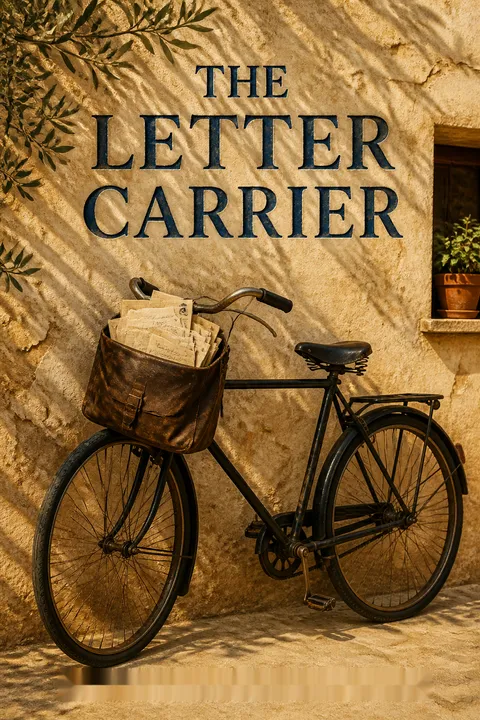
Restless and unwilling to be confined to domesticity, Anna seeks meaningful work. When the village postman dies, she boldly applies for the position, scandalizing the town by becoming the first female postwoman. Her victory is met with ridicule and skepticism, but Anna persists, determined to prove her worth. Delivering letters on foot and later by bicycle, she becomes an unexpected thread connecting the villagers' lives. Through her work, Anna witnesses the private joys and sorrows of the community, and her quiet defiance begins to inspire others, even as it strains her marriage.
The First Postwoman
Anna's daily rounds bring her into intimate contact with the hopes, secrets, and heartbreaks of Lizzanello. She delivers news from the front, love letters, and messages of loss, becoming a confidante and silent witness to the village's hidden dramas. Her presence challenges gender roles and unsettles the men, while some women quietly admire her courage. Anna's friendship with the marginalized Giovanna, whom she teaches to read, becomes a symbol of her commitment to lifting others. Over time, Anna's persistence weaves her into the fabric of the village, even as she remains an outsider.
Letters and Secrets
The power of letters—both those delivered and those concealed—shapes the destinies of many. Anna helps Giovanna correspond secretly with her lover, a priest, using ingenious methods to hide their words. Meanwhile, Carlo's old flame Carmela reveals a devastating secret: her son Daniele is actually Carlo's, a truth hidden for years. The revelation shakes the family's foundations, forcing Carlo and Antonio to confront the consequences of past choices. Anna's own marriage is tested by jealousy, pride, and the weight of secrets, as the boundaries between love and loyalty blur.
War and Separation
The outbreak of war brings fear, loss, and upheaval. Young men are sent to the front, and Anna delivers both hope and heartbreak to their families. Antonio, tormented by his feelings for Anna and his own restlessness, leaves for Africa, seeking escape and redemption. The war's hardships deepen the bonds among the women, who support each other through grief and deprivation. Anna's role as postwoman becomes even more vital, as she carries the emotional burdens of an entire village. The war changes everyone, leaving scars that will shape the years to come.
The Price of Independence
Anna's insistence on living by her own rules comes at a price. Her marriage to Carlo suffers under the strain of pride and misunderstanding, while the village's gossip and resistance never fully abate. Anna's friendship with Giovanna is tested by the latter's abusive relationship with the priest, and Anna's attempts to help are met with both gratitude and pain. The next generation, especially Lorenza, struggles with the expectations placed upon them, as the old world collides with new possibilities. Anna's journey is one of resilience, but also of loneliness and loss.
Love, Betrayal, Forgiveness
The tangled web of love, betrayal, and forgiveness ensnares the Greco family. Lorenza, Antonio's daughter, falls in love with Daniele, unaware he is her cousin. Their forbidden love is marked by longing and heartbreak, as family secrets and societal taboos threaten to destroy them. Anna and Antonio's unspoken love reaches a breaking point, culminating in a confrontation that leaves both wounded. The family is forced to reckon with the consequences of their choices, as forgiveness becomes both a necessity and an impossibility. The cycle of love and pain continues across generations.
The Weight of Tradition
The struggle between tradition and change intensifies as the postwar years bring new opportunities and challenges. Anna's efforts to empower women—through education, work, and solidarity—meet resistance from the village and even from within her own family. The younger generation faces their own battles: Lorenza's unhappy marriage, Daniele's quest for identity, and Roberto's coming of age. The village clings to its old ways, but Anna's quiet revolution plants seeds that will eventually bear fruit. The cost of breaking free from the past is high, but the alternative is stagnation.
The Cost of Ambition
Carlo's ambition to build a successful winery brings both prosperity and division. His partnership with Daniele, the secret son, creates tension and jealousy, especially as Daniele's talents and drive become apparent. The inheritance of the winery becomes a battleground for legacy and belonging, forcing the family to confront uncomfortable truths. Anna's own ambitions—to create a refuge for women, to live authentically—are met with skepticism and hostility. The pursuit of dreams demands sacrifice, and not everyone is willing or able to pay the price.
The House for Women
Anna's vision of a "Casa per le Donne" finally becomes reality. The house becomes a haven for women in need—those abused, abandoned, or simply seeking a new start. Anna's leadership and compassion transform the lives of many, including her old friend Giovanna and the outcast Melina. The project faces opposition from the church and conservative villagers, but Anna's determination prevails. The house stands as a testament to the power of female solidarity and the possibility of change, even in the most traditional of places.
Loss and New Beginnings
The deaths of Carlo and other loved ones leave Anna and the family adrift. Each must find their own way through grief: Anna in her work and friendships, Antonio in his solitude, Lorenza in her troubled marriage and motherhood. The next generation, especially Roberto and Giada, begin to forge their own paths, shaped by the legacy of those who came before. The house for women becomes a symbol of hope and renewal, as Anna and her companions learn to live with loss and embrace new beginnings.
The Next Generation
As the years pass, the children of the Greco family come of age. Roberto takes on the responsibility of the winery, guided by Daniele's mentorship and Anna's example. Giada, Lorenza's daughter, grows up surrounded by strong women and the stories of those who fought for a better life. The choices and sacrifices of the previous generation echo in the lives of the young, who must decide what to carry forward and what to leave behind. The cycle of love, ambition, and struggle continues, but with new hope.
The Unspoken Truth
The long-hidden truths about Daniele's parentage and the forbidden love between cousins come to light, forcing the family to confront the past. The revelation brings pain but also a measure of understanding and closure. Anna and Antonio's relationship, marked by love, resentment, and regret, reaches its final reckoning. The family must learn to live with the consequences of their choices, finding forgiveness where they can and accepting what cannot be changed. The truth, once spoken, allows for healing and the possibility of peace.
The Enduring Letter
As Anna's life draws to a close, she writes a letter to Antonio, confessing the depth of her feelings and the reasons for their lifelong estrangement. The letter becomes a testament to the complexity of love, loyalty, and the impossibility of simple answers. Anna's legacy endures not only in her family and the house for women, but in the quiet revolutions she inspired. The village, changed by her presence, will never be the same. The story comes full circle, as the outsider becomes the thread that binds the community together.
Farewell, Postwoman
Anna's death is met with both mourning and reflection. The village, once hostile, now recognizes the impact she had on their lives. At her funeral, the symbols of her journey—the postwoman's cap, the mortaio, the baby socks—speak to the many roles she played: mother, wife, friend, rebel, and healer. The family gathers to honor her memory, each carrying forward a piece of her spirit. The house for women stands as her greatest achievement, a living monument to resilience and compassion.
The Circle Closes
In the aftermath of Anna's passing, the family and village reckon with her legacy. Old wounds are acknowledged, if not fully healed, and the next generation steps into the future shaped by her example. The story closes with a sense of completion and continuity: the outsider who became indispensable, the family forever changed, and a community quietly transformed. Anna's life, marked by struggle and defiance, becomes a story of hope for all who come after.
Analysis
La portalettere is a sweeping, multi-generational portrait of a family and a village in southern Italy, told through the lens of a woman who refuses to be defined by her origins or her gender. At its core, the novel is about the tension between tradition and change, the costs and rewards of independence, and the enduring power of love in its many forms—romantic, familial, and platonic. Francesca Giannone uses Anna's outsider status to critique the limitations imposed on women and to celebrate the quiet revolutions that reshape communities from within. The novel's structure—interweaving personal stories, historical events, and symbolic objects—creates a rich tapestry of memory and meaning. Its lessons are both universal and timely: that true change begins with the courage to defy expectations, that solidarity among women can break cycles of abuse and silence, and that the legacies we leave are measured not by conformity, but by the lives we touch and the barriers we break. Anna's journey, marked by loss, resilience, and compassion, becomes a testament to the possibility of transformation—for individuals, families, and entire communities.
Ultimo aggiornamento:
Report IssueSintesi delle recensioni
Altri hanno letto anche

Characters
Anna Allavena
Anna is the heart of the novel—a fiercely independent, intelligent woman who refuses to be defined by the expectations of her time or her adopted village. Her northern origins and refusal to conform make her a perpetual outsider, but also a quiet revolutionary. Anna's relationships—with her husband Carlo, her brother-in-law Antonio, her friend Giovanna, and her children—are marked by both love and conflict. She is driven by a need for purpose and justice, leading her to become the first female postwoman and later the founder of a refuge for women. Anna's psychological complexity lies in her simultaneous vulnerability and strength, her longing for acceptance, and her refusal to compromise her values. Her journey is one of resilience, loss, and the transformative power of compassion.
Carlo Greco
Carlo is Anna's husband, a man of the South who embodies both the warmth and the contradictions of his homeland. He is ambitious, charming, and deeply attached to family and tradition, yet drawn to Anna's difference and strength. Carlo's pursuit of success—first in returning home, then in building a winery—brings both prosperity and tension. His relationships are marked by love, pride, and a need for control, especially as Anna's independence challenges his sense of self. Carlo's hidden past, including his affair with Carmela and the secret son Daniele, haunts him. His psychological arc is one of pride, regret, and ultimately, a quiet acceptance of change and mortality.
Antonio Greco
Antonio, Carlo's older brother, is a man of introspection and quiet strength. He is the emotional anchor of the family, often sacrificing his own desires for the sake of others. Antonio's secret love for Anna is a source of lifelong pain and longing, shaping his relationships with his wife Agata and daughter Lorenza. He is both a protector and a prisoner of duty, torn between loyalty and unfulfilled passion. Antonio's psychological journey is marked by repression, guilt, and the search for meaning beyond self-sacrifice. His bond with Anna is both his greatest solace and his deepest wound.
Agata Greco
Agata is Antonio's wife, a woman shaped by the expectations of her time and place. She is practical, hardworking, and fiercely protective of her family, but also deeply insecure and jealous of Anna's independence. Agata's relationship with Antonio is marked by both affection and frustration, as she senses his emotional distance. Her love for her daughter Lorenza is complicated by disappointment and fear of failure. Agata's psychological complexity lies in her struggle to reconcile her own desires with the roles imposed upon her, leading to moments of both tenderness and bitterness.
Lorenza Greco
Lorenza, the daughter of Antonio and Agata, grows up in the shadow of family expectations and the legacy of loss. Sensitive and intelligent, she is drawn to forbidden love with Daniele, unaware of their true kinship. Lorenza's journey is one of longing, rebellion, and heartbreak, as she navigates the constraints of tradition and the pain of unfulfilled dreams. Her struggles with mental health, motherhood, and identity reflect the generational impact of the family's choices. Lorenza's psychological arc is marked by impulsiveness, vulnerability, and the search for belonging.
Daniele Carlà
Daniele is the hidden child of Carlo and Carmela, raised as Nicola's son but forever marked by his true parentage. Sensitive, creative, and hardworking, Daniele seeks acceptance and purpose, first as a bracciante, then as a winemaker and aspiring designer. His love for Lorenza is both passionate and tragic, doomed by the revelation of their kinship. Daniele's psychological journey is one of identity, betrayal, and the quest for self-worth. His relationships with Carlo, Carmela, and Roberto are fraught with longing and loss, as he struggles to claim his place in the world.
Carmela
Carmela is Carlo's childhood friend and former lover, whose life is shaped by pride, ambition, and the pain of abandonment. Forced into a loveless marriage after being left by Carlo, she channels her energy into her work as a seamstress and the upbringing of Daniele. Carmela's relationship with Anna is marked by rivalry and resentment, but also a grudging respect. Her psychological complexity lies in her refusal to be a victim, her manipulation of secrets, and her struggle to find dignity in a world that has denied her agency.
Giovanna
Giovanna is an outcast in the village, dismissed as "the crazy one" but revealed to be a woman of deep feeling and intelligence. Anna's friendship and mentorship help her overcome illiteracy and abuse, particularly at the hands of her lover, the priest Giulio. Giovanna's journey from victim to survivor is a testament to the power of solidarity and self-discovery. Her psychological arc is one of healing, trust, and the reclaiming of her own story.
Roberto Greco
Roberto, Anna and Carlo's son, grows from a lively child into a responsible young man, inheriting both the winery and his mother's spirit. He is shaped by the legacy of family secrets, the mentorship of Daniele, and the expectations placed upon him. Roberto's coming of age is marked by the challenge of balancing tradition and innovation, as well as the search for his own identity. His relationships with Anna, Daniele, and Maria reflect the ongoing negotiation between past and future.
Maria
Maria, Roberto's partner, is a figure of calm and support, embodying a different kind of feminine strength. Her relationship with Roberto is marked by devotion and adaptability, as she navigates the complexities of joining the Greco family. Maria's psychological role is to provide stability and warmth, offering a counterpoint to the more turbulent characters. Her presence highlights the possibility of happiness found in acceptance and partnership.
Plot Devices
Epistolary Connections and Hidden Messages
Throughout the novel, letters and written messages serve as both literal and symbolic connectors between characters. Anna's work as a postwoman makes her the invisible thread linking the village's private lives, while secret messages—hidden under stamps or in unsent letters—drive the plot's revelations and betrayals. The act of reading and writing becomes a means of empowerment, especially for women like Giovanna, and a way to challenge silence and isolation.
Generational Cycles and Parallel Lives
The narrative structure weaves together the stories of multiple generations, highlighting how the choices, traumas, and desires of parents are mirrored or resisted by their children. The forbidden love between Anna and Antonio finds a parallel in that of Lorenza and Daniele; the struggle for independence and belonging recurs in each generation. This cyclical structure emphasizes both the persistence of tradition and the possibility of change.
Outsider Perspective and Social Critique
By positioning Anna as a perpetual outsider, the novel uses her perspective to critique the rigid gender roles, conservatism, and hypocrisy of rural southern Italy. Her defiance exposes the cracks in the social order, while her gradual integration—never complete—demonstrates both the limits and the impact of individual rebellion. The village itself becomes a character, resistant yet ultimately transformed by Anna's presence.
Symbolism of Objects and Rituals
Objects such as the postwoman's cap, the mortaio, the baby socks, and the pumo serve as recurring symbols of heritage, loss, and hope. Rituals—making pesto, celebrating holidays, tending the garden—anchor the characters in their histories and relationships, providing continuity amid upheaval. These symbols ground the emotional arc of the story, making the abstract tangible.
Feminist Awakening and Collective Action
Anna's journey from individual rebellion to collective empowerment is mirrored in the creation of the Casa per le Donne. The narrative uses her story to explore the broader feminist awakening of mid-century Italy, showing how personal acts of defiance can inspire and enable others. The house becomes a microcosm of possibility, where education, work, and solidarity offer alternatives to oppression.
Narrative Framing and Retrospective Voice
The novel opens and closes with Anna's death and the community's response, framing the story as a reflection on legacy and the passage of time. The use of letters, flashbacks, and shifting perspectives allows for a layered exploration of memory, regret, and the meaning of a life. The final letter from Anna to Antonio serves as both confession and closure, tying together the personal and the communal threads.
Sull'autore
Scarica PDF
Scarica EPUB
.epub digital book format is ideal for reading ebooks on phones, tablets, and e-readers.








































