
Plot Summary
Freddy's Final Rager
The novel begins with a farewell to Freddy's Bar, a beloved institution transformed into a last stand of resistance against gentrification. Alicia, Brooklyn-born and caught between worlds, reflects on what this loss means: it's never just about a building or a bar, but about who gets to decide what things—and people—are worth. The bar's closure marks the end of an era and the dawn of a new, sanitized Brooklyn, and Alicia, driven by nostalgia and a whisper of hope to glimpse old friends and possibly La Garza, finds herself pulled back into the gravitational field of her turbulent home. Within the celebration and mourning, she senses bigger battles brewing—ones about value, displacement, and identity.
The Monkey and the Tree
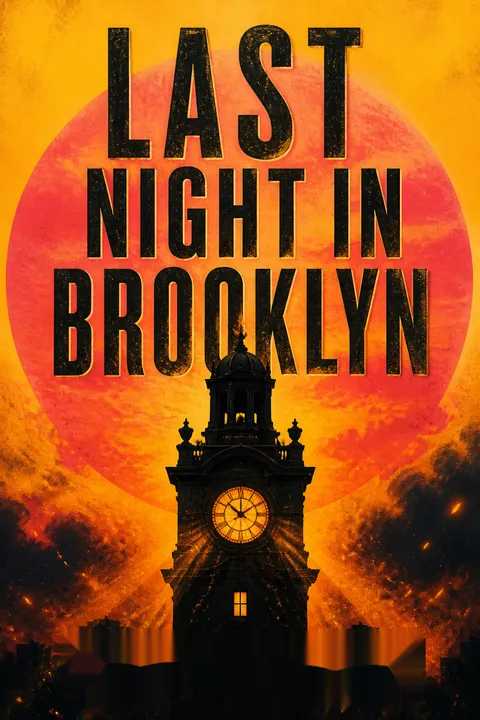
Alicia recalls her grandmother's saying, "El mono sabe en qué palo trepa"—the monkey knows which tree it climbs—symbolizing the tension between determinism and choice. In Brooklyn, where dreams and disasters intertwine, Alicia questions whether people can really be blamed for reaching too high in unfamiliar territory. The motif frames much of what is to come: who really knows the risks they're taking as the landscape changes around them? As Alicia looks up at the now-dominant Brooklyn Clock Tower, she pictures friends like La Garza climbing for success, only to find the air thin and the dangers unpredictable. This chapter foreshadows the complex fates of the characters as they navigate ambition and transformation.
New Brooklyn, Lost Roots
Alicia details her hybrid upbringing—Canales by nurture, Forten by name—straddling working-class Brooklyn and summertime glimpses of black elite privilege on Martha's Vineyard. Her engagement to James, a stable but conventional man, feels like her mother's solution to family longing and social insecurity. Yet Alicia is restless; her career in advertising and James's medical ambitions are pulling them in different directions. Amid these expectations, Brooklyn is also shifting beneath her, embodying a larger story of personal and collective identity crisis. Try as she might, neither familial loyalty nor marriage proposals can anchor her as Brooklyn transforms around her.
Nightlife Initiations
Lonely during James's absence, Alicia is swept into Lorraine's world—a vibrant circle of young, ambitious creatives in Fort Greene. Their nights are a blur of local bars, inside jokes, ambitions, and a sense of collective striving. Here, she feels at home among visionaries of color who help one another advance and unashamedly share big dreams. A turning point comes when she attends her first neighborhood adventure, witnessing the blend of joy, risk, and Bruklyn bravado that defines her new friends. More than parties, these gatherings affirm a Brooklyn spirit of mutual uplift and survival.
The Shopping Cart Queen
During a legendary night out, Alicia watches a woman known as La Garza—fashion designer and neighborhood legend—win an outlandish, heel-clad shopping cart race down Lafayette Avenue. While a spectacle, it's more than a party trick: La Garza's fearless self-fashioning marks her as both an insider and an enigma, someone who's both of Brooklyn and beyond it. Alicia is captivated, sensing in Garza a model of boldness and defiance that she herself craves. This event signals the intertwining of their fates and themes of risk, performance, and the relentless drive to make a mark before the city pushes you out.
Family Trees and Rings
Alicia's engagement is shaped as much by family history as by love. Her mother sees marriage into James's respectable family as the means to prune their "gnarled branch," redeeming a lineage haunted by absent fathers and old ghosts. Yet Alicia's heritage—both the pride and shame of being a Forten, the street wisdom from the Canales side—leaves her unsure where she truly belongs. The desire for security, for legacy, and for a life more than survival is complicated by Brooklyn's own struggle to define who gets to stay and who's left out. Underneath it all is the question: Can you root yourself somewhere that's always shifting?
Lucien Blue and Destiny
A night at Lucien Blue collides different strata of Brooklynites: natives, transplants, aspirational professionals, and the lurking presence of development. Conversations turn from music and dreams to heated debate about the new stadium's impact. Marcus, soon to be displaced from his apartment, voices the bitterness simmering among those being pushed out. Alicia, swept into the discussion, finds herself shifted from observer to participant in the drama of gentrification and belonging. Even in small talk, the tensions of ownership, history, and the right to the city play out, blurring the line between random encounters and destiny's hand.
All Roads Lead to Garza
Alicia's cousin Devon has returned to Brooklyn, moneyed and ambitious, dragging her into circles where business, family, and desire commingle. At Devon and Marla's house, she is introduced to Matteo Jones—a charismatic, biracial financier-slash-DJ with his own chip on his shoulder. The group's banter—on capitalism, race politics, and property—exposes fault lines between them. The night crescendos with Matteo's flirtatious kiss, signaling a new kind of attraction and trouble for Alicia. Throughout, La Garza's specter lingers as both catalyst and mystery, with everyone, consciously or not, orbiting her gravitational pull.
Fortune, Favors, and Facades
Alicia's NYC life whirls between work, weekend escapes to James in Syracuse, and deeper immersion in her creative crew's ecosystem. Parties and industry events become battlegrounds for status, alliances, and secrets, with everyone hustling for their piece of the new Brooklyn while clinging to its old soul. Alicia's accidental missed bus propels her into a fateful night with Marla and artist Felix, revealing the transactional underbelly of the city's art, money, and relationships. Friendships and business blur; everyone wants something, and favors exchanged are rarely free.
Business Is a Seduction
Garza enlists Alicia to help secure Devon's support for her fashion label's IPO, leveraging both nostalgia and seduction—through tailored suits, home-cooked pernil, and the unspoken heat of unfinished business. Their lunch meeting is staged performance and raw reckoning; Devon, returned to adolescence by Garza's power, is swept into her campaign. The boundaries between business, old love, and mutual use are blurred, but it's clear Garza's ambitions aren't just about money—they're about respect, legitimacy, and the right to claim space and story in a city that rarely waits for anyone.
The Long Road to IPO
As Garza's IPO draws near, her star rises and Brooklyn becomes fashionable overnight—packaged and sold as a new Montmartre. The process of going public, and the PR war waged to legitimize a Latina designer from the projects, demands self-reinvention and strategic erasure of inconvenient truths. Old friends get written out; new paper-thin alliances form. Underneath, Alicia sees the cost of whitewashing history and the compromises required to play the game. The myth of the self-made woman is built on bones, both literal (sacrificed neighborhoods) and emotional (abandoned loves, closed doors).
Summer of Reckonings
The summer before the IPO, Garza and Devon's discreet affair explodes into the open, immortalized in Page Six and a gallery portrait. Marla, once oblivious, reacts with cold fury and Machiavellian efficiency, banishing Felix and slamming every available door. Amid the lavish Hamptons events, the social circle fractures and legal shadows lengthen. Omar is arrested; the fragile financial edifice under Garza collapses. In a climactic lunch, Garza confronts Devon's family and receives, in public, the final heartbreak when he chooses duty over love. In her vulnerability, Brooklyn's harsh reality closes in.
Secrets, Risks, and Returns
As Garza's deal falls apart, Alicia's own emotional world shatters. Matteo's offer of escape to Hawaii is gently refused—Alicia recognizes the need for self-reckoning before partnership. In the background, the consequences of financial schemes, gentrification, and emotional deceit ripple outward: buildings are destroyed, old friends vanish, and the city's spirit is further commodified. Garza, isolated, faces threats from her business backers, culminating in her tragic murder—her story erased or twisted by those seeking profits or safety.
Edges of Love and Loyalty
In the wake of Garza's murder, the community gathers for a memorial that brings together every version of Brooklyn—old, new, erased, and enduring. Alicia reflects on the ways loyalty, love, and self-delusion shaped not only Garza's fate but her own. Devon ghosts from the scene; Matteo retreats. The myth of the self-made woman falls to dust, softened only by real connections and hard-won regret. Alicia witnesses the ongoing erasure: buildings razed, memories commodified, and Brooklyn's core threatened not by death but by indifference and time.
Marla's Confrontation
Marla's confrontation with Garza after the Page Six item is both comic and deeply tragic. The real war is between appearance and core identity, with Marla ultimately wielding her power through social and economic exclusion. Garza's bravado falters under Marla's precise, cold-blooded retribution. The rival women's exchange stands as a microcosm of the larger city battle: new money versus earned wisdom, self-invention versus authenticity, and the painful price of ambition in a city built on reinvention.
Crime, Collapse, and Consequence
As law enforcement closes in on Garza's financial backers, the last dominoes fall. Rumors swirl about who betrayed whom, the city's indifference sharpens, and everyone scrambles to cut their own losses. Garza, exhausted and exposed, is murdered under mysterious but pointed circumstances—a symbolic end to possibility and to the Brooklyn she helped build and mythologize. Her death, staged as peaceful but fundamentally violent, goes unsolved, as does most pain in the city. Alicia mourns, wishing she had shielded her friend from dreams that turned deadly.
Brooklyn's Watchtower Fades
Garza's funeral gathers every incarnation of Brooklyn past and present, but her legend is quickly washed away by new money, burning out along with her old studio, destroyed by arson. Those who tried to secure a legacy—Devon, Marla—escape with their reputations (and profits) intact as the neighborhood's physical and emotional memory is wiped clean. As Alicia listens and observes, she sees how much is lost when places and people are commodified, when the "watchtowers" are replaced by cold condos that offer no protection against forgetting.
Ashes, Endings, and Freedom
As Brooklyn's transformation becomes near-complete, Alicia's final acts are both personal and symbolic—a brick through the window of a new luxury condo, a last dance at Freddy's, and a bittersweet hope for freedom. The novel ends with her reflecting on what remains after dreams, friendships, and even physical neighborhoods are destroyed: the stories we tell, the lessons we carry, and the stubborn insistence to be seen, even when everything else is erased. Freedom, the book insists, is found not in safety or comfort but in the willingness to let go, to risk heartbreak, and to keep moving—always, inevitably—forward.
Analysis
Last Night in Brooklyn is a polyphonic tragedy about the churn of progress, the cost of self-invention, and the meaning of home in a city that will never love you back. Xóchitl González, riffing on the language and verve of contemporary Brooklyn, crafts a narrative that is both a cautionary tale and a love letter to the irrepressible, yearning spirit of communities under siege. Through Alicia's layered, often ambivalent voice, the novel explores the twin myths of self-making and erasure: who gets to claim a place, whose stories survive, and at what cost. The story is fiercely honest about the sacrifices required to "make it"—in business, love, or even just staying put—and the way ambition and loyalty often collide. Garza, in life and death, symbolizes both the fantasy and the futility of trying to negotiate respect on foreign terms; the narrative ultimately points to the limits of reinvention and the perils of nostalgia. As Brooklyn's watchtowers are replaced by glass condos, the novel insists that memory—sacred, stubborn, sometimes bitter—is the last true inheritance, and that freedom is found not in security, but in courageously letting go and marching forward, unbound and still singing.
Review Summary
Reviews for Last Night in Brooklyn are mixed, averaging 3.69/5. Many praise González's vivid portrayal of 2007 Fort Greene Brooklyn, her nuanced exploration of gentrification, class, and identity, and the strong audiobook narration by Elizabeth Rodriguez. Several readers highlight the novel's connection to The Great Gatsby, with La Garza as a Gatsby figure. Critics find the plot meandering, characters unlikable or underdeveloped, and the Gatsby parallels poorly executed. Fans of González's previous work generally respond positively, while newcomers sometimes struggle to connect with the story or characters.
People Also Read









Characters
Alicia Forten
Alicia anchors the story, pulled between the grounding wisdom of her Canales lineage and the aspirational status of her Forten name. Torn by her mother's hopes for marital redemption, she enters adulthood betrothed to James but lured by the freedom, risk, and camaraderie of a creative Brooklyn in flux. Her voice is marked by wit, humility, and a profound discomfort with ambiguity—psychologically shaped by abandonment, longing to belong, yet fiercely independent. As Brooklyn transforms around her, Alicia's journey is a reckoning: learning when to fight, when to let go, and—above all—how to claim her place both in love and in history.
La Garza (Garza Rivera)
Garza is a self-invented neighborhood legend: fearless, ultra-charismatic, mixing a street-hardened survival instinct with a vulnerable need for belonging and legitimacy. Her rise from Brooklyn projects to fashion world notoriety is marked by relentless hustle and an embrace of performance—glamorous parties, strategic seductions, cultivated mythologies. But beneath her confidence lies deep trauma: family tragedies, betrayal, and a craving for respect from worlds determined not to see her. Garza's psychological landscape is shaped by resilience but also wounds—she longs for both love and power, but her refusal to compromise on identity ultimately costs everything.
Devon Forten
Devon is Alicia's cousin—an emblem of "arrived" Black bourgeois Brooklyn. Intelligent, privileged, and always scheming to make legacy real, Devon is at once magnetic and deeply insecure, using relationships as means to consolidate status and soothe his own sense of lack. His affair with Garza is driven by both genuine passion and the thrill of transgression, but ultimately he is captive to the forces—family, money, appearances—that shaped his identity. Psychologically, he is torn between desire for authenticity and the terror of social exile, which leads, in the final count, to acts of both quiet courage and profound cowardice.
Marla Forten
Marla, initially presented as Devon's ornamental spouse, evolves into something far sharper: a shrewd, image-obsessed player of social games, capable of icy rejection and bold reinvention when threatened. Her interior life is marked by insecurity (born of her mother's death and a lifetime as a "plus one") and by a hunger to be "somebody" in her own right. She is threatened by Garza's authenticity and retaliates with surgical efficiency. At heart, she reveals the costs and benefits of survival through performance—a survivor who wins the game but is left hollow.
Matteo "Tayo" Jones
Biracial, successful both in finance and as a DJ, Matteo bridges worlds—never fully inside one or the other. He is charming, occasionally self-destructive, psychologically marked by an "insuperiority complex" born of always being "the only one" in elite white spaces. His relationship with Alicia is genuine and transformative—he is the rare man unthreatened by her wins, drawn to her complexity. Yet, when pressed, he also seeks escape. In the end, his gift is clear-eyed connection, mixed with a deep vulnerability and an insistence on dignity.
Lorraine
Lorraine is Alicia's anchor and point of comic relief, a fellow creative hustler whose wit and honesty help Alicia stay grounded. Her background and career—up-and-coming actress, temp-to-manager—reflect the tenacity required to thrive in Brooklyn's creative class. Though less central to the plot, Lorraine's departures and returns mirror the story's themes of friendship lost to ambition and the costs of upward mobility.
Augusts Jankovskis (Augie)
Augie is both Garza's earliest investor and her silent antagonist. As a streetwise, ambitious broker with ties to illegitimate financial schemes, he offers Garza the fast track to solvency while binding her to dangerous outsiders. Psychologically, he is a mirror of Garza's own hustle—redeemed by his loyalty but undone by envy and bitterness when she ultimately moves beyond his sphere. His love remains unrequited, his ultimate act rooted in wounded pride and the desire not to be forgotten.
James
Alicia's fiancé throughout much of the story, James represents the comfort of predictability and the security that both her mother and the social-climbing side of her family value. Kind, straightforward, but ultimately outpaced by Alicia's changing desires, he personifies the tension between safety and self-actualization. James is left behind not for lack of worth, but because he belongs to a world Alicia is growing past.
Felix
Felix is the creative linchpin of Brooklyn's bohemian set, a gifted portraitist enmeshed in the social and emotional currency of his patrons. His involvement in Devon and Marla's story—as both confidant and indirect threat—makes him both symptom and casualty of the city's transformations. Felix's fate (removal and erasure by Marla after the scandal) underscores the ruthless calculus of reputation and power.
Omar
The showman, party starter, and staple of Garza's circle, Omar is the embodiment of charisma and hustle. His warmth and generous spirit stand in contrast to the darker forces that draw him into criminal risk. His ultimate fate—arrest and forced flight—emphasizes the vulnerability of those left behind when protective networks collapse.
Plot Devices
Splintered Narrative and Shifting Perspective
Gonzalez consciously fractures the story into first-person reminiscence, vignettes, and extended flashbacks, weaving memories, rumors, and documentary-style storytelling into a mosaic of Brooklyn life. The effect is less a straight plot than an emotional tapestry, capturing the way place, ambition, and loss are felt as much as lived. The interplay of gossip, mythology, and self-serving narratives is itself a structural device, illustrating how stories are both protection and weapon.
Foreshadowing through Anecdote and Wisdom
Alicia's grandmother's proverb ("El mono sabe en qué palo trepa") and constant references to old wisdom serve as both thematic frame and method of foretelling. The "watchtower" motif—the idea of being watched, protected, or under threat—recurs, warning of future betrayals, heartbreak, and the city's cycles of erasure.
The IPO as Transformation Engine
Garza's pursuit of an IPO is a central plot device, representing not just personal success but the perilous need to be "seen" and made legitimate in the American city. The mechanics of going public—media manipulation, re-writing of biography, use of shady financing—drive both plot and character destruction, mapping the allegory of gentrification and the marketplace directly onto the fates of the novel's people.
Parties as Social Battlegrounds
The recurring use of parties—whether at Freddy's, La Garza's rooftop, or Blue Ribbon Oyster—serves as both catalyst and crucible, compressing characters into carnival spaces where rules are rewritten, alliances are tested, and secrets are revealed. Each party marks a plot threshold, from joyful beginnings to catastrophic endings.
Rumor as Both Guide and Misdirection
Both Garza's allure and downfall are constructed through the rumors that swirl around her. The power and price of myth is a key device: misinformation and half-truths create opportunity and shield the vulnerable, but also leave them unanchored in real intimacy. Who controls the narrative wins, but only briefly.
Download PDF
Download EPUB
.epub digital book format is ideal for reading ebooks on phones, tablets, and e-readers.








































