
Plot Summary
Blood on the Elevator
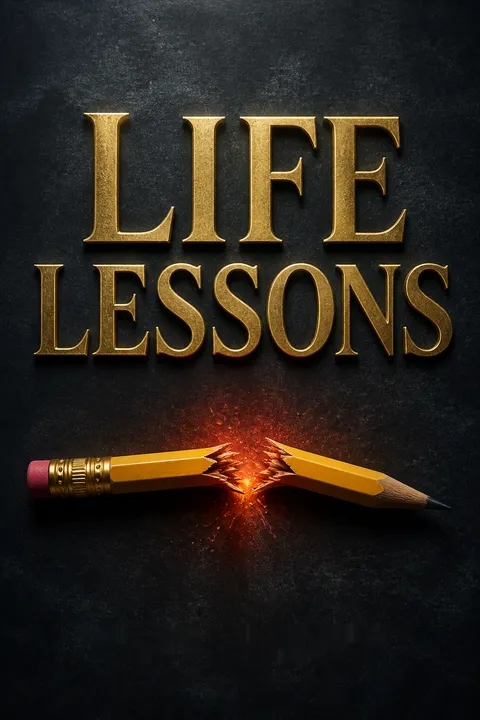
Tony Hart, a dedicated high school English teacher, stays late at Roosevelt High to finish a project. The school is eerily empty, and Tony's thoughts drift between his students and his own loneliness. As he waits for the slow elevator, his routine is shattered when a fellow teacher, Brian Westin, stumbles in—bleeding, dying, and with a knife in his chest. Tony's shock is compounded by the realization that the killer is still nearby, fleeing down the stairwell. He calls 911, his hands stained with blood, and soon the police arrive, transforming his ordinary life into a crime scene. The trauma of witnessing death up close leaves Tony shaken, guilt-ridden, and thrust into the center of a murder investigation.
Detective in the Closet
Detective Jared MacLean, a widowed father and closeted gay man, is assigned to the case. He's methodical, compassionate, and used to hiding his true self from the world. Meeting Tony at the scene, Mac is struck by the teacher's vulnerability and wit, but professionalism keeps his feelings in check. As Mac interviews Tony, he senses both innocence and pain, but Tony's proximity to the murder makes him a prime suspect. Mac's own secrets—his late wife, his daughter Anna, and his hidden sexuality—color his interactions, creating a subtle tension between duty and desire. The investigation begins, but so does a slow, mutual fascination.
Suspects and Secrets
The police comb through the school's staff and students, uncovering Westin's reputation as a petty, moralizing troublemaker. He had enemies: teachers he reported, students he failed, and colleagues he antagonized. Tony, as an openly gay teacher and advisor to the school's Gay-Straight Alliance, had clashed with Westin, making him a convenient suspect. Mac and his partner Oliver dig into alibis, motives, and the possibility of blackmail or drugs. Meanwhile, Tony's life is upended—he's questioned, scrutinized, and forced to relive the trauma. The school community is tense, rumors swirl, and the killer remains at large, watching.
Threats and Thumbtacks
As the investigation stalls, Tony receives anonymous threats—notes warning him to stay out of the case, accompanied by thumbtacks and dead insects. The threats escalate his anxiety, making him feel hunted and isolated. Mac takes the threats seriously, urging Tony to be cautious, but the teacher's stubbornness and sense of justice keep him involved. Their interactions grow more personal, with Mac's protective instincts clashing with Tony's independence. The school becomes a pressure cooker of suspicion, fear, and whispered accusations, while Tony's sense of safety erodes with every new threat.
Schoolyard Shadows
The detectives turn their attention to the students, especially athletes and those with disciplinary issues. Rumors of drugs, blackmail, and inappropriate relationships surface, but nothing concrete emerges. Tony, despite warnings, continues to support his students and tries to maintain normalcy in his classroom. He's both a figure of suspicion and a source of comfort for the kids. Mac, meanwhile, juggles the demands of the case, his responsibilities as a father, and his growing attraction to Tony. The investigation uncovers more secrets—confiscated items, overheard threats, and the complex web of relationships that define high school life.
Clues and Connections
A crucial clue emerges when a voicemail from the murder scene is recovered, capturing the killer's voice and the final moments of Westin's life. The evidence clears Tony as a suspect, but the killer's identity remains elusive. Mac and Tony's relationship deepens as they share personal histories—Mac's marriage of convenience, his struggles with being closeted, and Tony's role as a surrogate father to his late friend's son. Their bond is tested by the ongoing danger, but moments of vulnerability and trust bring them closer. The case, however, remains unsolved, and the threats against Tony intensify.
Hit and Run
Tony's world is shattered when he and his best friend Marty are targeted in a hit-and-run. Marty is killed, and Tony is left injured and traumatized. The attack is clearly linked to the murder investigation and the threats Tony received. Mac is wracked with guilt for not protecting Tony, and the case takes on new urgency. The police focus on vehicles connected to the school, narrowing down suspects. Tony, now both a victim and a witness, is forced into hiding for his own safety, while Mac's feelings for him become impossible to ignore.
Unraveling the Truth
A breakthrough comes when the police trace the hit-and-run vehicle to a student, Zach Peterson, who confesses to lending his car to Brad Parker, a star athlete with a history of drug dealing and a volatile temper. Evidence mounts—drugs in lockers, connections to Westin, and a pattern of escalating violence. Brad, feeling the net closing in, becomes desperate and dangerous. The investigation reveals the complicity of adults, including a teacher, Mary Pinski, who was involved in the drug scheme and tried to cover up Brad's crimes. The truth is tangled, but the pieces finally begin to fit.
Hostage in the Dark
Brad Parker, cornered and unraveling, takes Mary Pinski and Tony hostage, forcing them into a car at gunpoint. He kills Mary and drags Tony to a remote house, where he plans his escape. Tony, injured and bound, uses his wits to communicate with Mac and the police outside, sending coded messages and stalling for time. The standoff is tense, with Brad growing more unstable and the threat of violence ever-present. Mac, leading the negotiation, risks everything to save Tony, relying on their bond and Tony's courage to bring the crisis to a close.
Standoff and Sacrifice
As the police surround the house, Tony manages to follow Mac's coded instructions, creating an opportunity for the SWAT team to take the shot. Brad is wounded and captured, and Tony is finally freed, battered but alive. The aftermath is a blur of relief, exhaustion, and grief for those lost. Mac and Tony, both changed by the ordeal, confront their feelings for each other. The case is closed, but the scars—physical and emotional—remain. Healing begins, but so does the challenge of building a life together in the aftermath of trauma.
Aftermath and Healing
Tony struggles with nightmares, survivor's guilt, and the lingering effects of violence. Mac supports him, sharing his own experiences with trauma and loss. Their relationship deepens as they learn to lean on each other, navigating the complexities of secrecy, family, and the demands of their jobs. The school community mourns its losses and slowly returns to normal. Tony finds solace in his students, his surrogate son Ben, and the quiet moments with Mac. Together, they begin to imagine a future beyond fear.
Love in the Open
In the months that follow, Tony and Mac work to reconcile their private love with the realities of a world that isn't always accepting. They find joy in small moments—time with their children, shared laughter, and the comfort of each other's presence. The scars of the past remain, but so does the determination to live honestly and fully. The story ends with a sense of hope: that love, even when hard-won and hard-kept, is worth the risk. Tony and Mac, no longer just survivors, become partners—choosing each other, day by day, in the open light.
Analysis
A modern queer mystery about trauma, love, and authenticityLife Lessons is more than a murder mystery; it's a nuanced exploration of what it means to survive violence, love bravely, and live authentically in a world that often demands secrecy. Through the intertwined journeys of Tony and Mac, the novel examines the costs of hiding—whether from danger, desire, or one's own truth—and the courage required to step into the light. The story's emotional arc is shaped by trauma, but also by resilience, humor, and the healing power of connection. The depiction of chosen family, the challenges of being out in a conservative environment, and the slow, hard-won intimacy between two men are rendered with empathy and realism. Ultimately, Life Lessons argues that love—messy, risky, and imperfect—is worth fighting for, and that even in the aftermath of violence, hope and healing are possible. The novel's lessons are as much about living fully as they are about solving a crime: trust, reach out, and choose authenticity, even when the world makes it hard.
Review Summary
Life Lessons received mostly positive reviews, with readers praising the well-developed characters, engaging mystery plot, and realistic romance between Tony and Mac. Many appreciated the slow-burn relationship and the balance between suspense and romance. Some readers found the mystery predictable, while others enjoyed the police procedural aspects. The book's handling of Mac's closeted status and Tony's openness was generally well-received. A few reviewers noted issues with pacing or character development. Overall, readers found it an enjoyable start to the series, with many looking forward to continuing the story.
People Also Read


Characters
Tony Hart
Tony is a passionate, openly gay English teacher whose life is upended by witnessing a colleague's murder. He's intelligent, witty, and deeply committed to his students, often putting their needs above his own safety. Tony's role as a surrogate father to his late friend's son, Ben, reveals his nurturing side and his longing for family. Psychologically, Tony is marked by past losses and a tendency to internalize guilt, but he's also resilient and courageous. His relationship with Mac draws out his vulnerability and strength, as he navigates trauma, threats, and the complexities of loving a closeted man. Over the course of the story, Tony transforms from a bystander to an active participant in his own survival and healing, ultimately choosing hope and authenticity.
Jared "Mac" MacLean
Mac is a homicide detective balancing the demands of his job, single fatherhood, and a deeply closeted identity. Haunted by the loss of his wife and the need to protect his daughter Anna, Mac has built walls around his heart and desires. His attraction to Tony challenges his self-imposed isolation, forcing him to confront fears of exposure and vulnerability. Mac is methodical, compassionate, and fiercely protective—traits that make him both a skilled investigator and a caring partner. His psychological journey is one of gradual self-acceptance, as he learns to trust Tony and risk intimacy. Mac's development is marked by moments of courage—both in the line of duty and in love—culminating in his willingness to imagine a life lived more openly.
Marty Landis
Marty is Tony's best friend and confidant, known for his humor, optimism, and unwavering support. He provides comic relief and emotional grounding for Tony, encouraging him to move on from past heartbreaks and embrace new possibilities. Marty's tragic death in the hit-and-run is a turning point, intensifying Tony's trauma and sense of responsibility. Psychologically, Marty represents the cost of violence and the fragility of chosen family. His loss propels Tony toward greater self-advocacy and deepens the bond between Tony and Mac.
Mary Pinski
Mary is a history teacher and Westin's closest ally at school. Outwardly polished and authoritative, she harbors secrets—her involvement in the drug scheme and her attempts to cover up Brad's crimes. Mary's relationship with Westin is transactional, rooted in mutual ambition rather than genuine friendship. Psychologically, she is driven by fear, pride, and a desperate need to maintain control. Her eventual victimization by Brad exposes the dangers of complicity and the limits of self-preservation. Mary's arc is one of downfall, illustrating how moral compromise can lead to destruction.
Brad Parker
Brad is a star football player whose charm masks a volatile, manipulative nature. He's involved in drug dealing, blackmail, and ultimately murder. Brad's psychological profile is marked by entitlement, impulsivity, and a lack of empathy—traits exacerbated by substance abuse and the pressures of high school athletics. As the investigation closes in, Brad becomes increasingly desperate and dangerous, culminating in the hostage crisis. His actions are driven by a toxic mix of fear, rage, and a need for control. Brad's downfall is both a cautionary tale and a catalyst for the story's climax.
Oliver
Oliver is Mac's longtime partner on the police force, known for his meticulousness, dry humor, and unwavering commitment to justice. He provides balance to Mac's emotional intensity, offering practical advice and a grounded perspective. Oliver's role is that of mentor and confidant, helping to steer the investigation and support Mac through personal and professional challenges. Psychologically, Oliver represents stability and the importance of partnership in high-stress environments.
Anna MacLean
Anna is Mac's young daughter, a bright and resilient presence in his life. Her innocence and need for care ground Mac, reminding him of what's at stake beyond the case. Anna's interactions with Tony and Ben highlight themes of chosen family and the possibility of acceptance. Psychologically, Anna embodies hope, renewal, and the future Mac longs to protect.
Ben
Ben is the young son of Tony's late friend, for whom Tony acts as a surrogate father. Ben's presence brings out Tony's nurturing side and underscores the importance of family—biological and chosen. His relationship with Anna and the adults around him adds warmth and levity to the story, serving as a reminder of what's worth fighting for.
Zach Peterson
Zach is a student who unwittingly becomes involved in Brad's crimes by lending him his car. He's big, athletic, and eager to please, but ultimately lacks the moral clarity to resist peer pressure. Zach's confession is pivotal to solving the case, and his psychological journey is one of fear, guilt, and the struggle to do the right thing under duress.
Ronald Parker
Ronald is Brad's older brother, a nurse who becomes entangled in the drug scheme and the aftermath of Brad's violence. He's pragmatic, self-serving, and ultimately cowardly—willing to help Brad until the consequences become too great. Ronald's actions highlight the ripple effects of moral compromise and the dangers of enabling destructive behavior.
Plot Devices
Murder Mystery as Catalyst
The story uses the classic murder mystery structure to propel its characters into crisis and transformation. The murder of Brian Westin is not just a puzzle to be solved, but a catalyst that exposes hidden tensions—personal, professional, and societal. The investigation serves as both a literal and metaphorical search for truth, forcing characters to confront secrets, lies, and the consequences of their choices.
Dual Protagonists and Alternating Perspectives
By alternating between Tony and Mac's points of view, the narrative explores the intersection of personal and professional stakes. Their parallel arcs—Tony's journey from victim to survivor, Mac's from isolation to intimacy—mirror and inform each other. This duality deepens the emotional resonance and allows for nuanced exploration of identity, vulnerability, and connection.
Foreshadowing and Red Herrings
The plot employs foreshadowing—threatening notes, suspicious behavior, and escalating violence—to build tension and keep readers guessing. Red herrings abound, with multiple suspects and motives, reflecting the complexity of real-life investigations. The use of a voicemail recording as a key clue is both a narrative twist and a commentary on the ways technology can capture truth.
The Closet as Metaphor
Mac's closeted life is both a personal struggle and a metaphor for the hidden dangers and unspoken truths that permeate the story. The closet shapes his relationships, his approach to the case, and his willingness to risk vulnerability. The tension between secrecy and openness is mirrored in the investigation, where uncovering the truth is both dangerous and necessary.
Trauma and Healing
The story does not shy away from the psychological impact of violence—on individuals, relationships, and communities. Trauma is depicted with realism and empathy, and healing is shown as a gradual, nonlinear process. The characters' journeys toward recovery are intertwined with their search for justice and love, emphasizing resilience and the possibility of renewal.
Chosen Family and Found Community
The narrative foregrounds the importance of chosen family—friends, colleagues, and surrogate parents—especially for LGBTQ+ characters. These relationships provide support, challenge, and a sense of belonging, counterbalancing the dangers and losses the characters face. The theme of found community is both a source of strength and a vision for a more inclusive future.
FAQ
What's Life Lessons by Kaje Harper about?
- Murder Mystery and Romance: The book combines a murder mystery with a developing romance between Tony Hart, a teacher, and Detective Jared MacLean.
- Character Dynamics: It explores the relationship between Tony and Mac, focusing on personal struggles like Mac's closeted sexuality and Tony's past heartbreaks.
- Themes of Identity: The narrative delves into identity, acceptance, and societal norms, especially within the LGBTQ+ community.
Why should I read Life Lessons by Kaje Harper?
- Engaging Plot: The mix of a gripping murder mystery and heartfelt romance keeps readers engaged.
- Relatable Characters: Characters deal with real-life issues such as grief, love, and identity, resonating with many readers.
- LGBTQ+ Themes: Offers insight into the complexities of being gay, making it valuable for those interested in LGBTQ+ literature.
What are the key takeaways of Life Lessons by Kaje Harper?
- Courage in Adversity: Emphasizes the importance of courage when facing challenges, as seen in Tony's journey.
- Complexity of Relationships: Highlights love, trust, and vulnerability through Tony and Mac's evolving relationship.
- Consequences of Secrets: Explores how secrets can lead to dangerous situations, underscoring the need for honesty.
What are the best quotes from Life Lessons by Kaje Harper and what do they mean?
- Urgency and Danger: “You could run after whoever it was. You should try to catch him.” This reflects the urgency Tony feels after witnessing the murder.
- Desire to Escape Trauma: “I want to get this over with so I can wash my hands and get out of these freaking clothes.” Symbolizes Tony's need to cleanse himself of trauma.
- Seeking Help: “You’re not going to catch the guy on the stairs, so call for some help.” Highlights the importance of seeking help in dangerous situations.
How does Life Lessons by Kaje Harper address LGBTQ+ themes?
- Exploration of Identity: Delves into the struggles of being gay in a marginalizing society, particularly through Mac's character.
- Acceptance and Love: Tony and Mac's relationship showcases the journey toward self-acceptance and mutual understanding.
- Consequences of Homophobia: Addresses the impact of homophobia, illustrating how fear and prejudice can lead to violence.
How does the relationship between Tony and Mac develop throughout Life Lessons by Kaje Harper?
- Initial Tension: Begins with tension due to the murder investigation and Tony's trauma.
- Building Trust: Trust builds as they work together, leading to deeper emotional connections.
- Romantic Evolution: Evolves from professional to personal, culminating in a romantic connection that challenges both characters.
What role does trauma play in Life Lessons by Kaje Harper?
- Character Backstories: Both Mac and Tony have past traumas that shape their actions and relationships.
- Coping Mechanisms: Explores different coping strategies, emphasizing the importance of support and understanding.
- Resilience: Highlights resilience as Mac and Tony's relationship becomes a source of strength.
What is the significance of the murder in Life Lessons by Kaje Harper?
- Catalyst for Change: Forces Tony and Mac to confront fears and desires, propelling the plot forward.
- Reflection of Societal Issues: Highlights issues like bullying and power dynamics within the school environment.
- Emotional Impact: Profoundly affects characters, particularly Tony, leading to personal growth.
How does Life Lessons by Kaje Harper portray the concept of love?
- Unconditional Support: Love between Mac and Tony is characterized by support and understanding.
- Growth Through Adversity: Their love evolves as they face external threats and personal struggles.
- Acceptance of Flaws: They learn to accept each other's flaws, fostering a safe environment for growth.
What are the main conflicts in Life Lessons by Kaje Harper?
- Internal Conflicts: Tony and Mac face internal struggles related to identity and vulnerability.
- External Conflicts: The murder investigation and threats create external tension.
- Societal Conflicts: Addresses issues like homophobia and bullying, impacting characters' lives.
How does Life Lessons by Kaje Harper conclude?
- Resolution of the Murder Case: Ties up the investigation, revealing the killer's identity and motivations.
- Character Growth: Tony and Mac experience significant personal growth, leading to a deeper understanding.
- Hope for the Future: Leaves readers with hope as characters look toward a brighter future together.
What is the significance of the setting in Life Lessons by Kaje Harper?
- High School Environment: Reflects societal complexities, serving as a backdrop for the murder mystery.
- Urban Minneapolis: Adds depth with its vibrant culture and diverse communities.
- Symbolism of Spaces: Locations symbolize safety, danger, and connection, enhancing emotional resonance.
Life Lessons Series
Download PDF
Download EPUB
.epub digital book format is ideal for reading ebooks on phones, tablets, and e-readers.








































