Plot Summary
Digital Overload Unleashed
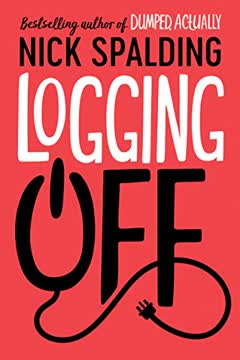
Andy Bellows, a thirty-six-year-old freelance graphic designer, begins his day immersed in a relentless cycle of apps, social media, and digital distractions. From tracking his irritable bowel syndrome with a bowel movement app to arguing on Facebook and obsessively following influencers, Andy's life is a blur of screens and notifications. His reliance on technology is both a comfort and a curse, fueling his anxiety and physical discomfort. As he prepares for a crucial work presentation, his dependence on digital devices becomes painfully clear, setting the stage for a reckoning with his own well-being. The chapter captures the frenetic, numbing pace of modern digital life, highlighting Andy's growing sense of disconnection from reality and himself.
The Presentation Meltdown
Andy's big opportunity arrives with a pitch to Fluidity, a trendy Gen Z fashion company. The meeting is a surreal circus of eccentric personalities and overwhelming colors, but Andy's real challenge is internal. As he presents, a sudden, excruciating jaw lock and digestive disaster strike, rendering him nearly incoherent. Humiliated, he flees to the bathroom, only to be greeted by a crowd of concerned onlookers. The physical symptoms—pain, panic, and embarrassment—are a direct result of his tech-fueled stress and lifestyle. This public humiliation is a wake-up call, forcing Andy to confront the toll his digital habits are taking on his mind and body, and planting the seed for change.
Dr. Google's Diagnosis
Reeling from his disastrous presentation, Andy turns to the internet for answers. He obsessively searches his symptoms, only to be bombarded with dire, contradictory diagnoses—mostly cancer. The more he searches, the more his anxiety escalates, leading to sleepless nights and hypochondriac panic. Online forums offer little comfort, and the digital appointment system for his doctor only adds to his frustration. When he finally sees Dr. Hu, Andy is told his symptoms are not physical but the result of chronic stress and digital overload. The prescription: a digital detox. Andy is skeptical and terrified, but the diagnosis is clear—his tech addiction is making him sick.
The Digital Detox Mandate
Armed with a pamphlet and Dr. Hu's advice, Andy reluctantly embarks on a sixty-day digital detox. He boxes up his devices, reconnects his ancient landline, and posts a farewell to his online followers. The initial hours are filled with restlessness, boredom, and a desperate search for distractions. Simple tasks—ordering food, finding information—become Herculean without apps and the internet. Andy's anxiety peaks as he realizes how deeply technology has shaped his routines and sense of self. The detox feels like a loss of identity, but also a necessary, if painful, step toward recovery. The chapter captures the raw discomfort and vulnerability of withdrawal.
Withdrawal and Relapse
Andy's first days offline are a rollercoaster of emotions. He struggles to fill the void left by social media and gaming, feeling isolated and irritable. Attempts at analog entertainment—cleaning, reading, walking—offer little solace. A chance encounter with his friend Fergus leads to a candid conversation about Andy's struggles and the difficulty of change. Fergus proposes writing a newspaper story about Andy's detox, both as motivation and accountability. Though initially resistant, Andy agrees, hoping public scrutiny will keep him honest. The chapter explores the psychological grip of digital addiction and the fear of failure, as Andy teeters between commitment and relapse.
Fergus's Intervention
Fergus's article about Andy's detox appears in the local paper, turning Andy into a minor celebrity. Strangers recognize him, and the story attracts new clients to his business. The public attention is both flattering and mortifying, forcing Andy to stick with the detox despite ongoing cravings. Fergus's intervention transforms Andy's private struggle into a community experiment, raising questions about authenticity, vulnerability, and the performative nature of self-improvement. The chapter highlights the power of social pressure and friendship in driving personal change, even as Andy grapples with the surreal consequences of his newfound notoriety.
Public Detox, Private Struggles
As Andy's detox gains public traction, he faces a series of offline misadventures. Simple errands become epic quests without digital shortcuts. He gets lost, makes poor decisions, and is forced to interact with people face-to-face—often with awkward or comic results. The absence of instant information and validation leaves him feeling exposed and incompetent. Yet, amid the frustration, Andy begins to notice subtle improvements: better sleep, less jaw pain, and moments of genuine presence. The chapter balances humor and pathos, illustrating the messy, nonlinear process of breaking free from digital dependence.
The Instagram Illusion
A chance encounter with Lucas La Forte, Andy's Instagram idol, reveals the hollowness of online personas. Lucas, whose glamorous life Andy has envied, turns out to be an ordinary, insecure man living a fabricated existence. The revelation is both disillusioning and liberating, forcing Andy to confront his own susceptibility to digital illusions. The encounter exposes the performative, often deceptive nature of social media, and prompts Andy to question what—and who—he truly values. The chapter is a turning point, marking the beginning of Andy's skepticism toward online culture and his search for authenticity.
Offline Misadventures
Determined to embrace his detox, Andy embarks on a road trip to deliver a work proposal in person. Without GPS, he becomes hopelessly lost in the English countryside, encountering eccentric locals, animal mishaps, and a series of comic setbacks—including a memorable run-in with a talking duck and a car stuck in a pond. The ordeal is both humiliating and oddly freeing, forcing Andy to rely on his wits and the kindness of strangers. The chapter underscores the unpredictability and richness of real-world experience, even as it highlights the frustrations of life without digital aids.
Dating in the Dark
Lonely and craving connection, Andy tries old-fashioned dating through newspaper personal ads. He meets Henrietta, a conspiracy theorist whose paranoia and antics lead to a disastrous, farcical date involving police, firemen, and a stuck toilet window. The experience is both a cautionary tale and a reminder of the unpredictability of human relationships. Andy's longing for intimacy is palpable, but the analog world proves just as fraught as the digital one. The chapter explores themes of vulnerability, disappointment, and the search for genuine connection in a world of imperfect options.
Grace at the Door
Grace, a local coffee shop owner, appears at Andy's door in tears, seeking advice about her own tech addiction. Her vulnerability and honesty resonate deeply with Andy, reigniting his commitment to the detox. Together, they form a support system, sharing their struggles and small victories. Grace's presence brings warmth and purpose to Andy's journey, transforming the detox from a solitary ordeal into a shared adventure. The chapter marks the beginning of a meaningful relationship, grounded in mutual understanding and the desire for change.
Turning Points and New Paths
With Grace as his companion, Andy begins to rediscover the joys and challenges of the offline world. They embark on outings, confront fears, and support each other through moments of doubt. Grace's story—her grief, isolation, and longing for connection—mirrors Andy's own, deepening their bond. Together, they learn to navigate life's uncertainties, finding meaning in small victories and shared experiences. The chapter is a testament to the power of companionship, empathy, and the courage to face discomfort in pursuit of a more balanced life.
Rediscovering the World
Andy and Grace take a spontaneous trip to Bath, navigating without digital aids and embracing the unpredictability of real-world exploration. They encounter eccentric characters, stumble upon hidden treasures, and savor the thrill of discovery. The journey is both a literal and metaphorical turning point, symbolizing their willingness to step into the unknown and trust themselves—and each other. The experience rekindles Andy's sense of wonder and possibility, reinforcing the value of presence, curiosity, and human connection.
The Followers Gather
As news of Andy's detox spreads, a growing number of people seek his guidance, forming a community dubbed "Loggers Off." Andy becomes an unwitting influencer, fielding questions, offering advice, and hosting meetings at Grace's coffee shop. The attention is overwhelming, and Andy struggles with the pressure of being a role model. The chapter explores the paradox of seeking authenticity while becoming a public figure, and the tension between personal truth and collective expectation. Andy's journey becomes a mirror for others, even as he grapples with his own uncertainties.
The Burden of Influence
The responsibilities of leading Loggers Off weigh heavily on Andy. He feels trapped by the expectations of his followers, forced to present a sanitized version of his experience. The stress triggers a relapse of his physical symptoms, and Andy becomes increasingly anxious and isolated. The chapter delves into the psychological toll of influence, the dangers of inauthenticity, and the importance of setting boundaries. Andy's struggle is a cautionary tale about the costs of people-pleasing and the necessity of self-care.
The Locket and the Log-In
During a chaotic day at a theme park, Grace loses her cherished family locket. Desperate to help, Andy breaks his detox and turns to social media for assistance. The online community rallies, and the locket is miraculously found. The experience is a revelation: technology, for all its flaws, can be a force for good when used intentionally. Andy's ambivalence about digital life deepens, as he recognizes the need for balance rather than abstinence. The chapter is a powerful reminder of the potential for connection, empathy, and collective action in the digital age.
Truth and Balance
At the next Loggers Off meeting, Andy confesses his struggles, mistakes, and ambivalence to his followers. He urges them to seek their own balance, rather than blindly following anyone—including him. The group's attention shifts to new leaders, and Andy is freed from the burden of influence. The experience is cathartic, allowing Andy to reclaim his autonomy and authenticity. He and Grace affirm their love for each other, embracing the messiness and beauty of real life. The chapter is a celebration of vulnerability, growth, and the courage to be imperfect.
Epilogue: Logging Off, Logging On
Andy and Grace settle into a life that blends the best of both worlds—digital and analog. Andy resumes using technology, but with greater mindfulness and moderation. He finds success in his work, joy in his relationship, and a sense of peace in his own skin. The Loggers Off community continues without him, and Andy is content to let others find their own paths. The story ends with Andy reflecting on the lessons learned: the importance of balance, the value of connection, and the ongoing journey of self-discovery. Logging off, he realizes, is not a one-time act, but a daily practice of choosing presence over distraction.
Analysis
Logging Off is a sharp, heartfelt satire of modern digital life, using humor and vulnerability to explore the psychological and social costs of technology addiction. Through Andy's journey, the novel interrogates the paradoxes of connection and isolation, authenticity and performance, dependence and autonomy. The digital detox serves as both a narrative engine and a metaphor for the struggle to reclaim agency in a world of endless distraction. The story's greatest insight is its refusal to offer easy answers: technology is neither savior nor villain, but a tool whose value depends on intention and balance. The novel's emotional arc—marked by humiliation, growth, and genuine connection—underscores the importance of self-awareness, honesty, and the courage to embrace imperfection. Ultimately, Logging Off is a call to mindfulness, urging readers to find their own equilibrium between the digital and the real, and to remember that presence, not perfection, is the true antidote to modern malaise.
Review Summary
Logging Off receives generally positive reviews, averaging 3.95 out of 5. Readers appreciate its relatable premise about digital addiction and the humorous journey of protagonist Andy Bellows through a 60-day tech detox. Many find it funny, light, and thought-provoking, praising its message about balance between online and offline life. Common criticisms include predictability, excessive toilet humor, underdeveloped characters, and a formulaic plot. Several reviewers noted the irony of reading it during COVID-19 lockdowns, when internet dependency had become more essential than ever.
People Also Read

Characters
Andy Bellows
Andy is a thirty-six-year-old freelance graphic designer whose life is dominated by technology, social media, and digital distractions. His relationships, work, and health suffer as a result, manifesting in anxiety, insomnia, and physical symptoms. Andy is witty, self-deprecating, and deeply insecure, masking his vulnerability with humor and sarcasm. His journey is one of reluctant self-discovery, as he confronts the psychological grip of digital addiction and the fear of failure. Through a series of humiliations, misadventures, and moments of connection, Andy learns to embrace imperfection, set boundaries, and seek balance. His development is marked by increased self-awareness, empathy, and the courage to be authentic, both with himself and others.
Grace
Grace is a warm, intelligent woman who owns Heirloom Coffee, a local café. Beneath her composed exterior, she struggles with grief over her sister's death and a growing dependence on technology as a means of escape. Grace's vulnerability and honesty draw Andy out of his isolation, and their shared journey toward digital detox becomes a source of healing for both. She is resourceful, compassionate, and quietly resilient, supporting Andy through his struggles while confronting her own fears. Grace's development is a testament to the power of companionship, self-compassion, and the willingness to face discomfort in pursuit of a more meaningful life.
Fergus Brailsworth
Fergus is Andy's best friend, a journalist with a sharp tongue and a knack for persuasion. He is both a source of comic relief and a driving force behind Andy's public detox, using his platform to hold Andy accountable and generate community interest. Fergus is insightful, loyal, and occasionally manipulative, pushing Andy out of his comfort zone for his own good. His relationship with Andy is marked by banter, honesty, and genuine care. Fergus's role is that of the instigator, motivator, and occasional devil's advocate, embodying the importance of friendship in personal growth.
Dr. Hu
Dr. Hu is Andy's general practitioner, a gentle and perceptive doctor who recognizes the psychosomatic roots of Andy's symptoms. He delivers the diagnosis of digital overload with empathy and authority, prescribing a digital detox as the remedy. Dr. Hu represents the voice of reason and the growing awareness of technology's impact on mental and physical health. His presence is brief but pivotal, setting Andy on the path to recovery and self-examination.
Lucas La Forte / Herbert Bilch
Lucas, known online as Lucas La Forte, is an Instagram influencer whose glamorous persona is revealed to be a fabrication. In reality, he is Herbert Bilch, an ordinary man living at home with his mother, funding his online image with her credit card. Lucas/Herbert embodies the performative, deceptive nature of social media and the dangers of envy and comparison. His encounter with Andy is a turning point, forcing both men to confront the gap between appearance and reality. Herbert's arc is one of exposure, humility, and the possibility of redemption through authenticity.
Colin
Colin is a socially awkward, obsessive member of the Loggers Off community, characterized by his cagoule, Star Trek hat, and relentless questioning. He is both comic and tragic, representing the vulnerability and longing for connection that drive many to seek leaders and movements. Colin's dependence on Andy for direction highlights the risks of misplaced hero worship and the importance of self-reliance. His relationship with his partner Wilberforce adds depth and humanity to his character, revealing a capacity for love and loyalty beneath the eccentricity.
Wilberforce
Wilberforce is Colin's partner, a gentle, introverted man with a penchant for pugs and online escapism. He is deeply attached to Colin and struggles with social interaction, finding solace in digital communities and routines. Wilberforce's journey mirrors Andy's in its search for balance and meaning beyond the screen. His vulnerability and sincerity make him both endearing and relatable, serving as a reminder of the universal need for acceptance and understanding.
Winery Smalls, Pikky, and Tex
These three are the flamboyant founders of Fluidity, the Gen Z fashion company where Andy's presentation unravels. Each is a caricature of modern creative culture: Winery Smalls is theatrical and emotional, Pikky is enigmatic and trend-obsessed, and Tex is a cowboy in a world of hipsters. They represent the bewildering, performative excesses of digital-age branding and the alienation felt by those outside the zeitgeist. Their interactions with Andy are both comic and unsettling, highlighting the generational and cultural divides exacerbated by technology.
Henrietta
Henrietta is Andy's analog dating experiment, a woman whose distrust of technology is matched only by her belief in elaborate conspiracies. Her paranoia and antics—culminating in a public spectacle involving police and firemen—serve as a cautionary tale about the dangers of isolation, misinformation, and the search for certainty in an uncertain world. Henrietta's character is both tragic and absurd, embodying the extremes of skepticism and the longing for connection.
Puggerlugs
Puggerlugs is Wilberforce's beloved pug, notorious for his stress-induced humping and penchant for costumes. He is both a source of comic relief and a symbol of the unpredictable, messy realities of life—online and off. Puggerlugs's antics mirror the chaos of Andy's journey, reminding readers that not everything can be controlled or curated.
Plot Devices
Digital Detox as Narrative Catalyst
The digital detox is the central plot device, serving as both a literal and metaphorical journey. It provides the framework for Andy's transformation, forcing him to confront his dependencies, anxieties, and relationships. The detox is not just a withdrawal from technology, but a confrontation with self—stripping away distractions to reveal underlying fears and desires. The device allows for episodic misadventures, comic set pieces, and moments of introspection, while also inviting broader commentary on modern life.
Satire and Hyperbole
The novel employs satire and hyperbole to lampoon the excesses of digital culture—obsessive app use, influencer worship, performative wellness, and the commodification of self. Characters and situations are often exaggerated to the point of absurdity, highlighting the disconnect between online personas and real life. This device creates humor, but also sharpens the critique of technology's impact on identity, relationships, and well-being.
Public vs. Private Self
Andy's journey is shaped by the tension between his private struggles and public persona. The pressure to present a sanitized, inspirational version of himself—first online, then as the face of Loggers Off—mirrors the performative demands of social media. The device is explored through Andy's internal monologue, his interactions with followers, and the eventual catharsis of honesty and vulnerability. The narrative structure uses public meetings, newspaper articles, and social media posts to blur the lines between reality and performance.
Foreshadowing and Recurrence
Recurring motifs—jaw pain, digestive distress, insomnia—serve as physical manifestations of Andy's psychological state. These symptoms foreshadow moments of crisis and relapse, linking the body and mind in a feedback loop of stress and avoidance. The recurrence of certain characters (e.g., Puggerlugs, Lucas/Herbert) and situations (public humiliation, lost objects) reinforces the cyclical nature of addiction and the challenges of lasting change.
Community and Influence
The formation of Loggers Off and Andy's reluctant role as a leader explore the dynamics of community, influence, and the human need for belonging. The device interrogates the dangers of hero worship, the pitfalls of collective action, and the importance of self-determination. The shifting focus from Andy to new leaders (Colin and Wilberforce) illustrates the transient, sometimes fickle nature of movements and the ongoing quest for guidance.








































