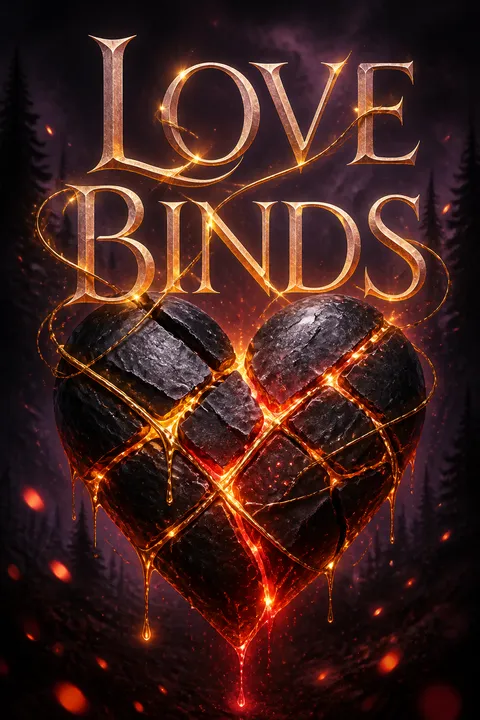

Plot Summary
Prologue: Death's Cold Embrace
Hanna, our narrator, is paralyzed by a recurring nightmare of dying—crushed, suffocated, and consumed by darkness. The visceral terror and certainty of her own demise set the tone for a story where mortality, trauma, and the supernatural are inextricably linked. This prologue is not just a harbinger of physical danger but a metaphor for the emotional and existential threats Hanna faces as she navigates a world where love, loss, and legacy are tangled with the supernatural. The reader is immediately immersed in Hanna's vulnerability, her humor laced with fear, and the sense that her journey will be as much about confronting her inner demons as surviving external threats.
Packing Up the Past
Two weeks earlier, Hanna is packing up her quirky apartment, preparing to move in with her werewolf mate, Abernathy. Her cats protest, her memories of heartbreak and divorce linger, and the shadow of her ex-lover Morrison—now a vampire—haunts her. The mundane chaos of moving is interwoven with supernatural anxieties and unresolved grief. Hanna's humor masks her uncertainty about her new life, her inability to shift into her wolf form, and her fear that she's fundamentally broken. The chapter establishes her relationships, her resilience, and the emotional baggage she carries into her new beginning.
Morrison Returns Undead
Morrison, once Hanna's human lover, now a Strigoi—a vampire driven mad by heartbreak—breaks into her apartment. The encounter is terrifying and tragic: Morrison is unrecognizable, consumed by rage and pain, and Hanna is forced to confront the consequences of love lost and choices made. The scene is a collision of past intimacy and present horror, as Hanna desperately tries to reach the man she once knew. The emotional stakes are heightened by the supernatural threat, and the chapter ends with Hanna's life in immediate danger, underscoring the peril that love and the paranormal bring into her world.
Strigoi and Broken Hearts
Crixus, a demigod, intervenes to save Hanna, and two vampire women arrive to subdue Morrison. Through their explanations, Hanna learns that Strigoi are vampires who cannot let go of human pain—especially heartbreak. The only cure is to kill the one who broke their heart, or suffer eternally. This revelation devastates Hanna, who realizes Morrison's torment is a direct result of their love. The chapter explores the supernatural consequences of emotional wounds, the blurred lines between victim and monster, and the guilt that haunts those left behind. Hanna's inability to shift and her fear of being fundamentally flawed deepen her sense of isolation.
Shifting Troubles and Old Friends
Hanna confides in Crixus about her inability to shift and her anxieties about mating with Abernathy. Their banter is laced with vulnerability as Hanna grapples with the possibility that she's not a "real" werewolf. Crixus suggests seeking help from Allan, an ancient werewolf tailor and friend. The conversation is both comic and poignant, highlighting Hanna's self-doubt and the supportive, if unconventional, community around her. The supernatural world is revealed to be as messy and traumatized as the human one, and Hanna's journey becomes one of self-acceptance as much as survival.
Animal Uprising, Alpha Tensions
On her way to the gallery, Hanna is attacked by a bizarre coalition of animals—squirrel, fox, badger, raccoon—acting with unnatural coordination. The incident is both slapstick and sinister, signaling that the animal world is responding to supernatural upheaval. At the gallery, Abernathy and a mysterious dragon shifter, Hayden, reveal that unrest is brewing among the shifter clans. Hanna's inability to shift is a dangerous secret, and her legitimacy as heir is in question. The chapter blends humor, anxiety, and the looming threat of rebellion, as Hanna is swept into the politics of power and belonging.
Dragon Healer, Gathering Storm
Hayden, the dragon shifter, heals Hanna's wounds and becomes an unexpected ally. The Gathering—a coronation and contest of strength among the shifter houses—is announced, and Hanna is thrust into preparations for a public test she feels doomed to fail. The chapter explores the complexities of supernatural alliances, the weight of legacy, and the hope that healing—physical and emotional—can come from unexpected places. Hanna's relationships with Abernathy, her brother Steve, and the wider supernatural community are tested as the stakes rise.
Family, Fears, and Furbabies
Hanna and Abernathy babysit Steve and Shayla's magical twins, navigating the chaos of supernatural childcare and the ache of unfulfilled longing for a family of their own. The domestic comedy is undercut by Hanna's fears about her fertility, her place in the pack, and the dangers lurking outside. Abernathy's vulnerability and Hanna's yearning for connection deepen their bond, even as the specter of Morrison and the threat of rebellion loom. The chapter is a microcosm of Hanna's struggle to balance the ordinary and the extraordinary, the personal and the political.
Shadows at the Window
After a night of babysitting, Hanna is unsettled by the sensation of being watched—yellow eyes at the window, a supernatural presence that could be Morrison or something worse. The fear is both literal and symbolic, representing the inescapable consequences of past actions and the ever-present danger of the supernatural world. Abernathy's protective instincts clash with Hanna's need for autonomy, and their relationship is tested by secrets, guilt, and the relentless intrusion of the paranormal into their lives.
Coronation Countdown, Ancient Grudges
As the Gathering approaches, Hanna is forced to confront the realities of shifter politics, ancient rivalries, and the expectations placed upon her as heir. The McGavins, a rival clan, challenge her legitimacy, and rumors of Abernathy's past threaten to undermine their union. Hanna's insecurities are amplified by the pressure to perform, the fear of public failure, and the unresolved trauma of her own history. The chapter is a crucible of anxiety, humor, and determination, as Hanna steels herself for the trials ahead.
The Gathering: Dances and Deceit
At the Gathering in Ireland, Hanna is thrust into a whirlwind of traditional dances, feasting, and political maneuvering. The event is both a celebration and a battlefield, as alliances are tested and old grudges resurface. Hanna's outsider status is palpable, and her inability to shift becomes a weapon for her enemies. The tension between public performance and private pain is acute, and the threat of violence simmers beneath the surface. The chapter is a dance of survival, as Hanna navigates the treacherous currents of power and prejudice.
Betrayal in the Bloodlines
A secret meeting of the male alphas exposes Abernathy's past with Margaret MacFarlane, casting doubt on Hanna's legitimacy as mate and heir. The revelation is a devastating blow, fracturing trust and igniting old wounds. Hanna is forced to confront the possibility that she is cursed, that her love is doomed to bring pain, and that her place in the pack is built on shaky ground. The chapter is a turning point, as betrayal, grief, and the threat of war converge.
Death's Bargain, Love's Choice
In a dreamlike encounter with Hades, Hanna is offered a bargain: let Morrison kill her, freeing him from his torment, and Hades will refuse her soul, allowing her to return to life. The choice is agonizing, forcing Hanna to weigh her own survival against the suffering of those she loves. The supernatural stakes are entwined with emotional ones, as Hanna confronts the limits of sacrifice, the meaning of love, and the possibility of redemption. The chapter is a meditation on mortality, agency, and the power of choice.
Dungeon Revelations, Morrison's Redemption
Hanna awakens in a dungeon, betrayed by Cillian, who reveals himself as a Púca and the architect of much of the chaos. Morrison, freed and driven by his Strigoi curse, attacks Hanna, but in the act of killing her, is himself redeemed—his humanity restored by the depth of his love and grief. Hayden, the dragon, arrives to rescue them, and the stage is set for the final confrontation. The chapter is a crucible of pain, forgiveness, and transformation, as old wounds are cauterized and new possibilities emerge.
Hayden's Sacrifice, Wolf's Awakening
Hayden sacrifices himself, ascending in a blaze of dragonfire to save Hanna and Morrison and deliver them to the battlefield. The act is both a literal and symbolic passing of the torch, as Hanna's own transformation is catalyzed by loss, rage, and love. In the aftermath, Hanna finally shifts into her wolf form, embracing her true nature and claiming her place as heir. The chapter is a crescendo of emotion, magic, and self-realization, as the boundaries between life and death, human and animal, are transcended.
The Alpha's Challenge
On the battlefield, Hanna faces down Aillig McGavin and the rebellious shifters, asserting her authority not through violence but through mercy and vision. The animal world rallies to her side, affirming her legitimacy as heir. The cycle of vengeance is broken, and a new era of leadership—rooted in compassion, strength, and inclusivity—begins. The chapter is a testament to the power of forgiveness, the necessity of change, and the courage to lead with vulnerability.
The Heir Ascends
In the aftermath of battle, Hanna and Abernathy reaffirm their bond—physically, emotionally, and spiritually. Their union is both a personal and political act, symbolizing the reconciliation of past and present, human and wolf, love and power. Hanna's journey from self-doubt to self-acceptance is complete, and the future, though uncertain, is embraced with hope and determination. The chapter is a celebration of survival, intimacy, and the hard-won right to belong.
Aftermath, Farewell, and Forgiveness
The loss of Allan, the ancient werewolf tailor, is mourned, and the community gathers to honor his memory. Hanna steps into her role as leader, forging new alliances and creating space for healing and growth. The wounds of the past are acknowledged, but not allowed to define the future. The chapter is a meditation on grief, legacy, and the ongoing work of forgiveness—of others and of oneself.
Epilogue: Stories Endure
In the quiet aftermath, Hanna finds meaning in the ordinary joys of family, friendship, and storytelling. The supernatural world is still dangerous and unpredictable, but love, humor, and resilience endure. Hanna's journey is not just about survival, but about the stories we tell, the connections we forge, and the legacy we leave behind. The epilogue is a gentle, hopeful coda, affirming that even in a world of monsters and magic, it is our humanity—messy, flawed, and beautiful—that binds us together.
Analysis
A modern fable of trauma, love, and self-acceptanceLove Binds is a witty, emotionally charged reimagining of the paranormal romance, using the supernatural as a lens for exploring the wounds and wonders of being human. At its core, the novel is about the legacy of trauma—how heartbreak, loss, and betrayal echo across lifetimes, shaping identity and destiny. Hanna's journey from self-doubt to self-acceptance, from outsider to leader, is both a personal and communal transformation. The story challenges traditional notions of power, gender, and family, insisting that true leadership is rooted in vulnerability, mercy, and the courage to love despite pain. Humor is both shield and sword, allowing characters to survive the darkness without being consumed by it. The novel's ultimate message is one of hope: that cycles can be broken, wounds can be healed, and love—messy, imperfect, enduring—binds us all, even in a world of monsters and magic.
Review Summary
Characters
Hanna Harvey
Hanna is the emotional and narrative center of the story—a woman whose humor and self-deprecation mask deep wounds and profound courage. Recently divorced, she is thrust into the supernatural world as the heir to the werewolf throne, but her inability to shift and her tangled romantic history leave her feeling inadequate and cursed. Her relationships—with Abernathy, Morrison, her brother Steve, and her found family—are marked by loyalty, guilt, and longing. Psychologically, Hanna is driven by a need for belonging and a terror of abandonment, her trauma manifesting in nightmares and self-doubt. Over the course of the story, she confronts her fears, claims her power, and learns that leadership is not about perfection, but about love, mercy, and the willingness to keep going despite pain.
Mark Andrew Abernathy
Abernathy is the archetypal alpha—powerful, ancient, and fiercely protective—but beneath his stoic exterior lies a man scarred by loss, betrayal, and the burden of leadership. His love for Hanna is both his strength and his vulnerability, and his struggle to balance control with trust is a central tension. Abernathy's past—marked by failed loves, family trauma, and political intrigue—shapes his reluctance to share, his need to protect, and his fear of repeating old mistakes. His development is a journey from isolation to intimacy, from dominance to partnership, as he learns to let Hanna lead and to accept love as both risk and reward.
James Morrison
Morrison is the embodiment of love's destructive and redemptive power. Once a human detective and Hanna's lover, he is transformed into a Strigoi—a vampire driven mad by heartbreak. His journey is one of suffering, rage, and ultimately, release, as he is both victim and threat. Morrison's psychological arc is defined by his inability to let go, his longing for connection, and his willingness to sacrifice himself for Hanna's happiness. His redemption comes not through violence, but through the painful acceptance of loss and the possibility of forgiveness.
Crixus
Crixus is a larger-than-life presence—physically imposing, irreverent, and deeply wounded. Once bound to a vampire master, he is now a free agent, working as a supernatural bounty hunter and seeking his own healing through therapy and new relationships. Crixus's bravado masks a profound loneliness and a longing for purpose. His friendship with Hanna is both comic and sincere, and his willingness to confront his own flaws makes him a model of growth and resilience. He represents the possibility of change, even for those marked by centuries of pain.
Allan Ede
Allan is the heart of the supernatural community—a tailor, confidant, and source of wisdom. His flamboyance and humor are matched by deep empathy and a tragic awareness of mortality. Allan's role as healer and guide is central to Hanna's journey, and his death is a profound loss that catalyzes the community's transformation. Psychologically, Allan embodies acceptance, kindness, and the bittersweet knowledge that love and loss are inseparable.
Hayden Perry
Hayden is a being out of time—a dragon who has survived the extinction of his kind, carrying the weight of ancient grief and the wisdom of ages. His kindness, patience, and willingness to sacrifice himself for others make him a figure of mythic significance. Hayden's relationship with Hanna is one of mutual recognition—two outsiders seeking belonging. His final act of self-sacrifice is both a gift and a passing of the torch, enabling Hanna's transformation and the community's survival.
Steve Franke
Steve is Hanna's brother and a source of comic relief, warmth, and unconditional support. His journey from estranged sibling to integral member of the supernatural community mirrors Hanna's own path to acceptance. Steve's relationship with Shayla and their magical twins grounds the story in the joys and challenges of family, and his resilience in the face of trauma is a testament to the power of love and humor.
Shayla
Shayla is Steve's wife and the mother of their magical twins. Her practicality, strength, and nurturing spirit provide stability in a world of chaos. Shayla's friendship with Hanna is marked by honesty, empathy, and shared struggles, and her ability to balance the demands of supernatural motherhood with her own needs is both inspiring and relatable.
Cillian O'Farren
Cillian is a master of deception—a Púca masquerading as a werewolf alpha, whose charm and warmth mask a ruthless determination to protect his own interests. His betrayal is a devastating blow, revealing the dangers of misplaced trust and the complexities of supernatural politics. Psychologically, Cillian embodies the shadow side of survival—the willingness to sacrifice others for self-preservation.
Aillig McGavin
Aillig is the antagonist—a symbol of the old order, driven by pride, prejudice, and a refusal to accept change. His challenge to Hanna's legitimacy is rooted in misogyny, fear, and the need to maintain power at any cost. Aillig's psychological rigidity and inability to adapt make him both a formidable foe and a cautionary figure, ultimately undone by his own intransigence.
Plot Devices
Trauma as Supernatural Curse
The story's central device is the way trauma—especially heartbreak and unresolved grief—becomes a supernatural affliction. Morrison's transformation into a Strigoi, Hanna's inability to shift, and the cycle of loss and return are all expressions of emotional pain made manifest. This device blurs the line between psychological and magical, making healing a process that is both internal and external, individual and communal.
Reincarnation and Past Lives
Hanna's journey is shaped by the revelation that she has lived—and failed—many times before. The memories of past lives, the unfinished business of love and loss, and the possibility of breaking the cycle are woven throughout the narrative. This device allows for deep exploration of fate, agency, and the possibility of change, even in the face of seemingly insurmountable patterns.
Found Family and Chosen Community
The story foregrounds the importance of chosen family—friends, lovers, and allies who become more than blood relatives. The supernatural community is messy, diverse, and often dysfunctional, but it is also a source of strength, healing, and hope. This device challenges traditional notions of family and leadership, emphasizing inclusivity, loyalty, and the power of love to create new bonds.
Humor as Coping Mechanism
Hanna's irreverent humor, banter with friends, and comic mishaps provide relief from the story's darker themes. This device is not just for entertainment—it is a survival strategy, a way of reclaiming agency and resisting despair. The juxtaposition of comedy and tragedy deepens the emotional impact and makes the characters' struggles more relatable.
Rituals, Gatherings, and Public Trials
The Gathering, with its dances, contests, and coronation, serves as a crucible for Hanna's transformation. Public rituals become tests of identity, legitimacy, and belonging, forcing characters to confront their fears and prove themselves before the community. This device heightens tension, dramatizes internal conflicts, and provides a stage for both failure and triumph.
Deals with Death and the Supernatural
Hanna's encounter with Hades, the possibility of sacrificing herself to save Morrison, and the recurring theme of bargains with supernatural forces underscore the story's exploration of agency, consequence, and the limits of love. These devices force characters to make impossible choices, revealing their deepest values and fears.








































