Plot Summary
Fallen Angel's Reflection
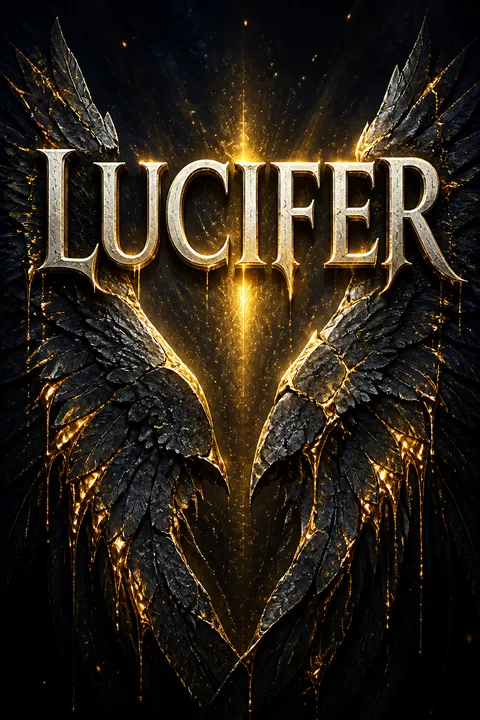
The story opens with Lucifer, the Morningstar, confronting his own brokenness and the remnants of his former glory. Once the most beautiful and powerful of angels, he now hides his tattered wings and drinks away his pain, haunted by the loss of his mate, Merri. Despite his outward confidence and beauty, Lucifer is tormented by feelings of being unwanted and cast aside. His relationship with Merri is complicated—she is his fated mate, but she has left him, seeking safety with the four horsemen. Lucifer's pride and possessiveness drive him to reclaim what he believes is his, setting the stage for a battle not just for power, but for love and belonging. The emotional weight of his isolation and longing for connection is palpable, making him a complex and sympathetic antihero.
Mates and Horsemen Reunited
Merri, a succubus and daughter of Famine, finds herself back among her four horsemen mates—Sin, Chaos, Malice, and Grim—after a harrowing escape from Lucifer. The reunion is fraught with unresolved feelings, guilt, and the lingering effects of trauma. Each mate expresses their devotion and regret for past mistakes, vowing to protect Merri and never let her go again. The group's dynamic is passionate and volatile, with love, jealousy, and possessiveness intertwining. Merri's hunger as Famine is ever-present, and her mates' willingness to feed her is both an act of love and a necessity for her survival. The emotional intensity of their reunion is underscored by the looming threat of the horsewomen and Lucifer's continued pursuit.
Gathering the Resistance
The supernatural world is in chaos as the horsewomen—Death, War, Pestilence, and Famine—seek to reclaim their children and consolidate power. Merri and her mates join a growing resistance, including vampires, shifters, witches, angels, and gods. The group's meeting is chaotic, filled with old grudges, new alliances, and the urgency of impending doom. Key figures like Lilith, Hades, and Gabriel bring their own agendas and histories, complicating trust. The resistance learns that the horsewomen are draining their children's power to fuel the apocalypse, and that Lucifer is both a threat and a potential ally. The emotional stakes are high as everyone realizes that survival depends on unity, sacrifice, and confronting personal demons.
Bonds Forged and Broken
Amidst the resistance's planning, Merri struggles with the secret that she has formed a mate bond with Lucifer. The revelation threatens to shatter the fragile trust she has rebuilt with her horsemen. Sin, in particular, feels betrayed by her omission, while the others grapple with jealousy and fear of losing her. Merri's bond with Lucifer is not just physical but deeply emotional, complicating her loyalties. The group must confront the reality that their fates are intertwined with Lucifer's, and that love and power are inseparable in the coming conflict. The emotional arc is one of confession, forgiveness, and the painful process of integrating a new mate into an already complex relationship.
Dreamwalks and Revelations
Merri's succubus abilities allow her to dreamwalk, entering the minds and dreams of others. Through these journeys, she uncovers crucial information about the horsewomen's plans, the true nature of Pan (the child of Pestilence and Malice), and the psychological wounds of her mates. Dreamwalks become a tool for both espionage and healing, as Merri helps Pan realize his own power and confronts her own feelings for Lucifer. These surreal, intimate encounters blur the lines between reality and fantasy, exposing vulnerabilities and forging deeper connections. The emotional resonance of these revelations is profound, as characters confront their fears, desires, and the possibility of redemption.
The Children of Apocalypse
The horsewomen's ultimate goal is to capture and drain the power of their children—Sunday, Pan, Dahlia, and Merri—to ensure their dominance in the new world order. The resistance races to rescue the captured children, knowing that their survival is key to stopping the apocalypse. The emotional stakes are heightened by the personal connections between parents and children, as well as the trauma of abandonment and manipulation. Merri's pregnancy adds another layer of urgency, as the possibility of her child being the antichrist looms. The group must navigate the tension between protecting their loved ones and making the hard choices necessary for the greater good.
The Devil's Bargain
Lucifer, once the architect of the apocalypse, finds himself torn between his desire for power and his love for Merri. His interactions with the resistance are marked by sarcasm, manipulation, and moments of genuine vulnerability. Ultimately, he strikes a bargain: he will help the resistance stop the apocalypse in exchange for a chance at freedom and a life with Merri. This devil's bargain forces everyone to confront their prejudices and fears, as Lucifer proves himself a valuable—if unpredictable—ally. The emotional arc is one of reluctant trust, as old enemies become uneasy partners in the fight for survival.
The Price of Power
The resistance learns that the only way to stop the horsewomen is to unmake them using special weapons tied to their mantles—Death, War, Pestilence, and Famine. These weapons are hidden across the world, each requiring a quest and a personal sacrifice to retrieve and attune. The process is dangerous and costly, with each weapon demanding blood, magic, or a piece of the wielder's soul. The emotional toll is immense, as characters face their own mortality and the possibility of losing everything they love. The theme of sacrifice is central, as the group realizes that victory may come at the ultimate price.
The Weapons of Unmaking
The resistance splits into teams to recover the weapons: a bone dagger from Notre Dame, a saber from Genghis Khan's tomb, an arrowhead from the Black Death catacombs, and a guillotine blade from the French Revolution. Each quest is fraught with supernatural traps, personal trials, and confrontations with the past. The process of attuning the weapons requires the involvement of the horsewomen's children, tying their fates even more closely to the outcome. The emotional arc is one of courage, teamwork, and the realization that the power to change the world lies within the bonds they have forged.
The Horsewomen's Trap
As the resistance prepares for the final battle, the horsewomen spring a trap, using blood magic to abduct the heirs and force a confrontation on their own terms. The ensuing battle is chaotic and brutal, with demons, gods, and mortals clashing on a volcanic island. Each heir must face their mother in a deadly duel, using the weapons of unmaking to strike the fatal blow. The emotional climax is one of catharsis and heartbreak, as the cost of victory becomes clear. The horsemen, bound by cosmic balance to their counterparts, fall alongside the horsewomen, leaving Merri and the survivors to mourn their loss.
Sacrifice and Resurrection
In the aftermath of the battle, Merri is devastated by the loss of her mates. The angels—Gabriel, Michael, and Evander—offer a bargain: the horsemen can be resurrected if they agree to serve for twenty more years, maintaining the balance of the universe. Lucifer, moved by love, joins the angels in the ritual, bringing the horsemen back to life. The emotional arc is one of grief, hope, and the power of love to transcend even death. The survivors are given a reprieve, a chance to build a new life in the aftermath of apocalypse.
Aftermath and New Beginnings
With the horsewomen defeated and the apocalypse averted, the survivors return to Sanctuary to rebuild. Old wounds are healed, new alliances are forged, and the next generation is born. Lucifer gives up his throne in hell to create a home for Merri and their family, while Lilith and Crombie find their own peace. The emotional tone is one of relief, joy, and the bittersweet knowledge that peace is always temporary. The group celebrates their victory, cherishing the hard-won happiness they have earned.
The Next Generation
Years later, the children of the resistance play together in a world free from the shadow of apocalypse. The bonds forged in battle have become the foundation of a new society, one where love, sacrifice, and unity are celebrated. The story ends with a sense of hope and continuity, as the next generation prepares to face their own challenges. The emotional arc comes full circle, from isolation and despair to connection and renewal, leaving readers with the message that even in the darkest times, love and courage can change the world.
Analysis
A modern myth of love, power, and redemptionLucifer by K. Loraine is a sprawling, emotionally charged fantasy that reimagines the apocalypse as both a cosmic and personal reckoning. At its core, the novel is about the transformative power of love—not just romantic, but familial and communal. The fated mate bonds serve as a metaphor for the ways we are shaped by our connections to others, for better or worse. The story interrogates the price of power, the necessity of sacrifice, and the possibility of redemption even for the most fallen among us. By blending mythic archetypes with contemporary emotional realism, the book offers a fresh take on the battle between good and evil, suggesting that true salvation lies not in victory, but in the willingness to change, forgive, and build anew. The lessons are clear: unity is strength, vulnerability is courage, and even the devil can choose love over destruction. In a world on the brink, hope is found in the bonds we forge and the sacrifices we make for those we love.
Characters
Lucifer
Lucifer is the Morningstar, once the most beautiful and powerful of angels, now a fallen king haunted by loss and regret. His outward arrogance masks deep wounds—tattered wings, self-loathing, and a desperate need to be wanted. His relationship with Merri is both possessive and vulnerable; she is his fated mate, but her rejection devastates him. Throughout the story, Lucifer oscillates between antagonist and ally, ultimately choosing love over power. His psychological complexity lies in his struggle for redemption, his fear of abandonment, and his willingness to sacrifice everything for Merri. His development is a journey from isolation to connection, from villain to partner.
Merri (Meredith)
Merri is a powerful succubus whose hunger is both a gift and a curse. As the daughter of Famine, she is central to the horsewomen's plans and the key to the apocalypse. Her relationships with her four horsemen mates and Lucifer are passionate, complicated, and deeply emotional. Merri's journey is one of self-acceptance, learning to embrace her power and her needs without shame. She is the glue that holds the resistance together, her love and courage inspiring those around her. Her psychological arc is about overcoming trauma, trusting herself, and choosing her own destiny.
Sin (Emmett Sinclair)
Sin is the most lighthearted of the horsemen, using humor and charm to mask his insecurities. As an incubus, he shares Merri's hunger and understands her needs better than anyone. His greatest fear is being abandoned or replaced, making him sensitive to secrets and omissions. Sin's development is marked by his willingness to forgive, his growth into emotional maturity, and his unwavering devotion to Merri. He represents the healing power of love and the importance of honesty in relationships.
Chaos
Chaos embodies the mantle of War—violent, possessive, and fiercely loyal. His love for Merri is expressed through acts of protection and dominance, but he also fears losing control and hurting those he loves. Chaos's psychological struggle is with vulnerability; he must learn to trust others and accept help. His development is a journey from isolation to partnership, finding strength in unity rather than brute force.
Malice
Malice is the horseman of Pestilence, burdened by guilt over his lost son, Pan, and his own destructive nature. His relationship with Merri is marked by tenderness and regret, as he strives to be a better man for her and for his son. Malice's arc is one of atonement, confronting the consequences of his actions and choosing love over power. His psychological depth comes from his struggle with self-worth and his desire to break the cycle of abandonment.
Grim
Grim is the embodiment of Death—reserved, disciplined, and slow to trust. His love for Merri is deep but often unspoken, expressed through acts of service and protection. Grim's greatest fear is losing those he loves, making him both fiercely loyal and emotionally guarded. His development is about opening up, embracing vulnerability, and finding joy in connection. He represents the inevitability of change and the possibility of renewal.
Lilith
Lilith is Merri's aunt and a powerful succubus in her own right. She is both a mentor and a mother figure, guiding Merri through the complexities of power, love, and survival. Lilith's history with Lucifer adds layers of tension and wisdom to her character. She is pragmatic, fiercely protective, and unafraid to make hard choices. Her psychological strength lies in her ability to adapt, forgive, and lead.
Pan
Pan is the son of Malice and a key target of the horsewomen. Raised believing he was a demon, Pan's journey is one of self-discovery, learning that his true power comes from within. His relationship with his father is fraught with resentment and longing, but ultimately becomes a source of healing. Pan represents the next generation's struggle to define themselves outside the shadows of their parents.
Sunday
Sunday is another of the horsewomen's children, caught between her own desires and the expectations placed upon her. As a mother and a fighter, she must balance vulnerability with strength. Her arc is about reclaiming agency, protecting her family, and breaking free from the cycle of violence.
Gabriel
Gabriel is one of the archangels, tasked with maintaining cosmic balance. His interactions with Lucifer and the resistance are marked by a tension between duty and compassion. Gabriel's psychological struggle is with the limits of free will and the burden of responsibility. He ultimately chooses to intervene, helping to resurrect the horsemen and restore hope.
Plot Devices
Fated Mates and Cosmic Bonds
The narrative is driven by the concept of fated mates—supernatural bonds that tie characters together across lifetimes. These bonds are both a source of strength and a point of weakness, as characters must navigate jealousy, trust, and the fear of loss. The mate bond is used to explore themes of destiny, choice, and the transformative power of love. It also serves as a plot device for both conflict and resolution, forcing characters to confront their deepest fears and desires.
Apocalypse as Catalyst
The looming apocalypse is the central threat, driving disparate characters to unite against a common enemy. The threat of annihilation raises the stakes, making every choice matter. The apocalypse is not just a backdrop, but a catalyst for personal growth, reconciliation, and the forging of new alliances. It also serves as a metaphor for internal battles—overcoming the darkness within to create a new world.
Weapons of Unmaking
The search for the four weapons—each tied to a horsewoman's mantle—structures the middle of the narrative. Each quest is a test of character, requiring sacrifice, courage, and teamwork. The process of attuning the weapons forces characters to confront their pasts and make hard choices. The weapons themselves are symbols of the power to change fate, but also the cost of wielding such power.
Dreamwalks and Mindscapes
Merri's ability to dreamwalk allows for intimate, surreal explorations of character psychology. These journeys blur the line between reality and fantasy, exposing vulnerabilities and secrets. Dreamwalks are used for both espionage and healing, making them a versatile plot device for advancing both plot and character development.
Sacrifice and Resurrection
The climax hinges on the willingness of characters to sacrifice themselves for the greater good. The death of the horsemen is both a tragedy and a necessary act to restore balance. Resurrection, facilitated by the angels and Lucifer, is not a simple reversal but a reward for growth and selflessness. This device reinforces the theme that true power lies in the willingness to let go.
Found Family and Chosen Bonds
The resistance is a patchwork of former enemies, rivals, and outcasts. Their ability to come together, forgive, and fight for each other is the true source of their strength. The found family trope is used to explore themes of belonging, acceptance, and the creation of new traditions in the aftermath of trauma.
Download PDF
Download EPUB
.epub digital book format is ideal for reading ebooks on phones, tablets, and e-readers.








































