
Key Takeaways
1. An Audacious Escape Plan Defied All Expectations
Rather, they moved in full view of the world, harnessing the latest technologies of their day: steamboats, stagecoaches, and, above all, an actual railroad, riding tracks laid by the enslaved, empowered by their disguise as master and slave, by the reality of their love as husband and wife.
A daring inversion. William and Ellen Craft, enslaved in Macon, Georgia, devised an extraordinary plan to escape in 1848. Instead of hiding, they traveled openly, using Ellen's light complexion to pass as a white gentleman, while William posed as her loyal slave. This audacious strategy leveraged the very systems of power and transportation built on enslaved labor.
The elaborate disguise. Ellen, small in stature, bound her chest and wore men's clothing, including a tall hat and thick-soled boots to add height. She feigned illness—rheumatism and deafness—using bandages and green-tinted glasses to obscure her face and avoid conversation or signing documents. William, tall and dark-skinned, wore a respectable hat, playing the part of a devoted servant.
High stakes and preparation. The plan was conceived and executed in just four days, requiring meticulous planning, sewing, and shopping for disguise elements bought separately to avoid suspicion. They knew capture meant severe punishment, likely separation, or worse, especially for Ellen, whose disguise as a white man was a profound transgression against the social order.
2. A Perilous Journey Relied on Performance and Disguise
In unaccustomed clothes, with an unaccustomed status, this young Mr. Johnson now walked toward the station where, as an enslaved lady’s maid, she had previously stepped, perhaps carrying parcels or minding children.
Navigating by performance. The Crafts' journey of over 1,000 miles from Macon to Philadelphia was a continuous performance. Ellen, as Mr. Johnson, had to maintain her persona through interactions with ticket sellers, hotel staff, and fellow travelers, including those who knew her or her enslavers. William had to appear as a subservient slave, attentive to his master's needs.
Close calls and quick thinking. They faced numerous challenges and near-discoveries:
- William's employer searching the train station in Macon.
- Ellen encountering Scott Cray, a friend of her enslaver, on the train, whom she evaded by feigning deafness.
- A slave trader on the steamboat offering to buy William, forcing Ellen to assert her ownership.
- A woman on a train recognizing William as her runaway slave, requiring him to turn and show his face.
- An officer in Baltimore demanding proof of ownership under the new Fugitive Slave Law.
Reliance on the act. Their survival depended entirely on the convincing nature of their disguise and Ellen's ability to improvise under pressure. William's visible devotion to his "sick master" often disarmed suspicion, reinforcing the facade of a privileged white man traveling with his loyal slave.
3. Their Flight Intersected with America's Unfinished Revolution
Theirs is a love story that begins in a time of revolution—a revolution unfinished in the American War for Independence, a revolution that endures.
A year of global upheaval. The Crafts' escape in 1848 occurred during a period of widespread democratic revolutions across Europe, news of which resonated deeply in the United States. Americans celebrated these uprisings, seeing parallels with their own War for Independence, yet often ignored the unfinished revolution at home—the continued enslavement of millions.
Growing national tensions. The year 1848 also marked significant shifts within the U.S.:
- Acquisition of vast new territory from Mexico, raising questions about the expansion of slavery.
- Increased immigration challenging national identity.
- Rising polarization over slavery, fracturing the political system.
- The first Woman's Rights Convention in Seneca Falls, demanding equality.
Connecting personal and political. The Crafts' personal quest for freedom was deeply intertwined with these larger national struggles. They drew inspiration from the Declaration of Independence ("all men are created equal") and biblical principles ("God made of one blood all nations"), using these ideals to fuel their own "revolution." Their journey highlighted the hypocrisy of a nation celebrating liberty abroad while denying it to its own people.
4. The Fugitive Slave Act Extended Slavery's Reach North
Now, miles away in Macon, people such as Collins could reach long into other states, on their own or with proxies, and, bypassing state officials, appeal to federally appointed commissioners who had outsized powers, too.
A turning point. The Compromise of 1850, intended to ease sectional tensions, included a draconian new Fugitive Slave Act. This law dramatically strengthened the ability of enslavers to reclaim fugitives, making it a federal crime to assist them and denying alleged fugitives basic legal rights like jury trials or the ability to testify.
"Octopus powers." The act gave enslavers unprecedented power to pursue fugitives into free states, compelling citizens and officials to assist in their capture. Commissioners were incentivized to rule in favor of enslavers ($10 fee vs. $5 for dismissal), and armed posses could be raised to hunt down runaways.
No longer safe. The law shattered the relative safety fugitives had found in the North. Even freeborn Black individuals were at risk of being falsely claimed and sent into bondage. This forced many, including the Crafts, to confront a terrible choice: stay and risk recapture, or flee the country entirely.
5. Boston Became a Battleground for Freedom
For the Georgians, who came from a world where there were laws against Black people owning horses, where even a free Black person carrying firearms stood to “receive upon his bare back thirty-nine lashes,” when to harm the body of a White person was a capital crime, it was truly a world turned upside down.
A test case. Robert Collins, Ellen's enslaver, saw the Crafts' case as a crucial test of the new Fugitive Slave Act and the willingness of the North to uphold it. He dispatched two agents, Willis Hughes and John Knight, to Boston to reclaim them, aiming to make an example and bolster his political career.
Community resistance. Boston's Black community and white abolitionist allies mobilized fiercely to protect the Crafts:
- Vigilance committees formed to warn and hide fugitives.
- Armed guards protected William's shop and the Haydens' safe house.
- Legal teams used lawsuits and writs to harass the slave catchers.
- Crowds publicly shamed and pursued Hughes and Knight through the streets.
A world turned upside down. The slave catchers, accustomed to absolute authority in the South, found themselves hunted and ridiculed in Boston. Their attempts to use the law were met with legal counter-offensives and public outrage, highlighting the stark contrast in social norms and the power of collective resistance.
6. England Offered Sanctuary and a New Stage for Activism
They had survived slavery in the South, outwitted kidnappers in the North, outrun the laws of the nation they once called home.
Seeking true freedom. Facing constant threat under the Fugitive Slave Act, the Crafts decided to leave the United States for England in late 1850. Their journey across the Atlantic, though arduous and marked by storms and illness, brought them to a land where slavery was outlawed and they could live without fear of recapture.
Abolitionist network. In England, they were welcomed into a vibrant abolitionist community, including prominent figures like William Wells Brown and Harriet Martineau. This network provided support, opportunities, and a platform for them to share their story with a wider audience.
International activism. The Crafts became celebrated speakers on the British lecture circuit, using their personal narrative to expose the horrors of American slavery and rally support for the abolitionist cause. They traveled extensively, captivating audiences and raising funds for themselves and the movement.
7. Their Story Challenged Norms of Race, Gender, and Class
Seeing Ellen, the audience reacted once more as if an electric current ran through the hall.
Subverting expectations. Ellen's disguise as a white gentleman and William's role as her slave profoundly challenged prevailing social norms. Their performance on their escape journey and later on the lecture circuit forced audiences to confront rigid categories of race, gender, and class.
The "white slave." Ellen's light complexion and ladylike demeanor, combined with her status as a former slave, created a powerful paradox that captivated audiences. Her appearance defied the visual stereotypes of slavery, making the injustice of her bondage undeniable and eliciting strong emotional responses.
Defying gender roles. Ellen's active role in the escape and her public speaking challenged traditional expectations of female behavior. While some found her audacity unsettling, others, particularly women activists, celebrated her courage and independence, seeing her as a symbol of female strength and agency.
8. An Enduring Partnership Fueled Their Fight for Freedom
Their love for each other carried them over state lines and continents, real and imagined markers, and made it possible for them to accomplish together what they might never have achieved apart.
A foundation of love. William and Ellen's relationship, rooted in mutual respect and a shared desire for freedom, was the driving force behind their escape and subsequent lives. They defied the legal denial of slave marriages, holding their union sacred through a "broomstick" ceremony.
Complementary roles. On their journey and in their activism, they often adopted complementary roles:
- Ellen's performance as master enabled their travel.
- William's visible devotion as slave reinforced the disguise.
- William often took the lead in public speaking, while Ellen's presence and quiet demeanor were equally impactful.
Shared purpose. Despite the immense pressures and challenges they faced, including periods of separation and differing views on strategy, their commitment to each other and the cause of abolition remained steadfast. Their partnership was a testament to the power of love and shared purpose in overcoming adversity.
9. They Returned to Build a New Life in the South
Although they had planned for Georgia, they settled at a plantation called Hickory Hill in nearby South Carolina.
A bold return. After the Civil War and the abolition of slavery, the Crafts made the remarkable decision to return to the South, the very region they had risked their lives to escape. They aimed to build a new life and contribute to the uplift of formerly enslaved people.
Woodville Plantation. They eventually established a farm and school collective at Woodville Plantation in Georgia, a former site of slavery. Here, they worked to create a self-sufficient community, providing education and opportunity to formerly enslaved individuals and their children.
Facing new challenges. Their efforts were met with resistance, including violence from "night riders" and legal challenges from former supporters who questioned their financial management. Despite these setbacks, they persevered, demonstrating resilience and a deep commitment to their community.
10. Their Legacy Continues Through Generations of Activists
Down the generations, more family members would continue to carry on William and Ellen’s legacy as teachers and activists, scholars, lawyers, and citizens of the world.
Inspiring resistance. The Crafts' escape and activism had a profound impact, inspiring others to resist slavery and contributing to the growing momentum of the abolitionist movement. Their story became a powerful symbol of the human desire for freedom and the hypocrisy of American claims to liberty.
A lasting impact. Their work at Woodville, though ultimately facing significant challenges, provided education and opportunity to a generation of formerly enslaved children. Their commitment to self-reliance, education, and community empowerment left a lasting mark.
Continuing the fight. The Crafts' descendants have carried on their legacy, becoming educators, activists, and leaders in the ongoing struggle for civil rights and social justice. Their great-great-granddaughter, Peggy Trotter Dammond Preacely, a Freedom Rider, embodies the continuation of their courageous spirit.
Review Summary
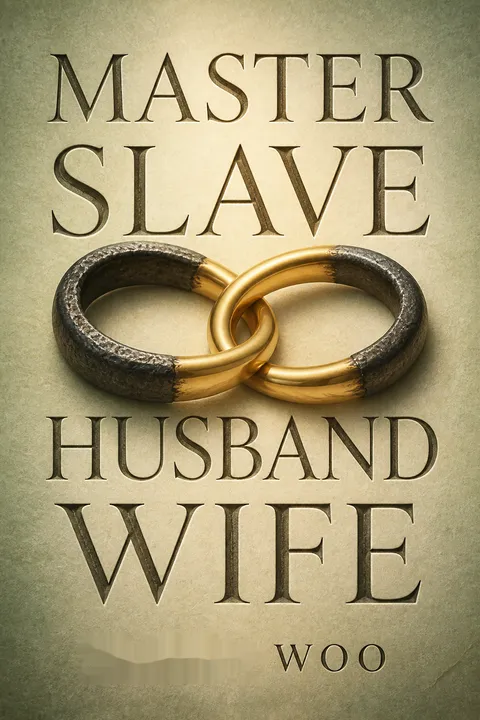
Master Slave Husband Wife recounts the daring escape of Ellen and William Craft from slavery in 1848. Readers praise the book's meticulous research and compelling narrative, highlighting the couple's ingenuity and bravery. While some found the historical context enlightening, others felt it overshadowed the Crafts' personal story. The book's pacing and level of detail divided opinions, with some finding it riveting and others dry. Overall, reviewers appreciated the importance of preserving this lesser-known piece of history, though opinions varied on its execution.
People Also Read







FAQ
1. What is Master Slave Husband Wife by Ilyon Woo about?
- Epic escape narrative: The book recounts the true story of William and Ellen Craft, an enslaved couple from Georgia who escaped to freedom in 1848 by traveling 1,000 miles with Ellen disguised as a white, disabled male master and William as her enslaved servant.
- Historical and political context: Their journey is set against the backdrop of the 1848 revolutions, Manifest Destiny, and the intensifying national debate over slavery in America and Europe.
- Personal and collective struggle: The narrative intertwines the Crafts’ love, courage, and ingenuity with the broader fight for freedom and equality, highlighting both personal and societal stakes.
- Beyond escape: The book follows their transformation into prominent abolitionist activists, their life in England, and their ongoing legacy.
2. Why should I read Master Slave Husband Wife by Ilyon Woo?
- Uncover a forgotten history: The Crafts’ story is one of the most thrilling and underrecognized in American history, offering a fresh perspective on slavery, resistance, and the complexities of identity.
- Rich historical insight: The book provides a detailed look at 19th-century America, including its social, political, and technological changes, and how these shaped the lives of enslaved people.
- Inspiration from resilience: Readers witness extraordinary courage, love, and strategic brilliance, making the story both moving and thought-provoking.
- Meticulous research: Woo’s narrative is grounded in historical sources, including the Crafts’ own writings, ensuring both accuracy and depth.
3. Who were William and Ellen Craft, and what made their escape unique according to Ilyon Woo?
- Ingenious partnership: William and Ellen Craft were an enslaved married couple whose escape involved Ellen passing as a white, disabled male master and William as her servant, a daring inversion of racial and gender roles.
- Mutual self-emancipation: Their plan was a joint effort, symbolizing a partnership that defied the master-slave dynamic and challenged traditional narratives of slavery and freedom.
- Public figures post-escape: After reaching freedom, they became celebrated abolitionist speakers, sharing their story across the U.S. and Britain.
- Symbolic act: Their escape and subsequent activism forced society to confront assumptions about race, gender, and marriage.
4. How did William and Ellen Craft manage to escape slavery as described in Master Slave Husband Wife?
- Disguise and role reversal: Ellen disguised herself as a white, disabled male planter, using bandages, tinted glasses, and men’s clothing, while William acted as her enslaved servant.
- Use of transportation technology: They traveled openly by train, steamboat, and stagecoach, leveraging new transportation networks to move quickly and avoid suspicion.
- Meticulous planning: The escape was prepared in just four days, with Ellen sewing her disguise and both practicing their roles and securing necessary passes and funds.
- Faith and mutual support: Their journey was sustained by deep love, faith, and the belief that “God is on our side,” helping them endure constant danger.
5. What were the main dangers and challenges William and Ellen Craft faced during their escape in Master Slave Husband Wife?
- Risk of capture and violence: Being caught could mean brutal punishment, separation, or death, with slave patrols and bounty hunters posing constant threats.
- Legal and social obstacles: They had to navigate hostile officials, suspicious ticket clerks, and the Fugitive Slave Act, which empowered enslavers to reclaim fugitives even in free states.
- Racial and gender scrutiny: Ellen’s disguise challenged rigid social norms, risking exposure as a woman or a person of color traveling with a Black man.
- Emotional trauma: The fear of separation from each other and loved ones, especially Ellen’s mother, weighed heavily on them throughout their journey.
6. How did the Fugitive Slave Act of 1850 impact William and Ellen Craft and the abolitionist movement, according to Ilyon Woo?
- Increased danger in the North: The Act allowed slaveholders to pursue escaped slaves into free states, making the Crafts and others vulnerable to recapture.
- Galvanized resistance: The law spurred Black communities and abolitionists to form Vigilance Committees and pledge to resist slave catchers, with the Crafts becoming symbols of this resistance.
- Political polarization: The Act deepened sectional divides, with some leaders supporting its enforcement and others, like Frederick Douglass, calling for rebellion.
- Legal and public battles: The Crafts’ presence in Boston led to legal standoffs, public protests, and community mobilization to protect them.
7. What role did abolitionist networks and key figures play in William and Ellen Craft’s journey as described in Master Slave Husband Wife?
- Support and protection: Abolitionists like William Wells Brown, Robert Purvis, and Vigilance Committees provided shelter, legal aid, and moral support.
- Public advocacy: The Crafts joined lecture tours, sharing their story to raise awareness and funds for the anti-slavery cause.
- Complex relationships: The book explores tensions within abolitionist circles, including differing strategies and personal conflicts, which the Crafts navigated carefully.
- International connections: Their activism extended to Britain, where they continued to work with abolitionist networks and faced new challenges.
8. How does Master Slave Husband Wife by Ilyon Woo explore themes of race, gender, and identity through the Crafts’ story?
- Crossing boundaries: Ellen’s disguise as a white male master inverted racial and gender hierarchies, exposing the social constructions of both.
- Passing and ambiguity: Ellen’s light skin allowed her to “pass” as white, while William’s demeanor challenged stereotypes of Black men, highlighting the fluidity of identity.
- Intersectionality: The Crafts’ experiences reveal how race, gender, class, and disability intersected to shape their journey and activism.
- Challenging norms: Their story questioned rigid societal categories and highlighted the performativity of identity under oppressive systems.
9. How did William and Ellen Craft’s backgrounds and family histories influence their escape and activism in Master Slave Husband Wife?
- Trauma of family separation: William was separated from his family by slave sales, fueling his resolve to escape and reunite with loved ones.
- Ellen’s complex lineage: As the mixed-race daughter of her enslaver, Ellen experienced abuse and separation from her mother, shaping her determination for freedom.
- Skills and education: Both learned trades and secretly familiarized themselves with literacy, which became crucial for their disguise and survival.
- Family as motivation: Their love for each other and desire to protect future children propelled their daring plan and ongoing activism.
10. What was the significance of William and Ellen Craft’s activism and public lectures after their escape, according to Ilyon Woo?
- Abolitionist advocacy: The Crafts joined prominent abolitionist circuits, sharing their story to raise awareness and funds for the anti-slavery movement.
- Breaking social norms: Ellen became one of the first self-emancipated Southern women to speak publicly, challenging racial and gender expectations.
- Building empathy: Their lectures helped audiences confront the realities of slavery, inspiring collective action and support for fugitives.
- Strategic storytelling: They balanced revealing enough to authenticate their story while protecting themselves and others, using their narrative as a tool for social change.
11. How does Ilyon Woo use sources and narrative techniques in Master Slave Husband Wife to tell the Crafts’ story?
- Blending history and analysis: Woo combines archival research with literary analysis of the Crafts’ own narrative, Running a Thousand Miles for Freedom, to create a rich, layered account.
- Filling historical gaps: She uses newspapers, letters, legal documents, and other archival materials to reconstruct parts of the Crafts’ lives not covered in their own writings.
- Critical engagement: Woo exposes the limitations and biases of historical records, especially regarding enslaved people, and encourages readers to consider multiple perspectives.
- Inviting conversation: The narrative aims to spark further discussion about the past and its ongoing impact on issues of race, identity, and justice.
12. What are the key takeaways and best quotes from Master Slave Husband Wife by Ilyon Woo?
- Humanizing history: The book personalizes the brutal realities of slavery through the Crafts’ story, showing courage, love, and resistance in the face of oppression.
- Complex identities: It challenges simplistic racial and gender categories, illustrating how identity can be fluid and strategically navigated for survival and freedom.
- Power of community: The narrative highlights the crucial role of abolitionist networks, legal battles, and collective action in resisting slavery and protecting fugitives.
- Enduring legacy: The Crafts’ journey underscores the ongoing struggle for freedom and justice, inspiring reflection on the costs of slavery and the meaning of liberty.
- Notable quotes: “We hold these truths to be self-evident: that all men and women are created equal.” and “God made of one blood all nations of men” (Acts 17:26) encapsulate the book’s themes of equality and universal human dignity.
Download PDF
Download EPUB
.epub digital book format is ideal for reading ebooks on phones, tablets, and e-readers.








































