Plot Summary
Perfect Town, Hidden Flaws
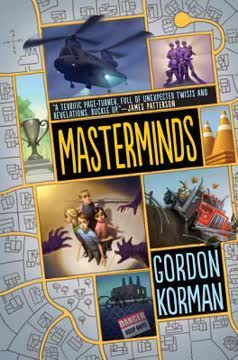
Serenity, New Mexico, is a town where everything seems perfect: no crime, no poverty, and every citizen is content. Eli Frieden, the mayor's son, enjoys a life of comfort and routine, surrounded by friends and a community that prizes honesty, harmony, and contentment. Yet, beneath the surface, there are hints that not all is as it seems. The town is isolated, with only one road in or out, and the children have never left its borders. The adults constantly remind the kids how lucky they are, but the children begin to notice oddities—like the ever-present security force, the Surety, and the lack of any real connection to the outside world. The seeds of doubt are planted, setting the stage for a journey that will challenge everything they believe.
The Forbidden Boundary
Eli and his adventurous friend Randy decide to bike beyond Serenity's limits, an act that feels both exhilarating and terrifying. As they cross the town's boundary, Eli is suddenly struck by a wave of intense nausea and pain, collapsing on the road. A helicopter carrying the Surety arrives almost instantly, whisking the boys back to town. Eli wakes in the clinic, his father and Dr. Bruder offering vague explanations about allergies or dehydration. The incident leaves Eli shaken and suspicious—why such a dramatic response to a simple bike ride? The experience marks the first real crack in Serenity's perfect facade, as Eli begins to sense that invisible forces are keeping them trapped.
Secrets in the Shadows
Shortly after the boundary incident, Randy is told he must leave Serenity to live with his grandparents. The news devastates his friends, especially Eli, who notices Randy acting distant and secretive. The adults' explanations for Randy's departure feel rehearsed and hollow. At his going-away party, Randy seems distracted, and his parents avoid eye contact with Eli. The suddenness of Randy's removal, combined with the lack of genuine goodbyes, leaves Eli feeling abandoned and more convinced that something is deeply wrong in Serenity. The loss of his best friend becomes a catalyst for Eli's growing determination to uncover the truth.
Randy's Disappearance
After Randy leaves, Eli is haunted by his friend's last words and odd behavior. With Tori's help, he searches Randy's old treehouse and discovers a hidden letter in a boomerang, revealing that Randy was sent to a boarding school, not to his grandparents. The letter hints that some kids in Serenity are "special" and that the answer lies in why Eli got sick at the boundary while Randy did not. This revelation shakes Eli to his core—if Randy's story is true, then the adults have been lying to them all along. The letter becomes the spark that ignites a secret investigation among the remaining friends.
The Letter in the Pool
Eli shares Randy's letter with Tori, Malik, and Hector, forming a secret alliance. They begin to notice more inconsistencies: the town's internet is censored, the local newspaper omits bad news, and the adults seem to be watching them more closely. Malik observes that the factory's cone trucks never actually leave town, and Tori's artistic eye catches details others miss. The friends realize they can't trust anyone but each other. Their bond deepens as they vow to uncover the truth behind Serenity's secrets, even as the risks grow and the sense of surveillance intensifies.
Cracks in Serenity
The group's investigation leads them to the Serenity Plastics Works, the town's supposed economic engine. They notice that the factory is heavily guarded, and the trucks circulate endlessly without delivering cones anywhere. Using a homemade kite and a hidden camera, they capture aerial photos of the factory, revealing a mysterious section on the roof. Their suspicions grow as they discover that the town's internet is filtered, and only within the factory's Wi-Fi range can they access the real web. The realization that their entire reality is being manipulated pushes them to plan a daring break-in.
The Factory's Facade
Under cover of night, Eli, Tori, Malik, and Hector scale the factory's walls and enter through the air ducts. Inside, they find not a bustling manufacturing plant, but a hollow shell filled with surveillance equipment and whiteboards documenting every detail of their lives. The "special" kids—eleven in total—are the subjects of intense observation, their behaviors cataloged and analyzed. The friends are horrified to see their entire lives reduced to data points and psychological notes. The factory is not a workplace, but the nerve center of a massive experiment, and they are its unwitting subjects.
Surveillance and Whiteboards
The group discovers a hidden conference room lined with whiteboards, each dedicated to one of the eleven "special" kids. The boards contain photos, medical records, behavioral notes, and test results dating back to infancy. Every act of honesty or dishonesty, every emotional outburst, is recorded and analyzed. The realization that their parents and teachers are complicit in this surveillance is devastating. The friends barely escape detection by the Surety, crawling back through the ducts and out onto the roof. The experience leaves them shaken, but more determined than ever to find out who they really are.
The Osiris Revelation
Eli's research, using the factory's uncensored internet, leads to a shocking discovery: Project Osiris. Conceived by Dr. Felix Hammerstrom (Eli's "father") and a billionaire, Osiris was an experiment to determine if children cloned from criminal masterminds could become good people if raised in a perfect environment. The eleven "special" kids are clones, their entire lives orchestrated as part of this secret study. The revelation shatters their sense of identity and trust. They realize their parents are not their real parents, and their entire existence has been a lie. The group is left reeling, struggling to process the enormity of the truth.
The Invisible Prison
Determined to escape, the group tests the town's boundaries again, only to be struck by the same debilitating sickness as before. They realize that an invisible barrier—generated by a device on a factory truck—prevents them from leaving. The barrier is keyed to something implanted in the clones, making it impossible for them to cross without severe pain. The adults, unaffected, can come and go freely. The friends understand that Serenity is not just a town, but a prison designed to keep them contained. The urgency to escape grows, especially as Malik learns he is about to be "weeded out" of the experiment.
Planning the Escape
With Serenity Day approaching—a time of celebration and distraction—the group devises a plan to destroy the barrier generator and escape in Eli's father's car. They practice driving, gather supplies, and act as model citizens to avoid suspicion. Tensions run high as they realize the risks: if caught, they could be drugged or worse. Amber, initially skeptical, joins the group after witnessing the truth firsthand. The plan is simple but dangerous: use the chaos of Serenity Day's fireworks to disable the barrier and make their getaway before anyone notices they are gone.
Serenity Day Showdown
On Serenity Day, while the town is distracted, Eli and Malik attack the barrier generator on the cone truck with shovels and hoes. The Surety discovers them, and a frantic chase ensues. The group piles into the truck, racing toward the town's edge. As they hit the barrier at high speed, the pain is overwhelming, and Eli realizes their only hope is to destroy the truck—and the generator—by driving it off a cliff. He and the others jump to safety just in time, but Hector hesitates and is lost in the explosion. The barrier falls, but the price of freedom is steep.
The Barrier Falls
The destruction of the barrier allows the survivors—Eli, Tori, Malik, and Amber—to escape Serenity at last. Grieving for Hector, they flee into the wilderness, pursued by the Surety. The journey is grueling, with little food or water, and the reality of their situation sinks in. They are alone in a vast, unfamiliar world, hunted and traumatized. Yet, for the first time, they are truly free. The loss of Hector weighs heavily on them, a stark reminder of the dangers they face and the sacrifices required to break free from their manufactured lives.
Into the Unknown
The group treks through the desert, eventually finding a railroad track and hopping a freight train. Exhausted and dehydrated, they cling to each other for support. Along the way, they discover a newspaper article about Bartholomew Glen, a notorious serial killer, and realize that one of them is cloned from this monster. The knowledge is chilling, deepening their fear of what they might become. Despite their doubts and grief, they press on, determined to find Randy and seek help. Their journey is both a physical and emotional trial, testing their resilience and unity.
The Real World Beckons
Arriving in Colorado, the group navigates unfamiliar streets, evades security, and finally reaches McNally Academy, where Randy is enrolled. The outside world is overwhelming—noisy, crowded, and indifferent to their plight. They are battered, dirty, and out of place, but their determination carries them forward. With the help of a taxi driver, they reach the school and, after some confusion, find Randy. The reunion is bittersweet, as the friends realize that their journey is far from over. They have escaped Serenity, but now must confront the challenges of living as fugitives—and as clones of criminal masterminds.
Masterminds Unmasked
Reunited with Randy, the group faces an uncertain future. They are free from Serenity, but burdened by the knowledge of their origins and the trauma of their escape. The world outside is both a promise and a threat, offering possibilities but also dangers they can barely imagine. The friends vow to stick together, to protect each other, and to find a way to expose Project Osiris and rescue the other clones still trapped in Serenity. Their story is just beginning—a story of identity, freedom, and the struggle to define themselves beyond the shadows of their DNA.
Analysis
Masterminds is a gripping exploration of identity, free will, and the ethics of scientific experimentation, wrapped in the accessible, high-stakes package of a middle-grade thriller. Gordon Korman crafts a narrative that is both a page-turner and a meditation on what makes us who we are. The children's journey—from unquestioning acceptance to rebellion and self-discovery—mirrors the universal adolescent quest for autonomy and truth. The novel interrogates the limits of nurture, the dangers of control, and the resilience of the human spirit. By revealing that the protagonists are clones of notorious criminals, Korman challenges readers to consider whether our origins define us, or whether we can choose our own paths. The story's structure—multiple narrators, escalating mysteries, and a climactic escape—keeps readers engaged while inviting them to question authority, value honesty, and empathize with those who are different. Ultimately, Masterminds is a call to courage: to seek truth, to trust in friendship, and to believe that even in a world built on lies, we can forge our own destinies.
Review Summary
Reviews for Masterminds are largely positive, averaging 4.31/5. Most readers praise the fast-paced plot, creative premise, and well-balanced characters, highlighting the shocking twist involving clones of criminal masterminds. Many appreciate the multi-POV narrative style and found it difficult to put down. Common criticisms include a slow build-up in the first two-thirds, an unsatisfying cliffhanger ending, and occasional plot holes. Despite minor complaints, most readers eagerly anticipate the sequel, recommending it especially to fans of mystery, adventure, and light science fiction.
People Also Read

Characters
Eli Frieden
Eli is the thoughtful, rule-abiding son of Serenity's mayor and principal, raised to believe in honesty and contentment. His world unravels when he discovers the town's secrets and his own identity as a clone. Eli's journey is one of awakening: from passive acceptance to active rebellion. He is driven by loyalty to his friends and a deep need to understand who he truly is. The betrayal by his "father" devastates him, but also steels his resolve. Eli's leadership emerges through crisis, as he navigates fear, grief, and the burden of responsibility, ultimately becoming the group's moral center.
Tori Pritel
Tori is creative, observant, and deeply empathetic, with a keen eye for detail and a strong sense of right and wrong. Her close friendship with Amber and her loving relationship with her parents make the truth about Serenity especially painful. Tori's struggle is internal—caught between the comfort of her family and the need to escape a life built on lies. Her artistic perspective helps the group notice clues others miss, and her courage is tested during the factory break-in and the escape. Tori's journey is about finding strength in vulnerability and choosing truth over comfort.
Malik Bruder
Malik is brash, sarcastic, and often at odds with Serenity's rules. He masks his insecurities with bravado and humor, but beneath the surface, he cares deeply—especially for his best friend Hector. Malik's rebellious streak makes him both a risk-taker and a target for "weeding out." His grief over Hector's loss exposes his softer side, and his anger fuels the group's determination to fight back. Malik's arc is one of self-acceptance, as he learns to channel his defiance into leadership and loyalty, proving that even the "toxic element" can be a hero.
Amber Laska
Amber is disciplined, organized, and the embodiment of Serenity's ideals—until the truth shatters her worldview. Initially skeptical of the conspiracy, she becomes a fierce advocate for escape and justice once convinced. Amber's perfectionism turns into determination, and her anger at the adults' betrayal is intense. Her relationship with Tori is tested, but ultimately, Amber's loyalty to her friends prevails. She represents the struggle to reconcile a carefully constructed identity with a new, unsettling reality, and her transformation is one of the most dramatic in the group.
Hector Amani
Hector is small, often overlooked, and eager to please, especially Malik. He struggles with feelings of inadequacy and a lack of parental warmth. Despite his fears, Hector proves his courage during the factory break-in and the escape attempt. His tragic fate—hesitating at the crucial moment—underscores the story's emotional stakes. Hector's vulnerability and loyalty make him the emotional heart of the group, and his loss galvanizes the others to continue their fight for freedom.
Randy Hardaway
Randy is adventurous, mischievous, and the first to sense that something is wrong in Serenity. His abrupt removal from town and secret letter to Eli set the entire plot in motion. Though absent for much of the story, Randy's influence is profound—his warnings, humor, and friendship drive the others to question, investigate, and ultimately rebel. Randy represents the spark of curiosity and courage that challenges the status quo.
Felix Frieden / Dr. Hammerstrom
Eli's "father" is the mastermind behind Project Osiris, orchestrating the town's every detail. Outwardly kind and principled, he is revealed as a scientist willing to sacrifice ethics for knowledge. His betrayal is deeply personal for Eli, and his dual identity embodies the story's central conflict between nurture and control. Dr. Hammerstrom's actions force the children to confront the limits of trust and the meaning of family.
Mrs. Laska
Amber's mother and the school's teacher, Mrs. Laska is a key figure in maintaining Serenity's illusion. She embodies the town's values and is complicit in the surveillance and manipulation of the children. Her role highlights the tension between genuine care and the demands of the experiment, and her relationship with Amber is strained by the revelation of the truth.
Mrs. Delaney
A recent arrival in Serenity, Mrs. Delaney is the water polo coach and wife of a Surety officer. Her outsider status makes her more sympathetic to the children's plight, and she ultimately helps them during their escape attempt. Mrs. Delaney's internal conflict—torn between loyalty to her husband and empathy for the kids—adds nuance to the adult perspective and provides a rare source of hope.
The Surety (Purple People Eaters)
The Surety are Serenity's security force, ever-present and intimidating. They enforce the town's rules, respond to breaches, and maintain the barrier. Their anonymity and discipline make them symbols of the experiment's control, and their presence is a constant reminder of the children's lack of freedom. Individual Surety members, like Bryan Delaney, occasionally show humanity, but as a group, they represent the impersonal machinery of Osiris.
Plot Devices
Multiple Perspectives and Rotating Narrators
The novel employs a rotating first-person narrative, allowing readers to experience the story through the eyes of several main characters. This structure provides insight into each character's psychology, relationships, and evolving understanding of Serenity's secrets. The shifting perspectives create suspense, reveal hidden motivations, and build empathy, making the group's journey feel personal and immediate. The device also allows for foreshadowing and dramatic irony, as different characters notice clues and interpret events in unique ways.
Foreshadowing and Clues
From the opening chapters, the story is laced with subtle hints—strange illnesses, censored news, odd adult behavior, and the ever-watchful Surety. These clues accumulate, creating a sense of unease and anticipation. The discovery of Randy's letter, the censored internet, and the factory's secrets are all foreshadowed, making the eventual revelations feel earned and satisfying. The use of recurring motifs—like the Serenity Cup, the honor system, and the town's slogans—reinforces the theme of hidden control.
The Locked Room Mystery
Serenity functions as a classic "locked room" mystery, with the children trapped in an environment designed to be inescapable. The invisible barrier, the surveillance, and the adults' complicity create a sense of claustrophobia and paranoia. The children's investigation, break-in, and escape attempt mirror the structure of a puzzle or heist story, with each clue and obstacle bringing them closer to the truth.
Nature vs. Nurture Theme
At the heart of the story is the question: Are people born evil, or shaped by their environment? Project Osiris is designed to answer this, and the children's struggle to define themselves—despite their origins—embodies the theme. The plot device of cloning criminal masterminds and raising them in a controlled utopia forces both characters and readers to confront the complexities of identity, free will, and morality.
Escalating Stakes and Ticking Clock
The narrative is driven by escalating stakes: Randy's removal, the threat of "weeding," the discovery of the barrier, and the approach of Serenity Day. Each revelation increases the urgency, culminating in a desperate, high-risk escape. The ticking clock of Malik's impending removal and the town's surveillance create constant tension, ensuring that the story never loses momentum.








































