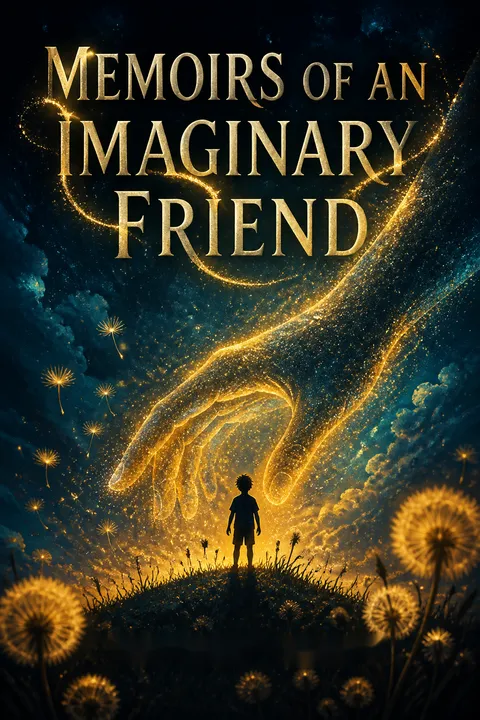

Summary Temporarily Unavailable
This summary is temporarily unavailable and is currently being updated. You can still explore the FAQs and other metadata below.
Plot Summary
Budo's Unlikely Existence
Budo, the imaginary friend of a boy named Max, introduces himself and his unique existence. Unlike most imaginary friends, Budo has survived for five years—an eternity in his world—because Max, a creative and anxious child, continues to believe in him. Budo is self-aware, able to think independently, and even leave Max's side, though his existence is tethered to Max's belief. He observes the world from a liminal space, invisible to all but Max, and reflects on the fragility of his own reality. Budo's voice is innocent yet perceptive, and he is both comforted and haunted by the knowledge that his life depends on Max's imagination. This existential uncertainty shapes Budo's every thought and action, making his devotion to Max both a necessity and a choice.
Max's World of Rules
Max is a boy who lives by strict routines and rules, which help him navigate a confusing world. He struggles with social interactions, dislikes being touched, and is overwhelmed by choices and surprises. His parents and teachers debate whether he is simply a "late bloomer" or has deeper developmental differences, but Max's needs are clear: predictability, safety, and space. Budo helps Max manage daily challenges, from opening jars to choosing popsicle colors, acting as a bridge between Max's inner world and the unpredictable outside. Max's parents argue about how best to help him, and Budo worries that therapy or change might threaten his own existence. Through Budo's eyes, we see Max's vulnerability and the love and frustration that surround him, setting the stage for the story's central conflict.
School, Outsiders, and Mrs Gosk
At school, Max finds comfort in his teacher, Mrs Gosk, whose strict but loving manner makes him feel safe. She understands how to reach children like Max, using humor and structure, and becomes a rare adult whom Max trusts. However, Max's days are fragmented by sessions with various specialists and paraprofessionals, including the enigmatic Mrs Patterson. Max's differences—his literal thinking, aversion to touch, and inability to read social cues—make him a target for bullies and a puzzle for adults. Budo observes the subtle ways Max is both protected and isolated, and how the school's attempts to help sometimes make things harder. The classroom is a microcosm of Max's world: full of rules, hidden dangers, and the occasional oasis of understanding.
The Perils of Difference
Max's inability to navigate social situations puts him at risk, especially with older kids like Tommy Swinden, a bully with a grudge. When Max inadvertently gets Tommy in trouble for bringing a knife to school, he becomes Tommy's target. A harrowing encounter in the bathroom—where Max, trapped and terrified, manages to escape by accident—underscores how easily Max's world can become dangerous. Budo, powerless to intervene physically, is forced to watch and advise, feeling the limits of his imaginary existence. The episode leaves Max shaken and Budo more aware than ever of the precariousness of both their lives. The threat of violence and misunderstanding looms, and Budo's role as protector is tested by his inability to truly shield Max from harm.
Friendship and Fading Away
Budo's world is populated by other imaginary friends, each with their own quirks and lifespans. He befriends Graham, another long-lived imaginary friend, and together they try to stave off Graham's impending disappearance as her human, Meghan, grows up and no longer needs her. Their efforts to make themselves indispensable fail, and Budo is forced to confront the reality that imaginary friends fade when their humans move on. Graham's gentle acceptance of her fate and her love for Meghan move Budo deeply, making him fear his own eventual end. The loss of Graham is a quiet tragedy, and Budo's grief is compounded by the knowledge that his own existence is just as fragile. The chapter explores themes of loss, memory, and the bittersweet nature of growing up.
The Bully and the Bathroom
The tension with Tommy Swinden comes to a head in a school bathroom, where Max is cornered and threatened. Budo, unable to physically intervene, urges Max to fight back. In a moment of panic, Max accidentally defends himself in a way that humiliates Tommy, shifting the power dynamic but increasing the danger. The incident leaves Max anxious and fearful of retribution, while Budo feels both pride and helplessness. The episode highlights the limits of adult protection and the ways in which children like Max are left to navigate perilous situations on their own. The school's inability to fully understand or safeguard Max becomes increasingly apparent, and Budo's anxiety for his friend deepens.
Graham's Disappearance
Graham's gradual disappearance is a poignant reminder of the fate awaiting all imaginary friends. Despite Budo's efforts to help Graham remain relevant to Meghan, nothing can stop the inevitable. Graham's acceptance of her end, and her desire to spend her last moments with her human, is both heartbreaking and beautiful. Budo is left alone, more aware than ever of his own mortality and the transient nature of his world. The loss of Graham marks a turning point for Budo, who must now face the possibility of his own fading, and for Max, who is increasingly isolated. The chapter is a meditation on letting go, the pain of being forgotten, and the courage required to face the unknown.
Secrets and Suspicion
As Max's relationship with Mrs Patterson deepens, Budo becomes increasingly uneasy. Mrs Patterson begins taking Max out of the classroom for secret meetings, and Max is sworn to secrecy. Budo, excluded and mistrustful, spies on their interactions and senses something is wrong. Mrs Patterson's outward kindness masks a growing obsession with Max, and her actions become more secretive and controlling. Budo's inability to communicate his fears to anyone but Max leaves him feeling powerless. The tension builds as Budo realizes that Mrs Patterson's intentions may be dangerous, and that Max is too trusting and vulnerable to see the threat. The seeds of the central crisis are sown, and Budo's role as guardian is put to the ultimate test.
The Vanishing of Max
One day, Max vanishes from school without a trace. The staff and police launch a frantic search, but Budo knows the truth: Mrs Patterson has taken Max. Unable to communicate with adults, Budo is the only witness to the abduction, and the only one who can hope to find and help Max. The school goes into lockdown, rumors swirl, and Max's parents are devastated. Budo's frustration and fear mount as he realizes the limits of his power and the urgency of the situation. The disappearance marks the story's turning point, shifting from a tale of everyday struggles to a suspenseful rescue plot. Budo must now find a way to save Max, even if it means risking his own existence.
The Search and the Suspect
Budo follows Mrs Patterson, uncovering her elaborate scheme to keep Max hidden in a secret, child-friendly room in her basement. Mrs Patterson's motivations are revealed: she lost her own child and has become fixated on "saving" Max from a world she sees as hostile. Budo discovers that Mrs Patterson plans to flee with Max, making his rescue even more urgent. Meanwhile, the police and Max's parents search in vain, unable to see the clues that Budo uncovers. Budo's isolation is profound—he is the only one who knows the truth, and the only one who can act. The chapter is a race against time, as Budo struggles to find allies and devise a plan to free Max before it's too late.
Mrs Patterson's Deception
Mrs Patterson expertly deceives the adults around her, presenting herself as a concerned and grieving educator. She lies to the police, feigns illness, and prepares to disappear with Max. Budo observes her duplicity and the ease with which she manipulates those who trust her. The adults' inability to see through her facade frustrates Budo, who is forced to rely on his own ingenuity. The chapter explores themes of trust, authority, and the dangers of misplaced faith. Mrs Patterson's actions are chilling in their calculation, and Budo's sense of urgency grows as he realizes how close she is to succeeding. The stakes are raised, and Budo's determination to save Max hardens.
Max's Imprisonment
In Mrs Patterson's secret room, Max is surrounded by toys, routines, and comforts designed to keep him compliant. At first, he is confused and frightened, but he gradually adapts, finding solace in the familiar objects and routines. Mrs Patterson's attempts to win his affection are both nurturing and controlling, blurring the line between care and captivity. Budo, able to visit but unable to intervene directly, struggles with his own limitations and the moral dilemma of whether to encourage Max's escape or let him remain in a place where he is, in some ways, content. The chapter delves into the psychology of captivity, the seduction of safety, and the cost of freedom. Max's resilience and vulnerability are on full display, and Budo's loyalty is tested as never before.
Budo's Moral Dilemma
As Max settles into his new life, Budo faces an agonizing choice: if Max remains hidden and dependent, Budo will continue to exist; if Max escapes and grows, Budo will fade away. The temptation to let things be is strong, but Budo's love for Max and his sense of right and wrong compel him to act. He seeks help from other imaginary friends, including Oswald, a rare friend who can interact with the physical world. Budo's internal struggle is intense—he must sacrifice his own existence to give Max a chance at freedom and happiness. The chapter is a meditation on selflessness, courage, and the true meaning of friendship.
Oswald the Giant
Oswald, an imaginary friend created by a comatose adult, is the only one Budo knows who can physically manipulate the real world. Though gruff and intimidating, Oswald agrees to help Budo rescue Max, even as he begins to fade from existence himself. Their partnership is fraught with tension and urgency, as Oswald's time is running out. Together, they devise a plan to open the secret door and free Max, navigating the challenges of their own limitations and the dangers posed by Mrs Patterson. Oswald's sacrifice and bravery inspire Budo, and their unlikely alliance becomes the key to Max's salvation. The chapter is a testament to the power of cooperation, sacrifice, and the unexpected strengths found in others.
The Plan to Escape
With Oswald's help, Budo orchestrates Max's escape from Mrs Patterson's basement. The plan is fraught with obstacles: Max's fear, Mrs Patterson's vigilance, and the ever-present risk of discovery. Budo must convince Max to trust himself and take action, even as he prepares to say goodbye. The escape is tense and dramatic, with Max using his wits and courage to outmaneuver Mrs Patterson. Oswald's final act—physically blocking Mrs Patterson and enabling Max to flee—comes at the cost of his own existence. The chapter is a climax of suspense, emotion, and sacrifice, as Budo and Oswald give everything to save their friend.
The Final Rescue
Max's journey home is perilous, but he draws on everything he has learned—from Budo, from his own experiences, and from the stories he loves—to outsmart Mrs Patterson and reach safety. The reunion with his parents is emotional and cathartic, and Mrs Patterson is finally exposed and apprehended. Budo, his purpose fulfilled, begins to fade as Max no longer needs him. In his final moments, Budo reflects on the meaning of his existence, the love he has given and received, and the beauty of letting go. The chapter is both an ending and a beginning, as Max steps into a new chapter of his life, and Budo finds peace in his own disappearance.
Letting Go
In the aftermath, Budo's presence lingers as a memory, a story, and a lesson. He watches over Max one last time, proud of the boy he has become. Budo's journey—from self-preservation to self-sacrifice—mirrors the universal experience of loving, letting go, and trusting others to carry on. The story ends with Budo's acceptance of his own end, comforted by the knowledge that he made a difference. His legacy lives on in Max's growth, the friendships he forged, and the quiet heroism of everyday love. The emotional arc comes full circle, leaving readers with a sense of hope, loss, and the enduring power of imagination.
Analysis
A meditation on love, loss, and the courage to let goMemoirs of an Imaginary Friend is a profound exploration of what it means to love someone enough to let them grow, even at the cost of your own happiness. Through the lens of Budo, the story examines the fragility of existence, the pain of being forgotten, and the bittersweet necessity of change. Max's journey is a testament to the resilience of neurodiverse children and the importance of understanding, patience, and genuine connection. The novel challenges readers to consider the invisible struggles of those who are different, the limits of adult protection, and the quiet heroism required to do the right thing. In a modern context, the book resonates as a call for empathy, selflessness, and the recognition that true love sometimes means stepping aside. The lessons are universal: cherish those you love, accept the inevitability of change, and find meaning in the act of helping others, even when it means saying goodbye.
Last updated:
Report IssueReview Summary
Memoirs of an Imaginary Friend by Matthew Dicks tells the story of Budo, the imaginary friend of Max, a boy with autism. Readers praise the novel's originality, emotional depth, and unique narrative voice. Many found it deeply moving, even predictable endings brought tears. The book explores themes of friendship, courage, and the nature of imagination. Some critics felt the writing was too simple or the plot became repetitive, but most appreciated Dicks' authentic portrayal of school life and autism. The story resonates particularly with parents, teachers, and those who remember their own imaginary friends.
People Also Read


Characters
Budo
Budo is the narrator and heart of the story, an imaginary friend created by Max's mind. Unlike most imaginary friends, Budo is highly self-aware, independent, and long-lived, thanks to Max's persistent belief. He is both childlike and wise, observing the world with innocence and insight. Budo's existence is defined by his devotion to Max, but he also grapples with existential fears and the desire for self-preservation. His journey is one of growth—from passive companion to active savior—culminating in the ultimate act of selflessness. Budo's relationships with other imaginary friends, especially Graham and Oswald, deepen his understanding of love, loss, and mortality. His psychological arc is one of acceptance, courage, and letting go.
Max Delaney
Max is a young boy who struggles with social interaction, sensory sensitivities, and rigid routines—traits suggestive of autism, though never explicitly labeled. He is deeply imaginative, creating Budo and elaborate worlds of rules and order to cope with a confusing reality. Max's relationships with adults are fraught; he is loved but often misunderstood, and his differences make him both a target and a mystery. Max's journey is one of survival and growth: from dependence on Budo to self-reliance, from fear to bravery. His psychological complexity is rendered with empathy, highlighting the challenges and strengths of neurodiversity. Max's bond with Budo is central, shaping both their destinies.
Mrs Patterson
Mrs Patterson is Max's paraprofessional at school, initially appearing kind and attentive. Beneath her calm exterior lies a deep well of grief and obsession, stemming from the loss of her own child. Her fixation on Max grows into a dangerous desire to "save" him from the world, leading her to abduct and imprison him. Mrs Patterson is a master manipulator, deceiving adults and authorities with ease. Her psychological portrait is one of denial, projection, and escalating instability. She is both villain and victim, her actions driven by unresolved trauma and a warped sense of love. Her relationship with Max is a chilling study in control and dependency.
Mrs Gosk
Mrs Gosk is Max's third-grade teacher and a rare adult who truly understands and supports him. She is strict but loving, using humor, structure, and genuine care to reach her students. Mrs Gosk's presence is a source of safety and stability for Max, and her influence extends to Budo, who admires her deeply. She represents the best of adult guidance: patient, perceptive, and willing to meet children where they are. Mrs Gosk's role is pivotal in Max's development and rescue, embodying the everyday heroism of good teachers. Her psychological strength and empathy make her a touchstone for both Max and Budo.
Max's Mother
Max's mother is fiercely protective and proactive, often clashing with Max's father over how best to help their son. She is quick to seek expert advice, advocate for therapy, and push for change, sometimes to Max's discomfort. Her love is unwavering but sometimes overwhelming, and her anxiety about Max's future drives much of the family's tension. She is both a source of comfort and stress for Max, embodying the challenges of parenting a neurodiverse child. Her psychological arc is one of worry, resilience, and eventual relief as Max returns home.
Max's Father
Max's father is more skeptical of diagnoses and interventions, preferring to see Max as a "normal" boy who will grow out of his differences. He struggles to connect with Max, often misunderstanding his needs and retreating from conflict. His relationship with Max's mother is strained by their differing approaches, and he is haunted by feelings of inadequacy. Despite his flaws, he loves Max deeply and ultimately rises to the occasion during the crisis. His psychological journey is one of denial, frustration, and redemption.
Graham
Graham is Budo's closest friend among the imaginary, a companion to Meghan, a shy girl overcoming a stutter. Graham's impending disappearance is a central emotional event, teaching Budo about loss, acceptance, and the limits of love. Graham is wise, kind, and selfless, facing her end with grace and gratitude. Her relationship with Budo is a model of friendship, and her fading marks a turning point in Budo's understanding of mortality. Graham's psychological arc is one of acceptance and peace.
Oswald
Oswald is unique among imaginary friends: created by a comatose adult, he is massive, intimidating, and capable of interacting with the physical world. Initially gruff and hostile, Oswald is ultimately lonely and longing for connection. His willingness to help Budo and Max, even at the cost of his own existence, marks him as a hero. Oswald's psychological journey is one of transformation—from anger and isolation to purpose and sacrifice. His final act is both redemptive and tragic.
Teeny
Teeny is an imaginary friend with fairy wings, created by a hospitalized girl. She is empathetic, insightful, and skilled at guiding others, including Budo and Oswald. Teeny's role is that of a mentor and comforter, helping Budo navigate difficult choices and emotions. Her psychological strength lies in her ability to see the bigger picture and encourage selflessness in others. Teeny's presence is a source of wisdom and hope.
Tommy Swinden
Tommy is the primary antagonist among Max's peers, a fifth-grade bully whose own struggles manifest as cruelty toward others. His vendetta against Max escalates the story's tension and highlights the dangers faced by vulnerable children. Tommy's actions are both a symptom and a cause of the school's failure to protect its most at-risk students. His psychological portrait is one of pain, insecurity, and misplaced anger.
Plot Devices
Imaginary Friend as Narrator
The novel's central device is its first-person narration by Budo, an imaginary friend who is both observer and participant. This unique viewpoint allows readers to see the world through the eyes of someone who is real only to one person, blurring the line between fantasy and reality. Budo's narration is both innocent and insightful, providing commentary on human behavior, love, and mortality. The device enables deep psychological exploration of both Max and Budo, and creates dramatic irony as Budo knows truths that adults cannot see. The narrative structure is linear but punctuated by Budo's philosophical reflections, foreshadowing his eventual disappearance and the story's bittersweet resolution.
The Ticking Clock
Once Max is abducted, the story adopts a suspenseful, race-against-time structure. Budo's inability to communicate with adults heightens the tension, as only he knows where Max is and what is at stake. The impending threat of Mrs Patterson fleeing with Max, and the gradual fading of Budo and Oswald, create multiple layers of urgency. The device keeps the narrative taut and propulsive, forcing characters to act decisively and at great personal risk.
The Fading of Imaginary Friends
The gradual disappearance of imaginary friends serves as a metaphor for loss, growing up, and the impermanence of love and memory. The device is used to explore themes of mortality, self-sacrifice, and the pain of being forgotten. The fading is both a literal and symbolic process, marking the end of childhood and the necessity of letting go. It also raises the stakes for Budo, who must choose between his own survival and Max's freedom.
Psychological Realism
The novel employs close psychological realism, especially in its depiction of Max's neurodiversity and Budo's existential anxieties. The internal conflicts—Budo's fear of fading, Max's struggle for autonomy, Mrs Patterson's grief—are rendered with empathy and nuance. The device allows for rich character development and emotional resonance, grounding the fantastical elements in authentic human experience.
The Hero's Journey
Both Budo and Max undergo classic hero's journeys: Budo moves from self-preservation to self-sacrifice, while Max evolves from dependence to self-reliance. The structure is mirrored in the story's arc, with trials, allies, enemies, and a climactic ordeal. The device provides a satisfying narrative shape and emotional payoff, culminating in Budo's acceptance of his own end and Max's emergence as a braver, more independent person.
About the Author
Matthew Dicks is an internationally bestselling author whose novels have been translated into over 25 languages. Beyond writing fiction and nonfiction, he's an elementary school teacher with 20 years of experience and was a finalist for Connecticut Teacher of the Year. Dicks is a highly accomplished storyteller, winning 35 Moth StorySLAM championships and performing on platforms like This American Life and TED. He co-founded Speak Up, a Hartford storytelling organization, and teaches storytelling worldwide at universities and corporations. He's also a wedding DJ, minister, podcaster, and columnist, balancing creative pursuits with teaching and family life alongside his wife Elysha and their two children.
Other books by Matthew Dicks



Download PDF
Download EPUB
.epub digital book format is ideal for reading ebooks on phones, tablets, and e-readers.








































