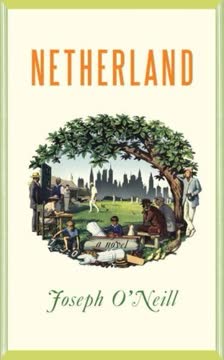
Plot Summary
Leaving London for New York
Hans van den Broek, a Dutch banker, packs his London life for what should be a brief New York adventure with his wife Rachel and son Jake. The city's allure is immediately complicated—his wife's vision is temporary, but people warn him of New York's lasting grip. Though Hans tries to dismiss this, foreshadowing and tension have already begun to infect his perception of the city. Rachel leaves first, and by the time Hans follows, random nostalgia and tension have already begun to infect his perception of the city. In the looming shadow of 9/11, every light, every siren, every late-night noise presses in on Hans and his family, already making New York into less of a starting place and more of an uncertain waiting room between happiness and regret.
City Haunted by Aftermath
The family, relocated to a hotel due to the downtown attacks, is weighed down by post-9/11 paranoia and emotional shell-shock. Rachel is consumed by fear for Jake's safety and her own. Hans likewise broods, plagued by nightmares in which he sacrifices himself for his family, only to wake to ever-present sirens and city dread. Decisions about fleeing back to London or staying become impossible knots—Rachel's doubts, Hans's reticence, and the couple's now-discordant responses to crisis keep them apart. Their sense of home erodes: conversations twist with fatigue and disillusionment, the trauma of New York's aftermath infects their marriage, and every effort at reconciliation feels hollow, as if life itself has fallen away from meaning.
Cricket on Alien Ground
Searching for solace, Hans reclaims his boyhood sport: cricket, a rare and marginalized pastime among New York's immigrant communities. The Staten Island fields and rituals of cricket become Hans's sanctuary—its rules, customs, and camaraderie offer a frail sense of continuity, a ghost of his Dutch youth, connecting him to lost versions of himself. The matches expose cultural tensions, racial tensions, and the everyday heroism of playing "the immigrant's game" in a country that barely acknowledges its presence. Cricket temporarily soothes the ache of rootlessness and isolation, but it's always set in fields of discord—odd rules, hostile landscapes, and a sense of perpetual exile.
Fragile Family, Fractured Love
Rachel, unable to bear New York's dangers or her fraying marriage, leaves for London with Jake, hoping absence will restore perspective. Their solution only deepens estrangement—Hans remains, lost in a city he can't quite claim or escape, holding to the memory of family routines and Rachel's stern practicality. Their communication becomes strained, each call across the ocean failing to bridge the gulf created by tragedy and emotional drift. Love becomes a negotiation with distance: tiredness, practicalities, and their son's needs replace passion. Despite attempts at reunion during his weekend visits, the family's rhythm is broken; every gesture to reclaim intimacy is tinged with nostalgia, exhaustion, or futile effort.
Hotel Life, Angelic Neighbors
Alone at the Chelsea Hotel, Hans slides into melancholy, meeting an eccentric array of residents: a Turkish "angel" (Mehmet Taspinar) in costume searching for his lost cat, a "visionary" widow, ghosts of the city's past. Their lives are patchwork, hallucinatory, sometimes comically tragic. These relationships—awkward, fleeting—act as a balm for Hans's loneliness but also underline his alienation from ordinary life. The surreal hotel community mirrors the city's own mosaic of immigrants, drifters, and survivors, each grasping for identity and connection amid chaos. Hans's friendship with the angel brings moments of gentle absurdity, but even these bonds are provisional, and ultimately only delay his confrontation with solitude and self-estrangement.
Memory's Grassy Endless Return
Cricket reawakens memories of Hans's Dutch upbringing, his stoic mother, the rituals of sport in a carefully ordered society, and his father's early death. These recollections take on haunting clarity as he contrasts his European past with the unresolved chaos of New York and the vacuum left by Rachel's departure. Memory is both comfort and torment—a field endlessly mowed by longing but never quite tamed. His mother's presence, both real and imagined, marks the perimeter of his dislocation. The continuity of self, he realizes, may be little more than a thread spun from seasons of cricket, maternal attention, and vanished friendships. In the present, roots feel impossible, but their loss is everywhere he looks.
Chuck Umpires, Chuck Dreams
At a tense cricket match, Hans meets Chuck Ramkissoon, a Trinidadian-American umpire of larger-than-life charisma. Chuck's deft handling of a crisis—facing down violence with dignity and vision—impresses Hans. Chuck harbors a grand dream: to build an American cricket stadium and revive the sport's place in the nation's imagination. He is an inveterate hustler, both charming and enigmatic, thriving on optimism and invention. Soon, he draws Hans into his world, proposing business ideas and painting visions of immigrant success. Chuck becomes a mentor, a temptation, even a mirror to Hans: both men are outsiders searching for belonging and affirmation, testing the limits of hope amid the indifference of American reality.
Collision of Worlds
The partnership between Hans and Chuck functions on two levels: the business of cricket and the growing complexity of survival in New York. Chuck's enterprises—part legitimate, part dicey—reflect the reality faced by many immigrants: to adapt means to blur the moral lines. Hans, both observer and participant, finds himself complicit in schemes that trouble his conscience, such as Chuck's underground lottery operation. Their friendship, cemented by hours maintaining "Bald Eagle Field," is a refuge from but also a confrontation with the world's compromises. The city's cosmopolitan mix, once thrilling, now reveals sharp divides. Trust and authenticity become elusive currencies; in Chuck's drama, the distinctions between helper, accomplice, and bystander blur.
Birth of Bald Eagle Field
Chuck's crowning ambition—Bald Eagle Field, the first "real" cricket ground in New York—is realized through doggedness, hustle, and creative sidestepping of bureaucratic obstacles. The ritual of mowing, seeding, rolling turf—Hans and Chuck perform these together, binding their fates to the field's uncertain future. The stadium is both sanctuary and stage for dreams: for immigrants it promises visibility, dignity, and recognition; for Chuck, vindication of a lifetime spent believing in America's potential to renew itself. Yet even amid this hopeful industry, seeds of violence, corruption, and secret hustles take root. The beauty of the project is shot through with risk; its fragility becomes clear as darker undercurrents reach the surface.
Numbers Games and Dark Deals
As Chuck's plans grow, so too does his involvement in illicit activities—operating a sophisticated numbers game and rough business dealings with unsavory partners. Hans, uncomfortably aware, is drawn into the gray zones of law and friendship, becoming Chuck's "respectable" driver and confidant for dangerous errands. Their partnership is tested by these moral crossings: admiration for Chuck's relentless energy gives way to anxiety about the forces now circling the dream of Bald Eagle Field. When violence erupts in a business dispute, Hans is forced to witness the depth of Chuck's entanglements—his American optimism masking risk, despair, and perhaps, inevitability. The cost of forging identity and legacy amid indifference grows ever more apparent.
Marriage: Separations and Returns
In parallel to his troubles with Chuck, Hans's marriage to Rachel survives in a strange limbo: brief reunions and even sexual revivals alternate with deeper layers of separation. Time in London brings Rachel her own sorrows and new loves, and Hans, in self-imposed exile, explores fleeting affairs of his own. The possibility of a true rebuild is clouded by new hurts—most notably, Rachel's relationship with another man. Yet a kind of love persists, tested, battered, transformed by time and wounds. In the end, reconciliation—shaky, fragile, but genuine—slowly emerges through therapy, shared history, and the practicalities of parenthood. The marriage's survival is less about romantic renewal than mutual responsibility, forgiveness, and an acceptance of limitations.
Revival, Loss, and Rebuilding
Hans reels from the loss of old friends, the deaths of both his mother and the dreams he had for New York. His time as a single father, cricketer, and ex-husband leaves him altered, but new routines—parenting Jake, playing his old sport, engaging in therapy—slowly ground him. Friends become scarce, but the few connections he maintains, such as with Chuck and his cricket teammates, take on heightened significance. As he mends, he views familial duty less as burden than as a loving commitment. Loss—of home, certainty, youthful selves—remains ever-present, but Hans learns to find meaning in the rituals of daily life and in the small affirmations and renewals made possible by forgiveness.
Crisis, Estrangement, Reunions
Big events disrupt the city—a massive blackout, wars abroad, the lingering trauma of terrorism. In these crises, Hans and other New Yorkers find moments of connection and community, even as darkness can breed both celebration and dread. Meanwhile, Hans's own emotional storms—jealousy, grief, and evolving love—challenge him to persist. Revelations about Rachel's relationships, their delicate new start, and Jake's growth set new terms for living. Eventually, Hans decides to leave New York for London—spurred by the emptiness of "winning" without those he loves, and by his growing awareness that history, both personal and collective, will ultimately outlast our efforts to control it.
Chuck's Vanishing, Hans's Farewell
Out of contact with Chuck, Hans learns, years later, of his friend's violent death; Chuck's body is found in the Gowanus Canal. The truth is unclear: criminal reckoning, betrayal, or random fate? As Hans seeks answers, he discovers the limits of knowledge, loyalty, and ideals—his role as both observer and unwitting participant in Chuck's downfall haunts him. Legal risks and moral anxiety follow, but so too does a profound sense of loss. In Chuck's fate—his failed dreams of cricket and reconciliation, his navigations of American life—Hans sees both warning and kinship. The weight of their friendship, limited and deeply human, leaves Hans mourning not just the man but a vision of hope now gone.
Technology, Nostalgia, and Gaps
Living once more in London, Hans and Rachel rebuild, always shadowed by memories they can neither wholly embrace nor escape. Technology (Google Earth, email, photos) connects and alienates; nostalgia's lure is powerful but frustrating—the past appears close but cannot be reclaimed. Family life resumes its rhythms, but the absences of New York, Chuck, and lost selves remain. The city is now both mythic and irretrievably lost; memory is both a comfort and a trap as Hans struggles with the impossibility of summing up or recapturing what has gone. The book's final movements consider how the stories we tell—about friendship, migration, love—are riddled with gaps, errors, and mysteries we can never fully resolve.
Dead Dreams and Living Light
In the aftermath of Chuck's unresolved death and the dissolution of his field, Hans quietly finds peace in fathering Jake, teaching him cricket, and accepting fate's unruliness. The rituals of daily life—tea, wallpapering, son's games—replace old ambitions and regrets. Losses suffered are neither erased nor fully explained; "clarity" is replaced by a gentler wisdom: to persist, to forgive, to keep telling stories. Chuck's absence is both literal and symbolic—the fate of so many immigrants' dreams in America. The light, always returning, hints at new beginnings, as Hans learns to see his life not as a failed epic but as a series of fragile, meaningful moments.
Gowanus, Graves, Final Goodbyes
Visiting cemeteries, tracing virtual maps, Hans makes ritual acts of mourning for both Chuck and his own lost American self. After conversations with cops and Chuck's widow, the ultimate causes and culprits of the tragedy remain shrouded. Hans accepts his limits: there are things about others—and about himself and his adopted country—that he will never grasp. Yet the act of witnessing—telling Chuck's story and his own—becomes a form of tribute. Mourning is dispersed: across places, memories, pixels, and real graves. The cycle of longing, nostalgia, and moving on never truly ends, only passes from one generation to the next.
Small Son's Promise Ahead
The novel ends with Hans, quietly happy, teaching Jake to wield a cricket bat: the promise of imparting a story, a tradition, a sense of play that persists through loss. Though the city is distant and the great ambitions behind him, Hans's real legacy is his resilience and the gentle preparation of his son for a world both cruel and luminous. Parenthood, storytelling, and the willingness to risk attachment again become acts of faith—a quiet assertion that, while dreams may vanish, the promise of new beginnings endures.
Analysis
Netherland is a modern exile's lament and a meditation on the search for meaning in a world of unraveling certainties. Joseph O'Neill crafts a tale of displacement—personal, cultural, historical—by following Hans van den Broek's journey through post-9/11 New York and, later, his emotionally scorched return to London. The story's heart is its refusal to offer clear consolations: marriages are rebuilt but forever altered, dreams (like Chuck's vision of an American cricket renaissance) are both necessary and doomed, friendships reach their limits, and the roots of belonging (national, familial, communal) can be both salvific and perilous. The novel interrogates the costs of assimilation, the perils of nostalgia, and the thin line between hope and delusion in the immigrant experience. Through the metaphor of cricket—a code of conduct, a lost tradition, a field for dreaming—O'Neill explores how fragile the bonds are that hold love, justice, and identity together, especially when set against the persistent undertow of loss and invisibility. What remains, in the end, are small acts of fidelity: teaching a son to play, remembering a friend's ambitions, forgiving the past's betrayals. Netherland is a story that wonders if the old promises at a city's horizon can still mean anything, and if not, whether we can at least keep playing, telling stories, and reaching for new beginnings in their fading light.
Review Summary
Reviews of Netherland are deeply divided. Many praise Joseph O'Neill's gorgeous, richly layered prose and his evocative portrayal of post-9/11 New York, with some comparing the novel to The Great Gatsby. The character of Chuck Ramkissoon is frequently highlighted as compelling and vivid. However, numerous readers find the protagonist Hans passive and difficult to engage with, making emotional investment challenging. Cricket as a central metaphor divides opinion—some find it intellectually rewarding, others alienating. The novel's meandering, non-linear structure draws both admiration and frustration, leaving many readers impressed but ultimately cold.
People Also Read

Characters
Hans van den Broek
The narrator, Hans is a Dutch banker who arrives in post-9/11 New York in search of adventure and renewal, only to find his hopes complicated at every turn. His perspective is introspective, melancholic, and haunted by the past—childhood memories, a lost mother, and the collapse of his once-stable family structure drive his anxiety and yearning. Hans moves through New York as both an insider and outsider, absorbing the city's cosmopolitan chaos, yet always feeling removed. He clings to cricket as a tenuous link to comprehensible identity and self-worth. Through friendships—especially with Chuck—and the tribulations of his marriage, Hans searches for meaning, belonging, and a redemptive narrative that can reconcile trauma, disappointment, and displacement. His story is deeply psychological: both a meditation on exile and a study in the limits of self-knowledge and connection.
Chuck Ramkissoon
A Trinidadian-American, Chuck is Hans's friend and foil: exuberant, endlessly resourceful, and fundamentally restless. Chuck embodies the American dream as seen from the margins—a rule-bender, a hustler, and an idealist whose plans (notably Bald Eagle Field, an American cricket stadium) spring from genuine aspiration and a willingness to court risk in pursuit of belonging. His need for respect and validation—by society, by friends, by the nation—drives both his creativity and his downfall. Chuck is loyal, generous, and magnetic; he's also secretive, morally ambiguous, and ultimately opaque. His clandestine ventures (undeclared lotteries, dubious business deals) mirror the complexity required to survive as an outsider. Chuck's fate—violent death and unresolved mysteries—acts as both warning and elegy for the "uncompleted" lives of immigrants. His death exposes the limits of friendship and the costs of longing for recognition.
Rachel van den Broek
Hans's wife and the mother of Jake, Rachel is a sharp, no-nonsense Englishwoman whose rationality and self-possession ground (and sometimes frustrate) Hans's more romantic sensibilities. Traumatized by 9/11 and the dangers of New York, Rachel chooses security and stability for herself and Jake, retreating to England and, later, briefly entering a relationship with another man. Her emotional journey is one of disenchantment, exhaustion, and eventual willingness to return to Hans—not so much in a rebirth of passion as in solidarity, practicality, and mutual care. She is articulate, probing, and not afraid to confront uncomfortable truths, often acting as Hans's most incisive critic and necessary partner in rebuilding their family after trauma and estrangement.
Jake van den Broek
Hans and Rachel's young son, Jake is largely a peripheral presence, but his vulnerability and joy are visceral catalysts for his parents' decisions—Rachel's initial flight, Hans's attempts at reunion, their ultimate reconciliation. Through him, Hans channels his desire to connect past and future: teaching Jake cricket, protecting him, and investing in his happiness become acts of meaning-making. Jake stands for both loss (the costs of exile, separation) and the possibility of new beginnings, an anchor and a silent judge of his parents' choices.
Anne Ramkissoon
Anne, of African-Caribbean descent, is Chuck's wife and partner in domestic stability. She is practical, reserved, and rooted in her own traditions and religious practices. Her relationship with Chuck is long, complex, and marked by acceptance of his dual life (including his mistress). After Chuck's death, Anne's stoicism and pain are palpable; she becomes a voice for the unseen costs borne by the spouses of restless dreamers, guarding the remains of legacy and home amid disappointment and grief.
Eliza
A white American with her own history of artistic pursuits and tragic relationships, Eliza is Chuck's lover and a compiler of photographic life stories. She is both confidante and outsider—intimately involved in Chuck's romantic and business dreams but ultimately left adrift by his fate. Through her albums and conversations, Eliza raises questions about the stories we construct for each other, the nature of witness, and the ambiguous legacies of love and ambition.
Mike Abelsky
Abelsky is the pragmatic, sometimes brutish, "front man" for Chuck's real estate and lottery operations. A naturalized American from Moldova, he embodies another strain of immigrant hustle: wary, transactional, and not above intimidation for profit. His relationship with Chuck is transactional and abusive, but tinged with real dependence and twisted loyalty. After Chuck's death, Abelsky's voice reveals both bruised affection and the amoral churn of business in the city's immigrant underworld.
Mehmet Taspinar (The Angel)
Mehmet, the Turkish "angel" at the Chelsea Hotel, is both a figure of comic relief and sorrow—a refugee from gender, religion, and mental illness, searching for lost connections in the city's depths. His naive openness draws Hans out of isolation; their friendship is minor but emblematic of the city's ever-shifting archive of displaced souls. Mehmet's eventual disappearance is quietly devastating, highlighting the vulnerability and impermanence within Hans's chosen community.
Vinay
Vinay serves as Hans's friend and anchor in New York's sea of isolation, their joint forays into the city's endless foodscape a comic pretext for exploring cultural confusion, ambition, and the perpetual search for "the real thing." Vinay's own unhappiness with his career, as well as his self-deprecating wisdom, make him both foil and mirror for Hans's existential dissatisfaction.
Cardozo
A younger, American colleague in London, Cardozo is a cheerful, eager immigrant still under the spell of both New York and London's illusions. His questions about marriage and aspiration prompt in Hans (and the novel) debates about maturity, regret, and the enduring pull of dreams. Cardozo's earnestness and hope are reminders of cycles—each city, job, and generation necessitates its own reckoning with belonging and disappointment.
Plot Devices
Intertwining of Memory and Present
The novel is built on a dense weave of reminiscence and immediate experience. Flashbacks interrupt the linear narrative, revealing the profound impact of childhood, parental loss, and vanished homes on Hans's current dilemmas. This recursive movement echoes the endless mowing of memory and the impossibility of smoothing out the "grass" of the past. Nostalgic longing and present action continually destabilize each other, intensifying the sense of exile and the challenges of finding meaning after trauma.
Immigrant Friendship as Mirror and Limit
Chuck and Hans's friendship embodies the contrasting fates and dreams of immigrants, often idealizing and misunderstanding each other. Intercultural dialogue becomes both a space of self-discovery and a venue for self-justification; the gaps between what is spoken and what is hidden structure both plot and theme. Their relationship is also a site of dramatic irony: Hans's outsider's innocence blinds him to Chuck's criminal risks, while Chuck's optimism shields him from Hans's skepticism. That their partnership never becomes full partnership—each ultimately isolated—crystallizes the novel's tragic vision.
Sport as Metaphor and Community
Cricket is the central metaphor for longing, justice, civility, and failed assimilation. Its rules and rituals are a source of comfort and nostalgia for Hans, but also a battleground for the city's immigrant populations—marked by tension, camaraderie, and invisibility. The act of building Bald Eagle Field becomes a mythic quest, a means of holding history and hope in tension with present difficulties. The cricket field itself is literal and symbolic ground: where old identities struggle to take root and new ones may (frailly) emerge.
Foreshadowing and Cyclical Structure
The book's opening—news of Chuck's murdered body—sets the tone for a narrative obsessed with aftermath, aftermaths echoing aftermaths. Cyclical motifs—returning to fields, walking city blocks, failed efforts at homecoming, rituals repeated across generations—underscore the inescapability of certain fates. The structure is recursive, not simply linear: closures are provisional; neither trauma nor longing is ever finally resolved.
Juxtaposition of Intimate and Public Disasters
Hans's story—of familial rupture and emotional aimlessness—is played against collective crises: 9/11, blackouts, wars, economic collapses. These events are not just background, but deeply shape the individual dramas, pressing on the characters' choices, intensifying their feelings of helplessness or heroism. The novel thus dramatizes the inseparability of the "private" and the "public," asking what it means to sustain love, hope, or moral clarity amidst the world's unpredictable violence and change.








































