
Plot Summary
Windswept Beginnings
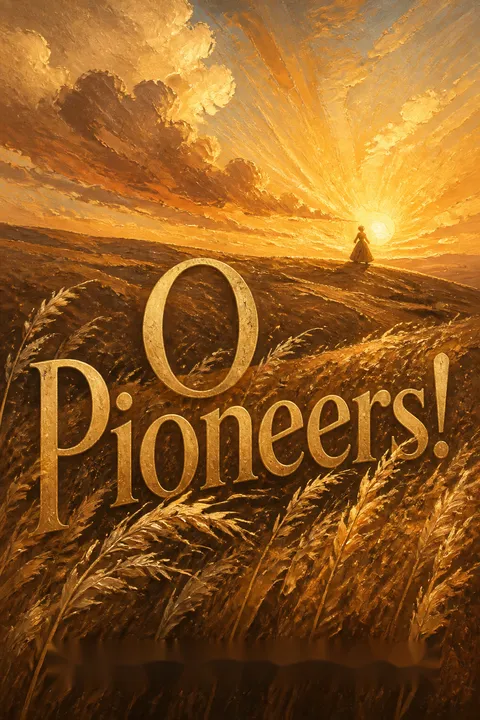
On the bleak Nebraska prairie, the Bergson family, Swedish immigrants, battle the relentless wind and cold. Alexandra, the eldest daughter, emerges as the family's pillar, caring for her sensitive younger brother Emil and managing daily struggles. The land is wild and unforgiving, and the family's future is uncertain. Alexandra's practical intelligence and quiet strength set her apart, even as her brothers Lou and Oscar focus on brute labor. The family's isolation is palpable, but Alexandra's friendship with the gentle, artistic Carl Linstrum offers a rare comfort. The prairie's vastness and the family's vulnerability are ever-present, foreshadowing the challenges and transformations to come.
The Dying Father's Wish
John Bergson, worn down by years of toil and disappointment, lies dying. He recognizes Alexandra's unique vision and entrusts her with the future of the family farm, instructing his sons to follow her guidance. The land has defeated many settlers, but John believes Alexandra's intelligence and resolve can succeed where others have failed. After his death, Alexandra assumes leadership, balancing her mother's domestic routines and her brothers' resistance to change. The family's survival now depends on Alexandra's ability to innovate and persevere, setting the stage for her lifelong bond with the land and her role as a pioneer in both spirit and action.
Crazy Ivar's Wisdom
The Bergsons visit Crazy Ivar, a reclusive, eccentric neighbor known for his affinity with animals and his odd beliefs. Despite his reputation, Ivar's advice on animal care and his respect for nature resonate with Alexandra. She recognizes the value in his unconventional wisdom, even as her brothers scoff. Ivar's presence introduces themes of difference, tolerance, and the importance of listening to voices outside the mainstream. His gentle spirituality and connection to the land foreshadow Alexandra's own evolving relationship with the prairie, and he becomes a quiet ally in her journey.
Years of Drought and Doubt
The Bergsons endure years of drought, crop failures, and economic hardship. Neighbors abandon their farms, and Lou and Oscar grow restless, urging Alexandra to sell and move on. Alexandra, however, remains steadfast, convinced that the land holds untapped potential. Her faith is tested by loneliness and the weight of responsibility, but she refuses to give in to despair. The family's internal tensions mount, with Alexandra's vision clashing against her brothers' pragmatism. The chapter captures the emotional toll of pioneering and the resilience required to persist when hope seems lost.
Alexandra's Gamble
Determined to secure the family's future, Alexandra proposes mortgaging the farm to buy more land while prices are low. Her brothers are fearful, but Alexandra's conviction prevails. She travels to the river country, studies successful farms, and returns with renewed confidence. Her gamble is risky, but it pays off as the land eventually yields abundant harvests. Alexandra's foresight and willingness to embrace risk transform the family's fortunes, marking her as a true pioneer. This turning point cements her authority and sets the Bergsons on a path to prosperity.
The Land Awakens
Sixteen years pass, and the once-barren Divide is now a patchwork of thriving farms. Alexandra's vision has been realized: the Bergson land is prosperous, and the family is respected. The prairie, once hostile, now seems to welcome human effort. Alexandra manages her estate with intelligence and compassion, employing immigrant girls and caring for the aging Ivar. Yet, beneath the surface, personal longings and unresolved tensions linger. The land's transformation mirrors Alexandra's own growth, but also hints at the costs of such relentless striving.
Return of Old Friends
Carl Linstrum returns after many years, now a gentle, world-weary man. His arrival rekindles Alexandra's affection and offers her a rare sense of companionship. Their conversations reveal mutual respect and unspoken love, but also the gulf between their experiences. Carl's presence unsettles Lou and Oscar, who fear for their inheritance and resent Alexandra's independence. The reunion is bittersweet, highlighting the passage of time and the sacrifices made in pursuit of dreams. Carl's visit brings both hope and the threat of renewed conflict.
Marie and Emil's Bond
Emil, now a young man, is drawn to Marie Shabata, a vivacious and sensitive neighbor trapped in an unhappy marriage. Their friendship deepens into a passionate but unspoken love, fraught with guilt and longing. Marie's marriage to the jealous, volatile Frank is stifling, and Emil's presence is both a comfort and a torment. The prairie, once a symbol of promise, becomes a backdrop for their emotional turmoil. Their connection is innocent yet dangerous, and the tension between desire and duty intensifies with each encounter.
The Divide's Prosperity
The Bergsons' wealth and status grow, but so do the complexities of family and community life. Alexandra's brothers, now established farmers, are increasingly conservative and resentful of her autonomy. Social expectations and gossip swirl around Alexandra's friendship with Carl and Emil's closeness to Marie. The land, once a source of struggle, now breeds complacency and envy. Alexandra's household is a haven of order and kindness, but she remains isolated, her emotional needs largely unmet. The chapter explores the paradox of success and the loneliness that can accompany it.
Forbidden Longings
Emil and Marie's love becomes impossible to ignore. Their stolen moments in the orchard and at community gatherings are charged with longing and regret. Both are tormented by the impossibility of their situation—Marie's Catholic faith and Emil's sense of honor prevent them from acting on their feelings, yet they cannot let go. Alexandra, preoccupied with her own burdens, is blind to the depth of their attachment. The prairie, lush and fertile, contrasts with the emotional drought of their lives. The tension builds toward an inevitable breaking point.
The Orchard Tragedy
During a summer of intense emotion, Emil and Marie finally surrender to their love beneath the white mulberry tree in the Shabata orchard. Their happiness is brief; Frank, driven by jealousy and suspicion, discovers them and, in a drunken rage, shoots them both. The lovers die together, their bodies entwined in the grass. The community is shocked, and Frank flees, later surrendering to authorities. The tragedy devastates Alexandra, who must confront the consequences of passion, repression, and the limits of her own understanding. The orchard, once a place of beauty, becomes a symbol of loss.
Aftermath and Exile
The deaths of Emil and Marie shatter the community. Alexandra is consumed by grief and guilt, questioning her own role in the tragedy. Lou and Oscar blame her for Emil's fate, deepening her isolation. Frank is imprisoned, broken and remorseful. The land, indifferent to human suffering, continues its cycle. Alexandra's faith in her own judgment is shaken, and she withdraws from the world, haunted by memories and regrets. The chapter explores the aftermath of violence and the search for meaning in the face of irreparable loss.
Alexandra's Grief and Resolve
Alexandra's mourning is profound and solitary. She seeks solace in the land and in memories of Emil, but finds little comfort. Her dreams are haunted by visions of loss and longing for release. Yet, even in despair, Alexandra's resilience endures. She cares for Ivar and her household, and gradually resolves to seek forgiveness and healing. The prairie, with its vastness and cycles, offers a kind of consolation—a reminder that life continues, and that suffering is part of the human condition. Alexandra's journey through grief is both deeply personal and universally resonant.
Seeking Forgiveness
Determined to bring some good from tragedy, Alexandra visits Frank in prison. She offers him compassion and promises to work for his pardon, recognizing that he, too, is a victim of circumstance and passion. Their meeting is awkward and painful, but Alexandra's empathy bridges the gulf between them. She reflects on the complexity of guilt and innocence, and the ways in which love can both heal and destroy. The act of seeking forgiveness—both for herself and for Frank—marks a turning point in Alexandra's recovery and her understanding of human frailty.
Reunion and Renewal
Carl returns to Alexandra, drawn by news of her suffering. Their reunion is tender and honest, marked by shared sorrow and the promise of companionship. Alexandra, having faced her darkest fears, is ready to embrace love and a new chapter of life. The land, once again, becomes a symbol of renewal and continuity. Together, Alexandra and Carl look toward the future, finding solace in each other and in the enduring rhythms of the prairie. Their union is not one of youthful passion, but of mature understanding and mutual respect.
The Land Endures
As Alexandra and Carl walk the fields, they reflect on the cycles of life, love, and loss. The land, indifferent yet nurturing, remains constant through generations of struggle and change. Alexandra recognizes that her legacy is not just in crops or property, but in the spirit of perseverance she has embodied. The prairie absorbs both joy and tragedy, offering peace to those who love and understand it. The story closes with a sense of acceptance and hope, as Alexandra finds her place in the eternal landscape, her heart at last at rest.
Analysis
A modern meditation on endurance, belonging, and the cost of dreamsO Pioneers! is a profound exploration of the immigrant experience, the forging of identity, and the tension between individual desire and communal duty. Willa Cather's narrative elevates the land itself to a central character, using its cycles to mirror the inner lives of her protagonists. Alexandra's journey from hardship to prosperity is both a celebration of female agency and a meditation on the sacrifices required by ambition. The novel's tragic core—Emil and Marie's doomed love—serves as a cautionary tale about the dangers of repression and the human need for connection. Cather's nuanced portrayal of outsiders, generational conflict, and the search for forgiveness resonates with contemporary readers, offering timeless insights into resilience, empathy, and the enduring quest for meaning. Ultimately, the novel suggests that while individuals may be broken by circumstance, the land—and the spirit of those who love it—endures, offering hope and renewal to future generations.
Review Summary
Most reviewers praise O Pioneers! for its lyrical prose, vivid depiction of the Nebraska prairie, and the compelling portrayal of Alexandra Bergson, a strong, independent woman navigating frontier life. Many highlight Cather's ability to evoke landscape and pioneer experience with spare yet poetic writing. Common criticisms include a slow pace, weak plot, and a controversial final section where Alexandra's reaction to tragedy feels inconsistent with her established character. The ending divides readers, with some finding it redemptive and others feeling betrayed by it.
People Also Read





Characters
Alexandra Bergson
Alexandra is the heart and mind of the Bergson family, a woman whose intelligence, strength, and empathy set her apart on the Nebraska prairie. Entrusted by her dying father to guide the family, she combines practical wisdom with a deep, almost mystical connection to the land. Alexandra's psychoanalytic depth lies in her ability to balance duty and desire, innovation and tradition. She is both maternal and pioneering, sacrificing personal happiness for the sake of her family's future. Her relationships—with her brothers, with Carl, and with the land itself—are marked by loyalty, patience, and a quiet longing for companionship. Over time, Alexandra evolves from a determined girl into a mature woman who, after enduring profound loss, finds the courage to seek love and forgiveness. Her journey is one of self-discovery, resilience, and the enduring power of hope.
Emil Bergson
Emil, Alexandra's beloved younger brother, grows from a shy, gentle boy into a handsome, accomplished young man. He is torn between loyalty to his family and his own desires, particularly his forbidden love for Marie Shabata. Emil's psychological complexity is rooted in his struggle with longing, guilt, and the search for meaning beyond the confines of the prairie. He is both a product of Alexandra's nurturing and a victim of the emotional repression that pervades their world. Emil's tragic fate—killed in a moment of passion—underscores the dangers of unfulfilled longing and the costs of denying one's true self. His death is a catalyst for Alexandra's transformation and a symbol of the prairie's indifference to human dreams.
Marie Shabata
Marie, the spirited Bohemian neighbor, is a source of light and warmth in the community. Trapped in a loveless marriage to the jealous Frank, she finds solace and joy in her friendship with Emil. Marie's psychological depth lies in her capacity for love, her yearning for freedom, and her struggle with guilt and duty. She is impulsive, affectionate, and unable to suppress her true feelings, which ultimately leads to her downfall. Marie's relationship with Emil is both innocent and passionate, a refuge from the constraints of her life. Her tragic end, dying in Emil's arms, is a testament to the destructive power of repressed desire and the harsh judgments of society.
Carl Linstrum
Carl, Alexandra's childhood friend and eventual partner, is a sensitive, introspective man shaped by disappointment and wandering. He shares Alexandra's appreciation for beauty and understanding of hardship, offering her emotional support and intellectual companionship. Carl's psychoanalytic profile is marked by self-doubt, a longing for belonging, and a gentle resilience. His return to the Divide rekindles Alexandra's hope for personal happiness. Their relationship is built on mutual respect, shared history, and the recognition of each other's strengths and vulnerabilities. Carl's presence brings Alexandra the love and partnership she has long denied herself.
Lou Bergson
Lou, the younger of Alexandra's two older brothers, is energetic, quick-tempered, and often resentful of Alexandra's authority. He is driven by a desire for security and social status, and is easily influenced by public opinion. Lou's psychological makeup is characterized by insecurity, competitiveness, and a tendency to blame others for his frustrations. His relationship with Alexandra is fraught with tension, as he both relies on her judgment and resents her independence. Lou's inability to adapt or see beyond his own interests ultimately isolates him from his sister and the evolving world around him.
Oscar Bergson
Oscar, the eldest Bergson son, is physically strong but intellectually rigid. He values routine, hard work, and tradition, and is uncomfortable with change or innovation. Oscar's psychological profile is marked by a fear of the unknown and a reluctance to question established norms. He is loyal but unimaginative, often siding with Lou against Alexandra's progressive ideas. Oscar's emotional limitations prevent him from understanding the deeper needs of those around him, and his resistance to Alexandra's leadership reflects the broader struggle between old and new ways on the prairie.
Frank Shabata
Frank, Marie's husband, is a proud, insecure Bohemian immigrant whose inability to adapt to his new life breeds resentment and violence. He is tormented by jealousy and a sense of inadequacy, lashing out at those closest to him. Frank's psychological complexity lies in his oscillation between self-pity and rage, and his ultimate recognition of his own culpability. His act of violence is both a product of personal weakness and the pressures of a harsh, judgmental society. Frank's imprisonment and remorse highlight the tragic consequences of emotional repression and the failure to find belonging.
Ivar
Ivar, known as "Crazy Ivar," is a gentle, mystical figure who lives in harmony with nature and animals. Ostracized for his unconventional beliefs and behaviors, he finds acceptance and purpose in Alexandra's household. Ivar's psychological depth is rooted in his spiritual vision, sensitivity to suffering, and quiet wisdom. He serves as a moral touchstone in the novel, embodying themes of tolerance, nonconformity, and the healing power of compassion. Ivar's presence offers Alexandra guidance and solace, and his outsider status mirrors the struggles of other marginalized characters.
Mrs. Bergson
Mrs. Bergson, Alexandra's mother, is a sturdy, capable woman who clings to the routines and comforts of her Swedish heritage. She is emotionally reserved, focused on domestic order, and resistant to change. Her psychological profile is shaped by loss, displacement, and a longing for the past. While she provides stability for the family, her inability to adapt or connect deeply with her children limits her influence. Mrs. Bergson's presence underscores the generational tensions and the costs of immigration.
Annie Lee Bergson
Annie, Lou's wife, is preoccupied with appearances and social advancement. She is quick to judge, eager to distance herself from her immigrant roots, and often at odds with Alexandra's values. Annie's psychological makeup is defined by insecurity, competitiveness, and a desire for control. Her relationship with Alexandra is marked by rivalry and misunderstanding, reflecting broader themes of assimilation and the changing roles of women in pioneer society.
Plot Devices
The Land as Living Character
The Nebraska prairie is more than a backdrop; it is a living force that shapes the characters' fates, challenges their resolve, and reflects their emotional states. The land's cycles of hardship and abundance parallel the characters' struggles and triumphs. Alexandra's bond with the land is spiritual and transformative, while others are defeated or corrupted by it. The land's indifference to human suffering underscores the novel's existential themes, and its eventual flowering symbolizes hope, renewal, and the rewards of perseverance.
Generational Conflict
The tension between tradition and innovation is embodied in the relationships between Alexandra and her brothers, as well as between immigrant parents and American-born children. The older generation clings to familiar ways, while Alexandra and Emil seek new possibilities. This conflict drives much of the plot, influencing decisions about the farm, family roles, and personal fulfillment. The generational divide also highlights the challenges of assimilation and the evolution of identity on the frontier.
Forbidden Love and Repression
The central love story between Emil and Marie is marked by longing, guilt, and the impossibility of fulfillment within the constraints of marriage, religion, and community norms. Their repression and secrecy heighten the emotional stakes, culminating in violence and loss. This plot device explores the destructive power of denied passion and the consequences of societal judgment, while also evoking sympathy for those caught between duty and desire.
Outsider Perspective
Figures like Ivar and Carl serve as outsiders whose perspectives challenge the status quo and offer alternative ways of seeing the world. Their presence allows for moments of reflection, critique, and spiritual insight. Outsiders are both marginalized and essential, providing wisdom, comfort, and a counterpoint to the dominant values of the community.
Cyclical Structure and Foreshadowing
The novel's structure follows the rhythms of the land—seasons of hardship, growth, and renewal. Early foreshadowing, such as the dying father's wish and the warnings of Crazy Ivar, sets the stage for later events. The repetition of motifs—storms, harvests, and the recurring image of the orchard—reinforces the sense of inevitability and the interconnectedness of human and natural cycles.
Download PDF
Download EPUB
.epub digital book format is ideal for reading ebooks on phones, tablets, and e-readers.








































