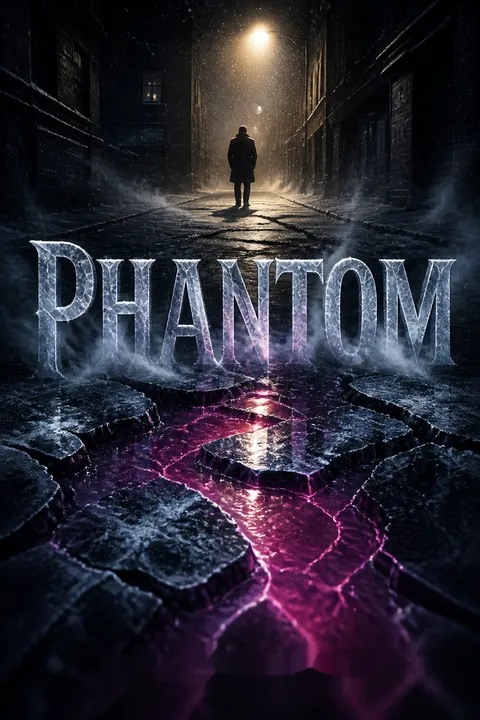

Plot Summary
The Thief's Final Moments
. In the heat of a July night, Oslo's underworld claims another life. Young Gusto Hanssen, dying from a gunshot wound in a junkie den, narrates his tragic trajectory: foster care, early criminality, forbidden loves, and his descent into addiction and betrayal. As the rats encircle him and the church bells toll indifferent, his mind loops through regrets and unresolved issues, particularly with his absent, criminal father. Gusto's talent for reading people and his knack for trouble are both his curse and his survival. He remains defiant, convinced the world shapes and disposes of people like him. His final thoughts fixate not on justice, but on cravings—one last fix, one more connection—and a bitter, unrepentant farewell to the next of kin who will grieve over his wasted life.
Violin Floods Oslo
. Oslo is awash with "violin," a potent synthetic opioid, flooding the streets and decimating old power structures. The new product, more addictive and lethal than heroin, creates both a gold rush and a culling among pushers and users. Crime networks jostle, old gangs fall, and only the ruthless thrive. The distribution is surgical: Arsenal football shirts designate the new dealers. The mysterious "Dubai"—a ghostly, unseen puppeteer—rises as other players, like the biker gang Los Lobos, are swept aside. Politicians seek plausible deniability as the city superficially cleans up, but overdose numbers and violence simmer beneath. Amid this, Harry Hole quietly returns from exile, sensing something rotten just below Oslo's revamped facade.
Harry Hole Returns
. Harry Hole, ex-inspector and Oslo's most infamous detective, lands back in his ghost-filled city following rumors of Gusto's death—and his own step-son, Oleg, charged with murder. Oslo seems changed and unchanged—cleaner on the surface, but the junkie and criminal underbelly persists. Denied official access to the case, Harry goes rogue, resurrecting old contact networks, and assessing the city's new, more sophisticated criminal organizations. He finds the police apparatus unwilling to dig deeper into a presumed open-and-shut drugs killing, but the evidence is off: Ballistics, witnesses, and motives suggest a more orchestrated setup, with Gusto's beauty and notoriety casting complicated shadows.
Father, Son, and Ghosts
. In the prison visitation room, Harry faces Oleg: the sensitive, damaged boy he once helped raise. Oleg is bitter, strung out, fiercely angry. Their encounter is wrenching—Oleg refuses help, accuses Harry of abandonment, and distances himself with thick walls of rage and shame. Meanwhile, the links between Gusto's circle—foster siblings Irene and Stein, the enigmatic father "Dubai", and Oleg—reveal a web of inheritance, love, and destructive longing. Harry, wrestling with his own ghosts and failings as a parent, begins to realize the personal cost of every missed connection and broken promise among Oslo's most vulnerable.
Oleg in Chains
. As Oleg stews in jail, evidence mounts: a gun, drug residue, and DNA tie him to Gusto's murder. Narratives swirl—accusations of a setup, fragments of memory clouded by addiction. Harry traces Oleg's stashes, hidden in speed-skater lockers and junkie squats, finding family photographs, tokens of lost innocence. Conversations with forensics and old colleagues unlock the procedural logic, but the emotional logic proves thornier: was Oleg an addict in withdrawal, an innocent bystander, or a killer? The city's new breed of dealers, and their careful, coded actions, signal larger systems at play.
The Flight of the Burner
. Officer Truls Berntsen, a corrupt cop—"the burner"—is tasked by "Dubai" to destroy, contaminate, or misdirect the Gusto killing and other investigations. Intersections proliferate: pilots smuggle violin in and out of Norway with inside help. The burner's duplicity is tracked via secret messages, coded graveside meetings, and illicit cash handoffs. The deeper Harry digs, the clearer the signs of organized, professional corruption: false confessions engineered by money or fear, burner police feeding cases to silence, and the risk of anyone who threatens to talk. Justice is not only blind but rigged.
A City Built on Lies
. Oslo's old and new elite form unholy alliances: the ruthless council secretary Isabelle Skøyen, the ambitious police boss Mikael Bellman, dealers craving stability, and the aging crime lord "Dubai". Under the guise of cleaning up, they entrench the city's opioid monopoly, covering up violence and overdose deaths in exchange for political gain and the illusion of order. Regular citizens—junkies, politicians, businessmen—are all pulled into the machinery, forced to play roles of victim, perpetrator, or both. Harry's investigation forces him into these circles, navigating between false charities, compromised bureaucrats, and the grinding logic of power.
Wounds and Resurrections
. Physical and psychic wounds fester in Oslo. Harry—scarred, stitched, and bleeding—nurses old injuries while fighting off the lure of whiskey and the ghostly call of old loves. The victims and survivors—Oleg, Gusto, Irene, and even the aging dealer Rudolf Asayev/Dubai—wrestle with the cycle of hurt and numbing relief, truth and relapse. Everyone is haunted: by what can't be fixed, by those already lost, by hopes of resurrection that remain just out of reach.
Gusto's Confessions
. The dying Gusto, in interspersed first-person chapters, unspools his confessions: the betrayals he committed and suffered, his foray into violin dealing, his frayed loyalties to Oleg and Irene. Secrets tumble out—how he set up Oleg, how he manipulated family and friends, how the city's drug war both elevated and condemned him. Even as he recounts his descent, Gusto hints at larger conspiracies—dirty money, new alliances, and the one betrayal no one will forgive or survive.
Blood on the Streets
. The battle for Oslo's streets intensifies: double-crosses among gangs, executions coded as overdoses, and targeted killings disguised as police action. The assassin Sergey is dispatched to eliminate Harry, leading to a tense, bloody confrontation that leaves bodies in bars and the rat pack in the junkie flat waiting for a fresh feast. Each murder, staged or mundane, echoes the city's moral decay—and the creeping impossibility of truth or redemption without further violence.
Ashes, Bells, and Betrayals
. Harry, with the help of a few trusted allies, cracks open the locked boxes: exhuming Gusto's body, uncovering contaminated evidence, and piecing together the true sequence of deaths and cover-ups. He is forced to confront friends-turned-enemies, and enemies masquerading as friends. As the police bureaucracy catches up, the intricacy and audacity of the conspiracy becomes clear—with the city's supposed saviors as complicit as its criminals. Love and hatred, truth and betrayal, all ring out as the bells toll for the city's lost children.
Solving the Dead End
. Armed with fresh evidence, Harry confronts all suspects—politicians, police, dealers, family. A climactic showdown in Blindernveien exposes the true face of "Dubai", the criminal empire's ghostly kingpin and Oleg's own nemesis. The physical maze of tunnels, flooded escape routes, and secret rooms mirrors the investigative maze, but Harry's doggedness, even as he's physically failing, brings every piece together: the manipulated murder scene, the frame jobs, the misdirection. The city's various ghosts—dead dealers, false priests, lost lovers—linger, but answers finally surface.
The Devil in Blindernveien
. Dubai (Rudolf Asayev), revealed at last, confesses pieces of his criminal philosophy to Harry—love as a curse, history as inheritance, violence as destiny. A botched attempt at reciprocal murder spirals into poetic justice: a sharp blade, like fate, ends the kingpin's time beneath the very cross he tried to wield. The interconnectedness of all players, their fates inextricably tangled, is stripped bare. But there is no catharsis—only exhaustion, and the question of what any victory can possibly mean.
Avenging Angels
. Even as some—like Oleg and Irene—seem poised for new beginnings, the past's damage persists. Harry, wounded in body and soul, solves the murder of Gusto with a devastating, personal twist: the killer is Oleg himself, his own son in all but name. A confrontation between love and justice, curse and choice, occurs not in the courts but in a dark kitchen, as Harry gently pushes Oleg to accept responsibility—signifying that even in a world of endless compromise, there must sometimes be one hard, honest act.
Hatred and Forgiveness
. The intertwined destinies of Oslo's survivors play out: Truls the burner faces his own emptiness and betrayal, Bellman and Skøyen dance into political oblivion, and Oleg—cornered by love, grief, and guilt—faces the abyss. Only Martine, watching from the periphery, senses the centering—however temporary—of kindness, forgiveness, and the faintest hope of healing amid the city's endless cycle of suffering and unresolved longing.
Requiem for a Fallen Son
. As the moon rises over the Akerselva and a city that refuses easy solace, all that remains are the aftershocks. Families, broken but not destroyed, gather their own to flee or begin anew. The city's next generation of dealers gathers, ready for the next cycle. Harry, left bleeding and righteous, fades into memory—his curse finally, perhaps briefly, at rest. The rats inherit the kitchen once more; the dead are remembered or forgotten, depending on who is left to mourn.
Analysis
Haunting tale of broken bonds, cunning systems, and the curse of love
. Jo Nesbø's Phantom is more than a murder mystery: it's a bleak meditation on the cycles of violence, addiction, and self-destruction that consume individuals and cities alike. Through Harry Hole—a detective as cursed by love as by duty—Nesbø explores what happens when justice, family, and loyalty are impossible to separate from betrayal, corruption, and pain. The narrative's overlapping confessions, unreliable perspectives, and recursive plot devices force the reader to grasp that truth itself is always provisional, especially in a system built on compromise and denial. Guilt and love are inherited, not chosen; attempts at escape or reparation inevitably replay the past's wounds. Even in exposing the real killer (the one you love most), Harry achieves no triumph, only a deepening recognition that redemption lies not in victory, but in bearing the consequences of love—the courage to hold accountable those closest to us, and the grace to forgive our own fallibility, even as the city's ghosts, rats, and losses endure. In our modern moment, Phantom is a warning and lament for every damaged family and wounded city: cycles can only be broken by facing the horror within, not by flight or denial, and even then, forgiveness may be the only justice we finally possess.
Review Summary
Phantom is the ninth installment in Jo Nesbo's Harry Hole series, receiving an overall rating of 4.11/5. Readers praise its gripping plot centered on Oslo's drug underworld, where ex-cop Harry returns to prove his former stepson Oleg innocent of murder. Reviewers highlight the novel's masterful twists, dual narrative structure, and dark themes of addiction and corruption. Many were shocked by the ending, with several noting the book's compulsive readability. Most strongly recommend reading the series in order before reaching this installment.
People Also Read
Characters
Harry Hole
. A deeply scarred and complex Norwegian detective, Harry exemplifies the archetype of the wounded crusader—both savior and destroyer. His history with addiction, violence, and failed relationships marks him as outsider and hope alike. Haunted by ghosts of past cases, failed loves (especially Rakel and Oleg), and his own destructive tendencies, Harry's psyche is a ruin of paternal longing and guilt. His return to Oslo is both a fugitive act and a quest for redemption. Through the investigation, Harry oscillates between cold rationality and emotional, impulsive loyalty, especially regarding Oleg, whom he loves as a son. In the end, Harry sacrifices his own peace and future for justice, battered but unbent.
Oleg Fauke
. Oleg stands at the novel's emotional core, a tragic figure pulled by unyielding love for his mother Rakel, adopted father Harry, girlfriend Irene, and the numbing embrace of drugs. His development traces the progression from sullen, overlooked child to traumatized, addicted young man. The pain of abandonment drives him—resentful, self-destructive, loyal, yet capable of violence he can neither fully understand nor forgive. In the end, Oleg's confession—killing Gusto out of jealousy, anger, and survival instinct—marks him as both victim and perpetrator, a cipher for Oslo's generational wounds.
Gusto Hanssen
. Gusto embodies all the contradictions of Oslo's lost youth: irresistibly attractive, sharp-witted, fiercely ambitious, and utterly doomed. His keen perception of others' desires, coupled with his narcotic appetite and tendency to sabotage, mark his life as one long, knowing fall. The complex mix of love and betrayal involves both Oleg and his foster-sister Irene. The child of the city's criminal overlord Dubai, Gusto is both heir and expendable liability, his death engineered by—and a catalyst for—the next cycle of violence prodigal sons are fated to repeat.
Rakel Fauke
. Rakel is the gravitational center around which Oleg and Harry orbit and founder. A lawyer, fiercely protective and independent, she battles guilt and helplessness as Oleg spirals. Her history with Harry is tumultuous—full of love, resentment, and mutual failures. Her attempts to flee Oslo, and start anew in Amsterdam, then return, mirror both her hope for escape and the futility of escaping the past. Rakel's resilience is matched by her ultimate vulnerability: she is the dream Harry and Oleg can never quite reclaim.
Irene Hanssen
. Irene, Gusto's foster-sister and Oleg's doomed love, personifies the vulnerability of addiction's secondhand victims. Her arc—from sweet, freckled girl, hero-worshipper of both Gusto and Oleg, to drug-addled captive—reflects Oslo's cycle of exploitation and failed rescue. Her kidnapping by Ibsen/Nybakk brings the story's search element to a head but signals there are no neat redemptions in this world, only survivors.
Rudolf Asayev ("Dubai")
. Operating as both the legendary drug lord "Dubai" and the elderly priest Cato, Asayev orchestrates Oslo's violin empire with intelligence and coldness. His psychology is a blend of criminal code, old-world fatalism, and profound regret. Driven by the urge to find an heir before his own death, his connections—personal and business—are ruthless yet emotionally entangled, especially with his son Gusto. Asayev's confessional scenes with Harry blur lines between criminal, confessor, and father, casting him as both orchestrator and casualty of Oslo's enduring tragedy.
Truls Berntsen
. Truls is the expendable lieutenant, a police "burner" who contaminates and destroys evidence at the behest of criminals and corrupt superiors. His psychological weakness lies in his longing for recognition, his jealousy, and his dependence—first on women, later on crime bosses like Dubai. Truls' actions drive much of the misdirection; his eventual confession, and betrayal by those he chose to serve, underline the inescapable costs of corruption, and the empty reward it offers.
Mikael Bellman
. Bellman, the chief of Orgkrim and aspiring police commissioner, is a study in ambition unchecked by conscience. Handsome, politically astute, and ruthlessly pragmatic, he compromises with both criminals and officials, trading crackdown for consolidation. His intertwined relationships—with Isabelle Skøyen, Truls Berntsen, and Dubai—reveal a core of moral emptiness. Bellman stands as the story's answer to the question: what is a "good" man in a broken institution? His ultimate betrayal of friends and ideals is as cold as any murder.
Isabelle Skøyen
. Skøyen is the archetype of Nordic political pragmatism gone to seed: eloquent, statuesque, and remorselessly transactional. She brokers deals between the city's underworld and its city council with an eye for self-advancement and the illusion of public good. Skøyen's personal life—sexual liaisons, compromised principles—mirrors her professional mode: everything is negotiable, everyone is expendable. Yet even she, beneath her lacquered ambition, bends under the weight of loneliness and disappointment.
Stig Nybakk ("Ibsen")
. Nybakk, the damaged pharmaceutical researcher, is the creator of violin and Irene's jailer, a figure as tragic as he is monstrous. Years of social invisibility and sophistication are upended by his desperate desire to be noticed and loved—fixations centered on Irene, whom he kidnaps and drugs in a grotesque parody of affection. Nybakk's psychological unraveling, and his ultimate demise, underscore the novel's theme: the city is littered with those whom love, pride, or fate have crushed.
Plot Devices
Intertwined Narrators and Shifting Perspective
. Nesbø's narrative loops among voices—primarily Harry, but also Gusto (in death), Oleg, and others—creating a labyrinth of unreliable memories and partial truths. Gusto's posthumous narration operates as confession, red herring, and Greek chorus, coloring the ongoing investigation with guilt and yearning. The use of flashbacks, inner monologues, and investigations within investigations destabilizes any simplistic reading—the city itself emerges as a chorus of voices, each entangled in lies and regret.
The "Murder Already Solved" Mystery
. On its surface, Gusto's death is "solved" with Oleg's arrest and a timely confession by another addict. But this closure is a plot device, a way for criminals and officials to save face, and for the true manipulator to escape notice. Harry's challenge—and the reader's—is to unspool the threads of a murder that, officially, no one wants re-examined. Ultimately, only the most intimate, unwanted answers are left.
Symbolic Objects, Repetition, and Animal Motifs
. Rats recur—opening and closing the novel—symbolizing survival, tenacity, and Oslo's "unlovable" children. The recurring ring (the cheap token of love moving from Harry to Rakel to Irene to Nybakk) traces longing, ownership, and identity. The Arsenal shirts (coded as status and belonging by the drug pushers) literalize the invisible boundaries of the city. Broken glass, guns, and even perfumes thread through scenes, tying characters and fates together.
Love and Hatred as Mirror Forces
. Hatred, as voiced by Dubai and echoed in Harry's investigation, is the novel's guiding star, more primal and reliable than love. The challenge is whether hatred's cycle can ever be broken; the murder at the novel's core is driven by a fusion of love and hate, truth and self-destruction. Both are hereditary, both are curses, and both can, momentarily, be overcome—or not—by acts of forgiveness or revenge.
Oslo as Character
. Oslo's physical and moral geography—its bridges, parks, graveyards, tunnels, and gentrifying cityscape—reflects and shapes its denizens' struggles. Each location is weighted with memory and meaning, offering hope of escape or certainty of entrapment, as appropriate. The city's rhythms (the church bells, the hum of traffic, the breaking dawn) become metronomes against which human actions ultimately seem minuscule.
Addiction and the Impossible Family
. The novel casts addiction both as chemical fate and metaphor for love—the "family" built in Oslo's margins is as fractured and dangerous as any gang. Harry's unwillingness to abandon Oleg and Rakel, Gusto's inability to break from violin or betrayal, Oleg's longing for acceptance—all tangle in the same web as the city's drug wars. The fantasy of new beginnings (the flight to Bangkok, business-class tickets, marriage proposals) is as ephemeral and doomed as the next fix.
Download PDF
Download EPUB
.epub digital book format is ideal for reading ebooks on phones, tablets, and e-readers.








































