

Plot Summary
Grief in the Gym Shadows
Mercy, reeling from witnessing her father's murder at the hands of Sloan, seeks solace in the gym, her fists pounding out pain and fury. Memories of her father's warmth and resilience haunt her, making the loss feel like a wound that will never heal. She's caught between sadness and a burning need for vengeance, unable to sleep or function. The gym becomes her sanctuary, a place to exhaust her body and numb her mind, but nothing can erase the image of Sloan's cold execution or the emptiness left behind. Her only comfort is the hope that she can one day make the Black Roses suffer as she does, fueling her resolve to infiltrate and destroy them from within, even as she struggles to keep her emotions hidden from those around her.
Secrets Behind Closed Doors
Rory, sensing Mercy's distress, pushes her to open up. She deflects with a half-truth about her mother's death, and Rory, in turn, reveals his own tragic past—losing his parents in a fire and raising his daughter, Piper, with her mother Jen. Their shared vulnerability forges a deeper connection, blurring the lines between captor and captive. Mercy is torn between her need for revenge and the unexpected comfort she finds in Rory's understanding. The conversation exposes the cracks in her emotional armor, and she realizes that pretending everything is normal is harder than she imagined. Yet, she knows she must keep up the act if she wants to survive and bring down the Black Roses.
Kisses and Confessions
Mercy and Rory's emotional intimacy spills into physical passion, offering Mercy a brief respite from her grief. Their kiss is both a comfort and a complication, as Mercy questions whether Rory knows about her father's murder. The encounter is fraught with longing and confusion, and Mercy finds herself craving connection even as she suspects betrayal. Rory's tenderness and his devotion to his daughter make Mercy want to believe in his innocence, but the uncertainty gnaws at her. The moment is bittersweet, a reminder that even in the darkest circumstances, desire and hope can still flicker—though they may be dangerous distractions from her mission.
The Mask of Vengeance
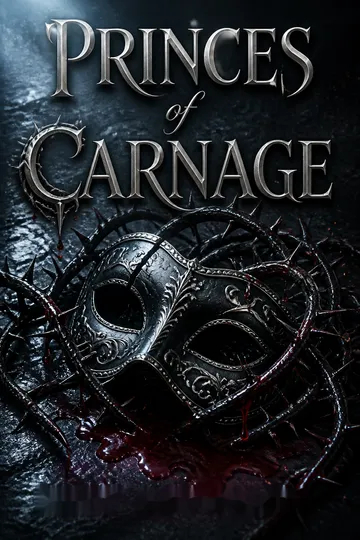
After her encounter with Rory, Mercy is reminded of her vow: to make the Black Roses pay for her father's death. She steels herself, determined not to let fleeting comfort or attraction distract her from her goal. Every interaction with Sloan is laced with hatred and suspicion, and she struggles to maintain her cover. The tension in the house is palpable, and Mercy's anger simmers beneath the surface. She knows she must play her part perfectly, hiding her knowledge and pain, if she wants to survive long enough to exact her revenge. The mask she wears becomes both her shield and her prison.
Allies and Alibis
Mercy's best friend Scarlett senses something is wrong and pushes Mercy to confide in her. Mercy finally breaks, revealing the truth about her father's murder and her plan for vengeance. Scarlett is shocked but supportive, warning Mercy of the dangers and urging caution. Their friendship becomes Mercy's lifeline, grounding her as she navigates the treacherous world of gang politics and betrayal. Scarlett's loyalty and resourcefulness help Mercy find a contact within the Jackals, setting the stage for a dangerous alliance. Mercy's isolation lessens, but the stakes grow higher as she draws Scarlett into her web of secrets.
Bargains with the Jackals
With Scarlett's help, Mercy arranges a clandestine meeting with Paul, a low-level Jackal. She offers insider information on the Black Roses in exchange for their help in taking the gang down. The exchange is tense and risky, but Paul agrees—if Mercy can provide actionable intelligence. This new alliance gives Mercy hope and a sense of agency, but it also puts her in greater danger. She must now balance her role as a mole, gathering secrets while maintaining her cover among the Black Roses. The line between friend and foe blurs further, and Mercy's dual identities and deception becomes increasingly perilous.
Seduction and Surveillance
To gain the trust of Sloan, Rory, and Levi, Mercy leans into the growing attraction between them, using flirtation and intimacy as tools. She also takes advantage of rare moments alone to snoop through their rooms and devices, searching for information valuable to the Jackals. Each encounter—whether a heated kiss, a vulnerable conversation, or a stolen glance at a laptop—serves her dual purpose: to get closer to her targets and to gather the evidence she needs. The emotional cost mounts as Mercy finds herself genuinely caring for Rory and Levi, even as she reminds herself of her mission.
Blood and Betrayal
The simmering gang war between the Black Roses and the Jackals boils over when Sloan is shot during a confrontation. Mercy's skills as a fighter and caretaker come to the fore as she stitches his wound, blurring the boundaries between enemy and ally. The violence shakes the household, and Mercy's guilt over her duplicity intensifies. She realizes that her actions have real, bloody consequences, and the stakes of her deception are higher than ever. The trust she's built with the men is fragile, and every secret she uncovers or shares with the Jackals could be the one that destroys them all.
Racing Toward Ruin
Mercy orchestrates a group outing to a street race, using the event as both a cover for her investigation and a way to deepen her bonds with the men. The adrenaline of the race, the flirtatious banter, and the charged encounters—especially with Sloan—heighten the tension. Sloan's jealousy and possessiveness flare, leading to a heated confrontation and a passionate, conflicted kiss in a dark alley. The night is a microcosm of Mercy's predicament: excitement, danger, and the ever-present threat of violence. The lines between love, lust, and hate blur further, and Mercy's heart and mission are more entangled than ever.
Tangled Loyalties
As Mercy grows closer to Rory and Levi—sharing intimate moments, learning about their pasts, and experiencing genuine affection—her resolve wavers. She is haunted by guilt over her betrayal and the knowledge that her actions could destroy the men she's come to care for. The emotional stakes rise as she realizes that vengeance is not as simple as she once believed. The men's loyalty to each other and to her is tested, and Mercy must confront the possibility that she is not the only one capable of betrayal. The web of secrets, lies, and longing tightens around them all.
The Weight of Touch
Mercy's physical relationships with Rory and Levi deepen, offering moments of solace and connection amid the chaos. Yet, each encounter is shadowed by the knowledge of her duplicity and the looming threat of discovery. The pleasure she finds in their arms is matched by the pain of knowing she may be leading them to ruin. The emotional and physical intimacy becomes both a balm and a burden, and Mercy is forced to reckon with the consequences of her choices. The cost of revenge is no longer abstract—it is measured in the hearts she breaks and the trust she shatters.
Date with the Devil
Sloan invites Mercy on a formal date, and she accepts, seeing it as an opportunity to get closer and perhaps extract valuable information. The evening is unexpectedly intimate, with Sloan revealing glimpses of vulnerability and the weight of his family legacy. Mercy is drawn in, almost forgetting her hatred, but a chance encounter and a flood of memories snap her back to reality. The date ends in cold silence, both of them retreating behind their masks. The possibility of something real between them is tantalizing but ultimately poisoned by secrets and lies.
Unraveling the Lie
Mercy finally uncovers the truth: her father is not dead. Sloan confesses that the murder was staged to protect her father, who was working as a spy within the Jackals. The revelation shatters Mercy's understanding of everything that has happened, flooding her with relief, anger, and guilt. She realizes that her quest for vengeance was built on a lie, and that her actions—feeding information to the Jackals—may have put innocent lives at risk. The emotional fallout is immense, and Mercy is forced to confront the consequences of her choices and the true cost of deception.
The Truth in the Trigger
Sloan discovers Mercy's duplicity, and the confrontation is explosive. Mercy confesses to feeding information to the Jackals, justifying her actions with the belief that Sloan had killed her father. The men's trust is shattered, and the fragile bonds Mercy had built are threatened with destruction. Sloan's anger is matched by Mercy's own fury and regret, and the household is plunged into chaos. The revelation sets off a chain reaction, as the Black Roses scramble to contain the fallout and Mercy faces the very real possibility of retribution.
The Price of Revenge
The information Mercy provided leads to a raid on the Black Roses' accountant, resulting in the loss of money and a key ally. The gang is thrown into crisis, and Mercy is forced to confront the reality that her quest for vengeance has caused real harm. The men she cares for are caught in the crossfire, and the threat of violence escalates. Mercy's guilt is overwhelming, and she realizes that revenge is a double-edged sword—one that cuts both ways. The cost of her actions is measured in blood, trust, and the lives of those around her.
The Accountant's Downfall
The Black Roses race to the accountant's house, only to find it ransacked and their ally gone. The Jackals have struck with precision, using Mercy's information to devastating effect. The loss is a major blow to the gang, and the threat of all-out war looms. Mercy is wracked with guilt, knowing that her actions have set these events in motion. The men are forced to reckon with the consequences of betrayal, and the fragile peace between the gangs is shattered. The stakes have never been higher, and Mercy's future hangs in the balance.
The Reckoning
Sloan brings Mercy before his father, Gavin, who coldly orders Sloan to "take care of her." Mercy is bound and led away, her fate seemingly sealed. The men she once trusted are powerless to help her, and Mercy is forced to confront the reality of her situation. The reckoning she sought for the Black Roses has come full circle, and she is now the one facing judgment. The tension is unbearable as Mercy is driven into the woods, her life hanging by a thread. The cycle of revenge threatens to consume her, and the true cost of vengeance is laid bare.
The Woods Await
Alone in the woods with Sloan, Mercy fights for her life. She pleads, struggles, and ultimately apologizes for her actions, acknowledging the pain and chaos she has caused. Sloan is cold and unyielding, his duty to the gang overriding any personal feelings. The confrontation is raw and brutal, a culmination of all the anger, betrayal, and longing that has defined their relationship. Mercy's survival instincts flare, but she is ultimately overpowered. The moment is charged with regret and sorrow, as both Mercy and Sloan are forced to reckon with the choices that brought them to this point.
The Final Confrontation
In the clearing, Sloan raises his gun and fires. The story ends on a cliffhanger, the outcome uncertain. Mercy's journey—from grief-stricken daughter to vengeful infiltrator, from lover to betrayer—reaches its zenith. The emotional arc is complete: love and hate, trust and betrayal, vengeance and forgiveness, all colliding in a single, irrevocable moment. The cost of secrets, the weight of loyalty, and the price of revenge are laid bare. The future is uncertain, but the consequences of every choice echo in the silence that follows the gunshot.
Analysis
Eva Ashwood's Play Rough is a dark, emotionally charged exploration of grief, vengeance, and the corrosive effects of secrets and betrayal. At its core, the novel interrogates the cost of revenge—not just to its intended targets, but to those who pursue it. Mercy's journey from shattered daughter to vengeful infiltrator is both thrilling and tragic, as her quest for justice leads her to become the very thing she despises. The story's power lies in its refusal to offer easy answers or tidy resolutions; every act of violence begets more pain, and every secret uncovered reveals deeper wounds. The relationships between Mercy and the three men—Sloan, Rory, and Levi—are fraught with longing, suspicion, and genuine affection, illustrating the impossibility of separating love from hate in a world defined by violence. The novel's modern relevance is clear: it asks what we become when we are consumed by the need for retribution, and whether forgiveness is possible in the aftermath of betrayal. Ultimately, Play Rough is a meditation on the limits of loyalty, the dangers of unchecked anger, and the hope that, even in the darkest circumstances, redemption might still be possible.
Review Summary
Play Rough receives generally positive reviews, averaging 4.15/5 stars. Readers consistently praise the intense cliffhanger ending, compelling characters, and steamy romance. The reverse harem dynamic between Mercy, Levi, Rory, and Sloan generates significant enthusiasm, with Rory frequently cited as a fan favorite. Common criticisms include excessive internal dialogue, repetitive cycles of lust and regret, and slow plot progression until the final chapters. Despite frustrations with Mercy's decision-making, most readers eagerly anticipate the next installment, highlighting Eva Ashwood's ability to keep readers engaged regardless of reservations.
People Also Read





Characters
Mercy
Mercy is the heart of the story—a young woman shattered by the apparent murder of her father, driven by a burning need for revenge against the Black Roses. Her psychological journey is one of grief, rage, and ultimately guilt, as she infiltrates her enemies and manipulates those around her. Mercy's relationships with Rory, Levi, and even Sloan are fraught with longing, suspicion, and genuine affection, blurring the lines between enemy and lover. Her greatest strength is her resilience and cunning, but her greatest weakness is her capacity for empathy, which complicates her mission and ultimately leads to her downfall. Mercy's arc is a study in the corrosive power of vengeance and the redemptive, if painful, possibility of forgiveness.
Sloan
Sloan is the enforcer and heir to the Black Roses, embodying the gang's ruthless ethos. He is emotionally guarded, shaped by the loss of his mother and the expectations of his father, Gavin. Sloan's relationship with Mercy is a volatile mix of attraction, resentment, and guilt. He is both her captor and, in a twisted way, her protector. Sloan's actions are driven by loyalty to the gang and his family, but he is not without conscience—his decision to fake Mercy's father's death reveals a capacity for compassion, even as he is willing to do whatever it takes to maintain order. Sloan's psychological complexity lies in his struggle between duty and desire, and his inability to break free from the cycle of violence that defines his world.
Rory
Rory is the most outwardly affable of the trio, using humor and flirtation to mask his own pain. The loss of his parents and his devotion to his daughter, Piper, give him depth and vulnerability. Rory's relationship with Mercy is marked by genuine care and a desire to protect, but he is also drawn into the web of secrets and lies that define their world. His easygoing nature belies a fierce loyalty to his friends and a willingness to fight for those he loves. Rory's arc is one of opening up, risking his heart, and ultimately facing the consequences of trust and betrayal.
Levi
Levi is the quiet anchor of the group, haunted by the loss of his brother and estranged from his family. His passion for art and his gentle nature set him apart from the violence of gang life, but he is nonetheless deeply loyal to the Black Roses. Levi's connection with Mercy is built on shared pain and mutual understanding, and he is the first to offer her comfort and support. His psychological struggle is between his desire for a different life and his sense of obligation to the gang. Levi's journey is one of self-discovery, as he learns to balance love, loyalty, and the need for self-preservation.
Scarlett
Scarlett is Mercy's best friend and confidante, providing emotional support and practical help throughout the story. She is quick-witted, persistent, and unafraid to challenge Mercy when necessary. Scarlett's role is that of the outsider looking in, offering perspective and grounding Mercy when she is overwhelmed by grief and rage. Her willingness to risk her own safety for Mercy's sake underscores the depth of their friendship. Scarlett's presence is a reminder of the world outside the gangs—a world of loyalty, love, and hope.
Gavin
Gavin is Sloan's father and the leader of the Black Roses. He is a master strategist, prioritizing the survival and power of the gang above all else. Gavin's relationship with Sloan is defined by high expectations and emotional distance, shaping Sloan's own approach to duty and loyalty. He is unflinching in his decisions, willing to sacrifice anyone—including Mercy—for the good of the gang. Gavin embodies the cold logic of organized crime, serving as both a mentor and a threat to those around him.
Oscar (Mercy's Father)
Oscar is the catalyst for the entire narrative—his apparent murder sets Mercy on her path of vengeance. In reality, he is a survivor, forced to become a spy within the Jackals to protect his daughter and himself. Oscar's love for Mercy is unwavering, and his willingness to endure danger and deception for her sake is a testament to his character. His absence haunts Mercy, and the revelation of his survival is both a relief and a source of new pain, as it exposes the web of lies that has ensnared them both.
Alex (The Accountant)
Alex is the Black Roses' money man, responsible for laundering the gang's illicit gains. His capture by the Jackals is a turning point in the story, triggering a crisis that threatens the entire organization. Alex's fate is a stark reminder of the collateral damage wrought by gang warfare and personal vendettas. Though a minor character, his role is pivotal, embodying the human cost of the power struggle between the gangs.
Paul (Jackal Contact)
Paul is Mercy's conduit to the Jackals, motivated by self-interest and the promise of advancement within his gang. He is cautious but willing to take risks for the right reward. Paul's interactions with Mercy are transactional, and he serves as a mirror to her own willingness to use others to achieve her goals. His presence underscores the precariousness of alliances in the criminal underworld.
Hugh (Mercy's Uncle)
Hugh is Oscar's brother and a member of the Jackals, responsible for drawing Oscar into the web of gang politics. His influence is felt more than seen, representing the unseen forces that manipulate and endanger the lives of those caught in the crossfire. Hugh's actions set in motion the events that lead to Oscar's supposed death and Mercy's quest for vengeance, making him a shadowy antagonist in the story.
Plot Devices
Dual Identities and Deception
The story hinges on Mercy's ability to maintain her cover as a grieving daughter and a vengeful infiltrator. Her duplicity is mirrored by the secrets kept by Sloan, the hidden agendas of the gangs, and the lies that bind and separate the characters. The tension between appearance and reality is heightened by the use of dramatic irony—the reader knows more than the characters at key moments, amplifying suspense and emotional impact. The narrative structure alternates between moments of intimacy and violence, building toward the inevitable collision of truth and consequence.
Foreshadowing and Red Herrings
Early references to Mercy's mother's death, Sloan's emotional distance, and the escalating gang war foreshadow later revelations and betrayals. The staged murder of Oscar is a masterful red herring, driving Mercy's actions and the plot's momentum. The use of physical objects—laptops, notes, guns—serves as both clues and catalysts, propelling the story forward and deepening the sense of danger.
Emotional and Physical Intimacy
The story uses sex and emotional vulnerability as both plot devices and character development tools. Intimate encounters are not merely titillating—they reveal character motivations, expose hidden fears, and heighten the stakes of betrayal. The interplay of love, lust, and violence underscores the psychological complexity of the characters and the impossibility of clean, simple resolutions.
The Cycle of Revenge
The narrative is structured around the pursuit of revenge—first Mercy's, then the Jackals', then the Black Roses'. Each act of retribution leads to unintended consequences, escalating the conflict and ensnaring more victims. The futility and destructiveness of revenge are central themes, embodied in the story's relentless pace and the mounting body count.
Cliffhangers and Unresolved Endings
The story ends on a literal cliffhanger, with Mercy's fate uncertain and the consequences of her actions still unfolding. This open-endedness reflects the ongoing nature of violence and betrayal in the world of the Black Roses, leaving the reader suspended between hope and despair.
Black Rose Kisses Series


About the Author





Download PDF
Download EPUB
.epub digital book format is ideal for reading ebooks on phones, tablets, and e-readers.








































