Plot Summary
Halloween Shadows Stir
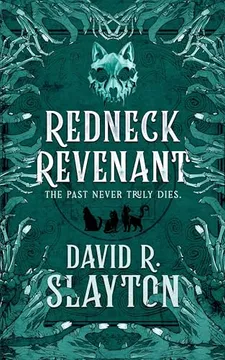
The novel opens on Halloween evening, a night that should bring frivolity but instead reverberates with lurking dread for Adam Binder. Adam, a warlock with a turbulent past and a patched-together chosen family, senses odd magical intrusions around his home in Denver. With his partner Vic, a Reaper, and other magical and mundane allies, Adam's hard-won stability is shaken by a gathering unease—strange presences, fleeting shadows, and an unexpected visit from the elven royalty, Silver and Argent. What begins as an amusing attempt at mortal-immortal community outreach foreshadows the collision of their two worlds and the fragile line Adam has staked out between them. The warmth of found family glows tentatively, but old wounds and mystical premonitions whisper of change and challenges yet to come.
Annie's Impossible Return
Adam's life is upended when Annie—his brother Bobby's wife, presumed dead for years—appears at their door, alive, whole, and utterly implausible. Her resurrection is not only a personal shock but a magical impossibility, defying rules Adam thought ironclad. The tension in the household intensifies: Bobby teeters between hope and suspicion, Vic is quietly vigilant, and Adam's magical senses bristle with distrust. Annie's explanation—amnesia, a coma and recovery—rings thin against the memories of her violent death. Yet there is nothing overtly malevolent or "off" to her aura, and she slips seamlessly back into routines, further unsettling Adam and Bobby, who cannot feel safe until the reason for her return—and its threat—is made clear.
Unquiet Reunions
With Annie's presence, the family is thrust into emotional turmoil. Personal history, trauma, and grief surface for Adam, Bobby, and Annie alike. The brothers wrestle with what to do: protect themselves from an unexplainable anomaly or embrace the possibility of a miracle. Adam, sensing that Annie's return is more than an isolated event, vows to investigate. He plans a spirit walk to the site of Annie's burial, desperate to understand whether she's truly come back or if something more sinister—perhaps a remnant of the dark spirit Mercy that once possessed her—is at play. The stability of the household wavers under the weight of secrets, old wounds, and the uncanny.
Spirit Walk on Lookout
Adam travels into the spirit world, navigating its dangerous, memory-laden landscape to visit the site of Annie's grave atop Lookout Mountain. Here, magic is thicker, the past echoing in metaphysical geography, and threats (like powerful dragons and ancient watchtowers) are ever present. Pushing his abilities and ignoring warnings, he searches for signs of Annie's soul or lingering dark magic. Adam finds complex traces of spellwork—an intricate, old network of healing and concealment, far beyond a single caster—which suggests a mortal coven intervened in Annie's fate. There is no clear sense of Mercy, but an elusive residue of formidable power lingers, one that could destabilize the fragile peace between worlds.
Good Witches, Bad Omens
Silver, now King of Swords, delegates Adam to reach out to Denver's local witches and practitioners, hoping to mend the frayed trust between immortals and mortals. The mortals' response is chilly, shaped by old wounds and skepticism. When Adam visits a coven's Samhain gathering (with the untrustworthy elf Dautre), he is met with open distrust, accusations about missing witches, and warnings that the magical power structure is rigged in favor of the immortals. Rumors swirl of practitioners disappearing, with suspicions falling on the Guardians and elves. The session ends in rejection and concern, hinting at a deeper malaise running through the magical community and signaling that someone—or something—is preying on vulnerable witches.
Searching for the Missing
Adam launches an investigation, leveraging magical and mundane contacts to uncover what happened to the missing witches. Skirting magical and legal boundaries, he uncovers a consistent pattern: each missing person erased their presence, closed accounts, and transferred funds to a shadowy corporation tied to Annie's powerful family. He interviews apartment managers and housemates, finding only a trace of ordinary magic and a sense that the disappearances were voluntary but orchestrated. At a haunted house, Adam, assisted by the witch Emily, faces a strange garbage-spirit-possessed monster—a "boggin"—which seems to be attracted by recent, reckless magic. The event raises chilling questions about the barriers between worlds and hints at a growing instability.
Lies, Money, and Magic
Research at the magical Rogue Community College, aided by the technopath librarian Jack, links the vanished witches' finances to companies owned by Annie's parents. The money trail, webs of shell corporations, and the opaque nature of the transactions hint at a nexus of mundane and magical power—and an agenda that involves more than simple greed. This blending of earthly privilege and magical manipulation suggests someone is harnessing the vulnerable for a larger ritual purpose. Adam's investigation entangles him in modern predation disguised as opportunity, implicating the Wilcox family in disturbing magical crimes and setting the stage for a confrontation that threads through old family trauma.
Cat Dreams and Warnings
Adam's subconscious conjures cryptic, magical dreams—cats serving as psychopomps, red mists, and violin music—each hinting at death, thresholds, and omens. The dreams link to both the missing witches and the arrival of strange spirits like the boggins. Meanwhile, reality mirrors the surreal as old magical associates, possible future threats, and the readjustments of post-pandemic, post-trauma life gnaw at Adam's sense of safety. Annie, despite being home, remains changed and shadowed by gaps in her memory. Adam realizes the future will bring not only magical confrontation, but also emotional reckoning within his precarious family, all as a new magical threat—the enigmatic Red Wolf—encroaches on their world.
Haunted by the Past
Adam juggles therapy, his career, and his growing responsibilities as Page of Swords, while navigating strained relationships with both his birth and chosen families. The investigation forces everyone—Adam, Bobby, Annie, Vic—to face unresolved hurts: parental failures, betrayals, and guilt. Bobby and Annie must confront their own losses and decisions, especially regarding their inability to have children, while Adam grapples with his role as protector and his fear of repeating family patterns. The Wilcox family's cold manipulations, and their willingness to erase memory and autonomy for their own ends, parallel Adam's own painful journey toward agency and healing.
Cults, Covenants, and Cracklings
The true reach of the Wilcox family's cult emerges through Annie's recovered memories and Adam's relentless probing. Ritual healing magic, orchestrated via a coven finally tracked to a shuttered church in Chicago, is powered by the willing (and sometimes coerced) sacrifice of its members. The cult's goal is not simply personal or familial restoration: it seeks to preserve its own existence and power by exploiting vulnerable practitioners, unleashing planar rifts ("cracks"), and manipulating the boundaries between life and death. Hidden ambitions—immortality, generational power, and the freedom to break the boundaries between worlds—drive the cult's leaders, making Annie both a victim and a vital piece in their schemes.
Bargains with the Dead
To retrieve Annie's memories, Adam bargains with a grotesque memory broker in the spirit realm's Red Rocks amphitheater, a place littered by lost souls seeking oblivion. In a moving exchange, Bobby, burdened by family guilt, offers up his own painful memory in sacrifice for Annie's recovered identity. The emotional toll is immense, as the group faces not just magical dangers but the psychic costs of love, loss, and survival. The price of memory, of knowing and not knowing, resonates through each character, forcing them to acknowledge the irreparable wounds left by family, violence, and the manipulations of the powerful.
Fractured Homes and Alliances
As Adam faces both personal and magical betrayals—ultimatums from the Wilcoxes, the machinations of the Knights and Kings of Swords, and the relentless encroachment of the Red Wolf—he must navigate shifting allegiances among mortals, elves, and the disenfranchised "Lost Ones." The world's magical balance cracks further as cult activity increases and boggins invade, while the mortal and immortal responses range from bureaucratic to violent. Adam is forced to make harrowing choices, balancing his own survival and the vows he's made to protect both "his" people and the wider community, even as he is manipulated and threatened by enemies on all sides.
Boggins and Binding Spells
When another boggin breaks through, Adam and the witches must use every scrap of their combined magical and mundane skills to bind, freeze, or destroy it. The growing frequency and intensity of these attacks points to a larger breach between worlds—and the cult's rituals as the source. The violence is both supernatural and profoundly messy; its cost is exhaustion, trauma, and further isolation. Yet in battling together, Adam and the mortals demonstrate a potential for unity and resilience not found in the immortal courts. Each fight chisels at Adam's resolve, pushing him toward harder decisions and greater sacrifices.
The Red Wolf Revealed
Investigation and confrontation reveal the Red Wolf as a spirit-walking, time-displaced, and ultimately tragic figure: Ian, a victim-turned-villain whose bid for freedom and revenge has warped into world-bending malevolence. The Wolf manipulates the Wilcoxes for power, promising paradise to the congregated Lost Ones but actually seeking his own liberation and revenge on the immortals that abandoned him. The mask of divinity he wears for his followers belies his twisted motivations and the consequences of unchecked magical exploitation. Adam confronts the Wolf in both the mnemonic prison of a painting and later in the Between, forced to wrestle with compassion, necessity, and his own ability to wield deadly force.
Across the Planes, Under the Skin
As the war between worlds becomes imminent, Adam faces training under the inflexible Knight of Swords, care-taking her half-elven son North, and navigating his evolving relationship with Vic amid shifting magical hierarchies. Training sequences demonstrate that skill and kindness, not mere power, define a true protector. This juggling of responsibilities clarifies Adam's core struggle: he is the Page in both magical courts and his own family, always uniting, always in the breach, but never without personal cost. The search for answers takes him across planes, always beneath the shadow of mounting grief, guilt, and history's burdens.
Sins of the Family
In Chicago, as Adam, Annie, and Vic investigate the Wilcox estate, they are drawn deeper into a web of secrets, magical traps, and the multigenerational pact with the Red Wolf. Annie's entire life, memories, and sense of agency have been manipulated for the cult's ends by her parents. The theft and replacement of her memories echoes the broader erasure of agency the cult practices on its victims, and the guilt Adam and Bobby feel about their own family echoes the damage left by unchecked, poisonous legacy and inherited power. Each revelation draws Adam closer to both the truth and mortal peril.
Entrapped by a Painting
Adam is drawn into a sentient, time-warped painting—a magical trap engineered as a communication nexus with the Red Wolf. Inside, he faces the Wolf, contending with the spirit's uncanny knowledge and cruel games. The painting fuses memory, magic, and imprisonment, forcing Adam to rely on cunning, vulnerability, and strategic use of his warlock wound to escape. This encounter sharpens Adam's understanding of the antagonists and demonstrates the mounting stakes—the cult's ritual mechanics, the Wolf's true goals, and the cost of every failed gamble for survival.
Church Burnings and Broken Rituals
The trio's infiltration of the Wilcox-owned Chicago church uncovers a horrific history: Annie's resurrection required the deaths of thirteen witches in a catastrophic, fatal ritual, their bodies burned as fuel for the impossible spell. The cult's cyclical need for new recruits reveals a mechanism of exploitation—luring the desperate and vulnerable, only to drain them for the family's arcane ambitions. The basement's ruins serve as both evidence and a warning: whatever power was roused in Annie's return, it is not finished demanding a price, and more cracks are opening between worlds as a consequence.
Survivor's Guilt and Sacrifice
Survivor's guilt suffuses Adam and his circle as they weigh the costs of their interventions: what memories to barter, who must take responsibility, which innocents can be sacrificed. Bobby surrenders the memory of a justified but painful murder to buy Annie's full truth. Adam is forced to admit that his compulsion to "save everyone" both exposes him to manipulation and erodes his sense of self. Therapy, found family, and moments of intimacy with Vic help Adam process these relentless traumas, but the lesson is clear: heroism is never bloodless and the lines between necessity, complicity, and survival blur with every act.
Paying the Memory Broker's Price
Annie regains her memory at the cost of Bobby's, and the layers of family grief and trauma become rawly exposed. Through this sacrifice, the family's tangled past (including Adam's own history with parental violence and Adam's fraught relationship with his brother) finds painful resolution and catharsis—even as the group braces for further magical battles. The price of truth is loss, and the power dynamics of memory, agency, and love are irrevocably shifted as they return home, forever changed by what they now know—and what they now lack.
The Cost of Kindness
Adam is forced to face the reality that his "main character syndrome"—the compulsion to leap into danger, to erase himself for others—makes him both a target for villains and a liability for those he loves. Vic demands honesty and partnership, refusing to let Adam go alone into traps or bargains; together, they carve a path forward, seeking balance and mutual protection. As threats escalate, Adam learns that kindness and self-care are not always compatible, especially in a world where betrayal can come as much from allies as enemies, and where old debts can be lethal.
Lost Ones in the Bone Gardens
Adam and Dautre journey into the haunted "Bone Gardens" of the spirit realm, where the exiled "Lost Ones"—mortals trapped out of time—worship the Red Wolf as a promised savior. These refugees of both worlds, abandoned by mortals and immortals alike, crystallize the consequences of unchecked magical expansion, the failures of the magical hierarchy, and the hunger for community and vindication. The conversations with the Lost Ones and their faith in apocalyptic redemption underscore the depth of magical inequality and create a powder keg that the Wolf, and others, are poised to ignite.
Ultimatums and Dossiers
White, the Wilcoxes' murderous fixer, delivers a chilling ultimatum: Adam must drop his investigation or endanger every person he loves. A thick NDA and a fat check promise a new life—if Adam sells out. The mundane world proves as dangerous as the magical, and every connection becomes a liability. At the same time, the magical courts grow divided, with Adam's risky outreach to the ever-grieving Seamus (King of Coins) earning both suspicion and unexpected insights. The easy boundary between villainy and survival continues to erode.
Judgment, Healing, and Warlocks
As the cult's crimes are exposed and stopped, Adam is put on trial by Silver and the elven court for killing White, a mundane. The fraught trial forces Adam to lay bare not only his wounds but his intentions, as family, friends, and immortals look on. Silver's judgment is ambiguous, suspending Adam's sword and role, but—through subtle political maneuvering—keeping him both protected and, in many ways, perpetually accountable. Through all this, Adam's circle finds fragile hope: children, healing, the possibility of new beginnings, and the bittersweet continuation of their lives in the shadow of what has been lost.
Confrontation in the Hotel
Patrick Wilcox, desperate and ruthless, captures Adam and orchestrates a final ritual to cement his power and secure a magical heir. Tortured and trapped, Adam is forced to battle both White and the cult's overwhelming magic; only by cunning, the warlock wound, and unlikely allies can he survive, save Annie, and shatter the cult's hold. The battle unleashes cascades of chaos—rampaging boggins, burning buildings, and the collapse of Wilcox's empire. The dawn of a new world order is right around the corner, bought with the pain and sacrifice of many.
The Between's Dire Bargain
Adam is hurled into the Between—a liminal, monster-infested void—where he confronts the older Wolf. There, he learns the Wolf's tragic backstory and genocidal ambitions for the Lost Ones. Adam, knowing that returning will unleash the Wolf on the world, chooses a terrible compromise: using the sword-portal but unleashing his warlock wound to kill the Wolf, sacrificing a part of himself and possibly disrupting the cosmic order for years to come. It is a victory at enormous personal and metaphysical cost, with no guarantee that all consequences have been forestalled.
Death, Choices, and King's Law
Adam returns to face not just magical and mortal authorities, but the deeper consequences of his actions. Vic and Adam strengthen their bond through honesty, vulnerability, and the deliberate choice to grow together despite trauma, guilt, and the demands of heroism. Silver withholds final judgment, keeping Adam simultaneously suspended and protected within elven society, while family and friends—healed and grieving—forge forward. The narrative pivots: what matters most is not who is innocent or guilty, but who stands with whom when the world breaks, and what love can salvage.
Rebirths, Holidays, and Hopes
Home for the holidays, the family gathers, scarred but hopeful. Annie, at last safe, expects a child; Adam and Vic move into an apartment together; those lost are mourned but not forgotten. Using a new tarot deck crafted by Jesse as a symbol of healing and identity, Adam anchors himself: loving, bound to Vic, forever changed by what he's lost. Yet, the world is never safe—magical threats persist, the world remains cracked, and the story's end is truly a beginning. Adam, still the Page, still the survivor, stands ready for whatever comes next.
Analysis
Redneck Revenant reframes contemporary fantasy as both critique and celebration of survival, family, and the possibility of change in a broken world
David R. Slayton masterfully blends fast-paced magical adventure with deep psychological realism, using magical devices and supernatural threats as mirrors for trauma, healing, and the burdens of lineage. The novel interrogates the allure and danger of savior complexes—both Adam's and the Wolf's—and demands that individual action be tempered by community, love, and rigorous self-examination. At its core, the story is about reclaiming agency—whether from manipulative parents, predatory systems, lost memories, or ancient pacts—and forging real family from the ruins of pain. The cyclical nature of trauma, the seductive pull of power, and the need for boundaries and honest connections are all incisively rendered. In the end, survival is not just a matter of magical triumph but a rebellion of empathy in the face of every system—mundane or magical—bent on erasure, exploitation, or indifference. This is a book for anyone who believes that healing is a fight, family is a choice, and the future is always cracked but possible.
Characters
Adam Binder
Adam is a warlock from a broken, Oklahoma family, whose hard-earned home in Denver is threatened by the return of his brother's wife from the dead. Psychologically, Adam is defined by survivor's guilt, self-sacrificing tendencies, and a compulsion to "fix" others even as it chips away at his own identity. His relationship with Vic provides stability, but Adam often feels he doesn't deserve happiness. He serves as the Page of Swords in the elven King's court, forced to balance mortal and immortal allegiances, wielding power he both fears and resents. Through love, pain, and magic, Adam seeks agency and healing—not only for himself, but for all those forgotten by family, fate, or magical hierarchy.
Vicente "Vic" Martinez
Vic, a former cop and now chef, is also a Reaper—literally tasked with guiding souls. He's warm, protective, grounded in both his Mexican-American family and his chosen relationship with Adam. Having survived otherworldly trauma, Vic champions boundaries and healthy communication, pushing Adam away from self-destruction and secret-keeping. Vic is both caretaker and blunt truth-teller; his journey reflects the challenge of loving a partner tied to messy heroics and magical wars, yet he stands unwavering, demanding equal partnership and vulnerability.
Annie Wilcox Binder
Annie, presumed dead and haunted by both human sadness and magical manipulation, embodies the cost of generational abuse and magical exploitation. At first, fragile and confused, Annie regains agency as she uncovers her erased memories, faces the truth of her family's cult, and claims the right to her own narrative. Her psychological arc moves from passive victim to determined survivor—one willing to burn down the legacy that destroyed her autonomy. Her relationship with Bobby and Adam is alternately strained and healing, reflecting the tangled intersections of family love, control, and liberation.
Bobby Binder
Bobby, Adam's elder brother, is a doctor carrying the scars of past trauma—the death of his wife, the murder of their abusive father, and his own survivor's guilt. Initially skeptical and emotionally reserved, Bobby's arc finds him learning to ask for help, acknowledge vulnerability, and let go of destructive memories. His partnership with Annie is both a space for forgiveness and the site of renewed hope, especially through the promise of parenthood. Bobby's relationship with Adam is an evolving one, moving from resentment to mutual respect and compassion.
Silver (King of Swords)
Once Adam's lover, now the elven King, Silver represents both change and inertia in the magical hierarchy. He is wise, charismatic, but burdened by the weight of tradition, the need for political savviness, and the ghosts of old crimes. His relationship to Adam is complex: friend, former intimate, kingly patron, occasional obstacle. Silver's narrative function is to embody the possibility—and cost—of reforming broken systems, serving as both political foil and emotional touchstone.
Argent (Queen of Swords)
Argent, Silver's sister and head of the Guardians, is a powerful, enigmatic elf who maneuvers against conservative forces while nurturing the next generation. She cares deeply for Adam—often intervening with cryptic advice or covert actions to protect him—and harbors her own secrets, notably her half-human son North. Argent is psychologically distant, yet her narrative purpose is to quietly upend expectations and preserve hope within both human and elven worlds.
The Red Wolf / Ian
The Red Wolf, later revealed as Ian, is a spirit-walking, time-scattered victim of elven predation, turned manipulator and cult icon for the Lost Ones. Part villain, part martyr, his schemes force Adam and the mortals to confront how the magical world discards the vulnerable. Ian's psychological drivers are bitterness, loneliness, and the desperate hope for freedom at any cost. He serves as a mirror to Adam—what trauma and abandonment might create in the absence of love or choice.
Dautre
Dautre is an elven squire, uptight and bound by tradition, who becomes Adam's companion and sometime conscience. Initially disdainful of mortals, he slowly warms (if only slightly), revealing unexpected humor and ambition for reform. His loyalty to Silver and the court propels many plot points, and his presence offers both comic relief and a subtle commentary on the difficulty of cultural change.
Jodi
Adam's cousin Jodi has moved from trauma and addiction to a new life in Denver, pursuing both teaching and witchcraft. She is pragmatic, loyal, and sometimes reckless, providing both moral support and a warning against impetuous action. Jodi's relationship with Adam is complicated but restorative—they draw strength from each other, and Jodi's journey echoes the book's themes of survival and the high price of memory.
The Knight of Swords
The Knight of Swords stands as the court's enforcer—rigid, cold, and almost inhuman in her devotion to protocol. Yet, her vulnerability, particularly in relation to her half-human son North, reveals a hidden capacity for love and calculated subversion. She aids the cult's ritual as a gambit to change the ossified nature of elven culture for her child's future. Her arc is one of grim sacrifice, the willingness to embrace or orchestrate disaster for a shot at change.
Plot Devices
Memory as Both Weapon and Mercy
The author uses memory—the inability to forget trauma, the theft of agency via erased memories, the cost of recall—as the hinge for both magical and emotional battles. Annie's lost and recovered memories are the literal prize in a magical economy; Bobby's sacrifice is the price for Annie's restoration. The idea that memories are currency, weapon, and mercy deepens the book's psychological resonance, bringing themes of trauma and healing into the foreground.
Planar Cracks and the Between
The cracks between worlds allow monsters to seep into reality, setting up physical battles with boggins and metaphysical threats from the Wolf. These fissures are created by desperate or exploitative rituals and become both literal and figurative consequences for pushing beyond one's limits—whether in magic or in relationships. The Between, as an almost-mythical void, symbolizes exile, abandonment, and the ultimate cost of unchecked power.
The Family Curse / Cycle
The book draws a line from the past (abusive parents, generational cycles, inherited magical debts) to the present, posing the question of whether anyone can escape or transform their legacy. Annie's situation, Adam's self-sacrifice, and the fate of future generations (like baby Ian) are all patterned on the pain of their predecessors, making healing and conscious choice the only real antidotes to destiny.
Magical Politics and Racialized Hierarchies
The magical world's structure—a mix of conservative hardliners, reformists, and upstart mortals—mirrors issues of privilege, structural power, and exclusion. True change in the courts is slow, dangerous, and driven by both open revolt and secret collusion. The struggle to redefine one's place—as a warlock, as an elf, as a hybrid, as a Lost One—repeats at every level of the story, from personal romance to cosmic battle.
Parallel Plot Lines and Multiple Stakeholders
The narrative structure moves between personal trauma, chosen family dynamics, magical investigation, and political intrigue—with stakes that collapse the difference between them. The plot often splits between Adam's magical quests, the emotional and romantic core with Vic, and the broader impact of magical crises on the vulnerable of both worlds. Climax and resolution depend not on a single hero but on alliances, compromises, and collective action.
Therapy and Self-Awareness as Plot Levers
Adam's work in therapy is not just backdrop, but actively shapes his actions and decisions; moments of psychological realization interrupt, escalate, or even resolve magical crises. The author uses the structure of therapy (digging deeper, addressing patterns, confronting guilt) as both a guiding metaphor and a practical tool for character evolution.
Adam Binder Series
Download PDF
Download EPUB
.epub digital book format is ideal for reading ebooks on phones, tablets, and e-readers.








































