
Plot Summary
Blood on White Linen
Ophelia Aster regains consciousness in a lavish, unfamiliar mansion, stripped of her weapons and dignity. The Nightingale family crest above the fireplace confirms her suspicions: she's been lured into a trap by her own brother, Theo, and the Nightingale brothers—Kieran, Cillian, and Tristan—her former friends and now her captors. The air is thick with old betrayals and unresolved rage. As the brothers close in, Ophelia steels herself, determined not to show fear. She's been waiting for this confrontation for years, haunted by the knowledge that the people she once loved now want her dead. But she's not the helpless girl they remember. The stage is set for a reckoning, and Ophelia is ready to face her demons—both within and without.
Initiation Nightmares
Seven years earlier, Ophelia's world shatters when she witnesses her parents torturing a man in their basement. Her father, Nikolai, demands she kill the traitor as her initiation into the family's criminal syndicate. Terrified and desperate for approval, Ophelia complies, crossing a line she can never uncross. The act awakens a darkness inside her, blurring the boundaries between victim and perpetrator. Her family's legacy is one of violence and secrets, and Ophelia is forced to accept her role as both daughter and weapon. The trauma of that night becomes the foundation for her transformation, setting her on a path where love, loyalty, and brutality are forever entwined.
The Nightingale Trap
Returning to the present, Ophelia faces the Nightingale brothers, who blame her for a tragedy that tore their families apart. The air crackles with accusation and unresolved longing, especially between Ophelia and Kieran. Their shared history is a minefield of love, betrayal, and violence. The brothers' plan is clear: extract information, exact revenge, and finally destroy the girl they once called family. But Ophelia refuses to be their victim. She matches their threats with her own, determined to survive whatever twisted justice they have planned. The lines between captor and captive blur as old wounds are reopened and new alliances are tested.
Family Ties, Family Lies
Ophelia's memories spiral back to her teenage years, where friendship with Ava Nightingale offered a brief respite from her family's darkness. But even those bonds are poisoned by secrets and manipulation. The Aster and Nightingale families are bound by blood, business, and betrayal. Arranged marriages are plotted to consolidate power, and Ophelia is promised to Kieran against her will. The illusion of choice is stripped away, revealing the true nature of their world: everyone is a pawn, and love is just another weapon. Ophelia's struggle to maintain her identity becomes a battle for survival, as she's forced to choose between loyalty to her family and loyalty to herself.
Becoming the Monster
Sent to Siberia for insubordination, Ophelia endures brutal torture meant to break her spirit and mold her into the perfect assassin. Her father's lessons are cruel: pain is inevitable, healing is a choice, and only the strong survive. Ophelia learns to embrace her darkness, merging the innocent girl she once was with the killer she's become. Her return to the syndicate is marked by a new sense of purpose—and a new willingness to do whatever it takes to protect herself and those she loves. The monster her family created is now fully awake, and she's ready to claim her place in their world.
Love and Other Weapons
Ophelia and Kieran's relationship is a storm of passion, pain, and mutual destruction. Their love is forged in violence and tested by betrayal. Sex becomes both a weapon and a refuge, a way to assert control in a world where neither has any. But the wounds they inflict on each other run deep, and forgiveness is always just out of reach. As their families' war escalates, Ophelia and Kieran are forced to confront the truth: their love may be the very thing that destroys them both. In the end, desire is indistinguishable from violence, and every touch is edged with the threat of betrayal.
The Price of Loyalty
Loyalty is the currency of Ophelia's world, and everyone pays a price. Betrayals are met with brutal retribution, and trust is a luxury no one can afford. Ophelia's attempts to protect her friends—especially Ava—are constantly undermined by the machinations of her family and the Nightingales. When Ava is murdered and Ophelia is framed, the fragile alliances she's built collapse. The people she once called family become her executioners, chaining her like an animal and demanding answers she cannot give. Survival becomes an act of defiance, and Ophelia learns that sometimes the only way to stay alive is to become the very thing you fear.
Chains and Choices
Imprisoned and tortured by the Nightingales, Ophelia endures physical and psychological torment. Her captors seek vengeance for Ava's death, convinced of her guilt. But Ophelia refuses to break, using her pain as fuel for her eventual escape. She manipulates her guards, exploits their weaknesses, and waits for the perfect moment to strike. The power dynamics shift as Ophelia proves she is no one's victim. Every choice she makes is a calculated risk, and every act of resistance brings her closer to freedom—or death. In the end, captivity becomes a crucible, forging her into something even her enemies cannot control.
The Devil's Playground
As the war between the syndicate and the Nightingales intensifies, new players enter the field. Storm Knoxx, president of the Sons of Hades motorcycle club, emerges as both a threat and a potential ally. His connection to Ophelia is electric and dangerous, offering her a glimpse of a different kind of power. But alliances with monsters come at a cost, and Ophelia must decide whether to trust Storm or use him for her own ends. The lines between friend and foe blur, and survival depends on knowing when to fight and when to run. In the Devil's playground, everyone is expendable.
Betrayal in the Dark
The truth about Ava's murder and Theo's betrayal is finally revealed. Ophelia's brother, desperate for power, orchestrated the events that led to her downfall. The Nightingales, blinded by grief and rage, became unwitting accomplices in his scheme. As the web of lies unravels, Ophelia is forced to confront the reality that trust is a weapon as deadly as any knife. The cost of betrayal is measured in blood, and forgiveness is a luxury none of them can afford. In the darkness, everyone is guilty, and redemption is just another lie.
The Queen's Revenge
With the truth exposed and her enemies weakened, Ophelia seizes the opportunity to take control. She exacts brutal revenge on Theo, carving out her own justice with blood and steel. The Nightingales are left broken and leaderless, their power shattered by the very woman they sought to destroy. Ophelia's transformation is complete: she is no longer a pawn, but a queen. Her reign is marked by ruthlessness and a refusal to be controlled by anyone—family, lover, or enemy. The price of her freedom is steep, but Ophelia is willing to pay it in full.
Sins of the Fathers
The sins of the previous generation haunt Ophelia and her peers, shaping their destinies in ways they cannot escape. The violence and betrayal that defined their parents' lives are passed down like a curse, infecting every relationship and decision. Ophelia's struggle to break free from her family's legacy is mirrored by the Nightingales' own battles with their father's expectations. In the end, the only way to escape the past is to confront it head-on, even if it means destroying everything you once loved. The cycle of violence continues, but Ophelia is determined to be the one who breaks it.
The Heart's Execution
In a final confrontation, Ophelia and Kieran face the truth of their relationship. Love, once their salvation, has become their undoing. The pain they've inflicted on each other is too great to overcome, and forgiveness is impossible. In a moment of heartbreaking clarity, Ophelia chooses vengeance over reconciliation, killing Kieran with her own hands. The act is both a liberation and a tragedy, severing the last tie to her old life. As Kieran dies, he forgives her, but Ophelia knows she can never forgive herself. Love, in the end, is just another form of violence.
The Wolves Awake
With Kieran dead and the Nightingales in disarray, new threats emerge. The Sons of Hades close in, demanding payment for old debts. The syndicate's enemies sense weakness and prepare to strike. Ophelia, now both hunter and hunted, must navigate a world where every alliance is temporary and every promise is a potential betrayal. The wolves are awake, and the only way to survive is to become the most dangerous predator of all. In the chaos, Ophelia discovers that freedom is never given—it must be taken, no matter the cost.
The Final Reckoning
The final battle erupts in a cathedral, where old scores are settled and new alliances are forged in blood. Ophelia confronts her brother Theo, extracting the truth about her missing sister and exacting brutal revenge. The Nightingales are left shattered, their power broken by the very woman they sought to destroy. Storm offers Ophelia a place by his side, but trust is a luxury she can no longer afford. As the dust settles, Ophelia stands alone, victorious but forever changed by the violence she's both endured and inflicted.
Death in the Cathedral
The aftermath of the battle is a tableau of loss and devastation. Ophelia surveys the wreckage of her life, haunted by the ghosts of those she's killed and those she's lost. The cathedral, once a place of sanctuary, is now a tomb for the dreams and relationships that could never survive in a world built on violence. Ophelia's transformation is complete: she is both executioner and survivor, queen and monster. The cost of her freedom is written in blood, and there is no going back.
Freedom's Bloody Cost
With her enemies defeated and her past avenged, Ophelia is finally free—but at a terrible cost. The people she once loved are dead or lost to her, and the future is uncertain. The freedom she's fought so hard to achieve is stained with the blood of those who stood in her way. Ophelia must decide what kind of life she wants to build from the ashes, knowing that true peace may always be out of reach. In the end, survival is its own kind of victory, even if it comes at the expense of everything else.
Ashes and Aftermath
As the dust settles, Ophelia stands alone, surveying the ruins of her old life. The world she once knew is gone, replaced by a landscape of loss and possibility. The scars she bears are both physical and emotional, reminders of the battles she's fought and the people she's lost. But in the ashes of her past, Ophelia finds a glimmer of hope—a chance to build something new, free from the chains of family, love, and violence. The story ends not with a promise of happiness, but with the hard-won knowledge that freedom is always worth fighting for, no matter the cost.
Analysis
A modern tragedy of trauma, power, and survivalRicochet is a dark, unflinching exploration of the ways trauma shapes identity and the impossibility of escaping cycles of violence. Through Ophelia's journey, the novel interrogates the costs of survival in a world where love is weaponized and loyalty is always suspect. The story's relentless focus on pain—physical, emotional, and psychological—serves as both a warning and a challenge: to survive is to become the very thing you fear, but to refuse the transformation is to die. The novel's gender dynamics are particularly striking, as Ophelia's struggle for agency mirrors broader questions about power, control, and the price of freedom. In the end, Ricochet offers no easy answers—only the hard-won knowledge that freedom, if it comes at all, is always paid for in blood. The lesson is clear: in a world built on betrayal, the only way out is through, and the only victory is survival.
Review Summary
Ricochet receives mixed but mostly positive reviews, averaging 3.83/5. Fans praise its dark, chaotic energy, complex anti-heroine Ophelia, and unpredictable twists. Many highlight Ophelia's psychopathic yet compelling nature as a standout element. Critics cite issues including forced characterization, excessive internal monologue, miscommunication tropes, and an unconvincing romance between the leads. The male lead Kieran is widely disliked for his toxic, irredeemable behavior. Many readers express intrigue about the character Storm, anticipating his larger role in the sequel.
Characters
Ophelia Aster
Ophelia is the heart and engine of the story—a woman shaped by trauma, betrayal, and the relentless demands of her criminal family. Forced to kill as a teenager, she becomes both victim and weapon, her innocence sacrificed for survival. Her relationships are fraught with longing and violence, especially with Kieran Nightingale, whose love both saves and destroys her. Ophelia's journey is one of transformation: from pawn to queen, from hunted to hunter. She is fiercely loyal to those she loves, but her trust is hard-won and easily shattered. Her psychological complexity lies in her struggle to reconcile the darkness within her with the desire for connection and freedom. In the end, Ophelia is both executioner and survivor, her scars a testament to the price of survival in a world that demands blood for blood.
Kieran Nightingale
Kieran is Ophelia's mirror and nemesis—a man caught between love and duty, light and darkness. Raised in a family where violence is currency, he seeks solace in Ophelia, only to betray her in a moment of weakness. His guilt over Ava's death and his own actions toward Maya drive him to self-destruction, even as he clings to the hope of redemption. Kieran's psychological torment is rooted in his inability to reconcile his love for Ophelia with the demands of his family and the sins of his past. His journey is one of tragic inevitability, culminating in his death at Ophelia's hands—a final act of love and vengeance that frees them both from the chains of their shared history.
Cillian Nightingale
Cillian is the embodiment of chaos—a man whose loyalty to his family is matched only by his capacity for violence. His relationship with Ophelia is a twisted dance of attraction and hatred, fueled by shared trauma and mutual destruction. Cillian's addiction and mental instability make him both a threat and a victim, his actions unpredictable and often self-sabotaging. He is driven by a need for control in a world that offers none, and his inability to forgive Ophelia for Ava's death blinds him to the truth. Cillian's arc is one of descent, as he becomes increasingly consumed by the darkness he once sought to escape.
Tristan Nightingale
Tristan is the quiet observer, often overshadowed by his more volatile siblings. He serves as the family's conscience, struggling to maintain a sense of morality in a world that rewards ruthlessness. His relationship with Ophelia is complicated by guilt and regret, as he witnesses the destruction wrought by his family's choices. Tristan's psychological struggle is one of impotence—he sees the truth but is powerless to change it. In the end, he is left to pick up the pieces, haunted by the knowledge that he could never save those he loved.
Theo Aster
Theo is the catalyst for much of the story's tragedy—a brother whose hunger for power leads him to betray his own blood. His manipulation sets the events of Ava's murder and Ophelia's downfall in motion, and his willingness to sacrifice anyone for his own gain marks him as the true villain. Theo's psychological profile is one of narcissism and insecurity, his actions driven by a desperate need for validation and control. His eventual death at Ophelia's hands is both justice and inevitability, the final payment for a lifetime of betrayal.
Storm Knoxx
Storm is the enigmatic president of the Sons of Hades, a man whose power and charisma make him both a threat and a potential savior. His connection to Ophelia is electric, offering her a glimpse of a different kind of freedom. Storm's motivations are complex—part desire, part strategy—and his willingness to help Ophelia is as much about his own ambitions as it is about any genuine feeling. Psychologically, Storm is a survivor, shaped by his own traumas and determined to carve out a place for himself in a world that rewards only the ruthless. His relationship with Ophelia is a dangerous game, one where trust is always provisional.
Ava Nightingale
Ava is the story's moral center, the embodiment of innocence destroyed by the sins of those around her. Her friendship with Ophelia is a rare source of joy and hope, but her murder becomes the catalyst for the story's spiral into violence and revenge. Ava's death is a wound that never heals, haunting both Ophelia and the Nightingales. Psychologically, Ava represents the possibility of a different life—a life that is ultimately unattainable in a world built on betrayal.
Nikolai Aster
Nikolai is the shadow behind every tragedy—a father whose love is conditional and whose lessons are taught with blood. His insistence on loyalty and strength shapes Ophelia into a weapon, even as it destroys her capacity for trust and tenderness. Nikolai's psychological makeup is one of control and fear, his actions driven by a need to dominate both his family and his enemies. He is both creator and destroyer, the source of Ophelia's greatest strength and deepest wounds.
Maya Aster
Maya is the ghost at the heart of Ophelia's story—a sister lost to the violence and machinations of their family. Her absence is a constant ache, driving Ophelia's quest for answers and justice. Maya's fate is a mystery, but her memory serves as both a warning and a beacon, reminding Ophelia of what's at stake. Psychologically, Maya represents the possibility of redemption—a chance for Ophelia to break the cycle of violence and build something new.
Atlas
Atlas is Storm's right hand, a man whose loyalty is earned through respect rather than fear. His interactions with Ophelia are marked by a surprising gentleness, offering her a glimpse of a different kind of strength. Atlas's psychological profile is one of resilience—he has survived his own traumas and emerged with a sense of purpose. In a world where everyone is a potential enemy, Atlas proves that loyalty and kindness can still exist, even if only in small, fleeting moments.
Plot Devices
Dual Timelines and Unreliable Memory
The narrative weaves between Ophelia's traumatic past and her violent present, using flashbacks to reveal the origins of her pain and the roots of her relationships. This structure creates a sense of inevitability, as the consequences of old choices ripple forward, shaping every action and decision. The use of unreliable memory—characters misremembering or misinterpreting events—heightens the sense of paranoia and mistrust. The truth is always just out of reach, and every revelation is tinged with doubt. This device underscores the story's central theme: in a world built on lies, even memory can be a weapon.
Cycles of Violence and Revenge
The plot is driven by cycles of betrayal and retribution, as each act of violence demands an answering blow. Loyalty is both a shield and a curse, binding characters to families and causes that ultimately destroy them. The inability to break free from these cycles is both tragedy and inevitability, as characters are forced to become the very monsters they fear. This device is mirrored in the story's structure, with repeated motifs of captivity, torture, and escape, each iteration more brutal than the last.
Love as Destruction
Romantic and familial love are depicted as both salvation and damnation. Ophelia and Kieran's relationship is a microcosm of the larger world: passionate, violent, and ultimately fatal. Love is never pure; it is always entangled with power, control, and betrayal. This device is used to explore the psychological costs of survival in a world where vulnerability is punished and trust is a liability. The story asks whether love can ever truly save—or if it is just another form of violence.
Power Dynamics and Gender
The story subverts traditional power dynamics by making Ophelia both victim and executioner. Her journey is one of reclaiming agency in a world determined to control her. The men around her—fathers, brothers, lovers—are both protectors and predators, their love indistinguishable from their violence. This device is used to interrogate the ways in which power is wielded and abused, and to challenge the notion that survival requires the sacrifice of one's humanity.
Foreshadowing and Symbolism
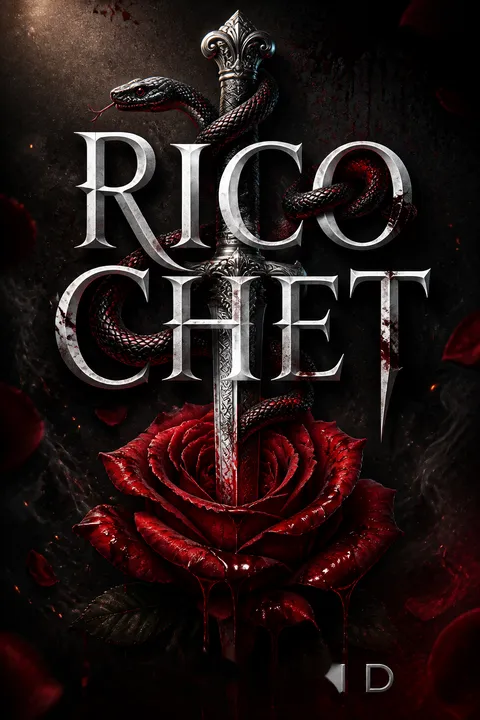
Recurring symbols—snakes, knives, blood—are used to foreshadow betrayal and transformation. The snake, in particular, represents both danger and rebirth, mirroring Ophelia's journey from innocence to power. Knives are both tools of survival and instruments of vengeance, their presence a constant reminder of the thin line between life and death. Blood is both a curse and a bond, tying characters together even as it stains their hands.
Download PDF
Download EPUB
.epub digital book format is ideal for reading ebooks on phones, tablets, and e-readers.








































