
Plot Summary
Christmas Morning Discovery
On a snowy Christmas morning in Leeds, two police officers, Ernshaw and Rodwell, respond to an anonymous tip at a derelict mill. Inside, they discover a bricked-up wall with a cryptic "Ho Ho Ho" sign. Breaking through, they find the corpse of an elderly man dressed as Santa Claus, manacled and left to die. The horror of the scene—death by dehydration, the festive costume, and the deliberate cruelty—sets the tone for a series of grotesque, ritualistic murders. The officers' shock and the macabre humor of the killer's message foreshadow a case that will test the limits of the police and the community's sense of safety.
Maniac on the Motorway
Detective Sergeant Mark 'Heck' Heckenburg is introduced as he tails a suspect in the "M1 Maniac" case, a serial killer targeting young men near the motorway. The investigation is tense and frustrating, with little evidence and mounting public fear. Heck's pursuit leads to a high-speed chase and a violent confrontation, culminating in the deaths of the Savage twins, believed to be the killers. The chaos and destruction of the chase, and the relief at its apparent resolution, are tempered by the sense that the case's closure is incomplete and the cost to the police and public has been high.
The Savage Brothers' Pursuit
The narrative delves into the investigation of the Savage twins, whose crimes have terrorized the region. Heck's intuition and doggedness lead him to connect the brothers to the murders, despite bureaucratic obstacles and earlier investigative oversights. The pursuit is frenetic, with car chases, shootouts, and a desperate attempt to prevent further killings. The brothers' violent end brings a temporary sense of victory, but also exposes flaws in the police response and leaves lingering doubts about justice and closure.
Lovers in the Night
On Valentine's night, young lovers Todd and Cheryl seek privacy on the moors, only to become victims of the killer's twisted sense of occasion. Their murder—impaled together by an arrow while making love—shocks the community and investigators alike. The juxtaposition of youthful passion and brutal death underscores the killer's theatricality and the vulnerability of ordinary people. The emotional impact on families and the public is profound, fueling fear and outrage.
Aftermath and Accountability
In the wake of the Savage case, the Serial Crimes Unit faces intense scrutiny from the media, public, and their own leadership. Detective Superintendent Gemma Piper, Heck's former lover and current boss, delivers scathing rebukes and struggles to defend her team's actions. The pressure exposes cracks in the unit, with resignations, demotions, and a new media liaison, Claire Moody, brought in to manage the narrative. The emotional toll on the detectives is evident, as they grapple with guilt, exhaustion, and the knowledge that their work is far from over.
Shadows in the City
As winter turns to spring, a new series of disappearances and murders begins, targeting society's most vulnerable—homeless people, addicts, and sex workers. Kate, a charity worker, is abducted and imprisoned in a subterranean cell with two petty criminals. The killer's methods are ritualistic and psychologically tormenting, echoing ancient sacrificial practices. The sense of dread intensifies as the victims realize they are being selected for symbolic reasons, and the police struggle to connect the dots.
New Faces, Old Wounds
The Serial Crimes Unit welcomes Claire Moody, whose inexperience and sensitivity are quickly tested by the brutality of the cases. The team's camaraderie is strained by past failures and the relentless pace of new crimes. Heck's relationship with Gemma is complicated by unresolved feelings, professional tensions, and the arrival of new colleagues. The emotional landscape is fraught, with moments of dark humor, vulnerability, and the ever-present threat of burnout.
Captive in the Dark
Kate and her fellow captives endure days of deprivation, fear, and psychological manipulation in their underground prison. The killer's voice is rarely heard, but his presence is felt in every deprivation and every cryptic message. Attempts at escape are futile, and the captives' hope dwindles as they realize they are being kept alive for a purpose. The narrative explores the limits of endurance, the bonds formed in adversity, and the terror of being utterly powerless.
The Serial Crimes Unit
The investigation intensifies as the team links the murders to a calendar of British feast days and festivals. Each killing is a grotesque parody of a holiday—Santa at Christmas, lovers on Valentine's, a burning on Bonfire Night, crucifixions at Easter. The killer (or killers) is staging a series of ritual sacrifices, mocking both religious and secular traditions. The detectives race to anticipate the next event, but the killer's knowledge of history and ritual gives him a deadly advantage.
Rituals and Revelations
The team's research uncovers the historical and anthropological roots of the crimes—ancient pagan rites, Christian martyrdoms, and the dark side of British folklore. The killer is not just a sadist, but a self-styled prophet, seeking to "restore" meaning to modern life through blood and spectacle. The investigation points to a group rather than a lone madman, with a charismatic leader manipulating vulnerable youths. The emotional stakes rise as the detectives realize the scale and ambition of the plot.
The Crucifixion Scene
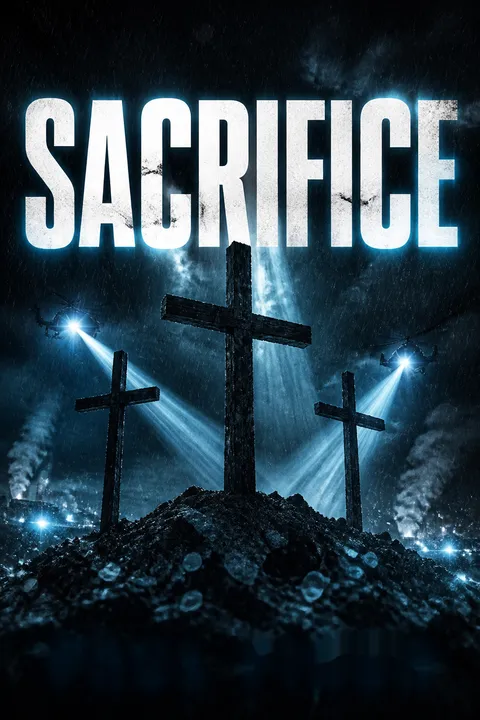
On Good Friday, three bodies are found crucified on a slagheap, staged for maximum visibility. The victims—a charity worker and two petty criminals—are chosen for their symbolic resonance. The media frenzy is immediate and overwhelming, and the police are forced to manage both the investigation and public panic. The forensic details are chilling, but the psychological impact is even greater, as the team confronts the killer's mastery of symbolism and spectacle.
Media Storm and Mayhem
The press dubs the killer "the Desecrator," and the case becomes a national obsession. The Serial Crimes Unit is besieged by criticism, leaks, and political interference. Claire Moody is thrust into the spotlight, struggling to balance truth, public safety, and her own emotional limits. The detectives are haunted by their failures and the knowledge that the killer is always one step ahead. The tension between public accountability and investigative secrecy threatens to tear the team apart.
The May Queen's Fate
As May Day approaches, the team races to prevent another ritual killing. Despite their efforts, a prostitute is found impaled on a maypole, crowned and dressed as the May Queen. The brutality and theatricality of the murder devastate the investigators, who are forced to confront the limits of their power. The killer's pattern is now clear, but his identity and next move remain elusive. The emotional cost to the team, especially Claire, is immense, and the sense of impending catastrophe grows.
The School of Secrets
The investigation leads to St Bardolph's Academy, a prestigious boarding school where Dr. Leo Enwright, a charismatic teacher, has formed a secretive "History Society." Enwright has recruited alienated students, molding them into a cult-like group that carries out the ritual murders. Heck and Gemma go undercover, uncovering the group's methods, ideology, and plans for a grand finale. The confrontation is tense and dangerous, as the detectives realize the depth of Enwright's manipulation and the willingness of his followers to die for the cause.
The Final Hunt
The climax unfolds on the battlefield of Worcester, where the cult plans to stage a final, spectacular sacrifice on Royal Oak Day. Claire, abducted and forced into the role of the "traitor," faces torture and execution in a grotesque reenactment of historical punishment. Heck, wounded and exhausted, pursues the cult through darkness and violence, confronting Enwright and his followers in a brutal showdown. The rescue is harrowing, with lives lost and innocence destroyed, but the cult is finally broken. In the aftermath, the team is battered but vindicated, left to reckon with the scars of the case and the fragile hope of renewal.
Analysis
A meditation on evil, ritual, and the search for meaningSacrifice by Paul Finch is more than a procedural thriller; it is a dark exploration of how societies create, confront, and are haunted by their own myths. The novel interrogates the emptiness of modern life, the longing for meaning, and the dangers of charismatic authority. Through the device of ritualistic killings, Finch exposes the thin line between tradition and atrocity, faith and fanaticism, community and cult. The detectives' struggle is not just against a killer, but against the forces of alienation, cynicism, and despair that make such evil possible. The emotional arc—from horror and helplessness to hard-won victory and lingering trauma—underscores the cost of confronting darkness, and the necessity of doing so. The novel's ultimate lesson is that evil thrives not just in the hearts of monsters, but in the spaces left empty by indifference, neglect, and the loss of shared meaning. In the end, justice is achieved not through heroics alone, but through solidarity, resilience, and the refusal to look away.
Review Summary
Sacrifice by Paul Finch receives high praise from readers, with an average rating of 4.19 out of 5. Reviewers describe it as a gripping, fast-paced thriller with gruesome crime scenes and well-developed characters. Many appreciate the authenticity brought by Finch's police background. The protagonist, DS Mark "Heck" Heckenburg, is a fan favorite. Some readers find the plot twists surprising and the writing style engaging. While a few criticize certain aspects, most consider it an improvement over the first book in the series.
People Also Read

Characters
Mark 'Heck' Heckenburg
Heck is the emotional and investigative core of the novel—a detective sergeant with a sharp mind, a stubborn streak, and a deep sense of personal responsibility for victims. His relationships are complex, especially with his boss and former lover, Gemma Piper, and his loyalty to his team is unwavering. Heck's psychological makeup is shaped by trauma, guilt, and a need for justice that borders on obsession. He is both a maverick and a team player, often bending rules but never losing sight of the human cost of crime. His development is marked by increasing weariness, vulnerability, and a hard-won wisdom about evil and the limits of law.
Gemma Piper
Detective Superintendent Gemma Piper is a commanding presence—intelligent, articulate, and fiercely protective of her team. Her past with Heck adds emotional depth and tension, as does her struggle to balance professional duty with personal feeling. Gemma's leadership is tested by public scrutiny, bureaucratic pressure, and the escalating horror of the case. She is both mentor and disciplinarian, capable of compassion and ruthless pragmatism. Her psychological resilience is remarkable, but not unbreakable; her injury in the climax exposes her vulnerability and the cost of command.
Claire Moody
Claire is the new media liaison, brought in to manage the unit's public image. Intelligent and well-meaning, she is quickly overwhelmed by the brutality of the crimes and the cynicism of both press and police. Her journey is one of disillusionment and trauma, as she confronts the limits of her own strength and the indifference of the world. Claire's abduction and near-sacrifice are the emotional nadir of the novel, and her eventual departure from the unit is both a personal tragedy and a commentary on the toll of violence.
Dr. Leo Enwright
Enwright is the mastermind behind the ritual murders—a teacher with a doctorate in anthropology, a deep knowledge of folklore, and a talent for psychological manipulation. He preys on vulnerable youths, molding them into instruments of his warped vision. Enwright's motivations are a toxic mix of narcissism, resentment, and a desire to "restore" meaning to a world he sees as empty. His psychological profile is chilling: he is both a true believer and a cynical exploiter, capable of inspiring devotion and committing atrocity without remorse.
Jasmine Sinclair
Jasmine is one of Enwright's most devoted followers—a beautiful but emotionally scarred girl, abused in her past and seeking belonging in the cult. Her transformation from victim to perpetrator is both tragic and terrifying. Jasmine's loyalty to Enwright is shaken only when confronted with the truth of his manipulation, and her final actions are a mix of rage, confusion, and desperate need for meaning.
Gareth Holker
Gareth is the head boy and sports captain, orphaned and emotionally vulnerable, who becomes Enwright's protégé and enforcer. His journey from lost child to violent zealot is a study in the dangers of charismatic authority and the search for identity. Gareth's final confrontation with Heck is both a physical and psychological battle, revealing the emptiness at the heart of his fanaticism.
Shawna McCluskey
Shawna is Heck's closest ally—a Manchester-born detective with a sharp tongue, a strong sense of justice, and a deep well of empathy. Her resilience is tested by injury and the emotional toll of the case, but she remains a stabilizing force in the team. Shawna's relationship with Heck is one of mutual respect and camaraderie, and her survival is a testament to the strength of ordinary heroism.
Gary Quinnell
Gary is a Welsh detective, physically imposing but gentle in spirit. His religious faith and moral clarity provide a counterpoint to the cynicism of others. Gary's role is often supportive, but his courage and decency are vital to the team's cohesion. His injury in the line of duty underscores the risks faced by those who stand against evil.
Mike Garrickson
Garrickson is brought in as Gemma's deputy—a smooth operator with a background in organized crime investigations. His ambition and desire for credit sometimes cloud his judgment, but he is ultimately committed to the case. Garrickson's injury and subsequent humility mark a turning point in his character, as he learns the limits of control and the value of teamwork.
Dr. Enwright's Acolytes (Heather, Susan, Arnie, Luke, Anthony)
The members of the History Society are a cross-section of alienated, damaged teenagers—each with their own wounds, insecurities, and need for belonging. Under Enwright's influence, they become willing participants in ritual murder, their individuality subsumed by the cult's ideology. Their eventual unraveling—through confession, betrayal, or breakdown—reveals the fragility of identity and the dangers of charismatic authority.
Plot Devices
Ritualistic Calendar Killings
The central plot device is the killer's use of British feast days and festivals as a template for murder. Each crime is a grotesque reenactment or parody of a holiday—Christmas, Valentine's, Bonfire Night, Easter, May Day—designed to shock, provoke, and "restore" meaning to a secular, consumerist society. This device allows for a series of escalating set-pieces, each with its own symbolism and emotional resonance, and provides a framework for the investigation as the detectives race to anticipate the next event.
Cult Manipulation and Group Dynamics
The novel explores the psychology of cults, with Dr. Enwright recruiting and molding alienated youths into instruments of his will. The group's dynamics—loyalty, rivalry, fear, and eventual disillusionment—are central to the plot, as is the process by which ordinary people are transformed into perpetrators of atrocity. The device allows for both suspense (as the group's plans unfold) and tragedy (as individuals are destroyed by their need for belonging).
Media and Public Pressure
The role of the media—both as a source of information and as a force for panic, distortion, and blame—is a recurring device. The Serial Crimes Unit is constantly besieged by journalists, leaks, and political interference, forcing them to balance truth, secrecy, and public safety. The device heightens tension, exposes character flaws, and underscores the theme of accountability.
Psychological Profiling and Forensic Detail
The detectives' use of profiling, historical research, and forensic analysis is both a narrative engine and a source of suspense. The killer's knowledge of ritual and symbolism challenges the team to think beyond conventional motives, while the forensic details ground the horror in physical reality. The device allows for moments of revelation, misdirection, and intellectual satisfaction.
Foreshadowing and Red Herrings
The novel employs foreshadowing—cryptic messages, symbolic acts, and recurring motifs—to build suspense and guide the reader through the investigation. Red herrings (such as the initial focus on the Savage brothers, or the horror writer Dan Tubbs) create uncertainty and delay resolution, while the gradual unveiling of the true mastermind provides a satisfying payoff.
Emotional and Physical Cost
Throughout the novel, the detectives and victims suffer physical injury, psychological trauma, and moral exhaustion. The device of showing the cost of violence—through injury, resignation, or breakdown—grounds the story in emotional reality and prevents it from becoming mere spectacle. The scars left by the case are as important as its resolution.
Download PDF
Download EPUB
.epub digital book format is ideal for reading ebooks on phones, tablets, and e-readers.








































