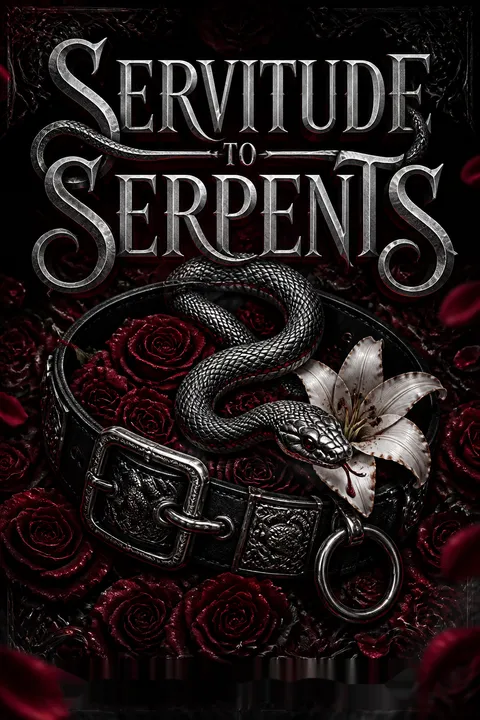
Plot Summary
Rain, Scarred Hands, and Bar Nights
Chloe Tyson, a disciplined young woman shaped by a traumatic past and an abusive, perfectionist grandmother, finds herself out of place on her 21st birthday in a neon-lit bar. Despite friends' efforts to loosen her reserve, Chloe's internalized pain is palpable: her bad eye aches, her scars tingle, and memories of a lost sister, Renee, hover at the edges. A lifetime of striving for approval—never enough—renders Chloe both eager for praise and deeply wary of joy. Music, once solace, now stings: it reminds her of failure, loss, and hands that bled for talent. This night isn't simply celebration; it is the last shore before her world is torn away.
A Birthday Unravels
Alcohol's warmth becomes disorientation; Chloe is separated from her friends and thrown to the mercy of strangers outside. In an alley behind the bar, her vulnerability is exploited. What first appears as a broken girl and a helper quickly becomes a trap. Drugged, Chloe is forced into an SUV—her world dims as betrayal and terror quake through her. Fear, more ancient than her scars, fills her bones, but it's dulled by chemicals as she is whisked into the black jaws of an international trafficking ring. Here, Chloe's identity—her carefully partitioned life—is about to crack wide open, unrecoverable, as she slips from the world she knew.
Into the Bloom Abyss
Chloe wakes restrained and naked in the bowels of Bloom, a brutal, secretive house of human trafficking and sexual slavery. She is immediately dehumanized, waterboarded, beaten, cataloged, and prepared for sale. Her pleas are meaningless in this place; her body is a commodity, her "purpose" recited under duress until it becomes rote. Chloe's physical pain mutates into psychological numbness. Her value lies in her "sweetness," her hands (still valuable for piano), and her ability to submit. As days blur, she is hollowed out and filled with new rules: do not look at your superiors, forget your name, forget safety, forget the world as you knew it. Only obedience will keep her alive.
Stripped Identity
In the teeth of her tormentors, Chloe's identity corrodes. Each lesson is pain: her name is stripped, replaced with "Lily," a designation that makes her rare among "Carnations"—the more disposable trafficked women. Her captors know her as a pianist and plan to exploit this "innocence" for a higher price. She is forced to accept abuse and humiliation as routine, reciting her new belonging to "the House of Bloom." Numbness and shame do battle: each violation numbs her a little more, each "good girl" leaves a spark of sick pleasure/relief, each punishment shackles her further to the role her captors crave. Chloe's only flicker of resistance is self-negation: she survives, but only empty.
Hunger, Obedience, Survival
The machinations of survival are brutal. Food and water are rationed as reward and punishment. A caretaker, herself a victim of the system, offers the barest comfort—spoon-feeding, washing, a mother's touch that is both balm and agony. Kindness itself feels like a trap, as Chloe's body recovers for new torments and her mind struggles with hope/despair. The outside's timeline blurs; months pass in darkness. The news that she will be sold at auction, as a "Lily," shreds any last thread to her former life. Chloe's sense of self begins to float above her: she regards herself in the mirror as something already dead, awaiting the final sale.
Descent Into Training
As the training intensifies, Chloe is forced to perform acts of submission and sexual torment for her "Sirs" and "Mistress," their cruelty blending with calculated perversions. The mind bends: pain and pleasure collapse into one another. The only escape from horror is performing so well it pleases her captors; this is both her destruction and her means of psychological "survival." Chloe begins to internalize her conditioning, associating praise, and brief rewards (affection, the absence of pain) with sexual servitude and compliance. Her value is in her obedience, her "sweetness," and this soul-ache hollows her out even as she clings to it. Memories of Renee, her lost sister, resurface—both comfort and wound.
Flower Among Thorns
The Bloom Lords and Ladies parade Chloe like a rare artifact. Her uniqueness—scarred hands, bad eye, musical talent—makes her a sought-after "Lily." She's forced to play piano, the old prodigy's trauma now weaponized as spectacle and foreplay. Her "audition" for the Masters and Mistresses is both sexual and symbolic: she cannot escape the stage, must perform even as abuse waits at every crescendo. Chloe's brokenness is coveted; her suffering becomes currency. She is tattooed, symbolically "property," and must serve, please, accept—even take pleasure in—violence. Any comfort (maternal gestures, a gentle word) is administered by those who hold the keys to her chains.
Auctioned Lilies, Fractured Will
Preparations for the auction are a slow torture. Chloe is adorned, displayed, and made to embody the fantasy of the docile, obedient "Lily." When the night arrives, she is thrust into a carnival of perversion: other women and girls are broken, bought, and used, each transaction a systemic rape. Chloe's performance is a horror—her piano playing, her body, and even her shame are not hers. Marked, fondled, and violated by bidders, she is one more transaction—but her price is astronomical, her suffering a spectacle. The House of Serpents, led by Warrick, buys her for a sum that reflects both his wealth and the unique value of her "innocence" and obedience.
Sold to the Serpent
Chloe is transferred to Warrick, the powerful and enigmatic head of the House of Serpents. The transition is jarring: the violence is more controlled, the punishments more psychological—a new landscape of power and obedience is mapped. Warrick, older, ruthless, and damaged, commands with honey and venom, alternating cold efficiency with possessive "petting." Chloe learns his needs, his rituals, his forms of love: her reward is a collar, a new name ("dog," "pet," "pup"), and the peculiar comfort of structure and control. His house is full of secrets—servants who are loyal, trusted associates, but no safety. Punishments (kneeling on rice, forced urination) are both discipline and intimacy.
The Rules of Power
Life with Warrick is a meticulously ordered cruelty. Chloe is trained to the point of exhaustion: to serve, to please, to anticipate command and correction. The line between agency and obedience blurs—she is degraded and adored in the same breath. Her value to Warrick is in her vulnerability, her tears, her hungry need for praise. Their relationship is a high-wire walk between brutality and nurturing, violence and fiercely jealous caretaking. Chloe's own feelings shift: she moves from terror to twisted gratitude, her self-worth recalibrated around pleasing her master. The trauma is, paradoxically, a strange comfort: the only language Chloe's nervous system knows now is "control."
Punishments, Collars, and Control
Physical punishments are swift and inventive, from being leashed to the floor to humiliating tasks (writing lines with a vibrator inside her). Chloe craves approval, fears isolation, and begins to take pride in small victories—being called "good girl," being fed from a bowl, being allowed to sleep at Warrick's feet, even as sexual ownership is absolute. Their dynamic is a dance of pain and reward. Outside threats—rival houses, escaped slaves, Warrick's political machinations—churn always at the edge, but the most destabilizing force is love itself: Chloe is starved for it, and Warrick, tormented by his own past, both needs her and fears becoming weak.
Chains, Dog, and Master
Weeks and months pass in an ever-tightening spiral of extreme dominance and submission. Chloe becomes both treasured pet and object of obsession. Warrick alternates luxury (fine clothing, jewels, gentle touch) with degrading reminders of her status—dog collars, leashes, commands. Their sex is violence, their violence is sex; praise becomes oxygen, and punishment delivers as much pain as it does perverse comfort. Chloe becomes jealous of other women in the house; Warrick, meanwhile, can barely tolerate her desire for anyone else. Underneath it, guilt and obsession pile: both are reshaped by what they cannot admit—love is dangerous, but necessary.
The Smother of Past and Present
Chloe's trauma over her drowned sister, abusive family, and lost girlhood seep into every moment. Old injuries—her grandmother's ruler, her mother's blame, forced music—merge into new wounds. As Chloe submits to new rituals (forced public play, constant surveillance), she replays memories of Renee, of guilt so deep it becomes woven into her skin. Warrick, too, is haunted: betrayed by his own family, shaped by violence, he sees in Chloe a mirror—her tears and compliance echo his own wounds, even as he wields power over her. Their pain becomes conjoined, a grim inheritance transmuted by complicit longing.
Pleasure Twined With Pain
As their link intensifies, both Chloe and Warrick fight the dangerous warmth creeping in. Kindness is weaponized as much as punishment: every act of gentleness, every soft word, is a high-voltage shock to Chloe's battered heart. She is remade, day by day, as the perfect "pup"—turning pain to pleasure, loneliness to passionate worship. But cracks appear: doubt, self-hate, nightmares, and a bone-deep hunger not just for affection, but to be needed, to matter. For Warrick, dominance is a shield; true vulnerability represents death. The "game" is their only language for love—pain and praise braided together until they are indistinguishable.
Bloom's Mark, Serpent's Claim
The world outside encroaches: rival Houses, jealousies, debts, and alliances threaten the fragile "home." Bloom's power is not gone; their marks still burn under Chloe's skin. Old debts and betrayals reawaken: Warrick's pursuit of vengeance for his slain father rises into the foreground. The cost of loyalty to his own house means offering Chloe as a pawn for information. At his worst, Warrick deploys Chloe's body and brokenness as leverage—a strategy that both destroys and cements their bond. Chloe's world narrows: love comes at the price of destruction, but being cast aside, returned, or sold again is a horror she cannot face. Their love is a contradiction—intimate and annihilating.
The Auction's Price
In a bid for critical information—proof about the murder of Warrick's father—Chloe is offered to another House, required to endure rape for a strategic "gift." The act shatters both Chloe's sense of agency and Warrick's self-image. Colliding agendas—vengeance, politics, survival—leave Chloe feeling completely expendable, and Warrick devoured by guilt. The bid for power extracts its price: after the transaction, love seems irreparably corrupted. Chloe's survival instinct, now enmeshed with her need for approval, cannot outpace the trauma of complicity and betrayal.
Blue Dresses, Black Marks
After being used as a bargaining chip, Chloe's psychological collapse accelerates—she is marked, both physically and emotionally, as "bad." Warrick's love-hate for her, and for himself, explodes into a storm of violence and desperate need. They perform the familiar rituals—punishment, restraint, forced apologies—but trust is gone. Chloe tries, again and again, to please, to redeem herself, to be "good"; Warrick sabotages every olive branch, unable to forgive her or—worse—forgive himself. Their relationship, once a dark sanctuary, becomes a grinding wheel for self-loathing. Chloe attempts suicide; Warrick can only answer with more pain.
Blossoms and Bruises
The aftermath is stark: Chloe's suicide attempt nearly kills her, and Warrick's rage at her "abandonment" is as much directed at himself as her. Both confront the abyss: love, in their world, is wounding and life-saving in the same breath. The tiniest kindness—a touch, a word, the return of a collar—becomes a lifeline. With the outside world pressing in, their private language of violence and devotion is tested. Chloe's near-death brings them into truce but not true peace; both have become too dependent to leave, too wounded to thrive elsewhere. Survival means accepting the pain and bliss that only the other can provide.
Lost in Obsession
Warrick's obsession with Chloe overtakes all strategy and self-preservation. Both are increasingly isolated: old allies turn wary or openly hostile, alliances fray, and outside threats gather. Chloe re-acclimates to her role as pup, now inseparable from her identity; rewards—orgasm, praise, even being allowed to eat—depend on total submission. Yet, within these constraints, a wild erotic devotion flourishes; their connection, however warped, brings a sense of "rightness" neither knew before. This is the book's dark heart: the world is violent and predatory, but their cocoon is one where terror and bliss are intermingled, necessary, and all-consuming.
The Ruin of Love
The outer world strikes back. The machinations of the FBI, rival Houses, and old enemies converge to destroy the haven Chloe and Warrick have built—however unhealthy that haven may be. Betrayals, both intentional and accidental, tear them apart once more: Chloe is forced out, sold again, while Warrick self-destructs. Their separation is marked by hallucination, pain, self-loathing, and a longing that is both erotic and existential. The "ownership" of each other, once a source of meaning, curdles: love is revealed as ruination. Chloe suffers in Bloom's grip once more; Warrick's world burns as he seeks her redemption or death.
Clinging in Catastrophe
From the edge of hell, Chloe is almost lost forever inside the machinery of Bloom. At the last gasp, Warrick orchestrates a massacre to reclaim her, guns and explosions echoing the violence of their relationship. Chloe exacts revenge on those who tormented her—her lover's violence giving her (and the reader) catharsis and horror. When they reunite, both are near-unrecognizable: physically and psychically scarred, but needing each other beyond any hope of healing. Safety is an illusion; the only thing that "works" is each other's ruinous presence. Their reunion is sealed in violence, promise, and an undying, destructive love.
Betrayal, Scars, Redemption
Chloe and Warrick escape—barely—to build a new life, but neither can leave behind what made them. Their love remains anarchic, owning and owned, defined by the wounds they both inflicted and endured. The external threats diminish (for now), but the spectacle of their devotion, their willingness to destroy all else for each other, remains. Marriage, sex, violence, and mutual obsession become an eternal cycle. Past traumas never quite fade: Chloe is never entirely "saved," and Warrick never truly "redeemed." But together, they have made a home of pain and pleasure, a paradox that can only exist between two scarred souls who own and are owned.
Analysis
In Servitude to Serpents, Callie Moss crafts a harrowing—and provocative—exploration of trauma, captivity, and the dark alchemy of love formed under duress. The novel's genius is its refusal to offer easy demarcations between victimization and desire: trauma is both poison and sustenance; love is both balm and blade. Moss exposes how abuse recursively remakes the soul—how praise, pain, and longing can become so fused they are indistinguishable. By weaving Chloe's past with her captivity, the novel illuminates how old wounds become handholds for new abusers, and how the longing for safety and approval can mutate into a hunger for chains when kindness is only ever doled out as reward for pain. Erotic horror becomes a language of survival; ownership both imprisons and saves. The external drama—appearances, alliances, war, and rescue—serves less to deliver narrative closure than to echo the impossibility of truly escaping oneself. Servitude to Serpents ultimately dares to ask: what becomes of the soul when pain is all it has left to call home? It refuses to flinch from answers that are both annihilating and, in their way, redemptive; love is shown not to conquer all, but to devour, to remake, and—perhaps most daringly—to be chosen despite it all. The lesson, as Moss crafts it, is a haunting paradox: that the need to be owned is as primal as the need to be free, and that, for some, chains become the only possible shelter in a brutal world.
Review Summary
Servitude to Serpents receives an overall positive reception, with most readers praising its intensely dark themes, emotional depth, and compelling character development. Many highlight Chloe's resilience and Warrick's complex, morally black characterization as standouts. Reviewers consistently urge others to read trigger warnings, noting the book covers human trafficking, abuse, and psychological trauma. While the majority found the darkness masterfully executed and the ending satisfying, a few critics felt the hero was irredeemable and the story too bleak to enjoy.
People Also Read
Characters
Chloe Tyson
Chloe is a woman molded by pain: a musical prodigy whose abusive upbringing left her desperate for approval and devoid of self-worth. Scarred by her grandmother's cruel discipline, her sister's death (for which she blames herself), and a cold, grieving mother, Chloe wanders into adulthood both hypervigilant and craving praise. Abduction is her crucible—her resistance is rapidly eroded by hunger, humiliation, and the psychological warfare of her captors. Yet she adapts, surviving with dogged, if tragic, malleability, gradually internalizing the pleasure-pain dynamics forced on her. Under Warrick, Chloe becomes both "pet" and partner, terrified and aroused by his power. Her arc is one of compelled surrender: her need for love is so consuming she comes to embrace her chains. In the end, Chloe finds purpose—and a twisted peace—in belonging utterly to the man who both destroyed and saved her.
Warrick / Basilisk
Warrick is both the head of the House of Serpents and a child of violence: a man whose mother's abuse and father's murder left him a cold architect of power. His world is one of ruthless control and vendettas, especially against the House of Tyet, whom he holds responsible for his father's death. He buys Chloe as a prize and plaything but quickly recognizes in her a kindred wound. His love emerges as possessiveness, control, and a war against his own "weakness." He is obsessed—with Chloe's pain, her obedience, her dependence—and terrified of the vulnerability she evokes. Warrick views affection as both privilege and threat: pain is his language of love, punishment his shield. When forced to choose, he destroys the world for Chloe—and is destroyed in turn. For all his savagery, he is ultimately revealed as another prisoner: owned by his need for the one woman he can neither punish nor release.
Renee Tyson
Renee's influence is spectral yet immense; Chloe's little sister, suffering from muscular dystrophy, spurred much of Chloe's self-doubt and survivor's guilt. Her drowning, while under Chloe's care, becomes Chloe's defining trauma; the recurring image of Renee slipping beneath the water swells into both curse and touchstone for Chloe's captivity and self-destruction. Renee functions in the narrative as the omnipresent ghost, the origin of guilt, and the unreachable comfort that both spurs and wounds Chloe's desire for belonging.
Grandmother (Mrs. Tyson)
Chloe's grandmother, an imperious matriarch and former concert pianist, is a study in ambition weaponized as violence. Obsessively molding Chloe into a prodigy, she disciplines through physical pain, isolation, and an endless moving goalpost of "greatness." Every punishment is wrapped in the language of love and future gratitude. Her legacy isn't just scars, but the psycho-dynamic template that makes Chloe susceptible to later abusers—confusing pain with affection, mistake with worthlessness, obedience with survival.
House of Bloom (Mistress, Master, Trainers)
Bloom's leaders and trainers—unnamed, archetypal figures—manifest the systemic, dehumanizing violence of the trafficking network. Mistress, in particular, embodies the cruel inversion of motherhood: she "prepares" and "disciplines" Chloe, oscillating between maternal attention and sexual violence. The trainers script the rules, reward and punish on a whim, and treat the human soul as a thing to be broken and sold. Bloom is less a setting than a living antagonist—where all wounds are both personal and industrialized.
Stuart / Viper
Stuart is the Serpents' loyal second-in-command: a man of violent competence, haunted loyalty, and pragmatism. He stands as Warrick's moral sounding board (when needed) and a suppressor of "unneeded" humanity, but his own fissures—guilt, regret—surface in moments of crisis. Stuart's relationship with Chloe is one of wary detachment, always placing Warrick's interest above hers, but acknowledging the unique damage and devotion she brings out in his boss. His betrayals, reluctant and forced, pull him into the same web of devastation their love spins.
Mahari
Mahari, a powerful and sexually liberated woman married to another house's leader, is both a rival and a spectral "rescuer" figure for Chloe. Her maternal warmth and open self-possession stand in stark (and healing) contrast to Bloom and Chloe's abusive upbringing. She tries to claim Chloe, embodying an alternate possibility: survival without total submission or loss of self. Though ultimately unable to detour Chloe from her fate, Mahari catalyzes Chloe's final recognition of her own desires and the kind of love she cannot leave behind.
Mistress Julissa Eaton and Leo Eaton
Julissa and Leo Eaton lead Bloom with the clinical cruelty and strategic violence of true aristocrats of depravity. Julissa, in particular, is marked as both femme fatale and businesswoman. She embodies female-perpetrated predation, her sexual violence as transgressive as the men's. Leo, while less directly involved, enables and amplifies Julissa's sadism via the architecture of the auction and training. Their world exploits every fracture in Chloe—and are themselves destroyed as Warrick's violence returns in kind.
Agent Benigno
As the FBI's face, Agent Benigno represents the limits, compromises, and often clumsy violence of institutional power. He interrogates Chloe, stripping away the romanticism of her survival and bluntly enumerating the true costs and crimes of Warrick's empire. In dismissing Chloe's explanations, he exposes the impossibility of a "clean" return to the civilized world. His actions—removing Chloe's beloved collar, denying her autonomy in recovery—are a final (if less personalized) violation, underscoring the challenge and pain of "rescue."
The House of Tyet (Harun et al.)
Harun and the House of Tyet are the serpent's mirror: as much friend as foe, ally as traitor, and puppet master as victim. Their betrayals shape Warrick's fate and ultimately, Chloe's suffering. Tyet deals in secrets, pulling the puppet strings behind massacres and rescues, their own women and men as complicit as anyone. Theirs is the world that both entraps and enables Chloe's return—ambiguous, unpredictable, and entirely self-serving.
Plot Devices
Fractured Narrative and Trauma Memory
The novel interlaces present events with traumatic memory—and not simply as flashbacks, but as active, parallel timelines. Chloe's childhood abuse, her sister's drowning, and the slow erosion of her self-worth are themselves a continuous "room" she returns to under stress. Physical pain, sexual violence, and humiliation in the present are continually placed in dialogue with older wounds—music lessons, family discipline, the longing for a tenderness she rarely received. Trauma collapses past and present: old and new abusers echo one another in phrase and punishment.
Ownership as Psychological and Erotic Motif
Each chapter's obsession with "owning" and "being owned" isn't mere hyperbole: it is the guiding philosophy and central dilemma. "To own"—to control, brand, reward, punish—is both violence and affection, brutalization and balm. Ownership's ritual markers—collars, tattoos, forced names—are as critical as emotional hooks: praise, affection, ritual discipline, sexual exclusivity. The novel weaponizes (and eroticizes) ownership, exposing how easily it becomes first survival strategy, then love language, then existential necessity.
Symbolic Objects and Branding
Physical symbols—collars, brands, scars, crests—operate as more than props: they are matrices of identity. The giving or confiscation of a collar, "brands" burned into skin, scars scored across hands: these are Chloe's only proofs of belonging, and thus her only proofs of self. Similarly, music acts both as trauma trigger and as proof of soul: Chloe's piano is the site of praise and pain, her playing used as currency, as instrument of both violation and transcendence.
High-Stakes Power Plays
Throughout, the love story is ensnared in layers of external threat: the House rivalries, the impending auction, political alliances, and FBI surveillance create an ever-present sense of instability. Every moment of intimacy is threatened by the world's appetite for power, secrets, and flesh. Rescue and betrayal are always the same coin, flipped at every turn. This is underscored by the narrative's use of reversals: savior becomes oppressor, home becomes trap, rescue becomes new captivity.
Recursive Motifs: Dog / Flower / Water
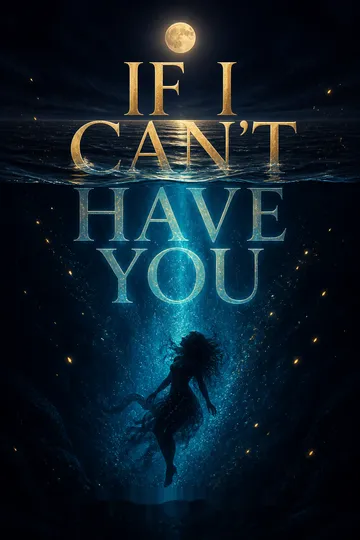
Chloe's identity moves cyclically through three motifs: "dog" (obedience, belonging, raw need), "flower" (beauty, commodification, frailty), and "water" (drowning, being pulled under, the impossibility of escape). Each provides a lens for her psychosexual evolution: to be a "dog" is to be wanted—finally claimed; to be a "Lily" is to be unique and thus both more and less valuable; to be "in the water" is to be forever at the mercy of forces both outside and within.
Download PDF
Download EPUB
.epub digital book format is ideal for reading ebooks on phones, tablets, and e-readers.








































