Plot Summary
Heartbreak and Hauntings Begin
Adam, a biracial Japanese-Irish teenager, is dumped by his boyfriend Evan, leaving him raw and adrift. At home, his stepmother Kate and baby half-brother Benny offer little comfort, and Adam's sense of belonging is fragile. Amid the mundane pain of heartbreak, Adam's world is pierced by the uncanny: a mysterious old diary surfaces in the attic, and Adam glimpses a ghostly woman watching over Benny. The boundaries between grief, memory, and the supernatural blur, setting Adam on a journey that will force him to confront not only his own losses but the unresolved stories of generations past. The stage is set for a haunting exploration of identity, family, and the ghosts that linger in the spaces between.
The Diary in the Attic
Tasked with a chore in the attic, Adam stumbles upon a wooden box containing a diary written in elegant, archaic English. The diary's author, a young Japanese woman from the early 20th century, writes to her deceased grandmother about strange occurrences, music, and ghosts. Adam is drawn into her world, sensing the diary's authenticity and the weight of its secrets. As he reads, the lines between fiction and reality blur, and Adam feels the presence of the diary's writer growing stronger. The diary becomes both a comfort and a source of unease, a bridge to a past that refuses to stay buried, and a catalyst for Adam's own search for meaning and connection.
Ghosts and Family Ties
Adam's family life is complicated: his father is often absent, Kate is loving but distant, and Benny is a reminder of both joy and alienation. The diary's ghostly themes echo Adam's own sense of being haunted—by his mother's absence, by his mixed heritage, and by the feeling of never fully belonging. Adam's encounters with the ghostly woman intensify, blurring the line between dream and waking. The diary's narrative of a young woman isolated in her ancestral home, visited by spirits and pressured by family, mirrors Adam's own struggles. Both are caught between worlds, seeking solace in music and the hope of being understood.
Echoes from the Past
As Adam delves deeper into the diary, he learns about the writer's life in Meiji-era Nagasaki: her training on the biwa, her encounters with a blind biwa-hōshi, and her family's expectations. The diary's author is pressured to marry, but yearns for education and autonomy. Ghosts gather in her garden, drawn by her music, and she is tasked with appeasing them through song. The diary's vivid, confessional voice draws Adam in, and he begins to see parallels between her struggles and his own. The past is not dead; it is a living force, shaping Adam's present and demanding to be heard.
Biwa, Ballads, and Bloodlines
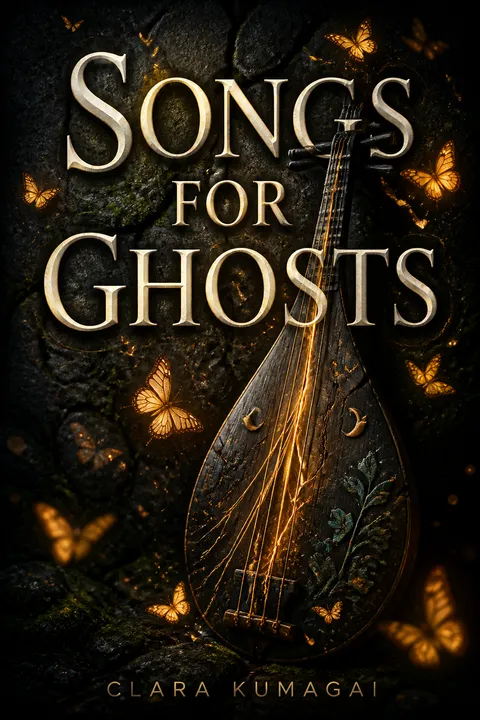
The diary reveals the power of the biwa—a traditional Japanese lute—as both a family heirloom and a conduit for the dead. The writer learns that her ancestors were biwa players, tasked with telling the stories of the defeated Taira clan to appease their restless spirits. Music becomes a bridge between worlds, a way to honor the forgotten and give voice to the silenced. Adam, a cellist, feels the resonance of this legacy in his own life. The diary's exploration of music, memory, and inheritance deepens Adam's understanding of himself and the burdens he carries.
Hungry for Answers
The diary's tone grows urgent as the writer is visited by increasingly desperate spirits, including a terrifying hungry ghost—an embodiment of unfulfilled longing and forgotten history. The hungry ghost's story echoes the fate of those erased by war and family shame. Adam, haunted by his own questions about his mother and heritage, becomes obsessed with uncovering the diary's secrets. The ghosts' hunger is not just for food, but for acknowledgment, justice, and peace. Adam realizes that to help them—and himself—he must confront the truths his family has hidden.
Music as a Bridge
Adam's life intertwines with the diary's as he prepares for a music exam and navigates friendships, heartbreak, and cultural expectations. He joins a Japanese language class, befriends Jo—a Japanese exchange student—and struggles with his sense of belonging. Music becomes a way to express what words cannot, to bridge gaps between people and generations. The diary's writer, too, finds solace and power in music, using it to calm ghosts and assert her agency. Both Adam and the diary's author discover that music can heal, connect, and transform, even as it exposes old wounds.
Lost in Translation
Adam's struggles with Japanese mirror his deeper struggles with identity and communication. The diary, written in English but rooted in Japanese experience, becomes a symbol of translation—across languages, cultures, and generations. Adam's attempts to connect with his Japanese heritage are fraught with awkwardness and longing. The diary's author, too, grapples with the limits of language and the expectations placed on her as a woman and a daughter. Both are caught between worlds, seeking a way to make themselves understood and to honor the stories that shaped them.
Searching for Names
Determined to uncover the diary's origins, Adam enlists Jo's help to search for the writer's real name and descendants. Their investigation leads them through school records, family registries, and the tangled histories of Nagasaki and Fukuoka. The search is complicated by missing records, war, and the erasure of women's stories. Along the way, Adam discovers that the diary's author published under the name Taira Chyōko, but her real name was Harada Kiku. The revelation is both a triumph and a reminder of how easily lives can be lost to history.
Family Secrets Unveiled
Adam's search for Kiku's descendants uncovers painful truths: the Lieutenant she married was his own ancestor, Pinkerton, who abandoned her and took their son, Haru, to America. Adam is forced to confront the legacy of betrayal, abandonment, and the ways in which history repeats itself. He meets his aunt Mayumi, reconnects with his mother's family, and learns that the wounds of the past are still raw. The discovery that Jo is descended from Kiku's second son, Hiro, brings the story full circle, uniting the living and the dead in a web of kinship, regret, and hope.
The Ghost's Hunger
As Obon—the festival of the dead—approaches, Kiku's ghost grows more desperate, transforming into a hungry ghost whose pain threatens to consume Adam, Jo, and their families. Attempts to appease her through ritual and remembrance fail, and the boundaries between worlds blur. The only way to calm her is to complete her story, to find out what happened to her lost son Haru and to honor her memory. The urgency of the ghost's hunger becomes a metaphor for the need to confront and heal generational trauma.
Reunion and Release
With the help of Jo, Yuna (Jo's cousin), and their families, Adam pieces together the final chapters of Kiku's story. A lost letter from Haru, written before his death, is discovered and read aloud, bringing peace to Kiku's restless spirit. The act of remembrance, storytelling, and music allows Kiku to let go, and the hungry ghost is transformed. The living, too, are changed: Adam reconciles with his family, Jo finds acceptance, and Yuna embraces her own complex heritage. The past is not erased, but integrated into a new, more hopeful future.
Remembering the Forgotten
The Spirit Boat Procession of Obon becomes a powerful communal act of remembrance, as Adam, Jo, and their families honor Kiku, Haru, and all those lost to history and war. The ritual is both personal and collective, a way to acknowledge pain, celebrate survival, and commit to carrying forward the lessons of the past. The ghosts are not banished, but embraced as part of the living's ongoing story. Adam learns that healing is not about forgetting, but about remembering with compassion and courage.
The Endings We Inherit
As summer ends, Adam prepares to return home, changed by his journey through grief, history, and love. He has found family in unexpected places, learned to forgive himself and others, and discovered the power of music and storytelling to bridge divides. The diary's story is not just Kiku's, but Adam's, Jo's, and all those who inherit the unfinished business of the past. The endings we inherit are not final; they are invitations to begin again, to write new chapters, and to honor those who came before.
Songs for the Living
Adam's final concert with the string quartet becomes a celebration of survival, resilience, and the connections forged through music. Surrounded by family and friends, he plays not just for himself, but for all those whose stories have shaped him. The ghosts are quieter now, their songs woven into the fabric of the living. Adam's journey is not over, but he moves forward with a deeper sense of self, purpose, and belonging. The songs for ghosts have become songs for the living.
The Spirit Boat Procession
The Spirit Boat Procession marks the culmination of Adam's journey, as he and Jo carry photographs of their ancestors through the city, honoring the dead and releasing them to the sea. The ritual is both an ending and a beginning, a way to say goodbye and to welcome the future. The boundaries between past and present, living and dead, are porous, and the stories of those who came before continue to shape the world. Adam learns that remembrance is an act of love, and that the dead live on in the songs we sing for them.
Full Circle: Home and Hope
Adam returns home, carrying with him the lessons, losses, and loves of his summer in Japan. He is no longer haunted, but accompanied by the memories and music of those who came before. His relationships with his family, friends, and himself are transformed by the journey. The story ends not with closure, but with hope: the promise that the songs for ghosts will continue to be sung, that the living will remember, and that healing is possible, even after generations of silence.
Analysis
A modern meditation on memory, identity, and healingSongs for Ghosts is a luminous exploration of how the past shapes the present, and how the stories we inherit—whether through blood, culture, or art—can both haunt and heal us. Clara Kumagai deftly weaves together themes of intergenerational trauma, cultural hybridity, and the search for belonging, using the supernatural as a lens to examine the very real ghosts that linger in families and societies. The novel challenges readers to confront uncomfortable truths: the legacies of colonialism, war, and family secrets, and the ways in which silence perpetuates pain. Yet it is also a story of hope, resilience, and the transformative power of music and storytelling. By honoring the forgotten, giving voice to the silenced, and forging connections across time and difference, Songs for Ghosts offers a vision of healing that is both personal and collective. It reminds us that remembrance is an act of love, that the dead live on in the songs we sing for them, and that the endings we inherit are invitations to begin anew.
Review Summary
Songs for Ghosts receives mostly positive reviews, averaging 3.85/5. Readers praise its dual timeline structure, rich Japanese history and culture, and emotional depth. The diary entries from a Meiji-era Japanese woman are widely considered a highlight, while protagonist Adam's modern storyline divides opinion — some find him relatable and flawed, others frustrating and passive. The novel's exploration of identity, heritage, grief, and magical realism resonates strongly, though some feel certain plot threads go unresolved. Most agree the book is beautifully written and ambitious, if occasionally uneven in execution.
Characters
Adam
Adam is a biracial Japanese-Irish teenager, caught between cultures and families. Sensitive, introspective, and musically gifted, he is haunted by the loss of his mother, the distance of his father, and the complexities of his blended family. Adam's journey is one of self-discovery, as he navigates heartbreak, cultural dislocation, and the supernatural. His connection to the diary and its ghostly author becomes a metaphor for his search for identity and meaning. Through music, friendship, and the courage to confront painful truths, Adam learns to honor both his heritage and his own desires, finding a place for himself in the world.
Kiku / Taira Chyōko
Kiku, also known as Taira Chyōko, is the diary's author and the central ghost haunting Adam's life. A young woman in Meiji-era Nagasaki, she is intelligent, creative, and fiercely independent, yet constrained by family expectations and societal norms. Her gift for music and storytelling makes her both a bridge to the past and a voice for the forgotten. Betrayed by her American husband and separated from her son, Kiku's spirit becomes a hungry ghost, desperate for remembrance and justice. Her journey from rage to release mirrors the process of healing generational trauma, and her legacy endures through those who remember her.
Jo
Jo is a Japanese exchange student, cheerful, open-hearted, and deeply empathetic. He becomes Adam's friend, confidant, and love interest, helping him navigate language, culture, and the mysteries of the diary. Jo's own struggles with identity, family expectations, and sexuality parallel Adam's, and their relationship is marked by both tenderness and tension. Jo's discovery that he is descended from Kiku's second son, Hiro, brings the story full circle, making him both a living link to the past and a symbol of hope for the future. His courage in facing family and societal pressures inspires Adam to do the same.
Kate
Kate is Adam's stepmother, a loving but sometimes awkward presence in his life. She is devoted to her own son, Benny, but struggles to bridge the gap with Adam, haunted by the knowledge that she can never replace his mother. Kate's efforts to support Adam—through heartbreak, family drama, and cultural confusion—are often clumsy but sincere. Her willingness to listen, forgive, and adapt makes her a quietly heroic figure, embodying the challenges and rewards of blended families. Through her, Adam learns that love can be complicated, imperfect, and still real.
The Lieutenant / Pinkerton
The Lieutenant, later revealed as Pinkerton, is Kiku's American husband and Adam's ancestor. Charismatic, selfish, and ultimately unreliable, he embodies the betrayals of colonialism, patriarchy, and personal weakness. His abandonment of Kiku and their son Haru sets in motion the cycle of loss and longing that haunts generations. The revelation of Adam's connection to Pinkerton forces him to confront the ways in which history repeats itself, and the necessity of breaking destructive patterns. The Lieutenant is both a villain and a tragic figure, a reminder of the damage wrought by those who refuse responsibility.
Haru
Haru is the son of Kiku and the Lieutenant, taken to America and erased from his mother's life. His absence is the wound at the heart of the story, the source of Kiku's restless hunger. Haru's own life is marked by displacement, discrimination, and the search for belonging. His final letter to Kiku, discovered decades later, becomes the key to her release and the healing of generational trauma. Haru's story is a testament to the enduring power of love, memory, and the longing to be seen and remembered.
Yuna
Yuna is Jo's cousin, a musician and adoptee who becomes the inheritor of Kiku's biwa and legacy. Her journey mirrors Adam's and Jo's: a search for identity, family, and purpose. Yuna's adoption, her struggles with her parents, and her discovery of her own mixed heritage make her a complex and relatable figure. Through music, she becomes the vessel for Kiku's story, ensuring that the songs for ghosts continue to be sung. Yuna's courage in embracing her past and forging her own path offers hope for healing and reconciliation.
Mayumi
Mayumi is Adam's aunt, his mother's sister, and the keeper of family history. Initially distant and resentful, she becomes a crucial link to Adam's heritage and the stories that shaped him. Mayumi's own grief and anger are softened by Adam's persistence and vulnerability, and their relationship becomes a model for the possibility of forgiveness and connection across generations. Through Mayumi, Adam learns that family is both a source of pain and a wellspring of strength.
Junko and Toshi
Junko and Toshi are Adam's homestay parents in Nagasaki, embodying both the warmth and the challenges of Japanese family life. Junko, a translator, is strict but caring, while Toshi, a musician, is gentle and supportive. Their own struggles with their daughter Yuna's adoption and estrangement mirror the novel's themes of belonging, truth, and reconciliation. Through their hospitality, patience, and eventual openness, they help Adam—and themselves—find a sense of home and healing.
Sakurako
Sakurako is a member of the string quartet, initially wary of Adam and fiercely protective of Jo. Her own history of loving Jo and witnessing the pain he endured makes her both a gatekeeper and an ally. Sakurako's journey from suspicion to acceptance reflects the novel's emphasis on empathy, growth, and the importance of chosen family. Her loyalty and honesty challenge Adam to be better, and her friendship becomes a source of strength for the group.
Plot Devices
Dual Narrative Structure
The novel employs a dual narrative, alternating between Adam's contemporary coming-of-age story and the historical diary of Kiku. This structure allows for rich parallels between the characters' struggles with identity, family, and belonging. The diary serves as both a literal and metaphorical bridge, connecting generations and highlighting the ways in which the past shapes the present. The interplay of voices creates suspense, deepens emotional impact, and invites readers to consider the echoes of history in their own lives.
Magical Realism and Ghosts
Ghosts and supernatural events are woven seamlessly into the fabric of the story, blurring the line between reality and the uncanny. The haunting is both literal and symbolic, representing the unresolved grief, shame, and longing that persist across generations. The transformation of Kiku into a hungry ghost dramatizes the dangers of forgetting, erasure, and unhealed wounds. Magical realism allows the novel to explore complex themes—colonialism, war, family secrets—in a way that is emotionally resonant and accessible.
Music as Healing and Communication
Music—especially the biwa and the cello—is a central motif, symbolizing the power of art to connect, heal, and remember. Both Adam and Kiku use music to express what cannot be said, to honor the dead, and to forge bonds across time and culture. The act of playing, listening, and performing becomes a ritual of remembrance and release, transforming pain into beauty and silence into song. Music is both a personal solace and a communal act, uniting characters and readers in shared emotion.
Intergenerational Trauma and Inheritance
The novel explores how trauma, secrets, and unresolved histories are passed down through families, shaping the lives of descendants. The repetition of abandonment, longing, and the search for belonging is dramatized through both plot and character. The process of uncovering, confronting, and integrating these stories becomes a path to healing—not by erasing the past, but by honoring and learning from it. The inheritance of pain is matched by the inheritance of resilience, creativity, and love.
Foreshadowing and Symbolism
Recurring symbols—such as butterflies (representing transformation and the Taira clan), boats (passage between worlds), and broken strings (loss and repair)—foreshadow key events and deepen the novel's themes. The Spirit Boat Procession, the snapping of the biwa's string, and the appearance of butterflies at moments of crisis all serve as potent images of change, release, and the cyclical nature of life and memory. These symbols invite readers to look beyond the surface and to find meaning in the patterns of the story.
Download PDF
Download EPUB
.epub digital book format is ideal for reading ebooks on phones, tablets, and e-readers.








































