
Key Takeaways
1. Central Asia's turbulent history shapes its present.
“… the collapse of Russian rule in Central Asia has tossed the area back into a melting pot of History. Almost anything could happen there now, and only a brave or foolish man would predict its future.”
A crossroads of empires. Central Asia's location between East and West has made it a frequent target for invasions, from the Persians and Greeks to the Mongols and Russians. These conquests have left a lasting impact on the region's culture, demographics, and political landscape. The Silk Road's rise and fall also contributed to the region's complex history.
Soviet legacy. The Soviet Union's influence is undeniable, with its infrastructure projects, educational reforms, and redrawing of borders. However, it also brought repression, forced collectivization, and the suppression of local cultures. Understanding this legacy is crucial to understanding the challenges these nations face today.
Rewriting history. Leaders often manipulate the past to serve their present-day agendas. This includes exaggerating the achievements of their own ethnic groups, downplaying the negative aspects of their history, and creating a narrative of national unity. This makes it difficult to discern the truth about the region's past.
2. Authoritarianism and personality cults persist in some Central Asian states.
An unjust ruler is like a farmer who plants corn and expects wheat.
Dictatorial tendencies. Despite gaining independence, some Central Asian countries have struggled to establish democratic institutions, with leaders clinging to power through rigged elections, suppression of dissent, and the creation of personality cults. Turkmenistan under Niyazov serves as a prime example of this phenomenon.
Cult of personality. Leaders often construct elaborate images of themselves as benevolent, all-knowing figures, using propaganda, monuments, and mandatory displays of loyalty to reinforce their authority. This can stifle critical thinking and create a climate of fear.
Examples of authoritarian control:
- Restrictions on freedom of speech and the press
- Control over the economy and resources
- Arbitrary arrests and imprisonment of political opponents
- Suppression of religious freedom
3. Poverty and inequality plague the region despite resource wealth.
Electricity, gas and salt, all free. Do you know of any other country where gas and electricity are free?
Resource curse. While some Central Asian countries possess vast reserves of oil, gas, and minerals, this wealth has not always translated into improved living standards for the majority of the population. Corruption, mismanagement, and unequal distribution of resources contribute to widespread poverty and inequality.
Economic disparities. The gap between the wealthy elite and the impoverished masses is stark, with luxury apartments and designer shops existing alongside dilapidated housing and struggling farmers. This disparity can fuel social unrest and resentment.
Migrant labor. Many Central Asians, particularly from Tajikistan and Kyrgyzstan, seek work in Russia to support their families, highlighting the lack of economic opportunities in their home countries. This dependence on remittances makes these countries vulnerable to economic fluctuations in Russia.
4. The legacy of Soviet rule is complex and contradictory.
It is something of a paradox that the person who has done most to make it “known” in the West is British comedian Sacha Baron Cohen.
Double-edged sword. The Soviet era brought both progress and oppression to Central Asia. While the Bolsheviks invested in education, healthcare, and infrastructure, they also suppressed local cultures, imposed a rigid ideology, and committed environmental disasters.
Nostalgia for the past. Despite the hardships of the Soviet era, many Central Asians, particularly older generations, express nostalgia for the perceived stability, social safety nets, and sense of belonging that the Soviet Union provided. This nostalgia can be a powerful force in shaping political attitudes.
Positive aspects of Soviet rule:
- Eradication of illiteracy
- Development of infrastructure
- Access to healthcare and education
- Promotion of arts and culture
5. Cultural identity is a battleground between tradition and modernity.
Our Good President is only trying to prevent them from ruining their lives and the honour of their families.
Clash of values. Central Asian societies are grappling with the tension between traditional values and modern influences, particularly from the West. This can manifest in debates over women's rights, religious expression, and cultural preservation.
Preservation efforts. Governments often promote a specific version of national identity, emphasizing certain traditions and suppressing others. This can lead to the marginalization of minority groups and the suppression of dissenting voices.
Examples of cultural conflict:
- Debates over the role of women in society
- Restrictions on religious expression
- Promotion of national languages and traditions
- Censorship of Western media and cultural influences
6. Environmental disasters loom large over Central Asia.
The Karakum Desert was reckoned to be one of the most dangerous parts of the Silk Road...
Ecological devastation. The Aral Sea disaster serves as a stark reminder of the environmental consequences of Soviet-era policies, particularly the focus on cotton production and the mismanagement of water resources. Nuclear testing and industrial pollution have also left a lasting impact on the region's environment.
Shrinking Aral Sea. The Aral Sea, once the fourth largest lake in the world, has shrunk to a fraction of its original size due to the diversion of its feeder rivers for irrigation. This has led to the loss of fishing industries, the spread of toxic dust storms, and a decline in public health.
Other environmental challenges:
- Desertification and soil degradation
- Water scarcity and pollution
- Air pollution from industrial activities
- Radioactive contamination from nuclear testing
7. The "Great Game" continues in new forms.
Lots of foreigners think we just moved the Arch of Neutrality. Of course we didn’t. Our Good President ordered a whole new monument. Obviously.
Geopolitical competition. Central Asia remains a region of strategic importance, with Russia, China, and the United States vying for influence. This competition can manifest in economic investments, military partnerships, and cultural exchanges.
New players. China's growing economic presence in Central Asia is reshaping the region's political and economic landscape. China's investments in infrastructure and energy projects have made it a major player in the region.
Russia's influence. Russia continues to exert significant influence in Central Asia through its military presence, economic ties, and cultural connections. The Eurasian Economic Union is one example of Russia's efforts to maintain its influence in the region.
8. The resilience and hospitality of the people endure.
Everywhere I went, there was the sound of burbling, running water.
Warm welcomes. Despite the hardships they face, Central Asians are known for their hospitality and generosity, often welcoming strangers into their homes and sharing what little they have. This resilience and spirit of community are a testament to the strength of the human spirit.
Adaptability. The people have adapted to the harsh climate and challenging economic conditions, finding creative ways to survive and thrive. This includes traditional farming practices, craftsmanship, and a strong sense of community.
Cultural preservation. Despite the pressures of modernization and globalization, many Central Asians are committed to preserving their cultural heritage, including their languages, traditions, and art forms. This is evident in the vibrant music, dance, and craftsmanship that can be found throughout the region.
9. Nostalgia for the Soviet era is a common sentiment.
It’s just a normal history book.
Longing for stability. Many Central Asians, particularly older generations, express nostalgia for the perceived stability, social safety nets, and sense of belonging that the Soviet Union provided. This nostalgia can be a powerful force in shaping political attitudes.
Perceived benefits. The Soviet era is remembered for its emphasis on education, healthcare, and infrastructure development, as well as its promotion of arts and culture. These achievements are often contrasted with the perceived decline in living standards and social services since independence.
Idealized view. It's important to note that this nostalgia often overlooks the negative aspects of Soviet rule, such as political repression, forced collectivization, and the suppression of local cultures. The past is often romanticized, with the hardships and injustices of the Soviet era fading into the background.
10. The quest for a better future drives migration and change.
Our Good President has such an ordinary appearance that it could be anyone on the photographs. His face represents the people in general.
Economic migration. The search for better economic opportunities drives many Central Asians to migrate to Russia, Kazakhstan, or other countries. This can lead to the separation of families and the loss of skilled workers from the region.
Brain drain. The emigration of educated and skilled individuals can hinder the development of Central Asian countries, as they lose valuable human capital. This "brain drain" can exacerbate existing economic and social problems.
Desire for progress. Despite the challenges they face, many Central Asians are optimistic about the future and are working to build a better life for themselves and their children. This includes pursuing education, starting businesses, and advocating for political and social change.
Review Summary
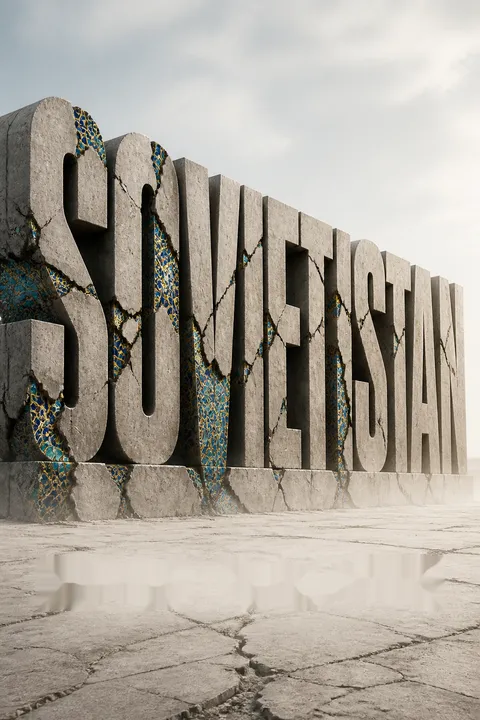
Sovietistan is a travelogue through five Central Asian countries, offering insights into their history, culture, and politics post-Soviet era. Readers appreciate Fatland's observant eye, humor, and balanced perspective, though some criticize her Western bias. The book is praised for its engaging writing and informative content, blending personal experiences with historical context. Some reviewers found it lacking depth or overly focused on negative aspects. Overall, it's recommended for those interested in learning about this lesser-known region, despite occasional translation errors and outdated information.
FAQ
1. What’s Sovietistan by Erika Fatland about?
- Travelogue of Five Countries: Sovietistan is a travel narrative exploring Turkmenistan, Kazakhstan, Tajikistan, Kyrgyzstan, and Uzbekistan, focusing on their transformation since the Soviet Union’s collapse.
- Blend of History and Culture: The book weaves together personal journeys, historical context, and cultural observations to reveal the complexities of Central Asia.
- Post-Soviet Realities: Fatland investigates how Soviet legacies continue to shape politics, society, and identity in these nations.
- Personal Encounters: Through vivid storytelling, the author shares encounters with locals, officials, and activists, offering a ground-level view of life in the region.
2. Why should I read Sovietistan by Erika Fatland?
- Rare Perspective: The book provides an in-depth, firsthand look at Central Asia, a region often overlooked or misunderstood in Western media.
- Comprehensive Coverage: Fatland covers a wide range of topics—history, politics, culture, and environment—giving readers a holistic understanding.
- Engaging Storytelling: The author’s personal anecdotes and vivid descriptions make complex issues accessible and compelling.
- Global Relevance: Understanding Central Asia’s dynamics is crucial due to its strategic location and influence from global powers like Russia and China.
3. What are the key themes and takeaways from Sovietistan by Erika Fatland?
- Soviet Legacy: The book highlights how Soviet policies shaped borders, identities, economies, and left lasting scars, such as environmental disasters and authoritarian governance.
- Authoritarianism and Personality Cults: Fatland details the persistence of autocratic rule and personality cults, especially in Turkmenistan and Kazakhstan.
- Cultural Survival: Despite decades of suppression, local languages, traditions, and identities endure and sometimes revive in surprising ways.
- Environmental and Social Challenges: The narrative exposes the human and ecological costs of Soviet-era projects, such as the Aral Sea disaster and nuclear testing.
4. What are the most notable quotes from Sovietistan by Erika Fatland and what do they mean?
- On Uncertainty: “Almost anything could happen there now, and only a brave or foolish man would predict its future.” — Highlights the unpredictability of post-Soviet Central Asia.
- On Power: “Power corrupts and absolute power corrupts absolutely.” — Illustrates the dangers of unchecked authority, especially under dictatorships.
- On Soviet Nostalgia: “Being Russian is not a nationality, it’s a mentality, a state of mind!” — Reflects the enduring psychological and cultural legacy of the Soviet Union.
- On Memory and Travel: “Memory is not linear, it is more like a diagram full of points – high points – and the rest is empty.” — Explains the allure of travel and the selective nature of memory.
5. How does Erika Fatland in Sovietistan explore the Soviet legacy’s impact on Central Asia?
- Borders and Identities: The Soviet Union drew arbitrary borders, creating new national identities and ongoing ethnic tensions.
- Economic and Social Systems: Soviet policies introduced collectivized agriculture, industrialization, and education, but also repression and environmental harm.
- Nostalgia and Ambivalence: Many locals express nostalgia for Soviet stability and social services, despite acknowledging its authoritarianism.
- Continuing Influence: Post-Soviet regimes often mimic Soviet-style authoritarianism, and Russia remains a dominant force in the region.
6. What historical events and periods does Sovietistan by Erika Fatland cover?
- Ancient Civilizations and Silk Road: The book explores the history of cities like Merv and Gonur Depe, and the region’s role in the Silk Road.
- The Great Game: Fatland details the 19th-century rivalry between Russia and Britain over Central Asia.
- Soviet Era Policies: Collectivization, forced sedentarization, mass deportations, and nuclear testing are examined for their lasting effects.
- Post-Soviet Transitions: The narrative covers civil wars, the rise of authoritarian regimes, and ongoing struggles for democracy.
7. How does Sovietistan by Erika Fatland portray political regimes and governance in Central Asia?
- Authoritarian Rule: The book details the cults of personality and repression under leaders like Turkmenbashi in Turkmenistan and Nazarbayev in Kazakhstan.
- State Control: Media, education, and religion are tightly controlled, with widespread surveillance and fear of dissent.
- Kyrgyzstan’s Exception: Kyrgyzstan is depicted as relatively more open, with peaceful presidential transitions compared to its neighbors.
- Succession and Power Struggles: Fatland discusses the challenges of leadership transitions and internal family conflicts in the region.
8. What does Sovietistan by Erika Fatland reveal about cultural traditions and daily life in Central Asia?
- Wedding and Marriage Customs: The book describes traditional ceremonies, including bride kidnapping (ala kachuu) in Kyrgyzstan, highlighting gender dynamics.
- Religious Practices: Fatland explores the diversity of Islam—Sunni, Shia (Ismaili), and state-controlled expressions—and the suppression of fundamentalism.
- Art and Heritage: The narrative showcases silk production in Uzbekistan and the preservation of avant-garde art in Nukus, reflecting cultural resilience.
- Traditional Sports and Customs: Horse sports like kokpar and eagle hunting are depicted as symbols of nomadic heritage and pride.
9. How does Sovietistan by Erika Fatland describe economic conditions and environmental challenges in Central Asia?
- Migrant Labor Dependence: Many countries rely heavily on remittances from citizens working in Russia, which are vital to their economies.
- Agricultural and Environmental Issues: The book highlights the Aral Sea disaster, cotton monoculture, soil salinization, and health problems.
- Wealth Disparity and Corruption: Fatland exposes the stark contrast between the wealth of ruling elites and the poverty of ordinary citizens.
- Resource Wealth and Poverty: Despite oil and mineral riches, many people live modestly, especially in rural areas.
10. What are some of the most memorable personal stories and characters in Sovietistan by Erika Fatland?
- Bride Kidnapping Victims: The stories of Mariam and Roza illustrate the trauma and social pressures of forced marriage.
- The Eagle Men: Traditional hunters in Kyrgyzstan who train golden eagles, preserving ancient nomadic practices.
- Igor Savitsky and Nukus Museum: The tale of an artist who saved banned Soviet avant-garde art, highlighting cultural preservation.
- Encounters with Locals: Fatland’s interactions with guides, drivers, and villagers provide insight into everyday life and the effects of authoritarianism.
11. How does Sovietistan by Erika Fatland address ethnic, social, and border conflicts in Central Asia?
- Kyrgyz-Uzbek Clashes: The book details violent ethnic riots in southern Kyrgyzstan and their long-term impact on interethnic relations.
- Soviet-Era Borders: Arbitrary borders have created enclaves and divided communities, complicating governance and identity.
- Clan and Family Dynamics: Traditional loyalties and social structures continue to influence politics and daily life.
- Assimilation and Minority Survival: The Yaghnobi people and other minorities struggle to preserve their languages and customs amid assimilation pressures.
12. What future prospects and challenges for Central Asia does Erika Fatland discuss in Sovietistan?
- Leadership Transitions: The uncertainty surrounding the aging “eternal presidents” and succession is a major concern.
- Environmental Sustainability: Ongoing issues like water disputes, environmental degradation, and the need for economic diversification are highlighted.
- Geopolitical Balancing: Central Asia’s position between Russia, China, and the West presents both risks and opportunities for development.
- Social and Economic Resilience: Despite challenges, the region’s people display remarkable adaptability and cultural endurance.
Download PDF
Download EPUB
.epub digital book format is ideal for reading ebooks on phones, tablets, and e-readers.








































