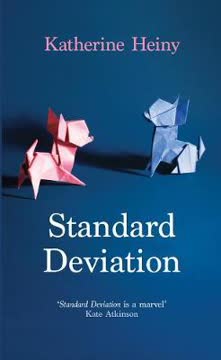
Plot Summary
Parallel Lives Diverging Paths
shape twelve years of second marriage, highlighting their estrangement through the mundane act of grocery shopping. Audra's relentless sociability contrasts with Graham's solitude, and their differences flavor every interaction. With Audra eternally absorbed in the tapestry of others' lives and Graham left adrift, the marriage feels like a collision of crowded warmth and empty rooms. Audra's quirks and lack of filter fascinate and frustrate Graham, emblematic of her "not quite" qualities—almost beautiful, never boring. Despite the chasm, their lives remain knotted together by shared routines, idiosyncratic conversations, and the endless river of people flowing through Audra's days. The chapter establishes a love that persists not in spite of their differences, but through the friction they create.
The Social Whirlpool
with friends—Lorelei, Bitsy, and many more—making their home a revolving door of guests, gossip, and grievances. Graham observes, sometimes wryly, sometimes fondly, how his wife's persona is built on bottomless empathy and a penchant for minor mischief. It's a world where risk, honesty, and connection abound, and where Graham feels simultaneously left out and reassured by Audra's cosmic orbit. Bitsy moves in temporarily, adding to the tumult, while Lorelei, Audra's confidante, inhabits every opinion. Graham notes the intricacies of being married to someone whose selfhood verges on public property. Yet beneath the surface, this whirlwind of activity reveals Audra's compulsive need to mend, meddle, and matter, prompting Graham to oscillate between bemusement, exasperation, gratitude, and longing for privacy.
Ex-Wives and Old Wounds
igniting a blend of nostalgia, tension, and awkward civility during an impromptu deli lunch. Elspeth's presence is a cold mirror to Audra's effervescence: precise, restrained, critical, and difficult to read. Both women are marked by their differences but, as Graham notes, are similarly "unrufflable"—Elspeth by ice, Audra by oblivion. Their worlds only tangentially overlap, with Audra intensely curious about Elspeth's secrets, including her happiness, sex life, and reasons for not remarrying. Graham, in turn, is left pondering the residue of old wounds, unresolved guilt, and the absurdity that sometimes sitting opposite an ex is its own victory. The encounter underscores the enduring messiness of love, loyalty, and loss.
Hospitality and Denial
of the couple's patience, empathy, and diplomacy. Ostensibly an act of kindness, hosting a recently betrayed friend soon triggers cycles of denial—Bitsy's reluctance to accept her husband's affair and Audra's relentless attempts to "prepare her" for the truth. Their dinner table becomes a stage where awkward truths are danced around and heartbreak is delayed by spaghetti twirling and strategic ignorance. Audra's interventions, though well-meaning, border on the intrusive, raising age-old questions about what we owe our friends, and when mercy trumps honesty. Graham wishes for clarity, but the reality remains mired in ambiguity, emotional labor, and the exasperating limits of help.
Matthew's Other World
Matthew, their quirky, sensitive son, becomes obsessed with origami, finding solace and belonging among the oddball "folders" of the Origami Club. The club—a pocket universe in itself—affords Matthew rare social fluency and independence, while leaving Graham and Audra feeling like superfluous translators. Meanwhile, ordinary events like Cub Scout parties become arenas where Audra "networks" on Matthew's behalf, trying to manufacture social acceptance and shield him from exclusion. The family's victories and setbacks hinge on Matthew's visible struggles with social cues and peculiar passions, casting parenthood as an endless series of small interventions, compromises, and heartbreaks. The chapter resonates with the deep ache and joy of loving a child who lives just outside the margins of "normal."
Love, Fear, and Origami
as both a comic diversion (the Jasper subplot) and a real anxiety in Graham and Audra's marriage. Graham obsessively investigates a mystery phone number, projecting his own fears and past infidelities onto Audra's harmless quirks. The "whodunit" of temptation and jealousy is played out with the gentle self-mockery of long marriage—one where secrets are more embarrassing than catastrophic. The emotional palette is subdued, colored by fear, hope, and the slow realization that mistrust—perhaps more than betrayal—can erode foundations. Against this backdrop, Matthew's mastery in origami becomes a totem, a source of validation for the family, and a way to stave off unbearable ambiguity with achievement, even as Graham and Audra struggle with their doubts and their love's limits.
Family Fractures Surface
Bitsy's belated confrontation with betrayal is both wrenching and anticlimactic, overlaid with guilt for Graham and Audra, who cannot help but feel complicit in her pain. Matthew's triumph—acceptance into the Origami Club—is immediately shadowed by the sadness of Bitsy's collapse, accentuating Graham's wish that adult happiness could be pure, unmixed with loss. Elspeth's story, now intertwined with a new lover and Graham's guilty wish for her happiness, illuminates how past and present loves continue to shape even "settled" lives. The chapter pulses with the realization that, as Graham sees, people are happiest only when feeling one thing at a time—a luxury denied in real adulthood.
Affairs: Nearly and Actually
peel back the psychology of temptation, regret, and marital boundaries. Audra's light, confessional approach to emotional missteps contrasts sharply with Graham's neurotic self-examination as he edges toward, then retreats from, rekindling romance with Elspeth. The book spends generous, comic time untangling the "should I, shouldn't I" drama, only to reveal that what holds people back is rarely principle so much as the inertia of familiarity and hidden tenderness. Both partners realize their marriage's strength isn't the absence of betrayal, but the presence of forgiving ordinariness, muted desire, and the willingness—however reluctant—to forgive and forget.
Friends, Neighbors, Strangers
as the couple's home becomes a refuge for an endless parade of misfits, grandparents, ex-doormen, and lonely acquaintances. Audra's charitable compulsion to invite everyone over foils Graham's yen for sanctuary, but gradually even he sees the importance—and cost—of human connection. The Thanksgiving disaster, in which a food-poisoned dinner party turns into an ER field trip for random neighbors and friends, becomes a tragicomic metaphor for the chaos of communal life and the limits of even the most loving hospitality. These bonds, for all their mess, are what knit the family, the city, and the novel's narrative together, offering laughs and poignant reminders of mutual dependence.
Unexpected Loss, Unexpected Growth
jolts the family from its routines, forcing Graham and Audra—and to some extent Matthew—into genuine grief and nostalgia. Elspeth's lonely accident is both tragic and antiseptic, another proof that sharply drawn boundaries and careful isolation are no protection against loss. Graham's journey through her empty apartment, and his decision to keep only a humble cutting board as a bequest, becomes an emblem of what endures after the dying away of resentment, passion, and ambition: daily kindness, shared history, and the desire for ongoing connection. The family's slow healing—unremarkable but profound—ushers in a gentler understanding of life's impermanence and the obligations of memory.
Parenting Beyond the Standard
especially as he approaches adolescence. The "standard deviation" isn't just a statistical term for diagnosis but a metaphor for the whole family's joyful, anxious, idiosyncratic path. Their memories and present experiences swirl with trials: tantrums, diagnostic appointments, endless negotiations with teachers, and efforts to protect Matthew from both his difference and the world's harshness. Parenting becomes, in the novel's telling, a process less of improvement than acceptance—even celebration—of what's "off-center." The couple's anxieties about genetics, second children, and the "contamination" of their family tree morph, slowly, into gratitude for their specific, unrepeatable son.
Letting Go and Holding On
As Matthew's friendship with Derek disintegrates and his fascination with origami wanes, Graham and Audra are thrust into the familiar territory of heartbreak by proxy, reliving their own adolescent wounds through their son's pain. Rebound friendships, parental interventions, and desperate attempts at "repair" highlight the limits of adult ability to shield or control a child's relational fate. Graham, with rueful humor, recognizes the cycle of hope, heartbreak, and recovery as never-ending—until, in a rare moment, he embraces "letting go" as an act of love, not resignation. The chapter's bittersweet warmth comes from acknowledging togetherness doesn't mean sameness, and neither art nor empathy can guarantee anyone's happiness.
Breakups, Makeups, Everyday Love
as relationships fracture and mend on every level: marital, parental, platonic. The turmoil around "clubbing" (origami, Cub Scouts, dinner parties) gives way to reassessment, weary wisdom, and a new appreciation for the ordinary. The family's circle shrinks and expands again; goodbyes to old friends and patterns create space for possibility and new routines. The mess and noise of daily life—broken appliances, peculiar neighbors, semi-permanent houseguests—replace melodrama with a subtler ache and pleasure. What survives are rituals, quirks, and the unobtrusive magic of ordinary meals, ordinary touches, and the choosing, again and again, to stay.
The Enduring Ordinary
Audra and Graham come to rest—together, though still on the borderlands of their own peculiar universes—in a marriage marked by affection, imperfection, and a palpable sense of fate. Their differences, once causes for complaint, become the furniture of their shared home, as familiar and essential as the kitchen cutting board inherited from Elspeth. Matthew grows, friendships dissolve, loves are mourned and celebrated, and the world continues—painful, ridiculous, beautiful, and forgiving. The novel's wisdom lies in its acceptance that everyone is a deviation from someone's standard, and that happiness is stitched from moments of understanding, forgiveness, and the enduring promise of a new, slightly improved, "ordinary" day.
Analysis
Standard Deviation is a wise, witty, and deeply humane exploration of the challenges and joys of marriage, parenthood, and community. Katherine Heiny's novel insists on the comic dignity of ordinary people grappling with extraordinary complexities: neurodiversity, infidelity, friendship, and aging. Through Graham's eyes, the chaotic whirl of Audra's energy, the trauma and resilience of raising a "standard deviation" child like Matthew, and the messy intersections between past and present love are rendered with warmth and irony. The book demonstrates that standard measures of happiness or success are as arbitrary as social rules for folding paper; true fulfillment lies in accepting, even reveling in, deviation from the norm. In this sense, every character—every family—is a beautiful outlier. The lessons are subtle but profound: love survives in the cracks between breakups and makeups, acceptance is often messier than achievement, and perfection is both unattainable and unnecessary. What endures is the enduring ordinary: shared meals, small kindnesses, and the daily reaffirmation that, for all our differences, we belong together.
Review Summary
Standard Deviation receives mostly enthusiastic praise, with readers frequently highlighting its humor, relatable characters, and warm emotional core. Graham's dry wit and Audra's unfiltered, larger-than-life personality are repeatedly cited as standout elements, with many noting genuine laugh-out-loud moments. The portrayal of raising a child with Asperger's is considered authentic and touching. Critics of the book point to its lack of plot and slow pacing as drawbacks, with some finding the characters unlikeable or one-dimensional. Overall, most readers found it a charming, funny, and quietly insightful debut.
People Also Read







Characters
Graham Cavanaugh
whose vantage point the novel inhabits. Graham is defined by his need for order, his wonder at chaos, and his vulnerability to guilt. Grounded in routine but drawn to the charms of mercurial women, he oscillates between self-effacement and secret longing for drama. His marriage to Audra is both a comfort and a puzzle—her exuberance disconcerts and consoles him. Graham's relationships with ex-wife Elspeth, his odd son Matthew, and their gallery of houseguests reveal a well-meaning but bumbling attempt to be good, to atone, to love better than before. Psychologically, he is marked by melancholic humor, latent regret, and the inarticulate wisdom that comes from quietly enduring heartbreak, disappointment, and the joys of the "standard deviation."
Audra Daltry
Audra is both the comic and emotional engine of the novel. Her boundless energy for people, stories, and gossip sometimes tips into chaos, leaving friends and family in her whirlwind. She's "unrufflable" by obliviousness, capable of enormous empathy, but also intolerant of ambiguity—she must always fix, explain, invite, or rescue. Her voice is a ceaseless background music in Graham's life. Audra believes in the redemptive power of social ties, extending hospitality even to strangers and the undeserving. She can be infuriatingly scattered, intrusive, and unfiltered, but her essential warmth and resilience hold her family and friends together. Her psychological complexity lies in her inability to be alone with herself—a liability, a strength, and a source of endless comic incident.
Matthew Cavanaugh
Matthew exists a little askew from childhood's standard mold. He struggles with social interactions, food textures, and the rules of friendship, but shines in his fierce devotion to origami and his deep, literal honesty. His special needs—possibly Asperger's, possibly just "Matthew-ness"—are both a challenge and a joy to his parents, whom he links in celebration and anxiety. Matthew's emotional arc is one of gradual competence, rare victories, and devastating setbacks (especially around friendship), experienced always with touching earnestness. He is the living, lovable "standard deviation" for whom the novel's title is a metaphor.
Elspeth Osbourne
Elspeth is the cold, clear counterweight to Audra's chaos. Psychoanalytically, she embodies the pleasures and dangers of propriety and emotional control. Her legacy in Graham's life is mixed: loss, guilt, nostalgia, but also—eventually—deep affection and intimacy without romance. Elspeth's adherence to standards (legal, moral, aesthetic) makes her difficult, but hints at hidden vulnerabilities. Her tragic, unceremonious death brings a final, sobering sense of perspective to Graham's life, reminding him of the value of what remains.
Lorelei
Lorelei's relationship with Audra is symbiotic, long-lasting, and deeply informative for Graham and the reader. She is practical and self-possessed, providing ballast to Audra's buoyancy. Lorelei's presence in every story, opinion, and major event reflects the emotional necessity of chosen family. Her eventual move away is treated as a small earthquake in Audra's world—a loss that echoes, in miniature, the greater losses and adjustments the novel highlights.
Bitsy
Bitsy symbolizes the perils of denial, heartbreak, and the limits of what friends and hosts can do. Her inability to confront her husband's infidelity, and her gentle, almost bovine patience with pain, contrast sharply with Audra's restlessness and Graham's inertia. She is less drawn than others, but occupies a significant emotional corner as an emblem of those who must learn to move on when kindness alone cannot save them.
Clayton Pierce
Clayton is the neurotic, complicated leader of Matthew's Origami Club. Both comic and slightly tragic, he embodies the fierce, sometimes ridiculous passions of harmless eccentrics while providing social refuge to the "outsiders." He also becomes a dark mirror to Graham's parenting: exemplifying both the pitfalls and the necessity of niche communities for those who don't fit the "standard."
Brenda and Derek Rottweiler
Brenda reveals parental limits on interference and Derek is a cautionary figure for Matthew: impulsive, charismatic, and eventually indifferent. Their arc crystallizes the pain of childhood friendship lost, and the inability of adult machinations to dictate who our children love, lose, or become.
Olivia
serves as comic relief and a foil. Her innocence and constant need for guidance reflect Graham's own desire to advise, fix, and matter—qualities he sometimes withholds from his family. Olivia's role highlights generational differences and gently satirizes the "adult novice," evoking compassion for those not yet jaded by heartbreak or responsibility.
Julio
Julio acts as both an outsider and a mirror for the family, momentarily folding himself into their routines and emotional weather. His genial adaptability and outsider perspective afford Graham and Audra glimpses of their own oddity, generosity, and need. Julio is both a comfort and an unsettling reminder that families are, essentially, ongoing works-in-progress.
Plot Devices
Point-of-View Satire and Irony
elevates everyday life into perpetual comedy, filtering events through Graham's self-deprecating, verbose interiority. The narrative voice invites (and rewards) reflection, employing satire as a mechanism to expose the absurdities of marriage, parenting, and modern urban life. This humorous self-awareness is not solely comic—it allows the novel to dissect pain and longing without sentimentality, alternating deadpan and tenderness.
The Double: Parallel Characters and Worlds
—Audra vs. Elspeth, Graham's two marriages, Matthew's normal vs. "special" friends, the houseguests who destabilize and reinforce family—provide ongoing narrative tension. This "standard deviation" trope isn't merely statistical; it's a metaphor for all human relationships: almost parallel, always diverging.
Eccentricity as Foil
(from origami to Cub Scouts, from Cub Scouts to geocaching, from scented candles to embroidery) function as both source of comedy and as stand-ins for deeper emotional truths. Each oddball pursuit or dinner disaster foregrounds unique needs and universal hungers—for belonging, for validation, for forgiveness.
Foreshadowing through Small Details
(a card, a frying pan, a phone number, home gadgets) often portend larger shifts—deaths, affairs, revelations. These objects keep the narrative taut, hinting at deeper fractures beneath the surface wit and routine.
Episodic Structure as Reflection of Life
of vignettes, each dramatizing a family, relational, or community crisis, but always returning to a recognizable equilibrium. This episodic rhythm mirrors the randomness and monotony, the chaos and beauty, of daily existence.








































