
Plot Summary
1. Origins of Light and Shadow
The world of the Enchanted Vale is born from cosmic conflict. Sira, a fae from the Above, steals a celestial rose and forges the Below, a realm of darkness and monsters. Aurelia, a fae of immense power, saves four roses and creates the Vale's five realms—Winter, Spring, Summer, Autumn, and the Queen's Realm—anchoring them with Castletree. Sira's envy and rage spark endless war, and her alliance with the godlike Baron of the Green Flame brings new threats. The Vale's history is a cycle of creation, betrayal, and the struggle between light and shadow, setting the stage for generations of conflict and the rise of heroes and monsters alike.
2. The Bargain's Price
Caspian, Sira's son, is sent to infiltrate the surface realms. He and Keldarion, Prince of Winter, form a deep bond, culminating in a fae bargain of everlasting love. The bargain's magic is perilous: if either betrays the other, the betrayer's new lover becomes a thrall to the wronged party. This love, both passionate and doomed, is manipulated by Sira, who seeks to control her son and the Vale. The bargain's terms become a curse, binding not just Caspian and Keldarion, but anyone who dares love them, and foreshadowing the tragic entanglements to come.
3. Cursed Princes, Fated Mate
After the war, the four high princes—Keldarion, Ezryn, Dayton, and Farron—are cursed for their failures, forced to become beasts by night and tied to enchanted roses. Castletree, once a beacon, is shrouded in thorns. Into this world stumbles Rosalina, a human searching for her missing father. She is soon revealed to be half-fae, daughter of the missing Queen Aurelia, and fated mate to all four princes—and Caspian. Her arrival rekindles hope, but also draws the attention of Sira and the dark powers below.
4. Thralldom in the Below
Rosalina becomes Caspian's thrall, her will bent by the magic of the bargain. In the Below, she is obsessed with the Prince of Thorns, her memories and desires warped. She clings to fleeting moments of affection, her identity eroding. Yet, fragments of her true self persist, surfacing in dreams and small acts of rebellion. The Below is a place of beauty and horror, where love is both weapon and chain, and Rosalina's struggle to remember herself becomes a battle for her soul.
5. Fractured Memories
Rosalina's mind is a battlefield. She forgets her name, her past, and even the sun, but small tokens—a ring, a stuffed lion, a book—anchor her. Her goblin companion, Heidigog, helps her piece together fragments of her identity. Memories of her wedding, her mates, and her mission flicker through the haze. The struggle to reclaim herself is painful, but each act of remembrance is an act of defiance against the magic binding her.
6. The Prince of Thorns
Caspian, consumed by the Green Flame and his mother's ambitions, is both captor and victim. His love for Rosalina is twisted by power and pain. As Rosalina's memories return, she risks everything to reach the man beneath the monster. Their intimacy is fraught, a dance of dominance and vulnerability, but it is Rosalina's compassion and stubborn love that begin to break Caspian's chains. The struggle between the Prince of Thorns and the boy he once was becomes the heart of the story.
7. Armies Gather, Loyalties Fray
Above and below, armies gather. Sira amasses monsters and traitors, promising them power. The princes and their allies scramble to repair the magical rose, the only hope of controlling Sira's creations. Old wounds and new betrayals threaten to tear them apart. Dayton, Farron, and Ezryn each face their own demons—guilt, addiction, and the fear of losing those they love. The fragile unity of the princes is tested as the Vale teeters on the brink of annihilation.
8. The Rose Reforged
George, Rosalina's father, and the princes succeed in reforging the lost rose, a weapon that could turn the tide. But Caspian, under Sira's influence, manipulates Dayton into delivering the rose to the Below. The hope of the realms is stolen in an instant, and the balance of power shifts. The princes are left reeling, forced to confront their failures and the cost of trusting those they love.
9. War at the Briar
Farron leads an assault on the Briar, determined to rescue Rosalina and reclaim the rose. The battle is a disaster. Caspian unleashes the full power of the Green Flame, raising the dead and turning Farron's own soldiers against him. Keldarion is captured, and the Autumn army is decimated. The cost of pride and haste is paid in blood, and the princes are left broken, their unity shattered.
10. Breaking the Green Flame
In the depths of the Below, Rosalina and her mates fight to reclaim Caspian from the Green Flame's grip. Through love, memory, and sacrifice, Caspian learns to tame the power within him, not by denying it, but by accepting all parts of himself. The princes, each donning the ancient armor of their ancestors, unite to face Sira, the Baron, and the unleashed horrors of the Below. The battle is fierce, but it is the bonds of love—between mates, family, and friends—that turn the tide.
11. The Queen's Sacrifice
Sira, cornered but still dangerous, uses the rose to control her armies and demands Aurelia strip Caspian of his fae magic, making him human and powerless. Aurelia, instead, turns the spell on herself, sacrificing her own magic and immortality to break Sira's hold. The cost is immense: Castletree, the source of all magic, begins to die, and the princes' powers fade. The era of fae is ending, and the world is forever changed.
12. Castletree's Fall
With Castletree dying, the magic of the Vale unravels. The princes lose their powers, and the castle collapses around them. In the chaos, George sacrifices himself to save Wrenley, dying in Rosalina's arms. The survivors are captured by Faustrius and the underfae, but, moved by Rosalina's compassion, he lets them go. Homeless, powerless, and grieving, the heroes flee the Vale, pursued by Sira's vengeance.
13. Loss, Grief, and Flight
The survivors—Rosalina, her mother and sister, the princes—escape to the human world, broken and hunted. The loss of Castletree, their magic, and George leaves them hollow. Each grieves in their own way: Anya is inconsolable, Wrenley is numb, and Rosalina is lost. Yet, even in exile, the bonds of love and family persist. The hope of return, of rebuilding, flickers in the darkness.
14. Sisters in the Human World
In Orca Cove, Rosalina finds Wrenley hiding in their childhood home, consumed by guilt and self-loathing. Their confrontation is raw and painful, but Rosalina refuses to give up on her sister. Through honesty and vulnerability, they begin to bridge the chasm between them. The wounds of the past are deep, but the possibility of forgiveness and belonging offers a path forward.
15. The Last Hope
As Sira claims the ruins of Castletree and the Vale's magic fades, the heroes regroup in the human world. Faustrius, disillusioned with Sira's tyranny, frees the prisoners but warns that the war is not over. The survivors, stripped of power but not hope, vow to fight on. The story ends with the promise that love, memory, and unity are stronger than any curse—and that the Golden Rose will rise again.
Analysis
A modern epic of trauma, healing, and the power of chosen familyStolen by Shadows is a sweeping fantasy that reimagines the classic "Beauty and the Beast" motif as a meditation on trauma, memory, and the redemptive power of love. The story's intricate world-building and layered history serve as a backdrop for deeply personal struggles: the battle to reclaim identity after abuse, the cost of bargains made in desperation, and the challenge of forging unity from brokenness. The narrative's greatest strength is its refusal to offer easy answers—love is not a panacea, and healing is neither linear nor complete. Instead, the book insists that hope is found in persistence, vulnerability, and the willingness to fight for one another even when all seems lost. The fall of Castletree and the loss of magic are not just plot twists, but metaphors for the end of innocence and the necessity of rebuilding from ruin. In the end, the story is a call to resist despair, to honor the past without being bound by it, and to believe that even in exile, the seeds of a new world can be sown.
Characters
Rosalina O'Connell
Rosalina is the daughter of Queen Aurelia and George, a bridge between the human and fae worlds. Initially lost and searching for her father, she becomes the fated mate of all four princes and Caspian. Her journey is one of self-discovery, resilience, and compassion. She is both victim and savior, enduring thralldom, memory loss, and heartbreak, yet always fighting to reclaim herself and those she loves. Her greatest strength is her refusal to give up on anyone—not even her enemies. Through her, the story explores the power of love to heal, transform, and resist even the darkest magic.
Caspian (Prince of Thorns)
Caspian is the son of Sira and the Baron, raised in the Below and burdened by a legacy of power and pain. He is both manipulator and manipulated, desperate for belonging but terrified of losing control. His love for Keldarion and Rosalina is genuine but twisted by bargains and curses. The Green Flame threatens to consume him, but through the devotion of his mates, he learns to accept all parts of himself. Caspian's arc is one of redemption, as he moves from villain to hero, ultimately sacrificing his own power to save the Vale.
Keldarion (High Prince of Winter)
Keldarion is the Sworn Protector of the Realms, shaped by loss, duty, and a fierce love for his mates. He is stoic, proud, and often tormented by guilt over past failures—especially his inability to save Caspian and his mother. His relationship with Caspian is central, defined by longing, betrayal, and an unbreakable bond. Keldarion's journey is about learning to trust, to forgive, and to lead not just with strength, but with vulnerability and love.
Ezryn (High Prince of Spring)
Ezryn is a brilliant tactician and a man haunted by the accidental death of his mother. His curse and subsequent banishment leave him adrift, but Rosalina's arrival gives him purpose. He is fiercely loyal, analytical, and struggles with the burden of leadership. Ezryn's arc is about forgiveness—of himself and others—and the realization that true strength lies in community and compassion.
Daytonales (High Prince of Summer)
Dayton is the third son who never expected to rule. He masks his pain with bravado and humor, but the loss of his family and the trauma of resurrection by the Green Flame leave deep scars. His love for Farron and Rosalina grounds him, and his journey is one of accepting responsibility, embracing vulnerability, and finding the courage to fight for a future worth living.
Farron (High Prince of Autumn)
Farron is the most introspective of the princes, burdened by guilt and the fear of losing those he loves. His relationship with Dayton is tender and complex, and his bond with Rosalina is a source of healing. Farron's arc is about learning to let go—of control, of the past, and of the belief that he must bear every burden alone. His acceptance of the Green Flame and eventual release of it is a metaphor for embracing both light and shadow within.
Queen Aurelia / Anya O'Connell
Aurelia is the legendary queen who shaped the Vale, now living as Anya in the human world. Her disappearance and captivity are the catalyst for much of the story's conflict. She is wise, powerful, and deeply flawed—her bargains and sacrifices have unintended consequences. In the end, she gives up her magic and immortality to save her children and the world she loves, embodying the theme that true power lies in selfless love.
Sira (Queen of the Below)
Sira is both villain and tragic figure, driven by envy, loneliness, and the desire to create. Her bargains and manipulations set the story's tragedies in motion. She is a master of control, but her inability to accept love or vulnerability is her undoing. Sira's relationship with Caspian is fraught, a mirror of the story's central question: can love survive the wounds of the past?
George O'Connell
George is an archaeologist obsessed with finding his lost wife, Anya. His absence shapes Rosalina's childhood, but his journey is one of atonement and reconciliation. He is brave, resourceful, and ultimately gives his life to save Wrenley, proving that love can redeem even the deepest regrets.
Wrenley (The Nightingale)
Wrenley is the daughter of Aurelia and George, raised by Sira and forced into violence. She is fierce, wounded, and desperate for family, yet terrified of being loved. Her relationship with Rosalina is fraught with jealousy and pain, but through honesty and persistence, the sisters begin to heal. Wrenley's arc is about learning to accept love and to forgive herself.
Plot Devices
Fae Bargains and Curses
The narrative is structured around bargains—magical contracts that bind characters to each other and to fate. The central bargain between Caspian and Keldarion is both a love story and a curse, its terms shaping the destinies of all involved. Curses, too, are both punishment and opportunity, forcing characters to confront their flaws and seek redemption. The story uses these devices to explore the tension between free will and destiny, and the price of power.
Memory and Identity
Memory is both weapon and shield. Rosalina's struggle to remember herself is mirrored by the Vale's loss of history and the theft of joy by Sira. The recovery of memory—through tokens, dreams, and acts of love—is essential to reclaiming agency and hope. The story uses memory as a plot device to show that identity is not fixed, but forged in the crucible of experience and connection.
The Rose and the Source of Magic
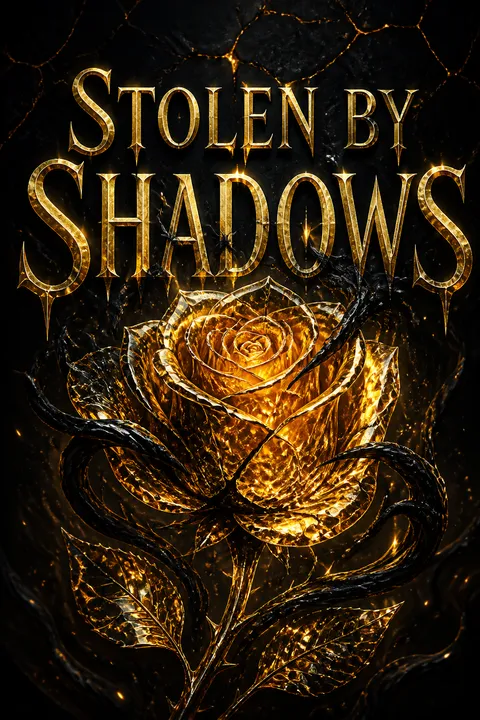
The magical rose, stolen, reforged, and fought over, is the key to controlling Sira's monsters and the fate of the Vale. It is both a literal weapon and a symbol of hope, unity, and the fragility of power. The destruction and rescue of the rose drive the plot, while its deeper meaning—as the last remnant of the Above and the source of all magic—anchors the story's themes.
Multiple POVs and Interwoven Narratives
The story is told through the eyes of many characters—Rosalina, Caspian, the princes, Sira, and others—allowing for a rich tapestry of emotion and motivation. This structure deepens the reader's understanding of each character's wounds and desires, and highlights the interconnectedness of their fates. The shifting perspectives also allow for foreshadowing, dramatic irony, and the gradual revelation of secrets.
Love as Resistance
At its core, the story is about the power of love—not just romantic, but familial and platonic—to resist darkness, heal wounds, and break curses. Love is both the source of the characters' greatest pain and their only hope for salvation. The narrative structure, with its cycles of betrayal and forgiveness, loss and reunion, uses love as the ultimate plot device: the force that can change fate itself.








































