
Plot Summary
Blood and Vows
Francesca stands paralyzed as Maxim, her lover and a ruthless mob boss, proposes marriage over the mutilated body of his uncle. The room reeks of blood and finality, and Maxim's command for her to leave is a test of loyalty. She cannot move, bound by a promise forged in blood and symbolized by a ring. Maxim's true nature—violent, dangerous, and unyielding—stands revealed, and Francesca must decide if she can accept the man behind the brutality. The moment is a crucible: marriage, corruption, and surrender intertwine, setting the tone for a relationship defined by power, trauma, and the desperate need for connection in a world ruled by violence.
Aftermath of Violence
Maxim and his ally Milton methodically dismember and dispose of Sevastyn's body, while Francesca, in shock, helps clean the blood. The act is both horrifying and intimate, binding her further to Maxim's world. Milton raises doubts about the true culprit behind Maxim's troubles, hinting at deeper betrayals. Francesca's numbness is pierced only by Maxim's presence, who becomes her anchor amid chaos. The aftermath is not just physical but psychological, as Francesca grapples with her own capacity for darkness and the realization that survival in Maxim's world demands complicity and resilience.
Shelter in Shadows
Maxim relocates Francesca to a new, secretive penthouse, symbolizing both protection and captivity. The suite is meticulously prepared, blending their lives and possessions, but the shadow of violence lingers. Maxim's scars—physical and emotional—are laid bare, and their intimacy is charged with both lust and pain. The boundaries between safety and danger blur, as Francesca finds herself drawn to Maxim's volatility. Their relationship deepens through shared trauma, and the new home becomes a crucible for testing trust, control, and the possibility of healing.
Marriage as Protection
Maxim insists on a swift marriage, framing it as a transaction for Francesca's protection against his vengeful family. The wedding is not about love but survival, a public claim to shield her from harm. Francesca is overwhelmed by the pace and the implications—her family's safety, her own autonomy, and the reality of becoming a Koslov. Maxim's world is one where names are power, and marriage is both a shield and a chain. The looming ceremony forces Francesca to confront her fears, her desires, and the cost of surrendering to Maxim's control.
Dress Fittings and Doubts
Francesca is swept into the machinery of Maxim's world, sent for a wedding dress fitting that is more about his preferences than hers. The gown, a symbol of their impending union, feels like a costume for a role she's not sure she wants. Lucius, Maxim's loyal aide, offers advice about honesty and trust, warning against self-deception. Francesca's doubts intensify as she realizes how little control she has over her own life, and how much of her identity is being subsumed by Maxim's needs and the demands of survival in his violent world.
Family Ties and Threats
Francesca's family is targeted in a violent attack, shattering any illusion of safety. Maxim's enemies send a chilling message—a symbolic "red ending"—marking Francesca for death. The threat is not just to her but to everyone she loves, and Maxim's power is revealed to be both formidable and limited. The attack exposes the fragility of their security and the ruthlessness of Maxim's family. Francesca is forced to confront the reality that her relationship with Maxim puts her family in constant danger, and that love in this world is inseparable from violence and sacrifice.
The Red Ending
The delivery of the red cloth, a death sentence from Maxim's grandfather Anatoli, upends all plans for marriage and protection. Maxim is forced to admit that his name can no longer shield Francesca; the family will never accept her, and the ring is rendered meaningless. The power dynamics shift—Francesca demands agency and choice, refusing to be a pawn. Maxim's rage and helplessness boil over, but Francesca's insistence on partnership and honesty marks a turning point. The red ending is both a literal threat and a metaphor for the cost of loving a man like Maxim.
Choices and Chains
In the aftermath of betrayal and fear, Francesca and Maxim renegotiate the terms of their relationship. Pain and pleasure become currencies for trust and control. Maxim's need for release is matched by Francesca's willingness to endure, and their intimacy becomes a battleground for dominance and vulnerability. The chains—literal and figurative—bind them together, but also offer a path to mutual understanding. Through pain, they find clarity, and through surrender, they reclaim agency. The balance of power is ever-shifting, but the willingness to choose each other, again and again, becomes their salvation.
Seeking Clarity
Maxim and Francesca embark on a journey to find answers—about the threats against them, the true enemies, and the nature of their bond. They seek out allies and confront old wounds, including Maxim's estranged brother Vadim. The search for clarity is fraught with danger and deception, as every revelation brings new risks. Francesca's insistence on honesty and partnership challenges Maxim's instincts for control, and together they navigate a world where trust is rare and betrayal is commonplace. The quest for truth becomes a test of their commitment and their capacity to survive together.
The Wolf and the Cage
Francesca and Maxim's relationship is likened to a wolf and a hunter—wildness and captivity, trust and fear. Francesca's family becomes both a source of strength and vulnerability, as she struggles to balance her devotion to them with her love for Maxim. The new home, a symbol of hope, is also a reminder of the dangers that lurk outside. Maxim's efforts to provide normalcy are haunted by his own trauma and the ever-present threat of violence. The cage is both protection and prison, and the only escape is through mutual trust and acceptance of their flawed, damaged selves.
A Taste of Normalcy
Maxim attempts to give Francesca and her family a taste of normal life—amusement parks, family meals, and moments of joy. The effort is both touching and tragic, as the specter of danger never fully recedes. Francesca's siblings struggle to adjust, and old wounds resurface. Maxim's attempts at domesticity reveal his longing for connection and his fear of losing control. The fragile peace is constantly threatened by external enemies and internal demons, but the moments of happiness offer a glimpse of what could be, if only they can hold onto it.
The Price of Peace
The quest for peace requires alliances with dangerous men—Milton, Vadim, and others with their own agendas. Maxim is forced to confront his past, his family, and the limits of his power. Francesca becomes a bargaining chip, her safety and autonomy negotiated in backroom deals. The price of peace is steep—sacrifices must be made, and trust is a rare commodity. The lines between friend and foe blur, and every choice carries the risk of betrayal. In the end, survival depends on the willingness to surrender pride, embrace vulnerability, and fight for each other.
Brothers and Betrayals
Maxim's relationship with his brother Vadim is revealed to be a source of deep pain and unresolved conflict. Their shared history is marked by violence, jealousy, and the scars of abuse. Vadim's return forces Maxim to confront the parts of himself he would rather forget, and Francesca becomes both witness and participant in their struggle. The betrayals of the past threaten to destroy any hope for the future, but the possibility of reconciliation—however fraught—offers a glimmer of redemption. The bonds of blood are both curse and salvation, and the choice to forgive is as dangerous as the choice to fight.
Surrender and Survival
As threats escalate and loyalties are tested, Francesca and Maxim are forced to surrender old patterns of control and embrace the uncertainty of survival. The violence of their world demands constant vigilance, but the intimacy they share becomes a refuge. Surrender is not defeat, but a conscious choice to trust, to love, and to endure. Survival is not just about outlasting enemies, but about finding meaning and connection in the midst of chaos. Together, they learn that true strength lies in vulnerability, and that the willingness to surrender is the ultimate act of courage.
Building a Home
With the immediate threats diminished, Maxim and Francesca focus on building a home—a place of safety, stability, and belonging for themselves and Francesca's family. The process is fraught with challenges, as old fears and new responsibilities collide. Maxim's efforts to provide normalcy are both endearing and awkward, revealing his deep desire for acceptance and his struggle to overcome his past. Francesca's role as caretaker expands, and together they negotiate the boundaries of family, love, and autonomy. The home becomes a symbol of hope, a testament to their resilience and their commitment to forging a new life together.
The Final Game
The last obstacles to peace are confronted—Anatoli's power is broken, alliances are tested, and the final game is played. Maxim surrenders his name, breaking free from the legacy of violence and control. Francesca stands by his side, not as a pawn but as a partner. The victory is hard-won, and the cost is high, but the possibility of a future together is finally within reach. The final game is not about domination, but about the willingness to risk everything for love, trust, and the hope of redemption.
Breaking the Leash
Maxim's renunciation of the Koslov name is both a personal and political act, severing the last ties to his grandfather's control. The gesture is a declaration of independence, a promise to Francesca that their future will not be defined by the sins of the past. The new home, the new name, and the new family are all acts of creation—building something lasting from the ruins of trauma and violence. The leash is broken, but the scars remain, a reminder of the cost of freedom and the power of love to heal even the deepest wounds.
The Last Trade
In the aftermath of survival, Francesca and Maxim negotiate the terms of their partnership—trust, honesty, and mutual respect. The final trade is not about power or pain, but about the willingness to be vulnerable, to share burdens, and to build a life together. The wedding is not just a ceremony, but a symbol of their hard-won peace. The promise of tomorrow is fragile, but real, and the willingness to fight for it—together—is the ultimate act of surrender and love.
Analysis
Lana Sky's Surrender is a dark, psychological romance that interrogates the boundaries between love and violence, power and vulnerability, captivity and freedom. At its core, the novel is a meditation on trauma—how it shapes identity, relationships, and the possibility of healing. Through the fraught, often brutal relationship between Francesca and Maxim, Sky explores the ways in which survival demands both surrender and resistance. The story refuses easy answers, instead embracing the complexity of human desire, the allure of control, and the necessity of trust. The motif of the game—Russian Roulette, chess, negotiation—serves as a powerful metaphor for the unpredictability of life and the risks inherent in intimacy. The narrative's use of symbolism—red as both omen and promise, the wedding dress as a fusion of innocence and experience—underscores the tension between hope and despair. Ultimately, Surrender is a story about the courage to choose love in a world defined by pain, the willingness to fight for a future beyond the scars of the past, and the transformative power of vulnerability. The lesson is clear: true strength lies not in domination, but in the willingness to surrender—to another, to oneself, and to the possibility of redemption.
Review Summary
Surrender concludes the Club XXX trilogy, focusing on Maxim and Frankie's complex relationship. Readers praised the character development, emotional depth, and satisfying ending. The book explores themes of trust, family, and overcoming dark pasts. Many found it less violent than previous installments, with a hopeful tone. Some criticized Frankie's indecisiveness and pacing issues. New characters were introduced, generating interest in future stories. Overall, fans of dark romance appreciated the series' conclusion, finding it intense, captivating, and emotionally rewarding.
Characters
Francesca Marconi
Francesca is the emotional core of the story—a woman shaped by trauma, poverty, and the burden of caring for her siblings. Her relationship with Maxim is both a lifeline and a crucible, forcing her to confront her own darkness and capacity for resilience. Francesca's journey is one of self-discovery, as she learns to negotiate power, pain, and agency in a world that seeks to consume her. Her love for Maxim is complicated by fear, desire, and the ever-present threat of violence, but her insistence on honesty and partnership becomes the foundation for their survival. Francesca's development is marked by her refusal to be a pawn, her willingness to fight for her family, and her capacity to find hope and meaning amid chaos.
Maxim Koslov
Maxim is a study in contradictions—a ruthless mob boss haunted by the scars of abuse, a man who wields power with brutal efficiency but longs for connection and peace. His relationship with Francesca is both a test and a salvation, forcing him to confront the legacy of violence that defines his family. Maxim's psychological complexity is revealed through his struggle for control, his fear of vulnerability, and his desperate need for love and acceptance. His journey is one of breaking free from the chains of his past, learning to trust, and embracing the possibility of a future not defined by blood and pain. Maxim's development is marked by moments of terrifying rage, unexpected tenderness, and the ultimate act of surrender—renouncing his name for the woman he loves.
Milton Hood
Milton is Maxim's oldest ally and the voice of reason amid chaos. His role as fixer, confidant, and sometimes therapist is crucial to Maxim's survival. Milton's own past is marked by trauma and resilience, and his loyalty is both a strength and a source of conflict. He serves as a bridge between Maxim and the outside world, negotiating alliances and offering counsel. Milton's relationship with Vadim and Francesca is complex, shaped by shared history and the demands of survival. His development is marked by his willingness to challenge Maxim, his commitment to peace, and his own search for meaning and connection.
Vadim Gorgoshev (Dima)
Vadim is Maxim's estranged half-brother, a survivor of abuse and a master of manipulation. His presence is both a threat and a catalyst, forcing Maxim and Francesca to confront the darkest parts of themselves. Vadim's psychological complexity is revealed through his games, his need for acknowledgment, and his struggle to find belonging. He is both victim and perpetrator, haunted by the past and driven by a desire to break free from the family's legacy. Vadim's development is marked by moments of cruelty, vulnerability, and the possibility of redemption through connection and understanding.
Lucius
Lucius is Maxim's right hand, responsible for logistics, security, and the well-being of Francesca and her family. His calm demeanor and quiet wisdom provide stability amid chaos. Lucius's loyalty is unwavering, but he is not blind to Maxim's flaws or the dangers of their world. He serves as a mentor to Francesca, offering guidance and support. Lucius's development is marked by his commitment to duty, his capacity for empathy, and his role as a bridge between violence and normalcy.
Anatoli Koslov
Anatoli is the shadow looming over Maxim's life—a ruthless patriarch whose power is built on violence, control, and the destruction of those closest to him. His relationship with Maxim is defined by cruelty, manipulation, and the demand for absolute loyalty. Anatoli's psychological makeup is that of a man who fears irrelevance and clings to power at any cost. His eventual downfall is both a victory and a source of lingering pain for Maxim, as the scars of his abuse remain long after his influence has waned.
Francesca's Siblings (Daisy, Mikie, Ainsley, Eric, Ray, Ollie)
Francesca's siblings are both her greatest vulnerability and her source of strength. Each child represents a facet of her past and her hopes for the future. Their presence forces Maxim to confront his own capacity for care and the possibility of redemption. The siblings' struggles with trauma, adaptation, and the search for stability mirror Francesca's own journey. Their development is marked by moments of joy, fear, and resilience, and their well-being becomes the ultimate test of Francesca and Maxim's ability to build a life beyond violence.
Sevastyn
Sevastyn is Maxim's uncle and a symbol of the family's corruption and brutality. His abuse of Francesca and others is the spark that ignites the central conflict, forcing Maxim to confront the legacy of violence that defines his world. Sevastyn's death is both an act of justice and a source of trauma, binding Francesca and Maxim together in complicity and survival.
Tomas
Tomas is a member of Maxim's security team, responsible for the safety of Francesca and her family. His presence is a reminder of the constant danger that surrounds them, and his loyalty is both a comfort and a constraint. Tomas's role is largely functional, but his actions reveal the complexities of serving a master whose demands are often at odds with morality and compassion.
The Twins (Ray and Ollie)
The twins embody the chaos and innocence of childhood, serving as both comic relief and a reminder of what is at stake. Their presence forces Francesca and Maxim to confront the realities of family, responsibility, and the hope for a future free from violence.
Plot Devices
Trauma as Bond and Barrier
The narrative is structured around the interplay of trauma—personal, familial, and generational. Francesca and Maxim are both survivors, and their relationship is forged in the crucible of violence and pain. Trauma serves as both a bond, creating intimacy and understanding, and a barrier, fueling fear, mistrust, and the struggle for control. The story uses flashbacks, confessions, and physical scars as symbols of the past's enduring influence, and healing is depicted as a process of mutual surrender and acceptance.
Power Dynamics and Consent
The story is driven by shifting power dynamics—between lovers, family members, and rivals. Consent is a recurring theme, explored through the lens of BDSM, marriage, and the negotiation of boundaries. The narrative structure alternates between moments of dominance and vulnerability, with each character forced to confront their own desires, fears, and limits. The use of contracts, rings, and rituals underscores the tension between autonomy and submission.
Foreshadowing and Symbolism
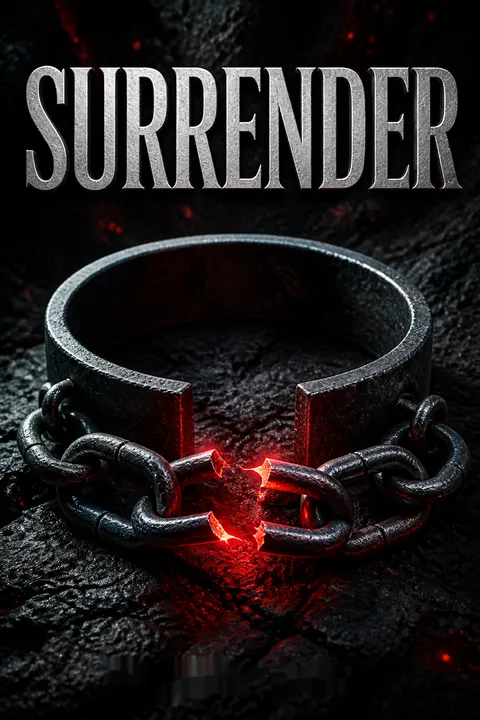
The color red recurs throughout the narrative as a symbol of violence, danger, and transformation. The "red ending" foreshadows betrayal and the cost of survival, while the wedding dress—blending white and red—embodies the fusion of innocence and experience, hope and bloodshed. Objects such as rings, chains, and scars serve as tangible reminders of the characters' journeys and the stakes of their choices.
The Game as Metaphor
The motif of games—Russian Roulette, chess, and negotiation—structures the plot and the characters' interactions. Every choice is a gamble, every alliance a risk. The narrative is punctuated by moments of high-stakes decision-making, where survival depends on the willingness to surrender, to trust, and to fight for what matters most. The game is both a metaphor for the unpredictability of life and a literal framework for the characters' struggles.
Duality and Transformation
The story is built on dualities—love and violence, captivity and freedom, past and future. Characters are constantly transforming, shedding old identities and forging new ones. The breaking of the Koslov name is both a personal and political act, symbolizing the possibility of redemption and the hope for a life beyond trauma. The narrative structure mirrors this process, moving from darkness to light, from isolation to connection.
Download PDF
Download EPUB
.epub digital book format is ideal for reading ebooks on phones, tablets, and e-readers.








































