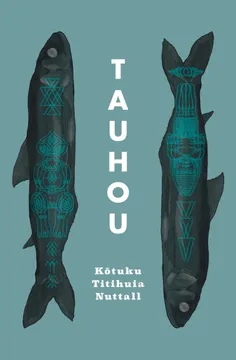
Key Takeaways
1. Two islands, one shared ocean of Indigenous connection
Creator throws them into the ocean, Mother and Daughter, to become islands.
Trans-Pacific solidarity. The novel collapses the geographical distance between Aotearoa (New Zealand) and Vancouver Island (Canada), uniting the Māori and W̱SÁNEĆ peoples. By treating these distinct lands as adjacent spaces, the narrative highlights a shared colonial struggle and an enduring spiritual kinship.
The fluid highway. Water is not a barrier but a connective tissue that carries stories, ancestors, and shared histories across the Pacific. The characters navigate these waters, finding that their struggles with displacement and identity are mirrored on both sides of the ocean.
- The ocean serves as a repository of memory and ancestral journeys.
- Floating suburbs replace traditional canoes, showing modern adaptation to displacement.
- The mythical crossing in "Motu" proves an ancient, pre-colonial connection between the two cultures.
A covenant of care. This geographical blending emphasizes that Indigenous identity is deeply tied to a reciprocal relationship with the land and sea. When this relationship is honored, the artificial boundaries imposed by colonization begin to dissolve.
2. The heavy, lingering shadow of intergenerational trauma
It feels validating to have an external force to directly attribute her unqualified trauma to.
The weight of history. The characters carry the invisible but deeply felt scars of residential schools, domestic abuse, and systemic violence. This trauma is not a relic of the past; it actively shapes the mental health, relationships, and self-worth of the living descendants.
Unspoken family secrets. Many stories of pain are left unwritten or hidden in moving boxes, yet they manifest as physical ailments, anxiety, and relational friction. The narrative explores how silence can be both a protective shield and a compounding burden for subsequent generations.
- The grandfather's self-immolation stands as a haunting symbol of internalized pain.
- Residential schools are described as "ungodly machines" that systematically stripped children of their language and safety.
- Domestic abuse is passed down silently, leaving children unable to breathe under the weight of paternal anger.
Breaking the cycle. By acknowledging these painful histories, the characters attempt to process their grief rather than let it consume them. The act of storytelling, even when painful, becomes a necessary step toward collective survival.
3. Environmental degradation as a mirror of colonial violence
Knives were sharpened to cut the animals open, only to find their stomachs lined with concrete dust.
Scorched earth policies. The physical landscape is systematically scarred by industrialization, quarries, and concrete factories that dump waste into sacred waters. This environmental destruction directly mirrors the spiritual and physical displacement of the Indigenous populations.
The loss of abundance. Lands that once provided an abundance of game, clean water, and sacred spaces are converted into private golf courses and industrial zones. The characters are forced to witness the slow poisoning of their ancestral home, where even the wildlife carries the toxic residue of progress.
- Sacred village sites are replaced by concrete foundations and invasive weeds.
- Submarine apartments flood, showing the failure of cheap, high-density housing solutions for displaced people.
- The pristine blue waters of the inlet are choked by factory runoff and smog.
Resisting erasure. Despite the concrete and pollution, the land retains its sacred memory, and the characters continue to seek out pockets of wild growth. This persistence is a quiet form of resistance against the totalizing force of colonial development.
4. Reclaiming identity and lineage through the sacred art of moko
She sees the thousand different women who made her, clenched between the tattoo’s teeth in ink and blood.
Inscribing the past. Tattooing serves as a powerful physical reclamation of identity, lineage, and bodily autonomy. Whether through modern machine tattooing or traditional handpoke and skin-stitching, the characters use ink to anchor themselves to their ancestors.
A painful reclamation. The physical pain of the needle is embraced as a transformative process that releases stored trauma and marks a return to cultural roots. It is a deliberate choice to wear one's history on the skin, visible to a world that tried to erase it.
- Miro seeks the monotonous hum of the tattoo gun to find stillness and cope with loneliness.
- Hīnau chooses traditional skin-stitching from Camas to honor the grandmother who was denied her marks.
- The organic, uneven lines of hand-tapped tattoos follow the natural contours of the bone, symbolizing a deep connection to the earth.
Sovereignty over the body. By reclaiming these markings, the characters assert their place in a continuous lineage of women who survived. The ink becomes a protective armor and a celebration of enduring Indigenous beauty.
5. The healing power of returning to ancestral lands and waters
Only a few decades ago, we would have been stuck here, in the old reserve behind this spot.
Sacred homecomings. Returning to ancestral village sites, even those ruined by time and policy, offers a profound sense of grounding and connection. For cousins Hīnau and Salal, visiting their grandmother's winter village is an emotional bridge to a history they were denied.
The presence of ancestors. These lands are not empty ruins; they are alive with the spirits, songs, and memories of those who came before. Walking barefoot on the sand and touching the blanched cedar poles allows the characters to feel less lonely in their modern displacement.
- The ruins of the big house still echo with the watery timbre of drums and ancestral laughter.
- Ancient petroglyphs of wolves and fish carved into stone cliffs offer a tangible link to three thousand years of history.
- The simple act of taking off shoes and wading into cold lake water acts as a spiritual cleansing.
Navigating betrayal. While returning home brings peace, it also carries a sense of betrayal for those who must live divided lives between modern cities and ancestral reserves. Healing requires accepting this complexity and carrying the land within oneself.
6. Maternal lineages as the ultimate anchor against drowning
A woman is an island. A woman is the only thing between me and drowning.
The maternal shield. Throughout the novel, mothers, grandmothers, and aunts serve as the primary protectors and keepers of cultural memory. They are the anchors that prevent their children from drowning in the turbulent waters of colonial assimilation and personal despair.
Intergenerational sisterhood. The bond between women—whether sisters, cousins, or mothers—transcends physical distance and time. They share the quiet burdens of domestic life, the pain of loss, and the joy of reclaiming their heritage together.
- Mahuika's mother makes the difficult decision to leave the bay to save her children from poverty and sickness.
- Salal and Hīnau find sisterhood in their shared grief and the discovery of their grandmother's photograph.
- Arbutus works tirelessly to buy art supplies for her daughter Cedar, nurturing her creative spirit in dark times.
The ultimate sanctuary. In a world marked by paternal violence and systemic neglect, the maternal lineage offers a safe harbor. To be held by a mother or grandmother is to be saved from the depths of historical erasure.
7. The fluid boundary between the living, the dead, and the spirit world
You must have some secrets, if you’re able to see the dead.
The presence of spirits. The spirit world is not a distant realm but an active, visible layer of daily life. Characters with "the sight," like Mahuika, witness the ghosts of ancestors and historical tragedies unfolding in real-time on the shores of the living.
Time as a circle. Past, present, and future coexist simultaneously, allowing characters to interact with ancestral spirits who offer guidance, warnings, and comfort. This fluid understanding of time challenges the linear, colonial narrative of progress and erasure.
- Mahuika sees a glowing blue ghost ship carrying ancestors fleeing the burning of their fortified pā.
- The ghost of a deceased father appears to offer a final, laughing farewell to his daughter.
- Nīkau's deceased aunt speaks to her from the spiritual realm, warning her about the superficiality of colonial interest.
Spiritual accountability. Living with the dead requires a deep sense of responsibility and the performance of proper rituals, such as karakia (prayers). It reminds the living that they are never truly alone and that their actions are witnessed by a cloud of witnesses.
8. Reconnecting with the earth through traditional harvesting and food
Each no-dig hāngi we make in the oven with cabbage leaves sutures a different part of me back together.
Nourishment as medicine. Reclaiming traditional food systems—such as harvesting nettles, salmon, huckleberries, and native ferns—is a vital act of self-care and healing. Preparing and sharing these foods allows the characters to physically ingest the strength of their ancestors.
Suturing the self. The deliberate act of gathering food from the earth counters the toxic habits of modern consumerism and the trauma of food insecurity. It transforms the simple act of eating into a sacred ceremony of survival and mutual care.
- Teething babies on dried, smoky salmon connects them to the river from their very first breath.
- Harvesting bright red huckleberries in the forest provides a joyful escape from the dark, heavy atmosphere of the carving house.
- Soaking fragrant tarata blossoms in gin or making tea from wild nettles serves as both physical and spiritual medicine.
A hand of abundance. By learning the names and uses of native plants, the characters cultivate a deep intimacy with the natural world. This knowledge is a powerful reminder that the earth still provides, even when political structures fail.
9. Spiritual transformation and the ultimate return to wholeness
we are falling as water in divine form to wake on the earth with the flood receding
The path of the Transformer. The novel culminates in a powerful, mythical merging of the self with the ancestor, the land, and the creator. By climbing the sacred mountain and confronting the Thunderbird, the narrator transcends individual trauma to achieve collective healing.
Becoming the elements. True wholeness is found not in escaping the painful past, but in dissolving into the natural world. By transforming into rain, the characters wash away the concrete dust, the fires of the residential schools, and the generational hurts.
- The narrator merges with her grandmother's spirit, experiencing her pain and resilience simultaneously.
- The encounter with Thunderbird on the mountain peak represents a confrontation with raw, primordial power.
- Falling to the earth as rain symbolizes a rebirth, returning the characters to the clay and water as whole beings.
An eternal cycle. This spiritual climax asserts that despite the violence of colonization, Indigenous lives are inherently transformative and transcendent. The cycle of life, death, and rebirth ensures that the connection to the land can never be truly broken.
I confirm that I have written detailed takeaways for ALL 9 key takeaways in the format requested.
Review Summary
Tauhou receives an overall rating of 3.97/5, with readers praising its lyrical, evocative writing while noting its experimental, fragmented structure can be challenging to follow. The hybrid novel blends poetry, vignettes, and prose to explore colonialism, generational trauma, and Indigenous womanhood across reimagined Māori and Coast Salish worlds. Many readers found the non-linear format initially disorienting but ultimately rewarding, with several recommending a physical copy for clarity. Queerness, land loss, and cultural reclamation are recurring themes, and multiple readers expressed eagerness to revisit the book.








































