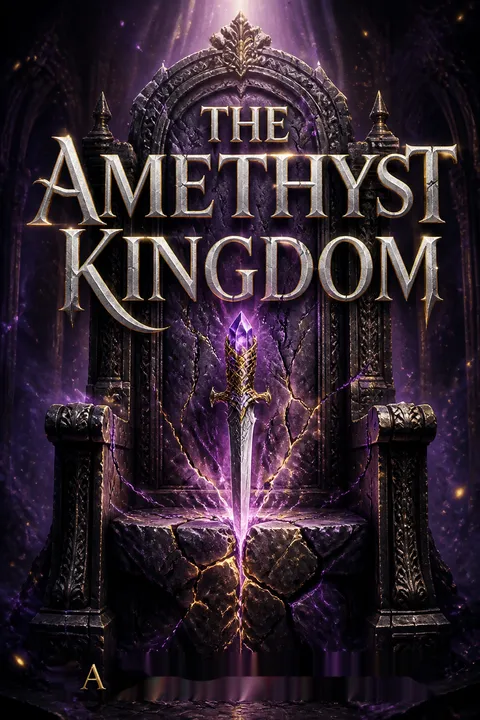

Plot Summary
Shadows Over Wynreach
Wynreach, once a sanctuary, is now tense and watchful, haunted by the threat of the ancient violet witch, Adisa Monroe. Carys, the last of her circle yet to claim a crown, stands on the precipice of leadership, uncertain if she wants the burden. The city's defenses are up, and the people are anxious, sensing a storm of violence and magic on the horizon. Old friends have become rulers elsewhere, leaving Carys to navigate the political and emotional minefield alone. The shadow of Adisa's power looms, and the city's fate—and Carys's own—will soon be decided by a series of public trials. As the autumn winds blow, Carys steels herself for the coming winter, knowing nothing will ever be the same.
Trials for the Crown
The Eastern Court's succession is to be decided by five public trials: strength, compassion, unity, bravery, and intellect. Carys, already a de facto leader, must now prove herself worthy in the eyes of the people. The competition is fierce, with contenders from every court, each with their own ambitions and secrets. Among them is Aneryn, a blue witch haunted by loss, and Falaine, a formidable local rival. The trials are not just about power, but about service and the ability to unite a fractured realm. As the trials begin, alliances form and old wounds resurface, setting the stage for a contest that will test not only skill, but the very soul of each competitor.
Fated Rivals Return
The unexpected entry of Ersan Almah, Carys's ex-lover and Fated, throws her into turmoil. Their history is fraught with betrayal and unresolved longing, and his presence in the competition is both a personal and political threat. The tension between them is palpable, their interactions charged with anger, regret, and a dangerous attraction. Ersan's motives are unclear—does he seek the crown, or something more? As Carys struggles to maintain her composure, the past threatens to unravel her carefully constructed defenses. The trials become not just a test of leadership, but a crucible for the unresolved fire between Fated rivals.
Wounds and Old Secrets
Carys's relationships are strained as old secrets come to light. Her bond with her sister Morgan, a halfling, is both a source of strength and a reminder of her father's deceptions. The wounds of the past—her mother's death, her father's lies, and Ersan's betrayal—bleed into the present, making every decision fraught with emotional peril. Allies like Bri and Kira offer support, but Carys is forced to confront the reality that she cannot outrun her pain. The trials force her to reckon with who she was, who she is, and who she wants to become, even as the city's fate hangs in the balance.
Allies and Adversaries
As the trials progress, alliances shift and the true nature of the competitors is revealed. Aneryn's determination to save her lover Fenrin from Adisa's clutches becomes a parallel quest, intertwining with Carys's own struggle for the crown. The city's divisions—between fae, witches, and humans—are mirrored in the competition, with prejudice and ambition threatening to tear Wynreach apart. Carys must navigate a web of loyalty and rivalry, learning that compassion can be as dangerous as any sword. The lines between friend and foe blur, and every choice carries a cost.
The First Blood Spilled
The first trial—strength—descends into chaos as the competitors face off in a brutal melee. Carys proves her prowess, but not without drawing blood and making enemies. The crowd's reaction is mixed, their prejudices laid bare as they cheer for some and jeer others, especially the witches. The violence of the trial is a harbinger of the greater conflict to come, both within the city and within Carys herself. The aftermath leaves the field narrowed, but the wounds—physical and emotional—run deep. The taste of blood lingers, a reminder that the path to the crown is paved with sacrifice.
Haunted by the Past
In the quiet after the trial, Carys is haunted by memories of her past cruelties and failures. Encounters with Aneryn and others force her to confront the person she once was—a privileged, careless fae who hurt witches and humans alike. The pain of her Fated bond with Ersan is a constant ache, and her inability to forgive or forget threatens to consume her. As she seeks solace in wine and isolation, Carys realizes that she cannot move forward until she reckons with her own darkness. The ghosts of the past are not easily exorcised, and the cost of redemption is high.
The Beast at the Gate
The fragile peace is shattered when one of Adisa Monroe's monstrous creations rampages through the city. The beast, a twisted fusion of lion and witchcraft, brings death and chaos to Wynreach's streets. Carys, Ersan, and Aneryn are drawn into the fray, their personal struggles set aside as they fight to protect the innocent. The attack is not just a test of strength, but a revelation: the monsters are not mindless, and some may be people they once knew. The city reels from the violence, and the threat of Adisa's magic becomes terrifyingly real. The battle for Wynreach has truly begun.
Visions and Betrayals
Aneryn's Sight reveals a future filled with blood and fire, but the details are maddeningly unclear. The blue witch's desperate quest to save Fenrin leads her to dangerous magic and risky alliances. Meanwhile, Carys uncovers betrayals both old and new—her father's secrets, Ersan's lies, and the machinations of rivals within the competition. The lines between prophecy and manipulation blur, and trust becomes a rare commodity. As Adisa's influence spreads, the city's leaders must decide who to believe, and what they are willing to risk for victory—or survival.
The Amethyst Dagger
The legendary amethyst dagger, a relic of violet witch power, becomes the key to defeating Adisa Monroe. Its history is entwined with Carys's own, passed down through generations and carrying the weight of prophecy. The dagger is both a symbol of hope and a source of fear, its magic capable of killing the unkillable—or corrupting the wielder. As Carys and her allies race to secure the dagger, they are forced to confront the true cost of power. The fate of Okrith may rest on a single blade, and the choices made in its shadow will echo for generations.
Monsters in the Mist
Carys and Ersan are sent south to hunt one of Adisa's beasts, their journey a crucible for their fractured relationship. The quest is fraught with danger—pirates, storms, and the ever-present threat of betrayal. Along the way, old wounds are reopened and hard truths are spoken. The beast they hunt is not just a monster, but a person transformed by Adisa's magic, forcing Carys to choose between duty and compassion. The journey becomes a test of unity, bravery, and the possibility of forgiveness. In the mist and rain, love and hate are indistinguishable, and survival demands sacrifice.
The Price of Compassion
Carys's refusal to kill the beast—believing it to be Fenrin—costs her the competition, but saves a life. Her act of compassion is both a personal and political turning point, forcing her to relinquish her claim to the crown. The decision is met with mixed reactions: some see it as weakness, others as true leadership. The aftermath is bittersweet, as Carys must accept that doing the right thing often means losing what she thought she wanted. The price of mercy is high, but it is the only path to healing—for herself, and for Okrith.
The Southern Quest
The road south is a gauntlet of peril and temptation. Carys and Ersan's relationship is tested by old resentments and new desires, their Fated bond both a blessing and a curse. The landscape mirrors their turmoil—stormy, wild, and unpredictable. Encounters with pirates, monsters, and the ghosts of their past force them to confront what they truly want from each other and from life. The quest for the amethyst dagger becomes a journey of self-discovery, and the line between love and hate blurs until it is indistinguishable. In the end, only honesty and vulnerability can break the cycle.
Storms and Surrender
As the storm breaks over Marraden, Carys is forced to confront her own limitations and the reality of her pain—physical, emotional, and spiritual. The trials of the journey, the wounds of the past, and the weight of expectation become too much to bear alone. In a moment of surrender, she allows herself to be cared for, to accept help, and to admit her need for others. The act of letting go—of pride, of anger, of the crown—becomes an act of strength. In the aftermath, Carys finds a new kind of peace, one rooted in acceptance and love.
The Truth Unveiled
The truth about Carys's family, Ersan's betrayal, and the legacy of the Hilgaard name comes to light. Painful confessions are made, and forgiveness is sought—not just from others, but from oneself. The revelation that Carys's father and Ersan acted out of fear and love, not malice, reframes the past and opens the door to healing. The bonds of family, friendship, and love are reforged, stronger for having been broken. With the truth unveiled, Carys is finally free to choose her own path, unburdened by the ghosts of her past.
The Witch's Trap
As the city prepares for Adisa's execution, the witch unleashes her ultimate trap. Poisoned smoke, mind-controlled mobs, and monstrous beasts descend upon Wynreach, turning the city into a battlefield. The execution becomes a massacre, and the rulers of Okrith are caught in a web of violence and magic. Carys, wounded and desperate, must fight her way through chaos to save her friends and the city. The true nature of Adisa's power is revealed—not just in her magic, but in her ability to manipulate fear and hope. The final confrontation is at hand, and the cost will be measured in blood.
Fire and Ashes
The battle for Wynreach is fought in fire and blood. Aneryn, wielding unimaginable blue witch power, sacrifices herself to save the city, unleashing a cleansing fire that breaks Adisa's curse. Friends and foes alike fall, and the cost of victory is steep. The city is scarred, its people forever changed. In the aftermath, Carys mourns the dead, honors the sacrifices made, and begins to imagine a future built on the ashes of the old world. The era of kings and witches is over; something new must rise from the ruins.
The Siege of Wynreach
The siege of Wynreach is a crucible for all of Okrith. The rulers of the courts, the witches, and the people themselves are tested as never before. The lines between hero and villain blur, and every act of violence is matched by an act of mercy. The city's survival depends not on magic or might, but on the willingness to forgive, to unite, and to hope. In the end, it is not the crown that saves Wynreach, but the courage of those who choose compassion over vengeance. The siege ends, but the work of healing has only begun.
Sacrifice and Salvation
In the aftermath of the battle, the survivors gather to mourn and to celebrate. Old wounds are tended, new bonds are forged, and the promise of a better future is made real. Carys, having relinquished her claim to the crown, finds peace in love and family. Aneryn, Fenrin, and Laris emerge as new leaders, their union a symbol of unity and hope. The city begins to rebuild, and the people of Okrith look to the future with cautious optimism. The sacrifices made are honored, and the seeds of a new era are sown.
A New Dawn in Okrith
One year after the Battle of Wynreach, the rulers and people of Okrith gather to remember the fallen and to celebrate the peace they have won. The prayer tree, once a symbol of loss, now blooms with ribbons of every color—a testament to the diversity and resilience of the realm. Carys and Ersan, finally united, find joy in the life they have chosen together. The new rulers of the courts lead with wisdom and compassion, and the wounds of the past begin to heal. Okrith stands at the threshold of a new dawn, its future bright with hope.
Analysis
A.K. Mulford's The Amethyst Kingdom is a sweeping fantasy that interrogates the nature of power, trauma, and healing in a world riven by prejudice and violence. At its core, the novel is about the cost of leadership and the courage required to choose compassion over vengeance. Through the lens of Carys's journey—from haunted warrior to reluctant leader to a woman who chooses love and family over the crown—the story explores the ways in which the past shapes the present, and how true strength lies in vulnerability and forgiveness. The narrative deftly weaves together personal and political stakes, using the trials, prophecies, and monstrous transformations as metaphors for the cycles of harm and the possibility of redemption. The book's modern resonance lies in its insistence that healing is a communal act, that leadership is service, and that the future is built not by those who seek power for its own sake, but by those who are willing to break the cycle and imagine something better. In the end, The Amethyst Kingdom is a testament to the enduring power of love, the necessity of confronting one's own darkness, and the hope that, from the ashes of the old world, something new and beautiful can grow.
Review Summary
The Amethyst Kingdom is the fifth and final installment in the Five Crowns of Okrith series, receiving generally positive reviews with an overall rating of 4.03/5. Readers praised its mental health representation, found family themes, and second-chance romance between Carys and her fated mate Ersan. Many appreciated Carys's character growth and the emotional depth of her depression arc. Common criticisms included a slow first half, underdeveloped chemistry between the leads, and an anticlimactic final battle. Most agreed it was a satisfying, if imperfect, conclusion to a beloved series.
Characters
Carys Hilgaard
Carys is the heart of the story—a fierce, skilled fighter burdened by the traumas of her past and the weight of expectation. Daughter of a noble house, she is shaped by loss: her mother's suicide, her father's secrets, and the betrayal of her Fated, Ersan. Carys's journey is one of self-discovery and redemption, as she confronts her own prejudices, learns compassion, and ultimately chooses love and family over power. Her relationships—with her sister Morgan, her friends, and especially Ersan—are fraught with pain and longing, but also deep loyalty. Carys's greatest struggle is with herself: to forgive, to accept help, and to believe she is worthy of happiness. Her arc is one of healing, as she moves from isolation to connection, from anger to peace.
Ersan Almah (Sy)
Ersan is Carys's ex-lover and Fated, a Lord of Arboa whose return to Wynreach reignites old wounds. He is charming, intelligent, and deeply wounded by his own mistakes—chief among them, keeping Carys's sister a secret at her father's request. Ersan's love for Carys is unwavering, but his inability to communicate and his fear of losing her lead to years of estrangement and pain. Throughout the trials and the journey south, Ersan is both adversary and ally, his actions driven by a desire to protect Carys—even from herself. His arc is one of atonement and vulnerability, as he learns to confess, to trust, and to let go of pride. In the end, Ersan's willingness to fight for love, rather than power, redeems him and allows for true reconciliation.
Aneryn
Aneryn is a blue witch whose Sight is both a gift and a curse. Haunted by visions of death and loss, she is driven by love for Fenrin and a determination to save him from Adisa's control. Aneryn is stoic, powerful, and often isolated by her magic and her pain. Her willingness to sacrifice herself for others is both her strength and her tragedy. In the climactic battle, Aneryn unleashes a firestorm of blue magic that saves Wynreach but nearly destroys her. Her arc is one of self-acceptance and the realization that she, too, deserves love and support. In the end, Aneryn emerges as a new kind of leader—one who unites rather than divides, and who finds healing in connection.
Fenrin
Fenrin is the youngest descendant of Adisa Monroe, targeted as the prophesied "smallest seed" who will be king. Kind, compassionate, and deeply traumatized by loss, Fenrin is transformed—literally and figuratively—by Adisa's magic. His struggle to retain his identity and resist mind control is a central thread, and his love for Aneryn and Remy anchors him. Fenrin's arc is one of endurance and quiet heroism, as he fights to reclaim himself and, in the end, chooses mercy over vengeance. His survival and union with Aneryn and Laris represent the possibility of healing and a new future for Okrith.
Adisa Monroe
Adisa is the last of the violet witches, driven by a centuries-old prophecy and a burning desire to restore her coven's power. Her magic is formidable, her cunning unmatched, and her cruelty legendary. Yet beneath her villainy lies a deep wound—a sense of betrayal by her own people and a conviction that only violence can secure justice for witches. Adisa's manipulation of prophecy, mind control, and monstrous magic make her a terrifying antagonist. Her downfall is brought about not by brute force, but by the resilience and compassion of those she sought to destroy. In death, she is both a warning and a catalyst for change.
Morgan
Morgan is Carys's half-sister, a symbol of the secrets and divisions that haunt Okrith. Her existence is a source of both pain and hope for Carys, forcing her to confront her father's legacy and her own prejudices. Morgan is practical, loving, and fiercely protective of her family. Her presence grounds Carys, reminding her of what truly matters. Morgan's arc is quieter but essential, as she finds acceptance and belonging in Arboa and helps Carys see that leadership is not the only path to making a difference.
Bri
Bri is one of Carys's closest friends, a warrior-queen in her own right. She is bold, brash, and unafraid to speak the truth, often providing much-needed levity in dark times. Bri's loyalty to Carys is unwavering, and her willingness to fight for her friends is matched only by her capacity for forgiveness. Her arc is one of growth, as she learns to balance strength with vulnerability and to accept help as well as give it.
Councilor Elwyn
Elwyn is the head councilor of the Eastern Court, a woman whose intelligence and compassion keep Wynreach afloat during its darkest days. She is a mentor to Carys, guiding her through the trials and the chaos of leadership. Elwyn's strength lies in her ability to listen, to plan, and to inspire trust. Her death is a profound loss, but her legacy endures in the new order she helped create. Elwyn represents the quiet, essential work of healing and governance.
Remy
Remy is a survivor of the red witch massacre, a queen who leads with empathy and courage. Her relationship with Fenrin and her friendship with Carys are central to her character. Remy's arc is one of resilience—she endures loss, betrayal, and violence, but never loses her capacity for hope. Her actions in the final battle, especially her refusal to give up on Fenrin, are a testament to the power of love and forgiveness.
Laris
Laris is Aneryn's lover, a green witch whose quiet strength and determination surprise everyone. Though not a warrior, Laris chooses to fight for love, stepping into danger to save those she cares for. Her arc is one of agency—she refuses to be a passive victim of fate, instead choosing her own path and helping others do the same. Laris's presence is a reminder that heroism comes in many forms.
Plot Devices
Trials as Transformation
The five trials—strength, compassion, unity, bravery, intellect—are more than political theater; they are a narrative device that forces characters to confront their deepest fears, prejudices, and desires. Each trial strips away a layer of pretense, revealing the true nature of the competitors. The trials also serve as a microcosm of Okrith's larger struggles, mirroring the divisions and hopes of the realm. Through these contests, the story explores themes of merit, service, and the meaning of leadership.
Fated Bonds and Broken Trust
The concept of Fated mates is central, driving the emotional arc of Carys and Ersan. Their bond is a source of both strength and suffering, a plot device that forces them to confront their past and choose whether to be defined by fate or by choice. The breaking and mending of trust—between lovers, friends, and family—is a recurring motif, underscoring the idea that true connection requires vulnerability and forgiveness.
Prophecy and Sight
Aneryn's Sight and Adisa's obsession with prophecy shape the narrative, creating tension between destiny and agency. Prophecies are used to manipulate, to justify violence, and to inspire hope. The ambiguity of visions—what is seen, what is believed, what is chosen—drives much of the plot's uncertainty and suspense. The story ultimately suggests that the future is not fixed, and that the most important choices are those made in defiance of fate.
Monsters as Metaphor
Adisa's beasts—once people, now monsters—are a powerful plot device, representing the ways in which violence and magic can dehumanize and destroy. The quest to save, rather than slay, these monsters becomes a test of compassion and a metaphor for healing. The reversal of the "kill the beast" trope is a key turning point, emphasizing mercy over vengeance.
Cycles of Violence and Healing
The narrative structure is cyclical—old wounds are reopened, old battles are fought anew, but each time there is an opportunity for change. The story uses foreshadowing and callbacks to earlier events to highlight the possibility of breaking the cycle. The burning of the amethyst flowers, the execution of Adisa, and the gathering at the prayer tree all serve as moments of closure and renewal.
About the Author
Other books by A.K. Mulford




Download PDF
Download EPUB
.epub digital book format is ideal for reading ebooks on phones, tablets, and e-readers.








































