Plot Summary
Prologue: Echoes in Darkness
In the late 19th century, a terrified group flees a mysterious cavern deep within the Grand Canyon. Their panic is palpable as something monstrous stalks them in the dark. The prologue sets the tone: the unknown is not just dangerous, but actively predatory. This opening, echoing with fear and loss, foreshadows the book's central tension—human curiosity colliding with ancient, hidden dangers. The sense of something vast and incomprehensible lurking beneath the surface is established, and the emotional resonance is one of dread, regret, and the primal urge to survive at any cost.
The Team Assembles
In the present, Nolan Moore, a failed screenwriter turned YouTube pseudo-archeologist, joins his ragtag team for a new expedition. Producer Ken, assistant Molly, cameraman Pierre, sponsor rep Feather, and skeptical journalist Gemma round out the group. Their banter is laced with insecurity, ambition, and mutual annoyance. Each has their own agenda—fame, truth, validation, or simply a paycheck. The group's dynamic is both comic and tense, with underlying fractures that will widen under pressure. The emotional tone is one of anticipation, camaraderie, and the subtle anxiety of people who know they're out of their depth.
Into the Canyon's Heart
The team sets out for the Grand Canyon, following the trail of a century-old legend about a lost cavern filled with impossible artifacts. The landscape's grandeur is both awe-inspiring and intimidating, dwarfing human ambition. As they descend, the physical challenge mirrors their psychological unease. The group's skepticism and hope clash, with Nolan's self-doubt growing. The emotional arc is one of wonder tinged with foreboding, as the canyon's silence seems to promise both revelation and ruin.
Legends and Skepticism
Around the campfire and on camera, Nolan recounts Native American legends and the infamous 1909 Phoenix Gazette article about Kincaid's cavern. Gemma challenges his methods and motives, exposing the blurred line between belief and opportunism. Their debate is sharp, personal, and unresolved, reflecting the book's central theme: the tension between the stories we tell and the truths we seek. The emotional tone is combative but vulnerable, as both characters reveal their insecurities and longing for meaning.
Descent and Doubt
The team's descent into the canyon becomes grueling. The landscape's beauty gives way to exhaustion, sunburn, and frayed nerves. Small mishaps—lost tempers, near falls, and the ever-present risk of disaster—erode their confidence. Nolan's internal monologue grows darker, haunted by past failures and the fear that the quest is futile. The emotional resonance is one of mounting anxiety, as the canyon seems to resist their intrusion and the group's unity begins to unravel.
Rapids and Revelations
The team boards a raft to reach the rumored site. The river's rapids nearly claim Feather, whose unexpected athleticism surprises everyone. The near-tragedy bonds the group, but also exposes their vulnerabilities. That night, philosophical conversations about myth, science, and the hunger for mystery reveal the characters' deeper motivations. The emotional arc is one of adrenaline, relief, and a fleeting sense of connection—shadowed by the knowledge that the real danger still lies ahead.
The Hidden Opening
After hours of fruitless searching, Pierre spots a tiny, easily missed opening high on the canyon wall. Excitement surges as the team realizes they may have found the legendary cavern. The discovery is both vindication and a new source of fear—the unknown is now within reach. The emotional tone is electric, a mix of triumph, disbelief, and the first stirrings of dread as they contemplate the climb ahead.
The Climb to Mystery
The ascent to the opening is perilous, pushing each member to their physical and psychological limits. Gemma's near-fall and Nolan's rescue deepen their connection, while Ken's unexpected grit earns new respect. The climb becomes a crucible, burning away pretense and forging a fragile solidarity. The emotional resonance is one of vulnerability, courage, and the realization that survival depends on trust.
Cavern of Secrets
Inside, the team finds a vast, worked cavern—evidence of ancient, impossible engineering. Chisel marks, antechambers, and a mysterious passage hint at a lost civilization. The air is thick with dust and the weight of history. As they explore, awe gives way to unease; the space feels both sacred and violated. The emotional arc is one of reverence, fear, and the dawning sense that they are trespassers in a place not meant for the living.
The Shaft and the Passage
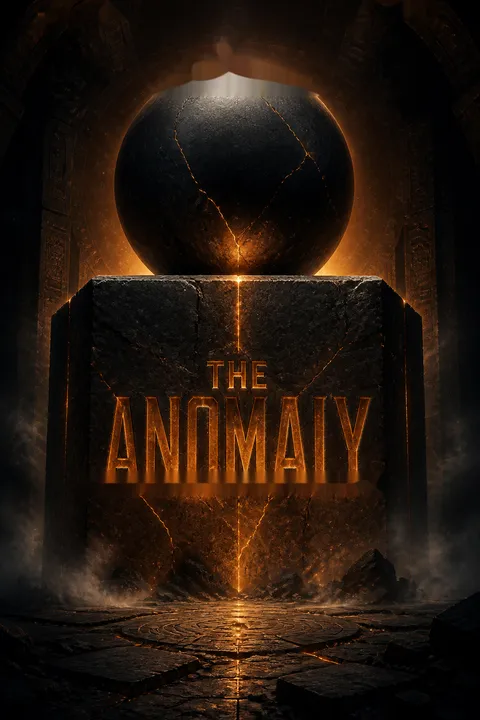
A hidden shaft, lined with carved handholds, leads the team hundreds of feet up into a larger, more elaborate complex. The architecture is inhuman in scale and precision. They find rooms with strange plinths, pyramids, and a central chamber dominated by a perfect stone sphere atop a cube. The site feels less like a tomb and more like a machine. The emotional tone is one of mounting awe and terror, as the team realizes they have awakened something ancient and powerful.
The Machine Awakens
Exploring further, the team inadvertently activates mechanisms—stone balls drop, passages seal, and a massive sphere rolls, trapping them inside. The site comes alive, responding to their presence. Water in a side chamber begins to change, and strange creatures appear, seemingly generated by the complex itself. The emotional resonance is panic, guilt, and the horrifying realization that their quest for truth has unleashed forces beyond comprehension.
Trapped Below the World
With exits blocked and supplies dwindling, the team faces dehydration, hunger, and the threat of predatory creatures. Feather disappears, then reappears with chilling revelations—she is not who she claimed, and her true allegiance is to a secretive foundation with apocalyptic ambitions. Dylan, the guide, is revealed as her accomplice. The emotional arc is one of paranoia, despair, and the shattering of trust as survival becomes a zero-sum game.
Hunger and Hallucination
Starvation and thirst drive the survivors to hallucination and madness. Gemma, desperate, drinks from the tainted pool and dies in agony as something monstrous bursts from her body. The site's true function becomes clear: it is an ark, a machine for rebooting life on Earth, generating creatures from the DNA of those who enter. The emotional resonance is horror, grief, and the numbing acceptance of mortality.
The Ark's True Purpose
Nolan pieces together the site's purpose: it is a failsafe, designed to wipe out and repopulate life after a cataclysm. The legends of floods, giants, and mythic beasts are echoes of previous cycles. The team's intrusion has triggered a premature reset, and the site is now producing monsters—cleanup crews meant to erase humanity. The emotional arc is one of existential dread, awe, and the crushing weight of unintended consequences.
Betrayal in the Dark
Dylan returns, intent on silencing the survivors. In a brutal struggle, Pierre is wounded but saves Nolan and Molly. Ken sacrifices himself to distract the monsters, giving the others a chance to escape. The emotional resonance is raw grief, guilt, and the bittersweet knowledge that survival often demands the loss of those we love.
Monsters Unleashed
The survivors navigate a labyrinth of tunnels, pursued by increasingly monstrous creatures. The site resets itself, erasing evidence and sealing its secrets. Ken, thought lost, reappears in time to save Nolan from certain death. The group escapes, battered and traumatized, as the ark's mechanisms erase all trace of their ordeal. The emotional arc is one of exhaustion, relief, and the hollow victory of survival.
Sacrifice and Survival
On the riverbank, Feather confronts the survivors, intent on tying up loose ends. In a final, desperate struggle, Molly kills Feather, and the group disposes of the body in the cavern. The survivors are left with the burden of their actions and the knowledge that the world remains ignorant of the danger beneath its feet. The emotional resonance is one of sorrow, shame, and the uneasy peace of those who have seen too much.
Aftermath and Anomalies
Back in the world, the survivors struggle with guilt, trauma, and the impossibility of sharing their story. The site is sealed, the evidence erased, and the foundation's agents warn them to remain silent. Nolan reflects on the nature of anomalies—those moments and choices that define us, for better or worse. The emotional arc is one of acceptance, humility, and the faint hope that, despite everything, the search for meaning endures.
Analysis
Michael Rutger's The Anomaly is a modern myth about the dangers and seductions of seeking truth in a world built on secrets. At its core, the novel interrogates the human hunger for wonder—our need to believe that the world is stranger, deeper, and more meaningful than it appears. Through the lens of a failed adventurer and his dysfunctional team, Rutger explores the costs of curiosity: the way our quests for knowledge can awaken forces we cannot control, and the ease with which institutions exploit our longing for answers. The book is both a love letter to and a critique of conspiracy culture, blending skepticism with awe, and humor with horror. Its central lesson is that anomalies—those moments, choices, and discoveries that don't fit—are what define us, for better or worse. The Ark is both a literal and metaphorical machine: a device for erasing and rebooting life, but also a symbol of the stories we inherit and the secrets we bury. In the end, The Anomaly suggests that the search for meaning is both necessary and perilous, and that humility, compassion, and the willingness to accept uncertainty are the only safeguards against the darkness within and without.
Review Summary
The Anomaly is a thriller set in the Grand Canyon, following a YouTube documentary crew who discover a legendary hidden cave. Reviewers widely praised its atmospheric tension, claustrophobic setting, Indiana Jones-esque adventure, and engaging characters. Many compared it favorably to The X-Files and Dan Brown novels. Common criticisms included a slow build-up, a rushed or unconvincing ending, and some feeling it wasn't as scary as advertised. Overall, readers found it a fun, fast-paced, highly entertaining read, with many eager for the sequel.
People Also Read
Characters
Nolan Moore
Nolan is the narrator and emotional core of the story—a failed screenwriter turned pseudo-archeologist, whose hunger for wonder is matched only by his self-loathing and skepticism. His relationships are fraught: he admires Ken's cynicism, is both threatened and attracted by Gemma's intellect, and feels responsible for the team's fate. Psychologically, Nolan is driven by a need to matter, to find meaning in a world that has repeatedly disappointed him. His arc is one of painful growth: from self-deprecating fraud to a man who, through suffering and loss, learns the cost of seeking truth and the necessity of humility.
Ken
Ken is the team's producer—a hard-drinking, foul-mouthed Brit whose gruff exterior hides deep loyalty and surprising wisdom. He is both comic relief and moral anchor, challenging Nolan's pretensions while quietly supporting him. Ken's relationship with the others is paternal but unsentimental; he pushes them to their limits but is the first to risk himself for their survival. Psychologically, Ken is a survivor, shaped by disappointment and loss, but unwilling to give up on those he cares about. His ultimate sacrifice is both tragic and redemptive, embodying the story's theme of the cost of truth.
Molly
Molly is the assistant producer—efficient, unflappable, and the team's emotional glue. Her can-do attitude masks deep-seated anxieties and a fear of abandonment rooted in childhood trauma. Molly's relationship with Nolan is complex: she admires his curiosity but is frustrated by his indecision. Her arc is one of empowerment; forced to confront her deepest fears, she emerges as a survivor capable of both compassion and violence. Psychologically, Molly represents the ordinary person thrust into extraordinary circumstances, forced to reconcile the need for order with the chaos of the unknown.
Pierre
Pierre is the cameraman—young, athletic, and initially dismissed as superficial. His technical skill and physical prowess prove invaluable, and his quiet courage emerges in moments of crisis. Pierre's relationship with the group is one of gradual integration; he moves from annoyance to trusted ally, ultimately risking his life to save others. Psychologically, Pierre is driven by a need to prove himself, to be more than the sum of others' expectations. His arc is one of maturation, as he learns the value of sacrifice and the limits of control.
Gemma
Gemma is the journalist—sharp, ambitious, and unafraid to challenge the group's assumptions. Her probing questions force Nolan and the others to confront uncomfortable truths about their motives and methods. Gemma's skepticism is both a shield and a vulnerability; her need for facts blinds her to the dangers of the unknown. Psychologically, she is haunted by loss and a desire to make her mark on the world. Her death is both horrifying and symbolic—the price of curiosity in a world that punishes those who seek too deeply.
Feather
Feather presents as a new-age sponsor rep, but is revealed as a manipulative operative for the secretive Palinhem Foundation. Her cheerful façade masks ruthless ambition and a willingness to sacrifice anyone for her cause. Feather's relationship with the group is one of calculated intimacy; she exploits their trust to further her agenda. Psychologically, she is a true believer, convinced of her own righteousness and the necessity of radical action. Her betrayal is the story's darkest turn, embodying the danger of fanaticism and the ease with which ideals become violence.
Dylan
Dylan is the river guide—outwardly competent, inwardly cold and mercenary. His true allegiance to the Foundation is revealed late, and his role is to ensure the group's silence by any means necessary. Dylan's relationship with Feather is one of shared purpose but mutual suspicion. Psychologically, he is a sociopath, loyal only to power and survival. His violence is methodical, and his death is both a relief and a warning—the banality of evil in service of a cause.
Kristy
Kristy is Nolan's ex-wife, a successful journalist and environmentalist whose absence haunts him throughout the story. She represents the life Nolan might have had—one of purpose, connection, and integrity. Their failed marriage is a source of regret and self-doubt, shaping Nolan's quest for meaning. Psychologically, Kristy is Nolan's idealized other, the standard against which he measures himself and always falls short. Her indirect involvement in the Foundation's schemes adds a layer of irony and tragedy to the narrative.
The Foundation
The Palinhem Foundation is the story's true antagonist—a secretive, well-funded organization dedicated to controlling the world's hidden technologies and shaping humanity's future. Its agents are everywhere, manipulating events from the shadows. The Foundation's relationship to the characters is one of exploitation and betrayal; it uses their curiosity and desperation to further its own ends. Psychologically, the Foundation embodies the dangers of unchecked power and the seductive allure of utopian visions.
The Ark/Anomaly
The cavern itself is a character—a vast, inhuman mechanism designed to erase and reboot life on Earth. Its workings are inscrutable, its purpose both awe-inspiring and terrifying. The Ark's relationship to the group is adversarial; it responds to their presence with indifference, violence, and the relentless logic of a system beyond human morality. Psychologically, the Ark represents the ultimate anomaly—the thing that cannot be explained, controlled, or survived.
Plot Devices
Found Footage and Meta-Narrative
The novel uses Nolan's blog posts, video transcripts, and self-aware narration to create a sense of immediacy and unreliability. This device invites readers to question the nature of evidence, the construction of narrative, and the limits of knowledge. The story's structure—alternating between action, reflection, and "files"—mirrors the team's search for meaning in chaos. The meta-narrative also allows for foreshadowing, irony, and the gradual revelation of hidden motives.
Locked Room/Closed Circle
Once the team is trapped inside the cavern, the story becomes a classic closed-circle thriller. The physical barriers mirror psychological ones, forcing characters to confront their fears, secrets, and loyalties. The device heightens tension, accelerates character development, and ensures that every action has immediate, often deadly, consequences. The sense of being watched, manipulated, and hunted amplifies the horror and existential dread.
Mythic Resonance and Symbolism
The novel weaves Native American myths, biblical flood stories, and conspiracy theories into its plot, using them as both red herrings and keys to understanding the Ark's purpose. Symbols—pyramids, spheres, handprints, and animal figures—recur throughout, inviting interpretation but resisting closure. This device blurs the line between science and superstition, suggesting that the stories we inherit may contain truths we are not equipped to handle.
Betrayal and Unmasking
The revelation that Feather and Dylan are Foundation agents transforms the story from an adventure into a survival horror. The device of the hidden traitor destabilizes the group, forcing characters to reassess their relationships and motives. Betrayal is both personal and systemic, reflecting the broader theme of institutions exploiting individuals for hidden agendas.
The Machine as Antagonist
The Ark is not a villain in the traditional sense, but a system—ancient, automated, and utterly indifferent to human suffering. Its mechanisms are triggered by curiosity, not malice, and its "monsters" are the logical outcome of its programming. This device shifts the story's focus from good vs. evil to the limits of human agency in the face of forces beyond comprehension.








































