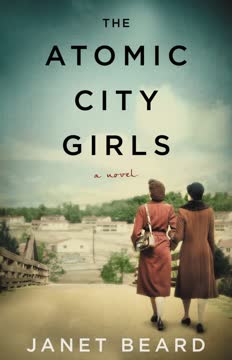
Plot Summary
Land Lost, Lives Changed
The quiet rhythm of country life in East Tennessee is shattered when the Army seizes land for an undisclosed war effort. Families like June's are forced to absorb elders and grieve homes turned over to mysterious government men. This loss lays the foundation for transformations to come, turning trust in American institutions to disquiet. Resentment and confusion echo in the silence of emptied valleys, as rumors of weapons testing swirl. The state's power eclipses personal histories, driving wedges between generations and stoking fears of both the present and the future. For many, the war's costs are already measured not just in rations or letters from the front, but in the fracture of their most deeply held connections to place and memory. In this displacement, the first seeds of doubt about the project's ultimate righteousness are quietly sown.
Arrival at Oak Ridge
Called by offers of well-paid, essential work, June and a multitude of girls transition from rural isolation to the barbed-wire-lined, dust-choked city of Oak Ridge. Though their optimism shines—painted lips, curled hair, borrowed dresses—they soon learn that their independence is shadowed by relentless Army restrictions. The new arrivals are reminded that silence is patriotic, and every question about their labor is a potential breach of national security. Orientation lectures are both warning and indoctrination, weaving fear with a sense of sacrificial purpose. The strangeness of this bustling, trackless place—where no one is to speak freely, everyone is a stranger, and the work itself is unknowable—quickly becomes their new reality, stoking anxieties but also allowing for reinvention.
Unknown Work, Ruthless Rules
Inside Oak Ridge's cavernous factories, girls like June are assigned to monitor mysterious machines, adjusting dials and levers without understanding their meaning. Monotony and homesickness gnaw at them, but rules are strict, supervisors stern, and any deviation portends disaster. Only cryptic allusions to "helping the war effort" are allowed; curiosity itself is dangerous. Nevertheless, camaraderie grows among the women and their supervisors, uniting them in shared boredom and confusion. The relentless focus on not-knowing oppresses minds and spirits, yet some sense the wager: that their collective ignorance is as important as their labor. Every letter home, every idle conversation, is fraught with the risk of suspicion, and the girls' internal worlds grow sensitive and divided by the strain.
Wire Fences and Friendships
Inside and outside the plants, social hierarchies take shape. June's roommate Cici, dazzling, self-made, and secretive, is determined to use Oak Ridge as a springboard to comfort and wealth through calculation and charm. Friendship between June and Cici grows awkwardly, punctuated by stark differences in background and ambition. Meanwhile, in segregated hutments at the city's edge, Black workers like Joe and his young friend Ralph toil in unbearable conditions, denied dignity and recognition despite their key role in building the city. The relentless grind, racism, and longing for family back home forge a different kind of brotherhood—one marked by hope for a still-distant Double Victory. Even as their lives intertwine, invisible barriers remain deeply entrenched.
Grief, Guilt, and Relief
June's deep sadness over her fiancé's death is complicated by her lingering guilt—she never truly loved him—and by the persistent undercurrent of relief that his loss offers her a different future. Cici deftly covers her origins while prowling for eligible men; Joe and Ralph navigate the minefields of discrimination and survival. Melancholy, guilt, and fleeting liberation coexist, as the extraordinary becomes routine and the war absorbs each personal pain. The girls daydream, the men organize, yet the bombs and battles overseas are always in the background, measuring the smallness of their own sorrows against the epochal scale of history.
Cici's Reinvention
For Cici, Oak Ridge is both a mask and a stage—a test of how far beauty and skillful invention can repair a broken inheritance. She adapts her voice, her manners, her ambitions to become the woman she's always aspired to be, keeping her past at bay through strategy and artifice. Yet her friendship with June—naive, dependable—is both a comfort and a liability, as Cici fears exposure from all corners. The quest for security, stability, and love is always transactional, yet beneath Cici's glittering surface, loneliness erupts in flashes of jealousy and irritation. The price of reinvention, it turns out, is constant vigilance and the persistent threat that someone might see through the act.
Joe and Ralph's Survival
Life for Joe and Ralph is an unending journey through hardship, with cold hutments in winter, stifling labor in summer, and ever-present reminders of their second-class status. Their friendship is both survival and solace amid a segregated city designed for efficiency, not humanity. Longing for absent wives and children, Joe measures his worth in increments of money sent home and small joys shared with his found family. Ralph, fiery and idealistic, seeks justice not just for himself but for his people, driven by a conviction that his dignity need not depend on white approval. Together, they endure the physical and spiritual cost of building a city whose promises are always withheld.
Forbidden Desires Spark
New Year's festivities break down yet another set of boundaries: scientist Sam Cantor, world-weary and guilt-plagued, impulsively kisses young June, inadvertently revealing the secret of what they build—an atomic bomb. Their romance unfolds against the inescapable tension between knowledge and innocence, guilt and desire. The allure of intimacy, matched by the terror of discovery and the burden of complicity, propels them into a clandestine partnership more honest, and more dangerous, than anything the city's rules intend. Meanwhile, the city outside continues its peculiar, regulated dance of flirtations and betrayals.
New Year's Secrets
Sam and June's relationship intensifies into both escape and entanglement. For a time their love transcends Oak Ridge's silences—he educates her, she rekindles his hope. Yet their intimacy amplifies inner conflicts: Sam's guilt over his role in the bomb project, June's struggle with self-image, the shadow of their illicit knowledge, and the city's endless surveillance. As June grows into herself, believing love can conquer regret, both are drawn inevitably toward a reckoning with the reality and the consequences of their work. The line between personal and historical guilt blurs in their beds and quiet conversations.
Bonds, Betrayals, and Promotions
As the city surges with expectation and exhaustion, opportunities for upward mobility present themselves—June lands a secretarial position through Sam's favor, while Cici angles for marriage as her route to power. Yet as fortunes rise, relationships fray. Ann, the scientist's wife, senses June is in over her head; Cici's friendship with June unravels into mutual distrust. Rumors and tensions boil over in the dormitory, and acts of self-preservation become indistinguishable from acts of betrayal. The promise of the bomb—like the promise of Oak Ridge and the war itself—demands sacrifice, and not everyone will be able to pay the price without collateral damage.
The Science of Separation
Promoted to his own administrative office, Sam is now more manager than scientist—alienated from the satisfaction of experimentation and even from himself. In their new positions, he and June must navigate not only their own secrets but also the growing administrative apparatus and moral ambiguities of the project. Meanwhile, the city's social and racial divisions deepen: segregation relaxes only slightly for victory parades, but Joe at last is allowed to bring his family to Oak Ridge, and dreams of a better future flicker to life, even as violence and injustice claim their cost among Ralph and his circle. Division—by knowledge, race, and class—is both a tool and a torment in these closing months before the bomb is unleashed.
Passing for Normal
At the center of the atomic city's strange normalcy, cracks multiply. June grows into her secretarial role with unexpected competence, even as she and Sam falter beneath the weight of routine and his returning self-destructive habits. Cici seems poised for triumph, engaged to the best catch in town, though the emptiness of her goals haunts her. Joe's family arrives—hard-won stability at last—but the world turns as always on the larger machinery of war. For some, success and love bring only anticlimax. Despite the veneer of postwar celebration, unease and repressed desires ripple beneath every surface.
Wind, Dust, and Love
The bomb is tested and dropped, shocking nearly everyone in Oak Ridge with both pride and unease. Revelations come with a torrent of celebration, rumors, and sudden scrutiny. The line between heroism and horror blurs for those who made it, those who watched, and those who only guessed. For June and Sam, for Joe and Cici, and for all who have tied their fates to this project, joy and loss arrive irreversibly intertwined. Secret knowledges—of love, murder, betrayal, and hope—rise to the surface, impossible to return to the world of before. The city, like its people, must now be known for what it truly is.
Hard Choices, Hidden Costs
June is accused of a security breach and expelled as a scapegoat in the post-bomb, pre-peace hysteria. Joe learns the shattering truth of Ralph's death, evidence that even the most fiercely righteous in Oak Ridge are destroyed by its deeper sickness. Cici, always adaptive, reports June—half out of spite, half out of a warped sense of public duty. Sam's guilt curdles into despair, and even victory is felt as an ambiguous blessing. Those who survive must now prove, in peacetime, the value of their labor, the shape of their ambitions, and the wisdom of their regret.
Atomic Truths Revealed
With V-J Day, Oak Ridge's reason for being evaporates. Those who built it—whether with hope, calculation, or resignation—are scattered, forced by war's end to confront their real selves, their legacies, and each other. For June, the humiliation of dismissal becomes a chance for new beginnings; for Sam, the loss of his lover coincides with the loss of his family. Cici's carefully constructed identity delivers her to the comfort she craved, but at the cost of genuine connection. Joe's family flourishes, but never escapes the memory of all that was lost. The personal meaning of "the bomb"—the intersection of fate, accountability, and survival—remains as complicated and unresolved as ever.
Fallout and Farewell
The main characters disperse, bearing the marks of their time in Oak Ridge and the atomic age. Sam returns home, broken but trying, parenting and teaching with a hollowed heart. Joe's children thrive against odds, shaped by struggle and courage. June, despite rejection, finds empowerment in knowledge and love, advancing as a teacher and mother, determined to change the world in small, persistent ways. The city itself, once so urgent and secret, fades into memory, but those who passed through it remain forever changed by its invention and its aftermath. The atomic city's legacy endures in every subsequent fear, protest, and hope—atomic girls, atomic children, and atomic consciences.
Cities Burn, Hearts Break
Hiroshima and Nagasaki are obliterated; Oak Ridge, and individuals therein, are split wide open. Revelations of what has been wrought—what was contributed and what destroyed—provoke both celebration and mourning. The war is over. Cheap euphoria overtakes the city, but privately, loss overwhelms: June is expelled, Ralph is confirmed dead, and Sam is lost in guilt. The detritus of secrecy, surveillance, and lies follows each to their next chapter. The bomb does not bring peace for the bomb makers—only a more complicated, atomized world.
Celebration and Expulsion
As jubilant crowds celebrate, Oak Ridge expels its own, punishes the unlucky or indiscreet, and inaugurates the era of global anxiety. June, cast out, learns the habit of resilience. Sam is left with only regret and a bottle. Joe fights back grief with love and perseverance, even as his own surrogate son falls to violence. Cici claims her American dream, and the city of secrets transforms, nearly overnight, into the city of the atom. The future beckons with opportunity—but for many, also with sorrow and reckoning.
Epilogue: After the Bomb
Life for Oak Ridge's survivors unfolds across America's evolving mid-century—victory parades, civil rights struggles, the nuclear age's dawn. Cici ascends to luxury and emptiness; Joe's children become activists and professionals, never quite escaping the city's scars; Sam marries without love; June finds fulfillment as a teacher and mother, passing on hard-won wisdom and caution. All attempt to live with the atomic shadow their labor has cast—carrying forward hope, guilt, and determination into times that change far less than they should.
Analysis
The Atomic City Girlsmasterfully weaves the secret genesis of the atomic bomb with the secret histories of its makers—ordinary people thrust into extraordinary, often impossible, ethical terrain. Janet Beard's transformative narrative uses the twin arms of secrecy and desire to explore how war's grand machinery consumes lives, love, and conscience, leaving only partial victories and lingering trauma. The novel invites readers to question the stories we tell about survival and progress: does historical necessity excuse displacement, discrimination, or personal betrayal? Through June's awakening, Sam's collapse, and the unflinching depiction of racial injustice suffered by Joe and Ralph, Beard exposes the fraught cost of moral compromise in pursuit of urgent, collective goals. The city of Oak Ridge functions both as an industrial marvel and as a crucible—its atomic legacy transmitted through generations, in both shame and pride. Ultimately, the narrative insists that the greatest changes occur not in high offices, but in the quiet revolutions of character, understanding, and the sometimes-painful pursuit of truth, even (especially) when the world demands silence. The lessons reside in ambiguity, not easy answers: progress is real and monstrous; love can heal even as it wounds; and history's shadow stretches far beyond the fires of Hiroshima.
Review Summary
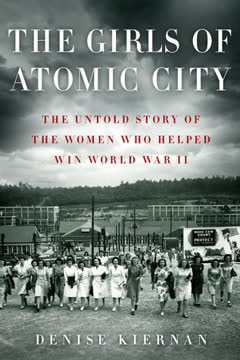
Reviews for The Atomic City Girls are mixed, averaging 3.54/5. Praise centers on its atmospheric historical detail about Oak Ridge, Tennessee's secret Manhattan Project facility, authentic period photographs, and an engaging epilogue. Critics frequently cite underdeveloped, one-dimensional characters, slow pacing, and an overemphasis on romance over historical substance. Many reviewers recommend the nonfiction counterpart, The Girls of Atomic City, as a superior alternative. The portrayal of racial segregation through Joe's character is appreciated, though some feel it's underdeveloped. The misleading title, suggesting a female-focused narrative, also drew repeated criticism.
People Also Read






Characters
June Walker
June begins as a farm girl forced by necessity and lost love to Oak Ridge, but over time is shaped by both sorrow and opportunity. Her initial timidity and guilt (over surviving, over not loving her dead fiancé) give way to grave curiosity and a desire for deeper meaning—a transformation facilitated by love with Sam, friendship with Cici, and the exposure to new realms of knowledge and power. Emotionally honest yet often self-effacing, June is repeatedly caught between the comfort of routine and the risk of self-invention. Her arc—from compliant worker to inquisitive rebel, from uncertain girl to knowledgeable woman—emphasizes resilience and capacity for growth in the face of war, secrecy, and heartbreak. Ultimately, June embodies the moral ambiguity of ordinary people caught in extraordinary events, compelled to seek redemption in truth, teaching, and motherhood.
Sam Cantor
Sam escapes military service by channeling his intellect into the bomb project—a path that affords him the security and anxiety of knowing exactly what's being built. At first, exhaustion and self-pity dominate his days, but through his romance with June, he is temporarily restored to hope. Sam's sharp mind and cynical humor mask deeper wounds: buried grief for lost family, survivor's guilt, and alienation from both colleagues and his own heart. He is drawn to teach and nurture June, but their power dynamic and his alcoholism undermine intimacy. His psychoanalytic complexity—a mix of arrogance, vulnerability, and self-loathing—manifests in both his devotion to the bomb's promise and his horror at its reality. Abandoning science for administration seals his discontent; the bomb's detonation finally leaves him stranded, emotionally and ethically.
Cici Roberts
Few adapt as fluidly to Oak Ridge as Cici, who remakes herself from a sharecropper's daughter into a would-be southern debutante. Calculating, beautiful, and skilled at reading men and situations, she cloaks insecurity in bravado. Cici's friendship with June is both genuine and transactional; her gradual estrangement from human connection culminates in a betrayal that feels, to her, like punishment or penance for her own duplicity. Her drive for comfort and security masks loneliness and self-doubt, and ultimately, even her victory—marriage into wealth—rings hollow. Cici is at once the most and least changed by Oak Ridge, a woman who gains everything but connection.
Joe Brewer
Joe, an older Black laborer, faces Oak Ridge's daily injustices with hard-won resilience. His devotion to family, gentle authority over Ralph, and Christian faith are tested by the city's relentless separations and humiliations. Joe's inner world is rich with memory—of land, song, longing—grounding him against the many dispossessions of the atomic city. Over time, the quiet heroism of his labor (and eventual reunification with Moriah and his children) becomes his legacy, even as pain and loss—symbolized by Ralph's fate—remain unhealed. Joe's arc is one of affirmation despite ceaseless adversity, his hard-earned peace a victory not just over circumstance but also over the city's intended erasures.
Ralph Hitchens
Ralph is the young, impulsive spark to Joe's steadiness. Orphaned by violence, he arrives in Oak Ridge seeking work but finds, amid oppression, a higher calling for justice. Inspired by the Double V campaign, drawn to activism, and emboldened through love with Shirley, Ralph's insistent defiance bridges naivety and moral strength. However, his inability to compromise with power, and the city's lethal intolerance for dissent, doom him. His fate—violent death—haunts all who loved him and underscores the city's refusal to accommodate Black aspiration or resistance.
Shirley Crawford
Shirley's ambition and self-assurance set her apart from her peers. Disgusted by injustice, she draws Ralph into activism, modeling courage despite the dangers. Shirley's voice, unafraid to challenge both White and male authority, catalyzes social awakening in those around her. Yet, her inability to shield Ralph from Oak Ridge's dangers leaves her isolated in grief—a survivor with a sharpened, mournful sense of injustice.
Ann and Charlie Stone
Charlie's good nature and sociability, paired with Ann's homemaking skill and attention to propriety, bring fleeting stability to those around them, especially Sam and June. Yet their perspective—rooted in privilege and optimism—often blinds them to the sufferings and questions of others. Ann's anxieties reflect her desire to manage propriety, while Charlie's cheerfulness is shaken by the bomb's success. Both serve as foils—illustrating the limits of comfort and goodwill amid vast ethical upheaval.
Tom Wolcott
Cici's fiancé, an emblem of mid-century privilege and earnest aspiration, Tom represents the postwar promise of prosperity, conformity, and upward mobility. Loyal and generous, he is nonetheless incurious, largely oblivious to his own and others' histories. His relationship with Cici, ultimately revealed to be transactional and incomplete, is symptomatic of both her success and her ongoing loneliness.
Moriah Brewer
Moriah, Joe's wife, is a study in understated strength. Managing home and children across separation and hardship, she never wavers in her determination or faith. Her presence in Oak Ridge—hard won and fiercely defended—marks not just Joe's small victory, but also the possibility of family, community, and generational progress for their children.
Max Kingsley
English physicist Max is Sam's confidant and foil; what begins as shared disaffection splits when the bomb is completed. Max's cosmopolitan irony hides both his horror and resignation, underlining how the bomb divides even its creators—not between good and evil, but between one kind of guilt and another.
Plot Devices
Omnipresent Secrecy and Surveillance
The narrative powers of Oak Ridge are built on secrecy: characters are forced to labor blindly, fostering anxiety and paranoia. Security lectures, cover stories, and mail censorship not only let the plot function as a ticking bomb, but also emphasize the transformation of trust into self-doubt. This ever-present threat of exposure—personal, political, sexual—elevates the stakes of intimacy and mutiny, producing acts of betrayal (Cici's denunciation of June) and loyalty (June's refusal to implicate Sam).
Parallel Storylines and Social Stratification
The intertwining stories of June, Sam, Cici, Joe, and Ralph draw out the vast gaps in class, race, and gender. Their alternating perspectives create a polyphonic effect, as parallel but unequal journeys unfold inside the same geographic space. This device turns Oak Ridge into a microcosm, making the bomb's genesis inseparable from the injustices and ambitions of American society itself.
Romantic and Psychological Realism
The novel leverages understated but psychologically acute insight into love, lust, grief, and self-loathing. June and Sam's affair—initiated in drunken confession and nurtured by mutual need—serves as a test case for the boundaries of knowledge, trust, and complicity. Each kiss, fight, and confession is staged as both personal event and moral allegory, mapping the costs of entrusting oneself to another amid secrecy and risk.
Historical Foreshadowing and Postwar Reckoning
Tensions ramp up with references to the bomb's inevitable deployment and the city's own dissolution once the war ends. Characters' hopes collide with headlines and radios, as progress and modernity bring not just triumph but disillusion. The dropping of the bomb is foreshadowed by smaller revelations, betrayals, and betrayals, preparing readers for a collision of promise and disaster.
Subtle Exposition Through Dialogue and Routine
Technical explanations, security warnings, and even the logistics of bus rides or cafeteria menus serve as entry points to larger revelations about purpose, injustice, and self-realization. By embedding history in routine, the narrative bridges the vast to the everyday: the atomic is always also the domestic, personal, and small.








































