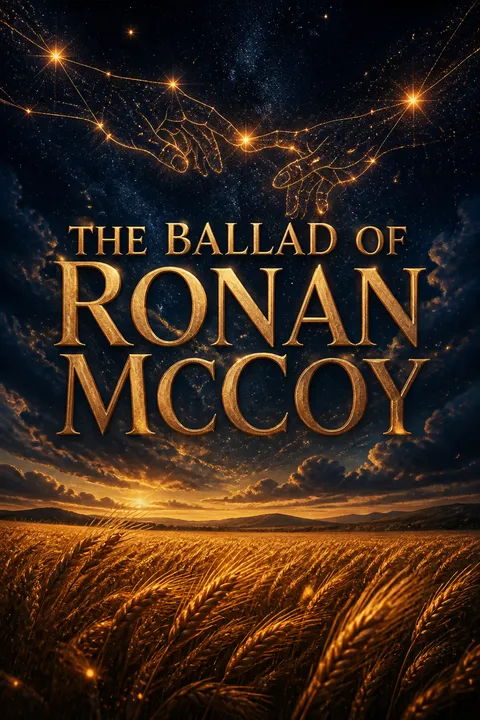

Plot Summary
Death's Familiar Shadow
Brendan, a sensitive teenager in a small Northern Irish town, is no stranger to death. He works at Feeney's Funeral Home, washing hearses and cars, keeping his job a secret from classmates. Death is woven into his daily life, from the old to the young, and he's learned to hide parts of himself to avoid being seen as "weird." His only real friend is Ronan, a boy he rarely sees outside school but who knows Brendan's secrets. Their friendship is a lifeline in a world shadowed by loss, loneliness, and the unspoken rules of adolescence. Brendan's reflections on honesty, grief, and the need for connection set the tone for a story where death is both literal and metaphorical—a backdrop to growing up.
Summer's Quiet Solitude
With school out, Brendan's days are filled with cleaning cars at the funeral home, his hands cracked from winter's cold. His mother, lost in grief after his grandmother's death, becomes a ghost in their home, sleeping away the days. Brendan finds comfort in routine and the physical act of cleaning, but he's haunted by "vivid life moments"—sudden, overwhelming waves of anxiety and existential dread. The barley field he dreams of becomes a symbol of unreachable places and futures. The summer is a liminal space: Brendan is alone, his friendship with Ronan on pause, his family fractured, and death always nearby.
Friendship's First Blood
September brings the return to school and the rituals of uniforms, timetables, and social awkwardness. Brendan recalls the first day he met Ronan: a nosebleed in class, ignored by the teacher, until Ronan intervened. Their bond is immediate, built on small acts of kindness and shared laughter. Ronan is the only one who knows Brendan's secret job, and their friendship is a safe haven from the loneliness that pervades Brendan's life. The memory of that first day—of blood, embarrassment, and Ronan's easy acceptance—becomes a touchstone for what friendship means: loyalty, honesty, and the courage to stand up for each other.
The Dark Feeling Returns
Brendan is haunted by "the dark feeling," a physical sense of dread that signals impending loss. He remembers the night his grandmother died, the guilt of leaving her in the hospital, and the promise never to ignore that feeling again. As he waits for Ronan at the school gates, the dark feeling stirs, foreshadowing change. The chapter explores the weight of intuition, the pain of regret, and the way grief lingers in the body and mind. Brendan's sensitivity to these undercurrents marks him as different, but also as deeply attuned to the emotional realities around him.
Absence and Unanswered Questions
The new school year begins, but Ronan is missing for the first time ever. Brendan feels adrift, surrounded by classmates who don't understand him. He tries to find out what's happened, but teachers and Ronan's parents are evasive. The absence of his friend is a wound, and the silence around Ronan's situation only deepens Brendan's sense of isolation. The chapter captures the anxiety of not knowing, the pain of being excluded from the truth, and the way friendship can be both a source of strength and vulnerability.
Oak and Growing Endings
Brendan reflects on the symbolism of oak coffins and the idea that somewhere, a tree is growing for each of us. The image is both comforting and unsettling—a reminder of mortality, but also of continuity and the cycles of life. The chapter is brief but resonant, suggesting that endings are always in the process of becoming, and that the materials of our lives (and deaths) are rooted in the world around us.
Ronan's Disappearance
Brendan recalls Ronan's talents—his athleticism, intelligence, and kindness—and wonders why someone so gifted would choose to be friends with him. Their friendship is a source of joy and self-worth for Brendan, but Ronan's sudden disappearance leaves a void. The chapter explores the dynamics of admiration, insecurity, and the ways we measure ourselves against those we love. The loss of Ronan is not just the loss of a friend, but of a version of Brendan that only existed in Ronan's presence.
The Stranger in the Wheelchair
When Ronan finally returns to school, he is unrecognizable: wheelchair-bound, unable to speak, his body and face transformed by a traumatic brain injury. Brendan is shocked, unable to reconcile this new reality with the friend he remembers. The adults insist Ronan will "recognize" him, but Brendan resists, refusing to accept that this is the same person. The moment Ronan smiles at him, Brendan is paralyzed by grief and guilt, unable to smile back. The chapter is a raw depiction of the shock of disability, the fear of difference, and the struggle to accept what cannot be undone.
The Wasp and the Cockroach
Brendan describes the emerald cockroach wasp, which paralyzes its prey and leads it to its doom. The story is a chilling metaphor for Ronan's condition: immobilized, unable to act independently, and at the mercy of forces beyond his control. The image of the wasp and the cockroach becomes a lens through which Brendan views trauma, loss of agency, and the predatory nature of fate. It's a moment of dark reflection, suggesting that some transformations are not survivable, and that the world can be ruthlessly indifferent.
Demanding the Truth
In a tense meeting with Ronan's parents and teachers, Brendan demands to hear the truth about what happened to his friend—not from adults, but from Ronan himself. He insists that Ronan's story is his own to tell, and that he will wait as long as it takes to hear it. The chapter is a turning point: Brendan moves from passive victim to active advocate, asserting his right to knowledge and his faith in Ronan's ability to communicate. It's a moment of hope and defiance in the face of silence and exclusion.
First Day Back, First Failures
Ronan's first day back at school is a disaster. Brendan, left alone to care for him at lunch, is overwhelmed by the practical and emotional challenges. When Ronan has a meltdown in the canteen, screaming and drawing the attention of the entire school, Brendan is humiliated and heartbroken. The incident exposes the inadequacy of the support systems around them and the cruelty of adolescent social hierarchies. Brendan's tears in the aftermath are a release of accumulated grief, shame, and frustration—a recognition that love is not always enough to bridge the gap between intention and reality.
Tears and New Beginnings
Mrs. O'Neill, Brendan's compassionate teacher, offers solace after the canteen disaster. Through gentle humor and empathy, she helps Brendan process his feelings of loss, guilt, and inadequacy. She reframes the situation as a "new first day," encouraging Brendan to see that friendship can survive—even thrive—through change. The conversation is a balm, reminding Brendan (and the reader) that memory and love endure, and that adaptation is possible. The chapter ends with a sense of tentative hope: the old friendship may be gone, but a new one can be built.
Driving Lessons and Relics
Brendan's father, emotionally distant but well-meaning, takes him for driving lessons. Their awkward silences and small gestures of care reflect the generational and emotional gaps between them. During a lesson, Brendan finds a holy medal—a relic of faith and continuity. The object becomes a symbol of guidance, luck, and the need for tangible connections to the past. The chapter explores the ways we seek comfort in ritual, the slow work of healing, and the importance of small acts of care in the face of overwhelming change.
Dreaming of the Sun
Brendan dreams of driving Ronan toward the sun, a journey into the unknown. In the dream, Ronan asks if he will be able to walk, run, or talk on the other side. Brendan has no answers, only the promise of companionship and the willingness to face uncertainty together. The dream is a metaphor for hope, longing, and the limits of what love can promise. It's a moment of imaginative freedom, a brief respite from the constraints of reality.
Hope and Disappointment
Brendan prepares for Ronan's second day back at school, determined to make it better than the first. But Ronan doesn't come—his parents call to say he's not ready. Brendan is crushed, blaming himself for Ronan's distress. The chapter explores the fragility of hope, the unpredictability of recovery, and the difficulty of letting go of expectations. It's a lesson in patience, humility, and the need to let others lead their own journeys.
Rumors and Realizations
Brendan learns that Ronan won't be returning to school, and rumors swirl about the nature of his accident. The lack of clear information breeds anxiety and alienation. Brendan's work at the funeral home becomes a point of pride and shame, a secret that isolates him from his peers. The chapter highlights the cruelty of adolescent rumor mills, the pain of being misunderstood, and the importance of finding one's own truth amid the noise.
Poetry, Presents, and Plays
As Christmas approaches, Brendan receives a poem from Jennifer, a classmate, that honors Ronan and the sense of loss in the school community. Jennifer's gift—a framed photo of Ronan's sports triumph—touches Brendan deeply, sparking a new friendship (and the stirrings of romance). The school play, carol service, and small acts of generosity offer moments of light in the darkness. The chapter explores the power of art, memory, and shared experience to create new bonds and heal old wounds.
The Fairy Thorn's Stump
Brendan reflects on the local legend of the fairy thorn tree, now reduced to a stump in the barley field. The tree's destruction is seen as bad luck, a violation of tradition and respect for the unseen. The image becomes a metaphor for the loss of innocence, the consequences of disbelief, and the ways in which the past haunts the present. The chapter is brief but evocative, suggesting that some wounds are deeper than they appear.
Christmas Eve Laughter
Brendan visits Ronan's house for the first time since the accident. Despite his fears, Ronan greets him with laughter and joy—their old connection shining through. The visit is a turning point: Brendan realizes that friendship can survive even the most radical changes. The McCoys, exhausted but grateful, welcome Brendan as family. The chapter is a celebration of resilience, adaptation, and the enduring power of love.
Grief and New Year's Promises
Christmas and New Year's are marked by absence—of Brendan's grandmother, of old routines, of the life that once was. Yet, in the midst of grief, new traditions are born: shared meals, Buddy Time with Ronan, and the promise of continued connection. The ringing of the church bells on New Year's Day becomes a symbol of hope, community, and the possibility of joy even in sorrow. The chapter is a meditation on the ways we carry on, honoring the past while embracing the future.
Bells and Company
The Feast of the Epiphany marks the anniversary of Brendan's grandmother's death. Through shared rituals—Mass, prayers, peanut butter sandwiches—Brendan and his mother begin to reconnect, finding solace in each other and in memory. The chapter explores the slow work of healing, the importance of honesty, and the ways in which grief can bring people closer. The stars above become symbols of guidance, hope, and the enduring presence of those we've lost.
Schedules and Study Buddies
The new school term brings a flurry of schedules: revision groups, driving lessons, Buddy Time with Ronan. Brendan juggles responsibilities, determined to excel in exams and maintain his friendship. Jennifer becomes a source of support and affection, their relationship deepening amid the chaos. The chapter explores the tension between duty and desire, the need for balance, and the ways in which structure can both help and hinder healing.
Buddy Time's False Start
Brendan's first attempts at Buddy Time with Ronan are awkward and unsuccessful. The structured activities feel forced, and Ronan resists, retreating into silence or sleep. Brendan is frustrated, feeling like a failure as both friend and helper. Jennifer helps him see that what Ronan needs is not a teacher, but a companion. The chapter is a lesson in humility, listening, and the importance of meeting people where they are.
Friendship or Teacher?
Brendan struggles to navigate the shifting boundaries of his relationship with Ronan. The pressure to be helpful, to "fix" things, clashes with the need for simple companionship. Jennifer's insights help Brendan realize that friendship is not about doing, but about being—about presence, acceptance, and shared experience. The chapter is a meditation on the limits of control, the necessity of letting go, and the power of simply showing up.
Confessions and Career Fears
Brendan confides in Jennifer about his job at the funeral home, fearing her judgment. Instead, she is supportive, encouraging him to embrace his uniqueness. Both grapple with questions about the future—careers, college, and the pressure to conform. The chapter explores the anxiety of growing up, the fear of disappointing others, and the importance of finding one's own path. Small acts of honesty and vulnerability become acts of courage.
Sandwiches and Small Steps
Brendan's mother begins to re-engage with family life, cooking Sunday dinners and offering small gestures of care. Brendan, in turn, learns to accept help and to savor moments of connection. The chapter is about the slow, uneven process of healing—how progress is measured in sandwiches, shared meals, and the willingness to try again. The ordinary becomes sacred, and the bonds of family are quietly restored.
Ronan Speaks Again
Ronan begins to regain his speech, surprising everyone with his progress. The structured Buddy Time is abandoned in favor of simple companionship, and the old dynamic between Brendan and Ronan begins to re-emerge. The chapter is a celebration of resilience, the power of persistence, and the joy of small victories. It's a reminder that healing is possible, even when it seems unlikely.
Asking Jennifer
Encouraged by Ronan, Brendan asks Jennifer to the school formal. Their mutual awkwardness and excitement capture the sweetness of first love. The chapter is about stepping into the unknown, trusting in the possibility of happiness, and the importance of seizing the moment. Brendan's willingness to be vulnerable is both a tribute to Ronan's influence and a sign of his own growth.
News and Jealousy
Brendan shares his good news with Ronan, only to be met with an unexpected reaction—jealousy, sadness, and confusion. The chapter explores the complexity of emotions in the aftermath of trauma: the pain of being left behind, the fear of missing out, and the difficulty of celebrating others' happiness when one's own life feels diminished. Brendan learns that love sometimes means accepting difficult feelings and holding space for them.
Tuxedos and Tensions
As the formal approaches, Brendan navigates the rituals of adolescence—renting a tuxedo, cleaning the car, and managing family dynamics. The anticipation is tinged with nerves, self-doubt, and the pressure to perform. The chapter captures the universal anxieties of coming-of-age moments, the desire to fit in, and the fear of standing out. Small gestures—an extra bowtie, a father's awkward joke—become acts of love and support.
The Formal and the King Award
The school formal is a night of joy, awkwardness, and unexpected honor. Brendan and Jennifer's relationship blossoms, and Ronan is celebrated in absentia with a special award. The outpouring of love and recognition for Ronan is both healing and painful—a reminder of what has been lost and what endures. The chapter is a testament to the power of community, the importance of ritual, and the ways in which we honor those who cannot be present.
Endings and Arguments
In the weeks after the formal, Brendan and Jennifer's relationship is tested by misunderstandings, jealousy, and the lingering presence of grief. The school year draws to a close, and the prospect of leaving behind familiar routines looms large. The chapter explores the difficulty of saying goodbye, the fear of change, and the challenge of balancing old loyalties with new desires. Arguments become opportunities for growth, and the promise of continued connection is both fragile and real.
The Last Drive
Brendan's father gives him the family car as a gift, marking a rite of passage. The act of driving—once a source of anxiety—becomes a symbol of independence, agency, and the ability to chart one's own course. The chapter is about the pain of leaving things behind, the necessity of grief, and the possibility of new beginnings. Tears, laughter, and the simple act of catching a set of keys become acts of healing.
School's Final Goodbye
The last day of school is marked by rituals—signed shirts, final arguments, and the realization that some relationships will never be resolved. Brendan's confrontation with Kevin Sherry, once a bully, reveals the hidden grief and vulnerability beneath bravado. The chapter is about the ways in which endings are never clean, the persistence of old wounds, and the importance of forgiveness. The school gates close, but the memories remain.
Forest Walks and Fragility
A trip to Kilmare Forest Park with Ronan and his family offers a brief respite from grief and routine. The peace of the forest is shattered by the return to crowds and the fragility of Ronan's condition. The chapter explores the tension between safety and exposure, the unpredictability of healing, and the need for both solitude and connection. Nature becomes a metaphor for the journey through grief: beautiful, unpredictable, and ultimately uncontrollable.
After Easter, Before Goodbye
As exams approach, Brendan juggles responsibilities, relationships, and the pressure to succeed. Jennifer's struggles with her family and her own ambitions mirror Brendan's uncertainties. The chapter is about the anxiety of transition, the fear of disappointing others, and the importance of honesty. Small acts of kindness—sharing a sandwich, a supportive word—become lifelines in a sea of uncertainty.
The Museum and the Barley Field
A visit to the local museum with Ronan becomes a quest for understanding. Through exhibits on local history, clocks, and train disasters, Ronan tries to communicate the truth about his accident—a buried time capsule, a moment that changed everything. The barley field, once a symbol of dreams, becomes a site of loss and revelation. The chapter is about the search for meaning, the limits of language, and the ways in which the past shapes the present.
The Pause Before the Storm
As exams begin, Ronan's parents insist that Brendan pause Buddy Time to focus on his studies. The separation is painful, but Ronan leaves Brendan with a cryptic message about the "time machine"—a metaphor for memory, regret, and the desire to change the past. The chapter is about the necessity of letting go, the endurance of hope, and the ways in which love persists across distance and silence.
Exams, Prayers, and Wishes
Brendan navigates the pressures of exams, supported by prayers, routines, and the memory of those he's lost. His birthday and driving test become focal points for hope—a wish for Ronan's recovery, a promise to celebrate together. The chapter is about the power of ritual, the importance of faith (in saints, in wishes, in each other), and the endurance required to survive the hardest seasons of life.
The Last Exam, The Dark Feeling
The final exam brings a resurgence of "the dark feeling"—a sense of dread and anticipation. Brendan's relief at finishing school is tempered by the knowledge that something is wrong with Ronan. The chapter is about the anxiety of endings, the fear of what comes next, and the intuition that loss is imminent. The rituals of farewell—signed shirts, last arguments, final visits to teachers—are tinged with sadness and uncertainty.
Hospital Vigil
Ronan is in the hospital, unresponsive, kept alive by machines. Brendan and his family join the McCoys in a vigil, caught between hope and despair. The chapter is about the agony of waiting, the pain of not knowing, and the ways in which love is expressed through presence, touch, and shared silence. The hospital becomes a liminal space, a place where time stretches and the future is suspended.
Letting Go
The decision is made to remove Ronan from life support. Brendan, the McCoys, and their families gather for a final farewell, holding Ronan as he passes. The moment is both devastating and sacred—a ceremony of love, grief, and release. The chapter is about the impossibility of closure, the necessity of letting go, and the ways in which love endures beyond death.
Time Stops, Time Starts
In the aftermath of Ronan's death, time seems to stop. Brendan is numb, lost in grief, unable to move forward. The rituals of daily life—tea, breakfast, phone calls—become acts of survival. The funeral is arranged, and Brendan seeks solace in routine, in the familiar spaces of home and work. The chapter is about the paralysis of grief, the slow return to movement, and the ways in which life insists on continuing.
The Last Gift
Brendan asks to drive the hearse at Ronan's funeral, a final act of love and tribute. With Mr. Feeney's support, he prepares for the task, finding meaning and purpose in the ritual. The act of driving becomes a metaphor for carrying the weight of loss, for leading others through grief, and for honoring the journey they shared. The chapter is about the power of agency, the importance of ritual, and the ways in which we give back to those we love.
The Funeral Drive
The funeral is a communal act of mourning and celebration. Brendan leads the procession, driving the hearse through the town, past friends, teachers, and classmates. The act is both public and deeply personal—a final journey shared with Ronan. The chapter is about the ways in which we honor the dead, the importance of community, and the endurance of love in the face of loss.
Constellations and Continuations
In the aftermath of the funeral, Brendan creates a constellation of memories—a private universe of moments shared with Ronan. The act of remembering becomes a source of comfort, a way to keep Ronan alive in his heart. The chapter is about the power of imagination, the necessity of grief, and the ways in which we carry those we've lost into the future.
Open Doors, Open Grief
Brendan visits Ronan's room with the McCoys, opening the door for the first time since the accident. The room is a time capsule, filled with the artifacts of Ronan's life. Together, they honor his memory, finding solace in shared grief and the promise of continued connection. The chapter is about the importance of facing pain, the healing power of presence, and the ways in which love endures.
Results and New Roads
On results day, Brendan faces a crossroads—literally and figuratively. Instead of following the expected path, he chooses a new road, driving to the barley field where Ronan's story ended and his own continues. The act is both a pilgrimage and a declaration of agency: Brendan will carry Ronan's memory forward, forging his own path. The chapter is about the courage to choose, the necessity of grief, and the promise of new beginnings.
Analysis
Colin Morgan's The Ballad of Ronan McCoy is a luminous meditation on grief, friendship, and the slow, uneven work of healing. Set in post-Troubles Northern Ireland, the novel explores how trauma—personal and communal—shapes identity, relationships, and the passage into adulthood. Through Brendan's eyes, we witness the devastation of sudden loss, the alienation of difference, and the redemptive power of love and memory. The story is unflinching in its depiction of pain, yet suffused with hope: rituals, small acts of kindness, and the willingness to adapt become lifelines in a world shadowed by death. The novel's structure—nonlinear, reflective, and deeply interior—mirrors the experience of grief itself: cyclical, unpredictable, and transformative. Morgan's prose is tender, wise, and often darkly humorous, capturing the rhythms of Irish speech and the complexities of adolescent emotion. The lessons are clear but never didactic: grief is the price of love; memory is both burden and blessing; and healing is found not in forgetting, but in carrying forward the constellations of those we've lost. In a world obsessed with moving on, The Ballad of Ronan McCoy insists on the value of staying, of remembering, and of loving—again and again, in new ways.
Characters
Brendan (Narrator)
Brendan is a teenager marked by loss, loneliness, and a deep sensitivity to the emotional currents around him. His work at the funeral home sets him apart, making him both an observer of death and a participant in the rituals of grief. Brendan's friendship with Ronan is the anchor of his life, providing both comfort and challenge. He is introspective, prone to anxiety ("the dark feeling"), and haunted by guilt and regret. Over the course of the story, Brendan grows from a passive, isolated boy into a young man capable of advocacy, vulnerability, and profound love. His journey is one of learning to accept change, to let go, and to find meaning in memory and ritual. His relationships—with Ronan, his parents, Jennifer, and the McCoys—are the crucible in which he is transformed.
Ronan McCoy
Ronan is everything Brendan is not: outgoing, talented, and universally liked. His friendship with Brendan is marked by loyalty, kindness, and a willingness to see the best in others. After a traumatic brain injury, Ronan becomes unrecognizable—physically and cognitively transformed. His struggle to communicate, to reclaim agency, and to maintain his identity is at the heart of the novel's emotional arc. Ronan's journey is one of endurance, adaptation, and the search for meaning in the face of loss. His relationship with Brendan is both a source of hope and a mirror for Brendan's own growth. Even in silence, Ronan's presence shapes the lives of those around him, and his memory becomes a constellation guiding Brendan forward.
Jennifer Beattie
Jennifer is a classmate who becomes Brendan's confidante and romantic interest. She is academically gifted, passionate about drama, and struggles with the expectations of her high-achieving family. Jennifer's relationship with Brendan is marked by mutual awkwardness, honesty, and a shared sense of being outsiders. She challenges Brendan to be honest, to take risks, and to embrace his uniqueness. Jennifer's own journey is one of self-discovery, the pursuit of passion, and the negotiation of family dynamics. Her presence offers Brendan a glimpse of a future beyond grief, and their relationship is a testament to the healing power of love and connection.
Mr. Feeney
The funeral director who employs Brendan, Mr. Feeney is a figure of stability and understated kindness. He teaches Brendan the rituals of death, the importance of dignity, and the value of "promise less, give more." Mr. Feeney's mentorship is both practical and philosophical, offering Brendan a model of how to carry others through grief. His humor, patience, and willingness to let Brendan lead are crucial to Brendan's growth. Mr. Feeney represents the possibility of finding meaning and purpose in service to others.
Mrs. O'Neill
Brendan's form teacher and a source of comfort throughout the novel, Mrs. O'Neill is the adult Brendan trusts most. Her ability to listen, to reframe pain, and to offer perspective is a lifeline for Brendan. She models compassion, resilience, and the importance of memory. Mrs. O'Neill's presence is a reminder that healing often comes from being seen and understood.
Mr. and Mrs. McCoy
Ronan's parents are central figures in the story's exploration of loss, adaptation, and the endurance of love. Their journey through shock, hope, despair, and acceptance mirrors Brendan's own. They are generous, welcoming Brendan as family, and their willingness to be vulnerable, to seek support, and to keep Ronan's memory alive is a model of healthy grieving. Their relationship with Brendan is both a source of comfort and a reminder of the communal nature of loss.
Brendan's Mother
After the death of her mother, Brendan's mother becomes a ghost in her own home, retreating into sleep and silence. Her journey back to engagement—with Brendan, with family rituals, and with life—is slow and uneven. Small acts of care (Vaseline on cracked hands, Sunday dinners) become milestones of recovery. Her relationship with Brendan is marked by mutual longing, awkwardness, and eventual reconnection.
Brendan's Father
Brendan's father struggles to communicate, relying on actions rather than words. His driving lessons, awkward jokes, and eventual gift of the family car are acts of love that Brendan learns to recognize and appreciate. The father-son relationship is marked by missed connections, but also by moments of profound understanding and support, especially in the aftermath of loss.
Kevin Sherry
Kevin is the archetypal school bully—confident, athletic, and dismissive of outsiders. His interactions with Brendan are marked by cruelty, but also by moments of unexpected vulnerability, especially after the death of his grandfather. Kevin's own grief and inability to express it are revealed late in the story, complicating the reader's understanding of him. He is a reminder that everyone carries hidden wounds.
Matty (Mr. Feeney's Brother)
Matty is a secondary character who provides both humor and practical support. His role as a driver for Ronan and his willingness to adapt to the needs of others reveal a softer side beneath his bluster. Matty's presence is a reminder that community is built from many kinds of people, each contributing in their own way.
Plot Devices
Nonlinear Narrative and Memory
The novel's structure is shaped by Brendan's memories, dreams, and present experiences, often blurring the boundaries between past and present. This nonlinear approach allows the reader to inhabit Brendan's emotional landscape, to feel the weight of memory, and to understand the persistence of grief. Flashbacks, dreams, and symbolic objects (the holy medal, the framed photo, the time capsule) serve as anchors in a shifting narrative, emphasizing the importance of memory in shaping identity and healing.
Symbolism and Motif
The novel is rich in symbols: the barley field, the oak coffin, the holy medal, the constellation of stars, the hearse, and the time capsule. Each serves as a focal point for themes of mortality, continuity, and the search for meaning. The recurring motif of "the dark feeling" embodies anxiety and intuition, while the act of cleaning, driving, and ritual becomes a metaphor for the work of grief and adaptation.
Foreshadowing and Ominous Undercurrents
From the opening pages, the narrative is suffused with a sense of impending change—Brendan's "dark feeling," the absence of Ronan, the silence of adults. The use of foreshadowing creates tension and prepares the reader for the novel's central traumas. The wasp and cockroach metaphor, the dream of driving toward the sun, and the repeated references to endings and beginnings all signal that transformation—often painful—is inevitable.
Dialogue and Internal Monologue
The novel's voice is deeply interior, with Brendan's thoughts, anxieties, and hopes rendered in vivid detail. Dialogue is used to reveal character, to create intimacy, and to explore the limits of language—especially in the aftermath of Ronan's injury. The struggle to communicate, to be understood, and to find the right words is a central concern, mirrored in the challenges of disability, grief, and adolescence.
Ritual and Communal Acts
The novel is structured around rituals—funerals, Sunday dinners, Buddy Time, the school formal, the support group. These communal acts provide structure, meaning, and opportunities for connection. They are both sources of comfort and reminders of what has been lost. The act of driving the hearse, the tearing of L plates, and the creation of constellations are all rituals of remembrance and renewal.








































