


Plot Summary
Prologue
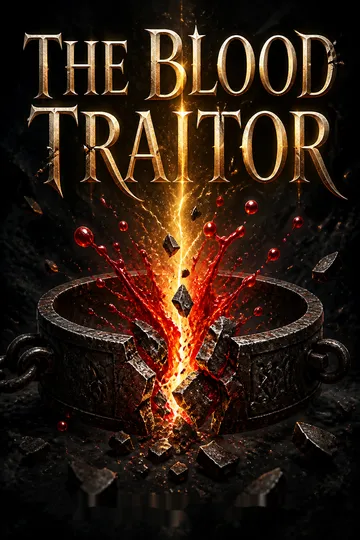
In a rebel camp, the Rebel Queen Tilda Corentine18 weeps alone in her tent, sick with the knowledge that her daughter Zuleeka5 has slaughtered an entire village with death magic, snapping necks with a single gesture. Everyone blames Tilda,18 but she knows the truth: she taught Zuleeka5 the cursed power, and now it is devouring the girl from within.
Confessing to Galdric,7 her oldest and most trusted adviser, Tilda18 admits she was wrong about everything, that she cannot bear to lose anyone else she loves. Together, heads bent, the two of them devise a plan to set things right.
The prologue reframes the entire series' villainy before the present-day story begins, planting the seed that Tilda was a grieving mother rather than a monster and that Zuleeka is the true corruption. Noni weaponizes dramatic irony: readers carry this hidden truth into Kiva's bitterness toward her mother, creating tension between what Kiva believes and what we suspect. The intimacy of Galdric kneeling at Tilda's side establishes a trust that the narrative will later detonate. Maternal guilt, the inheritance of power as both gift and contagion, and the seductive logic of 'one more death for the greater good' are introduced as the moral architecture the book will interrogate.
Burning Out the Angeldust
Kiva1 surfaces at Zalindov prison with her veins on fire, dosed into addiction during the secret journey back from Vallenia. The prison healer writes her off as dead. Instead, Cresta Voss,4 the red-haired ex-quarrier who openly loathed Kiva1 for years, hauls her to the water tunnels and forces remedies down her throat, repaying an old blood debt.
Across two brutal weeks, Cresta4 rations smaller doses, pins Kiva1 under cold showers during screaming fits, and refuses to let her quit. Hollowed by guilt over betraying Jaren2 and handing Zuleeka5 the throne, Kiva1 longs for death. Cresta4 drags her toward a harder truth: survival is a choice, and she owes it to the people she wronged to keep fighting.
Noni opens on rock bottom, using physical withdrawal as a literal embodiment of psychological self-destruction. Kiva's addiction was involuntary, yet she experiences it as deserved punishment, exposing how trauma survivors weaponize guilt against themselves. The inversion of Cresta from tormentor to caretaker dramatizes the book's thesis that debt, not affection, can still produce love. Cresta's mantra that one becomes what one chooses reframes identity as agency rather than fate, directly countering Kiva's fatalism. The sensory extremity, vomit, ice water, charcoal, grounds abstract despair in the body, insisting that recovery is unglamorous labor performed in filthy shower blocks, not a moment of inspiration.
Darkness of the Abyss
Warden Rooke,15 furious that Jaren2 tried to strip him of his post, drags Kiva1 from the tunnels and casts her into the Abyss, a lightless isolation cell where her own demons whisper that no one will forgive her. Cresta4 is thrown in after her for defying the guard Bones.
In the pitch black, Cresta4 shares her past: a Mirraven childhood, an abusive father, a sister lost, a mother dead of lungrot, a failed rebel recruitment that landed her in Zalindov. She forces Kiva1 to exercise in the tiny space, channeling Caldon3's old training, and argues that Kiva1 owes it to Jaren,2 Naari,9 Tipp,8 and Torell11 to try to earn forgiveness rather than rot.
The Abyss externalizes depression as sensory deprivation, where without external stimuli the mind cannibalizes itself. Noni stages recovery as relational: Cresta's confession of her own losses functions as exposure therapy, normalizing Kiva's pain by placing it in a shared human ledger of suffering. The decision to physically move in darkness literalizes a clinical truth, that behavioral activation precedes emotional change. Crucially, the chapter reframes forgiveness as something owed to those harmed rather than a gift one waits to receive, shifting Kiva from passive self-pity to ethical obligation. The blossoming friendship between former enemies models how shared adversity dissolves inherited hatred.
The Bride He Wanted
Mirraven Gray Guards arrive to extract Kiva1 from Zalindov, citing a royal wedding, and Rooke15 reluctantly releases her. She is carried north to Blackmount Castle in Zadria, a fortress of black stone, where a maid named Brynn10 prepares her and warns her of the king's temper. Brought before King Navok,6 Kiva1 assumes he intends to marry her sister Zuleeka,5 sealing the alliance Tilda18 once brokered.
Navok6 corrects her with cruel delight: the bride is Kiva1 herself. He explains that he wants her supposedly superior power as a weapon against Zuleeka,5 and reveals grander ambitions to dominate all of Wenderall by binding Mirraven, Caramor, and Evalon under his rule. Kiva1 is horrified, leaving Cresta4 behind in the prison.
The wedding reversal weaponizes patriarchal politics: Kiva is reduced to a commodity, valued only for the magic in her blood and her bloodline's claim. Navok embodies charismatic tyranny, his physical beauty deliberately jarring against his brutality, forcing Kiva (and the reader) to confront how monstrousness wears an attractive face. His casual confession of plans to puppet weaker monarchs reveals an imperial logic that treats every person, including his own sister, as a pawn. Kiva's revulsion at being chosen over Zuleeka also reactivates her lifelong wound of feeling valued only instrumentally, never for herself, a theme the romance will eventually answer.
A Wedding Gift in Chains
Navok6 escorts Kiva1 into Blackmount's dungeons to present his wedding gift: Galdric Shaw,7 her mother's closest adviser, bruised but alive after being thought killed months earlier. Kiva1 is stunned, given the rebels believed Tilda18 had slain him. The next day Navok6 demands Kiva1 display her healing magic; when it stutters and fails, he backhands her and orders his fire-wielding anomaly Xuru21 to hurl a fireball that scorches her shoulder to the bone.
The torture is interrupted by the arrival of Navok6's gentle sister Serafine13 and her betrothed, the Caramor prince Voshell,20 whose unexpected backbone unsettles the king. Serafine13 tends Kiva1's wounds, while Kiva1 resolves she must flee Blackmount before the wedding binds her forever.
Galdric's resurrection is a deliberate narrative landmine, presented as a gift of answers about Tilda while quietly establishing his survival as suspicious. Navok's torture scene confirms his sadism and introduces the anomaly threat in miniature, demonstrating that elemental magic in cruel hands is annihilating. The juxtaposition of Serafine's kindness against her brother's violence interrogates how victims of tyranny rationalize loyalty: she defends Navok even while nursing the woman he abused. Kiva's burned shoulder becomes a recurring physical stake, and her instinct toward escape over compliance marks her recovered agency, the fighting spirit Cresta rekindled now tested against a far deadlier captor.
The Maid Who Wasn't
Brynn10 returns to Kiva1's chamber and, after a scuffle, reveals her true identity: Ashlyn Vallentis,10 Jaren2's cousin and the general of Evalon's armies, who has spent months undercover spying on Navok.6 Having heard the king intends to bind Kiva1 to him, Ashlyn10 refuses to abandon her. The two disguise Kiva1 as a maid, free Galdric7 from his cell, and fight their way toward the courtyard as Navok6 and his anomalies close in.
Cornered, Galdric7 reveals his own hidden power: windfunneling, a rare air magic that sweeps the three of them off the ground and hurls them hundreds of miles, dumping them outside the Evalonian military base of Stoneforge. Galdric7 collapses, drained, and Ashlyn10 realizes she is home.
The maid's unmasking rewards careful readers and demonstrates the book's fascination with hidden identities, a motif binding Kiva, Cresta, and Galdric alike. Ashlyn's decision to stay for a stranger because her cousins love her articulates loyalty as transitive, extending care along chains of relationship. Galdric's windfunneling is both thrilling deus ex machina and a planted seed: his exceptional power makes him indispensable to the coming quest while raising questions the narrative deliberately leaves dormant. The chapter mechanically transports the story from captivity to reunion, accelerating Kiva from isolated prisoner back into the web of people she betrayed and must now face.
Reunion of Hollow Eyes
Inside Stoneforge's command center, Kiva1 walks into a room holding everyone she lost: Caldon,3 her bound brother Torell,11 an escaped Cresta,4 and Jaren,2 whose eyes are now empty of the magic the Eye of the Gods stole. He looks at Kiva1 with something close to hatred, then walks straight past her into the night.
Caldon,3 however, forgives her, explaining that Jaren2 mostly hates himself for trusting and loving her, and that his father King Stellan has died from his blood illness amid the chaos of Zuleeka5's takeover. Kiva1 learns Torell11 surrendered himself seeking her, and that the young boy Tipp,8 who feels betrayed, refuses to speak to her. The reunion is joy and devastation tangled together.
The reunion stages the consequence of betrayal as social architecture: Kiva must navigate a room of varied wounds, from Caldon's instant grace to Jaren's frozen fury to Tipp's silent rejection. Jaren's hollowed eyes literalize emasculation and loss, his stolen magic a metaphor for an identity gutted. Caldon's insight, that Jaren's rage is really self-directed, reframes anger as displaced grief, a sophisticated psychological read that prevents the love interest from becoming a simple villain. Stellan's offstage death raises the political stakes and burdens Jaren with succession anxiety. The scene establishes the emotional engine of the back half: can rupture be repaired, or only survived?
The Hand That Creates Magic
After Kiva1 conquers her fear and heals Naari9 from Zuleeka5's death-magic coma, Galdric7 lays out the larger danger. Navok6 has been collecting hundreds of anomalies into a magical army, and he covets the Hand of the Gods, an ancient counterpart to the magic-destroying Eye. The Hand is four elemental rings scattered among allied kingdoms; combined and worn while a Corentine healer channels power through them, it can bestow magic.
Navok6 needs Kiva1 to wield it. Galdric7 insists Kiva1 alone can also heal the darkness from Zuleeka.5 The group resolves to gather the rings first, both to deny Navok6 and to restore Jaren2's lost magic, with Galdric7 windfunneling them across the continent and Ashlyn10 learning the technique.
This is the engine room of the plot, converting a personal redemption story into a continental quest with a ticking clock. The Hand and Eye function as mirrored mythic objects, creation versus destruction, encoding the book's central duality between Kiva's healing gift and Zuleeka's death magic. Galdric's expertise positions him as guide and mentor, deepening the trust the narrative will later betray. Naari's awakening doubles as Kiva's first proof that her power, fueled correctly, can undo her sister's evil, planting the climactic confrontation's logic. The collective decision to restore Jaren's magic gives Kiva a redemptive mission concrete enough to organize the entire journey.
Blood Sport in Yirin
In Jiirva's golden capital, the warrior brother-kings Thembi and Ryuu welcome the travelers, then drug their drinks and throw the women into an arena. To earn the fire ring, Kiva,1 Ashlyn,10 Naari,9 and Cresta4 must survive the Arzavaar, a warrior trial against six elite fighters, two of them anomalies, while Jaren,2 Caldon,3 and Tipp8 hang bound as hostages.
Ashlyn10 battles the elementals, Cresta4 and Naari9 cut through the rest, and Kiva,1 nearly drowned by a wind anomaly, is forced to kill a golden-armored warrior with her own dagger to save Naari.9 They win the ruby ring, but Kiva1 is shattered by having taken a life for the first time.
The arena externalizes the cost of survival the whole series has been building toward: Kiva, a healer whose entire identity is mending bodies, must destroy one. The trauma is treated with unusual moral seriousness rather than action-movie shrug, the golden warrior's dying face becoming a haunting Kiva must integrate. Jiirva's gladiatorial culture critiques honor systems that monetize women's bodies and lives as spectacle, with Naari later revealed as a survivor of that machine. The first ring's acquisition through bloodshed rather than diplomacy establishes the pattern that each ring extracts a price, escalating stakes while interrogating whether noble ends justify the violence required to reach them.
Magic Fueled by Love
As the group travels onward, Kiva1's magic keeps failing on command. Jaren,2 despite his lingering distance, steps in to coach her, recognizing that her healing responds to emotion rather than conscious thought. He has her close her eyes and conjure a memory steeped in love; the strongest one she finds is their first kiss at the masquerade.
Golden light blooms in her palms for the first time on demand. Meanwhile, Naari9 privately confesses her own brutal Jiirvan past and forgives Kiva,1 and Tipp,8 terrified after watching Kiva1 nearly die in the arena, finally breaks down, embraces her, and admits he never hated her. The fractured family begins, person by person, to knit back together.
The training scene fuses romance and magic system into a single mechanism: Kiva's power is literally love made visible, so her emotional repression and her magical impotence are the same wound. Jaren's willingness to help while still guarded reveals love surviving beneath resentment, the truth Caldon diagnosed earlier. Naari's and Tipp's forgiveness operationalize the book's restorative-justice ethic, that reconciliation is granted through witnessed suffering and chosen grace rather than earned through penance alone. Tipp's collapse is especially poignant: a child's anger is shown as the inverse face of attachment, and his return completes the first wave of healing that mirrors Kiva's internal recovery.
The Mystican's Cruel Bargain
In Hadris, the dissolute King Sibley admits he traded the air ring to Zofia Sage,16 a mind-reading Mystican in the Midnight Markets. Zofia16 confronts Kiva1 with her two deepest fears and offers a choice as payment: kiss Jaren,2 or swallow a vial of angeldust. Unwilling to force a kiss on a man she believes despises her, Kiva1 chooses the drug and relapses.
High and uninhibited, she is carried back by Jaren2 and, in front of Caldon3 and Cresta,4 confesses everything, her love for him, her self-loathing, the angeldust horror of Zalindov she had hidden. The next morning, mortified, she apologizes and tries to bury it. Jaren,2 now knowing the truth, keeps trying to talk; she keeps fleeing.
Zofia's bargain is psychologically surgical, forcing Kiva to choose between two terrors and revealing that she fears intimacy with Jaren more than chemical self-destruction. The relapse is not moral failure but a measure of how deeply she would rather poison herself than risk his rejection, a devastating index of low self-worth. The drugged confession functions as involuntary truth-telling, externalizing everything she has armored away and removing her control over the narrative she presents. The Mystican's cryptic claim that she is helping plants the seed of a hidden mercy. Crucially, the secret of Zalindov's angeldust now reaches Jaren, dismantling the last wall Kiva hid behind.
Confession on Mount Nebu
In Valorn, Queen Issa22 reveals the earth ring sits in a cave atop deadly Mount Nebu and can only be claimed by a Vallentis and a Corentine together. Jaren2 secretly drugs Caldon3 so he can climb alongside Kiva1 himself. Near the summit the salt mountain splits and Jaren2 plunges into a crevice; Kiva1 hauls him out, and the brush with death cracks her open.
Jaren2 confesses he lied in the desert, that he never hated her, only hated that she had not trusted him with the truth. Kiva1 finally explains she chose him over her family because she feared losing him. They kiss in the storm, reconcile, and retrieve the emerald ring from its enchanted hollow.
The mountain is the romance's crucible, a setting whose literal instability mirrors the couple's fragile footing. Jaren's manipulation of Caldon to engineer privacy is both a charming gambit and proof of his desperation to reach Kiva. His reframing of the betrayal, that the wound was distrust rather than lies, elevates the conflict from plot mechanics to a mature meditation on intimacy: love requires being known, and Kiva withheld herself out of fear, not malice. Her counter-confession completes the mutual exposure the relationship demanded. The near-death context insists that reconciliation only arrives when mortality strips away pride, a recurring engine across the book's emotional turns.
The Ring Was Home
Ashlyn10 windfunnels to the mountaintop with dire news: Navok6's anomalies, coerced by the kidnapping of their families to an impenetrable fortress, have surrounded Vallenia, and Navok6 himself sails down the coast incinerating villages. The group splits, with Ashlyn,10 Eidran,14 and Torell11 racing back to rally soldiers and rebels while the rest seek the last ring in Nerine.
There, Queen Lorah delivers a gut-punch: Sarana never gave away the fourth ring; it stayed in the Vallentis line as the Royal Signet, currently in Vallenia. Worse, it had passed to the traitor Mirryn.12 With three rings and an enemy already at the capital, the company abandons courtesy and rides hard for home, Galdric7 straining his magic to speed them.
The quest's geography folds back on itself: the object sought across four kingdoms was always at the origin, a structural irony underscoring that what Kiva needs has been close all along. Navok's coercion of anomalies through hostage-taking complicates the moral field, his army is composed of victims, making the coming battle a tragedy rather than a clean clash of good and evil. The split party heightens tension by dispersing the protagonists into separate perils. Lorah's revelation reactivates Mirryn's betrayal and the Royal Signet, weaving the political subplot back into the magical one and ensuring the climax will be fought on home ground, where the personal stakes are highest.
Galdric's Long Game
The travelers reach a burning River Palace mid-battle. Kiva1 frees Queen Ariana,17 young Oriel,19 and a remorseful Mirryn12 from Zuleeka5's coma magic, only for Galdric7 to stride in beside Navok,6 holding Tipp8 at knifepoint. Galdric7 reveals he played Kiva1 from the start: he never followed Tilda18 out of loyalty but to broker his own deal, faking imprisonment so Kiva1 would free him and gather the rings.
His reward was to receive magic and the Evalonian throne while Navok6 claimed the continent. Worst of all, he claims to have murdered Caldon3 with necros venom while the prince stayed behind to rest. Cornered, Kiva1 is forced toward the rings as Tipp8 bleeds beneath the blade.
The betrayal recontextualizes the entire quest as a con, retroactively poisoning every helpful thing Galdric did and forcing the reader to reread his mentorship as manipulation. His ambition exposes the rebel cause's rot: the man who preached Corentine restoration wanted only personal power, indicting ideology as a mask for appetite. Caldon's reported death lands as the book's cruelest blow, striking at Kiva's most unconditional bond. The hostage tableau, Tipp under the knife, weaponizes Kiva's defining flaw, her love for family, exactly as Galdric names it. The scene engineers maximum helplessness precisely so the next reversal can reclaim agency.
The Amulet's Secret Power
Queen Ariana17 signals Kiva1 with a glance toward the Vallentis amulet at her chest. Kiva1 realizes the four rings are decoys; Sarana melted the originals into the amulet Kiva1 has worn all along, leaving the rings as a dead-man's trap. When Galdric7 forces the replica rings onto his fingers and demands his magic, they ignite and burn him to ash.
In the chaos, Kiva1 sprints to the bridge, presses the amulet to Jaren,2 and channels her power through it to restore his elemental magic at the cost of the artifact, which can work only once. On the bridge, Cresta4 confronts Navok,6 reveals she is his presumed-dead sister Crestoria Kildarion, and challenges him to a blood duel.
The amulet twist rewards the long-running mystery of why Sarana never warned her heirs, resolving setup with elegant payoff: the protective trinket was the legendary weapon hidden in plain sight, mirroring the book's obsession with concealed identities. Galdric's fiery death is poetic justice, his greed literally consuming him. Restoring Jaren's magic fulfills Kiva's redemptive mission and symbolically returns what her family's actions took. Cresta's revelation crowns the novel's identity motif: the prickly prisoner was royalty all along, her relentless training revealed as preparation for this duel. The bridge becomes the convergence point where every hidden truth surfaces at once, propelling the multi-front climax.
Sister Against Sister
Zuleeka5 appears on the bridge, drawn out by Kiva1's healing glow, killing her own anomalies with casual gestures. Kiva1 duels her, light against shadow, while Tipp8's earlier rescue is revealed: the Mystican's vial cured Caldon3's necros venom, and he is alive. Kiva1 burns the death magic from Zuleeka5 with a blast of love-fueled power, but Zuleeka,5 never truly defeated, hurls the Eye of the Gods dagger at Jaren.2
Kiva1 dives into its path, taking the blade in her stomach and losing her healing magic forever. With her last strength she slashes Zuleeka5 with the same Eye, stripping her sister's death magic permanently. Cresta4 runs Navok6 through, claiming Mirraven's throne, as Kiva1 collapses, bleeding out.
The climax resolves the book's central duality through sacrifice: Kiva gives up the very gift that defines her to protect Jaren's future, completing her arc from a woman who hid her power to one who relinquishes it freely. The reveal that Caldon lives transforms despair into vindication for Tipp's instinctive faith in the Mystican. Zuleeka's refusal to be healed peacefully insists that some corruption resists redemption, complicating the book's restorative ethic with realism. The mutual disarming of both sisters by the Eye is symbolically perfect, two heirs of magic returned to ordinary humanity. Cresta's victory simultaneously topples the external tyrant, braiding personal and political climaxes into one decisive moment.
Justice at Zalindov's Gate
Kiva1 survives, mended at Silverthorn over weeks of recovery. The Royal Council exiles the repentant Mirryn12 to Mirraven with the new queen Cresta4 and Serafine,13 and sentences the unrepentant Zuleeka5 to Zalindov. A month later, the reunited friends travel to the prison to deliver Zuleeka,5 and Kiva1 and Torell11 say a grieving goodbye to their sister.
Then Jaren2 springs justice on Warden Rooke:15 stripped of his post and sentenced both to life at Zalindov and to its lethal Trial by Ordeal, branded with the prisoner's mark. Eidran14 takes over as interim warden to reform the place so future inmates can earn freedom. Magicless but at peace, Kiva1 chooses to study healing at Silverthorn, and the friends look toward a future they can finally dream.
The resolution distributes justice along a moral gradient, exile for the remorseful, imprisonment for the unrepentant, lethal reckoning for the irredeemable tyrant, modeling proportionality rather than vengeance. Zalindov's reform inverts the prison from death sentence to rehabilitation, redeeming the setting that nearly destroyed Kiva and externalizing her own arc of survival into systemic change. Kiva's loss of magic is reframed not as diminishment but liberation: freed from her bloodline's dark potential, she chooses to become a healer through learning rather than blood, asserting that identity is made, not inherited. The closing turn toward dreaming answers the prologue's despair, completing a survivor's passage from enduring to living.
Analysis
The Blood Traitor closes a trilogy by transforming a survival narrative into a meditation on agency, identity, and the ethics of inherited power. Its governing duality, healing magic against death magic, externalizes a question the book asks of every character: are we the sum of what we are given, or what we choose? Kiva,1 raised to fear a power that could make her either savior or monster, learns that her magic answers to love rather than dread, and ultimately surrenders it entirely, asserting that selfhood is constructed through choice and care, not bloodline. Noni stages recovery with unusual honesty. Addiction, suicidal ideation, and the trauma of killing are not glossed but worked through in cold shower blocks, arena sand, and sleepless nights, insisting that healing is unglamorous, relational labor. The motif of concealed identity threads everything together: a spy in a maid's apron, a prisoner of royal blood, a mentor wearing repentance like a mask, a trinket hiding a relic. These reversals argue that to be truly known is the precondition for both betrayal and love, which is precisely the wound at the center of Kiva1 and Jaren2's romance, where the offense was never the lie but the withheld trust. Politically, the novel critiques cycles of tyranny, Navok6 mirrors the father he murdered, rebellion masks personal appetite, and prisons manufacture the cruelty they claim to contain. Its resolution distributes justice along a careful moral gradient, exile, imprisonment, lethal reckoning, refusing both vengeance and easy mercy. The reformation of Zalindov from death sentence to rehabilitation externalizes Kiva1's private arc into systemic change, completing the survivor's passage the prologue's despair set in motion: from merely enduring to genuinely living, and finally, daring to dream.
Review Summary
The Blood Traitor receives mostly positive reviews, with readers praising its emotional depth, character development, and satisfying conclusion to the trilogy. Many highlight the found family aspect and the growth of protagonist Kiva. Some criticize pacing issues and predictable plot twists. The romance between Kiva and Jaren divides opinions, with some finding it frustrating while others enjoy their dynamic. Overall, fans appreciate the series' world-building, magic system, and themes of hope and redemption.
People Also Read
Characters
Kiva Corentine
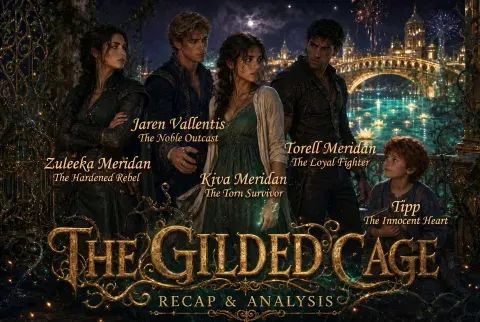
Guilt-ridden healer fighting backA young woman who survived a decade in Zalindov prison and emerged carrying both a Corentine healer's magic and crushing guilt over betraying the people she came to love. Kiva's defining wound is feeling valued only for her usefulness, never herself, which manifests as relentless self-blame and a tendency to martyr herself for others. Her arc moves from suicidal despair through painful recovery toward self-forgiveness, as she learns that her power is fueled by love rather than fear. Fiercely protective of the boy Tipp8 and her brother Torell11, she struggles to believe she deserves the affection offered to her. Torn between her birth family and the family she has chosen, Kiva must decide who she will be when no one else gets to choose for her.
Jaren Vallentis
Dethroned prince, lost magicThe once-heir to Evalon, known to his people as the People's Prince, who lost his elemental magic and his throne when Kiva1's sister stole both. Beneath a composed, commanding exterior, Jaren wrestles with grief and self-loathing, blaming himself for trusting and loving the woman who betrayed him. His coldness toward Kiva1 masks a love he cannot extinguish. Patient, principled, and instinctively protective, he repeatedly shields others at cost to himself. His deepest hurt is not that Kiva1 lied but that she never trusted him with her truth. As he adjusts to life without power, he confronts what makes a leader and a man when the gift that defined him is gone, learning to value who he is over what he can do.
Caldon
Loyal cousin and trainerJaren2's cousin and Kiva1's fiercest friend, a gifted fire-wielder and warrior who hides deep loyalty behind relentless teasing and arrogance. Caldon alone knew Kiva1's secret all along and chose to love her anyway, making him her safest harbor. He nicknames her Sunshine and Sweet Cheeks, deflecting heavy emotion with humor while showing up unfailingly when she breaks. Estranged for years from his sister Ashlyn10 after their parents died, he avoided military bases and family alike to escape grief. His warmth toward Kiva1, his protectiveness of the boy Tipp8, and his crackling, combative chemistry with the prickly Cresta4 reveal a man who loves loudly but guards his own wounds. He trains Kiva1 relentlessly, insisting small steps are still steps.
Cresta Voss
Hardened prisoner with secretsA muscular, red-haired ex-quarrier with a serpent tattoo who spent over five years in Zalindov and once openly despised Kiva1. Born in Mirraven, she survived an abusive father, a sister's overdose, and a mother's death, hiding her accent and her past to blend in. Brutally pragmatic and allergic to sentiment, Cresta repays debts whether or not she wants to, which is how she becomes Kiva1's unlikely savior and then her friend. Fluent in many tongues and lethal with a blade, she trains obsessively and stirs trouble for sport. Beneath the armor of sarcasm lies someone who has learned that life is worth living even through the parts that make you want to die, and who quietly, against her will, comes to care.
Zuleeka
Sister wielding death magicKiva1's older sister, a moon-pale, honey-eyed woman who inherited the Corentine line's corrupting death magic and embraced it. Ambitious and jealous since childhood, she resented anyone who drew their mother's praise, including the powerful younger sister she helped keep imprisoned. Zuleeka believes everything she does is for their family and their bloodline's rightful claim to Evalon's throne, a conviction that curdles into ruthlessness as her power grows. Capable of snapping necks and stopping hearts with a thought, she experiences magic as both intoxicating and consuming. Her tragedy is that each use of darkness erodes her further, and she cannot tell whether her cruelty is the magic's corruption or her own choice. To Kiva1 she remains both monster and the sister she once loved.
Navok
Magic-obsessed conquering kingThe young king of Mirraven, ruggedly handsome, brilliant, and incomparably brutal, who murdered his own father to seize the throne. Navok is obsessed with magic he does not possess, building an army of anomalies and scheming to dominate every kingdom in Wenderall. He treats every person, including his sister, as a pawn whose value lies in their utility, and he honors deals only when they serve him. His charm is a blade; he wields beauty and cultured speech to disarm before he strikes. Beneath the ambition lies a man shaped by a violent household, mirroring the abusive father he replaced. His hunger to acquire power he was denied drives the continental threat at the story's heart.
Galdric Shaw
Mother's trusted adviserThe former leader of the rebels and Tilda Corentine18's closest friend and adviser, a man in his forties from a long line of Corentine loyalists guarding ancient knowledge. Possessing the rare air magic of windfunneling, he presents himself as a repentant guide who helped lead Kiva1 astray and now wishes to make amends. He claims to have loved Tilda18 and to regret the rebellion's cost. Soulful-eyed and seemingly humble, he carries crucial information about the Hand of the Gods and Kiva1's family history. Whether his contrition is genuine or his guidance trustworthy is a question that shadows every mile of the quest he so conveniently makes possible.
Tipp
Beloved freckled boyA freckle-faced, gap-toothed boy with a stutter whom Kiva1 loves like a little brother after years together at Zalindov. Endlessly cheerful and curious, Tipp aspires to be a healer like Kiva1. His discovery that she hid her true identity wounds him deeply, and his cold silence wounds her in return. His capacity for forgiveness and his fierce, frightened love prove pivotal to the story's emotional core.
Naari
Stoic warrior guardA skilled, amber-eyed guard with a prosthetic hand who values honesty and loyalty above all. Naari fled a brutal life in Jiirva, where she was forced to kill fellow trainees in the arena, and abandoned her family rather than become a full warrior. Protective of Jaren2 and slow to forgive betrayal, she nonetheless understands the weight of taking a life better than anyone, making her an unexpected source of grace for Kiva1.
Ashlyn Vallentis
Undercover general and cousinJaren2 and Caldon3's cousin, the white-armored general of Evalon's armies, fair-haired and utterly self-possessed. Capable of wind and earth magic, Ashlyn infiltrates Navok6's court disguised as a maid. Estranged from her brother Caldon3 since their parents died, she carries a one-sided grief over their distance. Brilliant, decisive, and quietly kind, she risks everything for a stranger because her family loves her.
Torell
Kiva's brother, rebel generalKiva1's older brother, the rebel forces' general known as the Jackal, who reunited with her only to face their sister's monstrousness. Loyal, principled, and tormented by guilt that he failed to stop Zuleeka5, Torell surrenders himself to enemies to find Kiva1. His unwavering sense of justice anchors the family's reckoning, and a tentative bond grows between him and Ashlyn10.
Mirryn
Jaren's traitorous sisterJaren2 and Oriel19's sister, a Vallentis princess who betrayed her family by allying with Navok6 and Zuleeka5 out of love for Serafine13 and bitterness over her place. Capable with air and fire magic, she is haughty and scheming yet, the narrative suggests, capable of devastating regret. Her treason and its aftermath force the family to weigh love against justice.
Serafine
Navok's gentle sisterNavok6's kind, auburn-haired sister, beloved for her gentle spirit and betrothed against her wishes to the Caramor prince Voshell20. In love with Mirryn12, she stays loyal to her brutal brother because he is all the family she has left, embodying the painful bonds that tie victims to tyrants.
Eidran
Quiet master spyOne of Evalon's best intelligence-gatherers, a large, calming, taciturn man who joins the quest to investigate the anomaly communities. His steady, solitary presence soothes Kiva1, and his competence proves quietly essential.
Warden Rooke
Cruel prison masterThe diamond-scarred Warden of Zalindov, responsible for countless deaths including Kiva1's father. Governed by all eight kingdoms rather than Evalon alone, he is sadistic, vindictive, and resentful that Jaren2 tried to remove him, taking out his displeasure on Kiva1.
Zofia Sage
Cryptic mind-magic MysticanA beautiful, silver-eyed Mystican from across the ocean, tattooed in runes, who reads minds and trades in fears. She demands strange prices and speaks in riddles, claiming her cruelties are mercies that will one day be understood.
Queen Ariana
Jaren's captive motherJaren2's mother and queen of Evalon, held hostage in her own palace. Wielder of water and earth magic, she carries Sarana's ancient secrets and the calm authority to deploy them at the decisive moment.
Tilda Corentine
The late Rebel QueenKiva1's deceased mother, the Rebel Queen who once healed freely before death magic and grief consumed her. Her hidden love for Kiva1 and her desperate final choices ripple through the entire story.
Oriel
Jaren's young brotherThe youngest Vallentis sibling, a small boy held hostage with his mother, devoted to his pet silverbear Flox and his friend Tipp8. His innocence raises the stakes of the family's struggle.
Voshell
Defiant Caramor princeSerafine13's betrothed, a dark-skinned Caramor prince Navok6 dismisses as weak. He surprises everyone with a backbone, confronting Navok6 over the anomalies and ultimately moving to close Caramor's borders.
Xuru
Navok's fire anomalyA dark-eyed elemental anomaly in Navok6's personal guard who wields fire with cruel relish, serving as the king's enforcer and a recurring threat to Kiva1.
Queen Issa
Young Valornian queenThe child-queen of Valorn, barely twelve, bubbly and unguarded, mentored by the stern Lady Silence. She adores Jaren2 and Caldon3 and guards the secret of the earth ring atop Mount Nebu.
Plot Devices
The Hand of the Gods
Magic-creating ancient artifactAn ancient counterpart to the magic-destroying Eye, said to be four elemental rings that, worn together while a Corentine healer channels power through them, can bestow elemental magic on a person. Gifted long ago to Torvin and Sarana as a symbol of peace, it requires both Vallentis and Corentine magic to function. Navok6 covets it to gain his own power and expand his anomaly army, which makes Kiva1, the last Corentine healer, indispensable to his plans. The quest to gather the rings before he can drives the entire second half of the book, with the stated hope of restoring Jaren2's stolen magic and arming Evalon against Navok6. Its true nature carries a concealed surprise.
The Eye of the Gods
Dagger that destroys magicA bladed relic passed down the Corentine line that permanently strips a person of their magic when it wounds them. Earlier in the saga it was used to take Jaren2's elemental power, the loss that hollows him throughout this book. Its existence establishes that magic can be erased as well as created, mirroring the Hand. The dagger reappears at crucial moments, a loaded weapon nobody can afford to forget, and its capacity to disarm both sides of the magical conflict makes it the ultimate equalizer. Whoever controls it can unmake a magic-wielder in a single strike, lending every scene containing it a coiled, irreversible danger.
Angeldust addiction
Embodied trauma and temptationA glittering golden narcotic so potent that abrupt withdrawal can kill. Dosed into Kiva1 during her secret journey back to Zalindov, it leaves her physically dependent, and her agonizing detox under Cresta4's care opens the book. The drug becomes a recurring symbol of Kiva1's self-destruction and shame, especially given Jaren2's own scars from his mother's addiction. When a later bargain forces Kiva1 to choose between intimacy and relapse, angeldust measures exactly how little she values herself. Its caramel scent triggers her panic throughout, making it a sensory anchor for the trauma she must outgrow rather than escape.
Windfunneling
Rare long-distance travel magicA closely guarded air-elemental technique that whips a person into a vortex and hurls them hundreds of miles in moments. Known only to Galdric7 and, eventually, the quick-learning Ashlyn10, it is the engine that makes a continent-spanning quest possible within a desperate timeframe. The travel is violent and nauseating, hard on horses and stomachs alike, which keeps it from feeling like an easy shortcut. Its scarcity makes the characters who can perform it strategically vital, and its convenient availability at key moments quietly shapes who holds power over the group's movements and fate.
Hidden identities
Concealed selves drive reversalsThe book runs on people who are not who they appear to be. A humble maid is a spying general; a sarcastic ex-quarrier guards royal blood; a helpful rescued ally hides his true allegiance; an ordinary protective amulet conceals something legendary. This recurring motif structures the major reversals and rewards attentive readers who catch the planted clues, from subtle family resemblances to a character's suspicious fluency and fighting skill. Thematically it reinforces Kiva1's own journey, since she spent a decade hiding her name and magic, and it argues that knowing someone truly, beneath the disguise, is the precondition for both betrayal and love.
FAQ
Synopsis & Basic Details
What is The Blood Traitor about?
- Journey of Redemption: The Blood Traitor follows Kiva Corentine after her role in the rebellion's success leads to the downfall of Evalon's royal family and her return to Zalindov prison, where she must confront her past, addiction, and the consequences of her choices.
- Quest for Power: Forced into an alliance with her former enemies and unexpected allies, Kiva embarks on a perilous quest across kingdoms to gather ancient magical artifacts, the Hand of the Gods, to counter a growing threat from the ambitious Mirraven King Navok and his army of anomalies.
- Battle for Evalon: The journey culminates in a confrontation at the River Palace, where Kiva must face her sister Zuleeka, Navok, and the emotional fallout of her betrayals, ultimately making a sacrifice that determines the fate of her friends, family, and the kingdom.
Why should I read The Blood Traitor?
- Deep Emotional Resonance: The book delves into complex themes of guilt, forgiveness, addiction, and the psychological toll of trauma, offering a raw and honest portrayal of Kiva's struggle for redemption that resonates deeply.
- Intricate World-Building & Magic System: It expands the established world of Wenderall, introducing new kingdoms, cultures, and a deeper understanding of elemental and Corentine magic, including the powerful Hand of the Gods and the dangerous rise of anomalies.
- Satisfying Character Arcs & Relationships: Readers witness significant growth and evolution in beloved characters like Kiva, Jaren, and Caldon, while exploring complex new dynamics and surprising revelations, particularly regarding Cresta and Galdric, leading to powerful moments of reconciliation and sacrifice.
What is the background of The Blood Traitor?
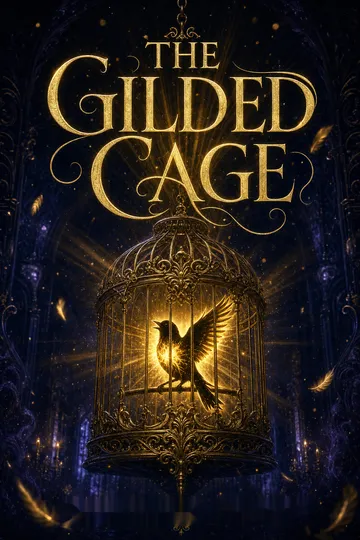
- Immediate Aftermath: The story picks up directly after the dramatic ending of The Gilded Cage, dealing with the immediate consequences of Zuleeka Corentine and Mirryn Vallentis seizing the Evalonian throne and Kiva's forced return to Zalindov.
- Ancient Feud & Prophecy: It is rooted in the ancient conflict between the Corentine and Vallentis bloodlines, exploring the legacy of Torvin and Sarana and the prophecy surrounding their magic, which becomes central to the quest for the Hand of the Gods.
- Political Instability: The narrative is set against a backdrop of widespread political turmoil in Wenderall, with the Evalonian throne overthrown, alliances shifting (Evalon/Mirraven, Mirraven/Caramor), and King Navok of Mirraven actively seeking to expand his power across the continent.
What are the most memorable quotes in The Blood Traitor?
- "You are who you choose to be. You are what you choose to be.": Spoken by Cresta to a drug-addled Kiva in Zalindov (Chapter 1), this quote becomes a central theme for Kiva's journey, emphasizing agency and self-determination in the face of overwhelming circumstances and past mistakes.
- "He hates that he fell in love with you. He hates everything that happened—and he blames himself more than anyone. Including you.": Caldon reveals Jaren's inner turmoil to Kiva (Chapter 10), highlighting the depth of Jaren's pain and self-recrimination after Kiva's betrayal, and underscoring the complexity of their fractured relationship.
- "I chose you, Jaren. I will always choose you. Because I love you, and I—": Kiva's raw declaration to Jaren on Mount Nebu (Chapter 26) marks a pivotal emotional turning point, signifying her acceptance of her feelings, her choice of him over her family's legacy, and paving the way for their reconciliation.
What writing style, narrative choices, and literary techniques does Lynette Noni use?
- First-Person Perspective: The story is told primarily from Kiva's first-person point of view, immersing the reader in her internal struggles, emotional turmoil, and subjective experience of the events, particularly effective during her withdrawal and moments of intense guilt.
- Visceral and Sensory Language: Noni employs vivid descriptions, especially in depicting the harsh realities of Zalindov, the sensory overload of the Midnight Markets, and the physical sensations of magic and pain, drawing the reader deeply into Kiva's physical and psychological state.
- Foreshadowing and Symbolism: Subtle hints and recurring motifs (like the duality of light and shadow magic, the significance of touch, and the symbolism of the rings/amulet) are woven throughout the narrative, building suspense and adding layers of meaning to the characters' journeys and the overarching plot.
Hidden Details & Subtle Connections
What are some minor details that add significant meaning?
- Galdric's Prologue Appearance: The opening scene featuring Tilda and Galdric crying in a tent (Prologue) initially seems to portray Galdric as Tilda's loyal confidant, begging for his queen's help. This seemingly minor detail gains immense significance later when it's revealed he was manipulating Tilda and planning his own rise to power, highlighting his deep-seated duplicity from the very beginning.
- Cresta's Serpent Tattoo: Cresta's prominent serpent tattoo (Chapter 1) is more than just a physical identifier; it subtly foreshadows her hidden identity as Crestoria Vossendi Kildarion, sister to King Navok. The serpent, often associated with cunning and transformation, mirrors her journey from a hardened prisoner to a strategic player and eventual queen.
- The Mystican's Riddle: Zofia Sage's riddle, "Enter in if you dare, but do so being fully aware, there is a payment to prepare: the heart will tell what you most care" (Chapter 22), is a seemingly simple warning. However, it precisely predicts the nature of the price she demands (facing a deep fear) and the emotional core of Kiva's choice, emphasizing the Mystican's uncanny ability to perceive inner truths.
What are some subtle foreshadowing and callbacks?
- Kiva's Magic and Water: Kiva's near-drowning experiences (Trial by Water, Queen Ariana's attack) are callbacks that subtly foreshadow the air anomaly's attempt to drown her in the Jiirvan arena (Chapter 26). This recurring motif highlights Kiva's vulnerability to water and emphasizes the life-or-death stakes of magical combat, even against elements seemingly unrelated to her healing power.
- Caldon's Avoidance of Military Bases: Caldon's discomfort and avoidance of military outposts like Stoneforge (Chapter 10) are subtle hints at his unresolved trauma related to his parents' death in a shipwreck. His eventual willingness to stay at Stoneforge and later Highworth Keep signifies his emotional growth and reconciliation with his past and his sister, Ashlyn.
- The Royal Signet's Appearance: The brief mention and visual description of Queen Ariana wearing the Royal Signet ring (Chapter 28) is a crucial piece of subtle foreshadowing. It appears as a seemingly normal royal artifact, but its later revelation as the final piece of the Hand of the Gods, hidden in plain sight, is a powerful callback to Sarana's original plan and adds a layer of clever misdirection to the quest.
What are some unexpected character connections?
- Cresta and Navok's Sibling Relationship: The most unexpected connection is the reveal that Cresta Voss is actually Crestoria Kildarion, King Navok's long-lost sister (Chapter 30). This transforms Cresta from a mere ally into a key player in the political landscape and provides a deeply personal motivation for her actions against Navok, rooted in their shared traumatic past and his betrayal of their sister, Serafine.
- Galdric's Alliance with Navok: Galdric Shaw, initially presented as Tilda's loyal friend and rebel leader, is revealed to have been working with King Navok all along (Chapter 29). This connection is shocking because it recontextualizes all of Galdric's actions, from lying to Tilda about Kiva's release to manipulating Kiva into collecting the rings, exposing his ambition and duplicity.
- Naari's Jiirvan Past: Naari's history as a former arena warrior in Jiirva (Chapter 15) is an unexpected connection to one of the quest locations. This personal history adds depth to her character, explaining her stoicism and combat skills, and provides unique insight into the brutal culture and the stakes of the Arzavaar trial.
Who are the most significant supporting characters?
- Cresta Kildarion (Voss): Beyond her initial role as Kiva's reluctant savior, Cresta becomes a vital ally, offering pragmatic survival skills, emotional support, and unexpected humor. Her hidden identity and challenge to Navok make her pivotal to the climax and the resolution of the Mirraven conflict, establishing her as a powerful figure in her own right.
- Ashlyn Vallentis: As the General of Evalon's armies and a powerful anomaly, Ashlyn provides crucial strategic leadership, magical support, and a vital connection to the Vallentis family's resources. Her personal journey of reconciliation with Caldon and her budding relationship with Torell add significant emotional depth to the narrative.
- Galdric Shaw: Although ultimately revealed as a villain, Galdric is a significant supporting character due to his deep knowledge of Corentine history, magic, and the Hand of the Gods. His manipulation drives a large portion of the plot, and his betrayal serves as a major turning point, highlighting the theme of trust and its fragility.
Psychological, Emotional, & Relational Analysis
What are some unspoken motivations of the characters?
- Kiva's Need for Punishment: Beyond her stated guilt, Kiva's initial passive acceptance of her suffering in Zalindov (Chapter 2) suggests an unspoken motivation: a deep-seated belief that she deserves the pain as penance for her perceived failures and betrayals. Her numbness is a psychological defense mechanism against this overwhelming self-recrimination.
- Jaren's Protective Instinct: Despite his anger and stated desire to distance himself from Kiva, Jaren's actions repeatedly reveal an unspoken, deeply ingrained protective instinct towards her (e.g., his panicked reaction to Caldon's fire training, his immediate move to shield her on the bridge). This suggests his love and concern for her are involuntary, overriding his conscious attempts to remain detached.
- Cresta's Search for Belonging: While Cresta claims to act out of blood debt or self-interest, her increasing integration into the group and her eventual challenge to Navok (Chapter 30) are driven by an unspoken motivation: a longing for belonging and a desire to protect the "found family" she has unexpectedly gained after years of isolation and loss. Her initial churlishness is a defense against vulnerability.
What psychological complexities do the characters exhibit?
- Kiva's Trauma and Addiction: Kiva's psychological complexity is most evident in her struggle with angeldust addiction and withdrawal (Chapters 1-3). The narrative portrays the physical and mental agony, the shame, and the lingering fear of relapse (Chapter 23), showcasing the deep psychological scars left by her time in Zalindov and the trauma of being drugged.
- Jaren's Grief and Identity Crisis: Jaren exhibits psychological complexity as he grapples with the loss of his magic and his identity as the elemental prince (Chapter 10, 27). His struggle is compounded by grief over his father's death and the betrayal by Kiva and Mirryn, leading to moments of lashing out and self-blame before he begins to heal and redefine himself beyond his powers.
- Zuleeka's Corruption and Jealousy: Zuleeka's descent into madness and cruelty (Chapter 31) is portrayed as a complex interplay of inherited dark magic and deep-seated psychological issues, particularly jealousy towards Kiva and a desperate need for validation and power. Her inability to feel remorse or accept healing highlights the destructive nature of unchecked ambition and emotional darkness.
What are the major emotional turning points?
- Kiva's Acceptance of Self: A major emotional turning point occurs when Kiva, alone in the infirmary, chooses to embrace her magic and her identity as a healer, fueled by love and hope rather than fear (Chapter 14). This internal shift allows her to overcome her magical block and begin her path toward self-forgiveness and active participation in the quest.
- Jaren and Kiva's Reconciliation: The emotional climax of their relationship occurs on Mount Nebu (Chapter 26) when Jaren confesses he never hated Kiva and she declares her unwavering love for him. This raw, honest conversation, prompted by a near-death experience, allows them to break through weeks of pain and miscommunication, leading to a powerful reconciliation.
- Caldon and Ashlyn's Reunion: The emotional turning point for the Vallentis siblings happens after the Jiirvan arena battle (Chapter 16), when Caldon, fearing he could have lost Ashlyn, finally confronts his guilt over avoiding her. Their tearful embrace and apology signify the healing of a long-standing rift and the reaffirmation of their deep sibling bond.
How do relationship dynamics evolve?
- Kiva and Cresta: Their dynamic evolves from mutual animosity and reluctant alliance in Zalindov (Chapters 1-4) to a complex, fiercely loyal friendship (Chapters 16, 24). Cresta's blunt honesty and unwavering support help Kiva survive, while Kiva's acceptance and inclusion offer Cresta a sense of belonging, culminating in Cresta's protective fury when Kiva is harmed.
- Kiva and Jaren: Their relationship transforms from deep love and trust to devastating betrayal and painful estrangement (Chapters 1-10). The quest forces them into proximity, leading to moments of lingering affection mixed with resentment, culminating in a raw confrontation and passionate reconciliation (Chapter 26) that rebuilds their bond on a foundation of honesty and forgiveness.
- Torell and Ashlyn: Their dynamic shifts from wary respect between opposing generals (Chapter 11) to a burgeoning romantic connection (Chapters 18-19). Their shared experiences, mutual admiration for each other's leadership, and willingness to bridge the divide between their families allow a genuine relationship to develop, symbolizing hope for unity between Corentines and Vallentis.
Interpretation & Debate
Which parts of the story remain ambiguous or open-ended?
- The Future of Corentine Magic: While Kiva loses her healing magic and Zuleeka's death magic is purged, the long-term implications for the Corentine bloodline's magical abilities remain somewhat open-ended. It's unclear if the potential for either healing or death magic is permanently gone from the line or merely dormant, leaving room for future stories or interpretations.
- The Fate of Navok's Anomalies' Families: The story reveals that Navok coerced his anomaly army by kidnapping their loved ones and holding them at Darkwell Keep (Chapter 27). While Navok is defeated, the fate of these imprisoned families is not explicitly detailed, leaving their release and reunion with the surviving anomalies as an unresolved element.
- The Full Extent of Mystican Magic: Zofia Sage's abilities (mind-reading, fortune-telling, creating a cure for necros venom) are portrayed as powerful and mysterious (Chapters 22-23, 32). The narrative hints at the broader capabilities of Mysticans from Adastria and Mahari but doesn't fully explain their magic system, leaving much about their powers and origins ambiguous.
What are some debatable, controversial scenes or moments in The Blood Traitor?
- Cresta Stabbing Jaren: Cresta deliberately stabbing Jaren in the thigh to provoke Kiva's magic (Chapter 14) is a highly debatable moment. While framed as necessary motivation for Kiva's training, the act is violent, causes Jaren real pain, and uses his vulnerability against him, raising questions about the morality of the characters' methods and whether the ends justify the means.
- Kiva Choosing Angeldust over Kissing Jaren: Kiva's decision to take angeldust rather than kiss Jaren to pay the Mystican's price (Chapter 23) is controversial. It highlights the depth of her trauma and fear of emotional vulnerability, but also involves a self-destructive choice that risks her sobriety and causes her significant harm, prompting debate about whether it was a necessary sacrifice or a misguided act of self-punishment.
- Rooke's Punishment: The decision to sentence Warden Rooke to the Trial by Ordeal at Zalindov (Chapter 33), a trial he himself oversaw and which is essentially a death sentence, is a moment open to debate. While framed as justice for his atrocities, it mirrors his own cruelty and raises questions about whether the heroes are perpetuating the cycle of violence they sought to end.
The Blood Traitor Ending Explained: How It Ends & What It Means
- Climax and Sacrifice: The story culminates in a chaotic battle at the River Palace. Kiva confronts Zuleeka on the bridge, using her love-fueled healing magic to purge her sister's death magic. However, Zuleeka, defeated but unrepentant, throws the Eye of the Gods at Jaren. Kiva intercepts the dagger, losing her magic but saving Jaren's powers and his right to rule. Cresta simultaneously defeats and kills her brother, Navok, in a blood duel, becoming queen of Mirraven.
- Resolution and New Beginnings: Kiva is gravely wounded but survives, healing at Silverthorn. Caldon, thought dead from Galdric's betrayal, is revealed to be alive, saved by Tipp and a Mystican cure. Galdric is destroyed by the Hand of the Gods. Zuleeka is sentenced to Zalindov, and Warden Rooke is also brought to justice via the Trial by Ordeal. Jaren's magic is restored, and the Vallentis family reclaims the throne.
- Meaning and Themes: The ending signifies the triumph of love, forgiveness, and found family over betrayal, ambition, and darkness. Kiva's sacrifice highlights that true power lies not just in magic, but in selfless love and the choices one makes. Her loss of magic, while painful, frees her from the fear of her bloodline's darkness and allows her to pursue her dream of becoming a healer through conventional means. The final scene at Zalindov, with Rooke facing the Trial and the promise of prison reform, symbolizes a breaking of the cycle of cruelty and a future built on justice and hope. The story concludes with Kiva choosing to stay in Vallenia with Jaren and her friends, embracing a future defined by healing and dreams.
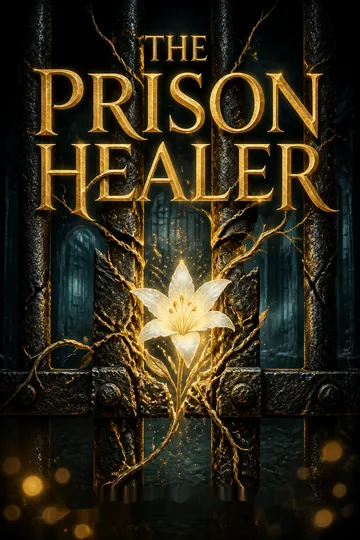
The Prison Healer Series
About the Author
Download PDF
Download EPUB
.epub digital book format is ideal for reading ebooks on phones, tablets, and e-readers.








































