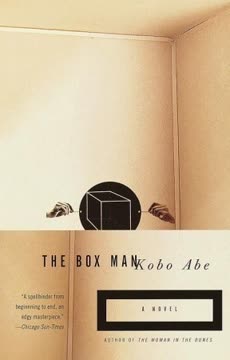
Plot Summary
Becoming the Box Man
The narrator, once a photographer, recounts his decision to become a "box man"—a person who lives inside a cardboard box, moving through the city unseen, anonymous, and detached from society. He describes the sensation of donning the box, the initial fear and thrill, and the transformation from a visible, named individual to an invisible, nameless presence. The box becomes both armor and prison, a means to observe the world without being observed. The narrator's journey is not just physical but existential, as he seeks to escape the burdens of identity, expectation, and connection. The box is a radical act of self-erasure, a protest against the world's demands, and a search for a new kind of freedom—one that comes at the cost of profound isolation.
Instructions for Disappearance
The narrator provides meticulous, almost ritualistic instructions for constructing a box suitable for living. He details the materials, dimensions, and modifications needed for survival and anonymity: observation slits, waterproofing, hooks for essentials, and the all-important vinyl curtain that allows the box man to see without being seen. The process is both practical and symbolic, emphasizing the importance of blending in, of becoming indistinguishable from other boxes. The box is not just shelter but a tool for erasing the self, for becoming a ghost in the city. The instructions reveal the narrator's obsessive attention to detail and his desire for control in a world that feels chaotic and threatening. The act of building the box is a ritual of self-negation and a preparation for a new, liminal existence.
The Case of A: Transformation
The story of "A" illustrates how ordinary people can be drawn into the world of box men. A is initially disturbed by the presence of a box man outside his apartment, feeling anger, fear, and disgust. His attempts to remove the box man—through threats, violence, and appeals to authority—fail, and he becomes obsessed. Eventually, A finds himself compelled to try on a box, first as an experiment, then as a refuge. The transformation is gradual but inevitable: the box becomes a sanctuary from the thorns of daily life, a place of comfort and self-discovery. A's journey mirrors the narrator's, suggesting that the desire to disappear, to escape the gaze of others, is universal. The case of A is a cautionary tale about the seductive power of anonymity and the thin line between observer and observed.
The Temptation of Anonymity
The narrator reflects on the psychological and social implications of becoming a box man. He distinguishes box men from beggars and vagrants, emphasizing the deliberate choice to disappear rather than being forced by circumstance. The box man's existence is marked by a chronic "paralysis of the heart's sense of direction," a nausea that comes from living outside the world's structures. Yet, the box is not a dead end but an entrance to another world—a world of possibility, ambiguity, and danger. The narrator's musings reveal his ambivalence: he is both drawn to and repelled by the box, both empowered and diminished by his invisibility. The temptation to vanish is both a symptom of modern alienation and a radical act of self-creation.
Shot and Pursued
The narrator is shot by an air rifle, presumably by someone threatened by his existence as a box man. He documents the incident with a photograph, turning the act of violence into evidence, a kind of proof of his reality. The shooter is later revealed to be a doctor, and the nurse who tends to the narrator's wound becomes a key figure in the unfolding drama. The episode blurs the line between hunter and hunted, victim and perpetrator. The box man's vulnerability is exposed, but so is his resilience and resourcefulness. The act of being shot becomes a catalyst for deeper entanglement with the nurse and doctor, drawing the narrator back into the world he sought to escape.
The Nurse and the Doctor
The nurse, a former art student and model, and the doctor, a man with ambiguous motives, become central to the box man's story. The nurse's compassion and curiosity draw her to the box man, while the doctor's interest is more clinical, even predatory. The relationships among the three are fraught with ambiguity, desire, and manipulation. The nurse offers the box man money for his box, setting off a chain of negotiations and betrayals. The doctor's role as both healer and aggressor complicates the dynamics of power and vulnerability. The triangle becomes a microcosm of the larger themes: the desire to see and be seen, the fear of exposure, and the longing for connection in a world of masks.
Voyeurism and Mirrors
The narrator becomes obsessed with the nurse, spying on her through mirrors and windows. He witnesses her nakedness, her interactions with the doctor, and her own acts of self-exposure. The act of watching becomes both a compulsion and a torment, as the narrator is forced to confront his own desires and insecurities. The mirror becomes a symbol of the fractured self, reflecting not just the world but the observer's own anxieties and fantasies. The boundaries between self and other, real and fake, blur as the narrator sees himself reflected in the actions of others. Voyeurism is both a means of control and a source of suffering, revealing the deep human need for recognition and the terror of being truly seen.
The Transaction: Selling the Box
The nurse fulfills her promise to buy the box, dropping off money and a letter instructing the narrator to dispose of it. The transaction is both literal and symbolic: the box, once a shield and identity, is now a commodity to be bought, sold, and discarded. The narrator is unsettled by the exchange, questioning the motives of the nurse and the doctor, and his own willingness to relinquish the box. The act of selling the box becomes a test of trust, autonomy, and self-worth. The narrator's ambivalence reflects the broader existential dilemma: can one ever truly escape the need for shelter, identity, and connection? Or is every attempt at freedom just another form of entrapment?
The Fake Box Man
The appearance of a "fake" box man—someone who mimics the narrator's box and behavior—throws the question of identity into sharp relief. The fake box man is both rival and double, a reflection of the narrator's own fears of inauthenticity and disposability. The confrontation between real and fake becomes a struggle for meaning: who is the true box man, and what does it mean to be genuine in a world of copies? The episode exposes the fragility of selfhood and the ease with which roles can be assumed, discarded, or stolen. The fake box man's presence forces the narrator to confront the limits of his own transformation and the impossibility of absolute escape.
Negotiations and Identity
The narrator, the nurse, and the fake box man engage in a series of negotiations—over the box, over the nurse's body, over the meaning of their relationships. The boundaries between reality and imagination, author and character, blur as the narrative becomes increasingly self-referential. The narrator questions who is writing the story, who is being written about, and whether any of them truly exist outside the confines of the box. The negotiations are not just about material possessions but about the right to define oneself, to claim authorship of one's life. The chapter culminates in a crisis of identity, as the narrator is forced to choose between remaining in the box or stepping out into the uncertain world beyond.
The Dream of Fish
The narrator describes a dream in which he becomes a fish, experiencing the world as light, buoyant, and free from gravity. The dream is intoxicating but ultimately unsatisfying, as the fish longs for legs, arms, and the ability to touch and know the world. The dream becomes a metaphor for the box man's condition: liberated from the burdens of identity and society, yet trapped in a new form of isolation and impotence. The longing for transformation is both a source of hope and a reminder of the limits of escape. The dream blurs the boundaries between waking and sleeping, reality and fantasy, self and other.
The Case of D: Exposure
The story of D, a boy who constructs a periscope to spy on his neighbor, serves as a parable about the dangers and consequences of voyeurism. Caught in the act, D is forced to strip naked in front of the woman he spied on, experiencing the humiliation and vulnerability he sought to inflict on others. The episode echoes the themes of exposure, shame, and the desire to see without being seen. D's experience is a cautionary tale about the costs of curiosity and the inevitability of being caught in one's own traps. The reversal of roles underscores the fragility of boundaries and the universality of the desire for both privacy and recognition.
The Hospital's Confessions
The narrative shifts to the perspective of the doctor's assistant, who confesses to illegal medical practice, complicity in the doctor's addiction, and the tangled relationships within the hospital. The affidavit blurs the line between confession and self-justification, truth and fabrication. The assistant's account reveals the ways in which institutions and individuals conspire to maintain appearances, conceal guilt, and evade responsibility. The hospital becomes a microcosm of the larger world: a place of healing and harm, care and exploitation, truth and lies. The confessions expose the impossibility of absolute honesty and the inevitability of self-deception.
Euthanasia and Execution
The narrative approaches its climax as the box man, now identified with the doctor, prepares for death—whether by suicide, euthanasia, or murder is left ambiguous. The assistant debates the morality of ending the box man's suffering, invoking legal precedents and personal justifications. The act of killing is both an act of mercy and a crime, a release and a condemnation. The box man's death is staged as a performance, a final escape from the world's gaze. The chapter interrogates the boundaries between victim and executioner, consent and coercion, life and death. The ethics of killing are left unresolved, reflecting the ambiguity at the heart of the box man's existence.
The Final Escape
The box man, now isolated in the hospital, nails shut the doors and windows, cutting himself off from all contact. The act is both defensive and self-destructive, a final assertion of autonomy and a surrender to oblivion. The world outside becomes increasingly unreal, while the interior space of the box (and the mind) becomes a labyrinth of memories, fantasies, and regrets. The box man's escape is both literal and metaphorical: a retreat from the world's demands and a descent into solipsism. The chapter captures the paradox of the box man's quest: the desire for absolute freedom leads to absolute confinement.
Love in the Box
The box man and the nurse attempt to build a life together, living naked and isolated in the hospital. Their love is intense but fragile, sustained by physical closeness and threatened by the return of clothing, words, and the outside world. The relationship becomes a microcosm of the box man's dilemma: the longing for intimacy is inseparable from the fear of exposure and the need for boundaries. The lovers' attempts to maintain their connection are ultimately doomed by the impossibility of sustaining passion in isolation. The chapter is a meditation on the limits of love, the inevitability of loss, and the persistence of longing.
Curtain Falls, Play Ends
The narrative draws to a close with the metaphor of a play ending without the bell for the curtain. The box man reflects on the cyclical nature of his existence, the impossibility of true escape, and the persistence of regret. The final scenes are marked by ambiguity, repetition, and the sense that nothing has truly ended. The box remains, both as a physical object and as a symbol of the narrator's unresolved desires and fears. The play ends, but the labyrinth continues, inviting the reader to question the boundaries between fiction and reality, self and other, freedom and confinement.
The Labyrinth Remains
In the final moments, the box man acknowledges that the box is both a prison and a labyrinth, a space of endless possibility and perpetual entrapment. The world outside is inaccessible, the nurse has vanished, and the narrator is left alone with his memories, fantasies, and the blank spaces of the box. The story ends not with resolution but with the recognition that the search for escape, meaning, and connection is unending. The labyrinth of the box is the labyrinth of the self, and the only certainty is the persistence of longing and the impossibility of closure.
Analysis
Kōbō Abe's The Box Man is a haunting meditation on identity, alienation, and the paradoxes of modern existence. Through the figure of the box man—a person who chooses to vanish from society by living inside a cardboard box—Abe explores the deep human longing for both invisibility and recognition, autonomy and connection. The novel's fragmented, self-referential structure mirrors the psychological fragmentation of its characters, blurring the boundaries between reality and imagination, author and character, self and other. The box becomes a powerful symbol of both refuge and prison, offering protection from the world's gaze but also enforcing a profound isolation. Abe interrogates the ethics of voyeurism, the costs of anonymity, and the impossibility of absolute escape. The story's unresolved ending and shifting perspectives invite the reader to participate in the search for meaning, suggesting that the labyrinth of the self is endless and that the desire for freedom is inseparable from the fear of exposure. Ultimately, The Box Man is a profound exploration of the human condition in an age of surveillance, conformity, and existential uncertainty—a work that challenges us to confront the limits of our own identities and the spaces we construct to hide from the world.
Review Summary
Reviews of The Box Man are largely positive, averaging 3.58/5. Many praise its surreal, philosophical exploration of identity, isolation, and the tension between seeing and being seen. Readers frequently compare it to Kafka and Beckett, appreciating its experimental, fragmented narrative and voyeuristic themes. Some find it a challenging masterpiece, while others struggle with its deliberately disorienting, non-linear structure. The novel's metaphor of a man living inside a cardboard box resonates as a commentary on modern alienation, anonymity, and existential identity — though a minority find it inaccessible or unsatisfying.


Characters
The Box Man (Narrator)
The Box Man is a nameless, rootless figure who chooses to live inside a cardboard box, severing ties with society and identity. Once a photographer, he is both observer and observed, haunted by the desire to disappear and the compulsion to watch others. His psychological landscape is marked by alienation, paranoia, and longing—for freedom, for invisibility, for connection. The box is both his shield and his prison, a means of erasing the self and a source of profound isolation. Throughout the narrative, he oscillates between self-negation and self-assertion, struggling with the boundaries between reality and fantasy, authenticity and imitation. His journey is a meditation on the costs and consequences of radical withdrawal from the world.
The Nurse (Yoko)
The nurse, a former art student and model, is drawn to the box man by curiosity, compassion, and her own longing for escape. She is both caregiver and manipulator, offering the box man money for his box and becoming entangled in the web of voyeurism, desire, and betrayal. Her relationship with the box man is marked by ambiguity: she is at once victim and agent, muse and accomplice, lover and betrayer. Her nakedness becomes a site of both intimacy and exposure, a symbol of vulnerability and power. Psychologically, she is restless, searching for meaning and connection, yet wary of being possessed or defined by others. Her development mirrors the box man's, as she navigates the tensions between self-revelation and self-protection.
The Doctor
The doctor is a complex figure: healer and hunter, protector and predator. He is revealed to be the one who shoots the box man, and his motives are ambiguous—part curiosity, part hostility, part desire for control. The doctor's relationship with the nurse is fraught with jealousy, manipulation, and dependence. He is both a rival to the box man and a mirror of his own anxieties about authenticity and power. Psychologically, the doctor is marked by insecurity, addiction, and a need to assert dominance. His eventual identification with the box man—donning the box himself—reflects the porous boundaries between self and other, real and fake, victim and perpetrator.
The Fake Box Man
The fake box man is a doppelgänger, a figure who mimics the narrator's appearance and behavior, challenging his claim to authenticity. He is both rival and reflection, embodying the fear that identity is always provisional, always at risk of being stolen or erased. The fake box man's presence forces the narrator to confront the limits of self-definition and the impossibility of absolute uniqueness. Psychologically, he represents the anxiety of being replaced, the terror of becoming invisible even to oneself. His interactions with the narrator are marked by competition, negotiation, and a shared sense of alienation.
A (The Case of A)
A is an ordinary man whose encounter with a box man leads him down the path of transformation. Initially repulsed and threatened, A becomes obsessed, eventually donning a box himself and vanishing from his former life. His story illustrates the seductive power of anonymity and the universality of the desire to escape the gaze of others. Psychologically, A is marked by anxiety, curiosity, and a longing for refuge. His journey mirrors the narrator's, suggesting that the impulse to disappear is not unique but endemic to modern life.
C (Doctor's Assistant)
C is the doctor's assistant, whose affidavit reveals the hidden dynamics of the hospital and the complicity of those who enable the doctor's addiction and deception. C is both caretaker and enabler, motivated by loyalty, guilt, and a desire for self-preservation. His confession blurs the line between truth and self-justification, exposing the ways in which institutions and individuals conspire to maintain appearances and evade responsibility. Psychologically, C is marked by ambivalence, pragmatism, and a capacity for self-deception.
D (The Case of D)
D is a boy whose construction of a periscope to spy on his neighbor leads to his own humiliation and reversal of roles. His story serves as a parable about the dangers of curiosity, the inevitability of being caught, and the universality of shame. Psychologically, D is marked by insecurity, desire, and a longing for power that is ultimately thwarted. His experience echoes the themes of the main narrative, highlighting the fragility of boundaries and the costs of seeking to see without being seen.
Nana
Nana is the doctor's former wife and the hospital's former nurse, now separated from the main action but lingering as a figure of regret and missed connection. Her departure marks a turning point in the hospital's dynamics, and her absence is felt as a loss of stability and care. Psychologically, Nana represents the costs of betrayal, the pain of abandonment, and the longing for reconciliation that remains unfulfilled.
The Father (in the Dream)
The narrator's father appears in a dream as a box-wearing figure who pulls the narrator's carriage, embodying both support and constraint. He represents the weight of tradition, expectation, and familial obligation, as well as the desire to escape and start anew. Psychologically, the father is both protector and jailer, a figure whose presence is both comforting and suffocating.
The City
The city is not a character in the traditional sense, but it functions as a pervasive presence—indifferent, hostile, and filled with invisible box men. It is the backdrop against which the drama of disappearance and exposure unfolds, a labyrinth of anonymity and surveillance. Psychologically, the city represents the collective gaze, the pressures of conformity, and the impossibility of true escape.
Plot Devices
Fragmented Narrative and Unreliable Narration
The Box Man employs a fragmented, nonlinear narrative structure, blending diary entries, affidavits, instructions, dreams, and dialogues. The boundaries between author and character, reality and imagination, are deliberately blurred, creating a sense of disorientation and ambiguity. The narrator is unreliable, questioning his own motives, memories, and even his existence. This narrative instability mirrors the psychological instability of the characters and the existential uncertainty at the heart of the story. The use of multiple voices and perspectives allows for a multiplicity of interpretations, inviting the reader to question the nature of truth, identity, and authorship.
Metafiction and Self-Reference
Throughout the novel, the narrator reflects on the act of writing, the construction of narrative, and the relationship between author and character. The text is filled with references to notes, scribblings, and the impossibility of covering all the blank spaces of the box. The story becomes a meditation on the limits of representation, the unreliability of memory, and the porous boundaries between fiction and reality. This metafictional approach deepens the sense of ambiguity and invites the reader to participate in the creation of meaning.
Doubling and Mirrors
The motif of doubling—real and fake box men, observer and observed, author and character—runs throughout the novel. Mirrors, windows, and observation slits become symbols of the fractured self, the impossibility of seeing oneself or others clearly. The doubling creates a sense of paranoia and instability, as characters are constantly confronted with their own reflections, rivals, and replacements. This device underscores the central themes of authenticity, imitation, and the search for selfhood in a world of copies.
Voyeurism and the Gaze
The act of watching—through slits, mirrors, periscopes, and windows—is both a compulsion and a torment for the characters. Voyeurism becomes a metaphor for the desire to know and control, as well as the fear of exposure and vulnerability. The gaze is both empowering and destructive, creating intimacy and distance, connection and alienation. The novel interrogates the ethics of looking, the costs of curiosity, and the impossibility of escaping the gaze of others.
Symbolism of the Box
The cardboard box is the central symbol of the novel, representing anonymity, isolation, and the desire to escape the world's demands. It is both a shield and a trap, a space of freedom and confinement. The box becomes a metaphor for the self, the mind, and the boundaries between inside and outside, self and other. Its construction, destruction, and sale are charged with symbolic meaning, reflecting the characters' struggles with identity, autonomy, and connection.
Foreshadowing and Circularity
The narrative is filled with foreshadowing—dreams, premonitions, and references to future events that may or may not occur. The story is circular, with endings that lead back to beginnings, and resolutions that dissolve into new uncertainties. This structure reinforces the themes of repetition, entrapment, and the impossibility of closure.








































