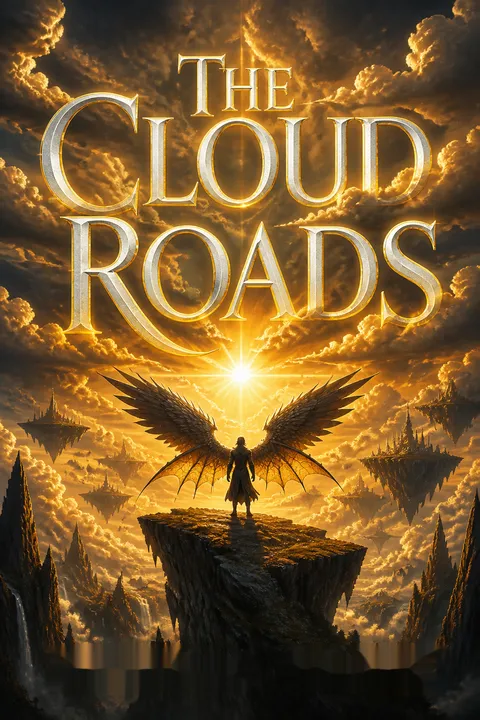

Plot Summary
Outcast Among Groundlings
Moon, a shapeshifter with no knowledge of his origins, survives by hiding his true nature among groundling tribes. He lives with the Cordans, hunting for them and trying to fit in, but always on edge, knowing he will be cast out if discovered. His ability to shift into a winged, scaled form sets him apart, and he is haunted by loneliness and the trauma of losing his family to violence. The Cordans' suspicion and fear of the Fell—a monstrous, predatory race—mirror Moon's own fear of being mistaken for one of them. When his secret is revealed, Moon is betrayed by those he trusted, poisoned, and left for dead, reinforcing his belief that he will never truly belong anywhere.
Shifting and Secrets Revealed
After being poisoned and chained by the Cordans, Moon is rescued by Stone, a powerful shapeshifter who reveals that Moon is a Raksura—a member of a rare, winged, shapeshifting species. Stone's intervention is both a rescue and a challenge, as he confronts Moon with truths about his heritage and the existence of others like him. Stone's offer to bring Moon to his court is met with suspicion, but the possibility of finding a place among his own kind is both terrifying and alluring. Moon's sense of self is shaken as he learns that his mother was not what she seemed, and that his entire life has been shaped by lies, loss, and the desperate need to hide.
Stone's Arrival and Offer
Stone, gruff and enigmatic, offers Moon a place in the Indigo Cloud Court, a Raksuran colony in need of warriors. Their journey together is fraught with tension, as Moon struggles to trust Stone and to accept the possibility of community. Along the way, Stone teaches Moon about Raksuran society, the roles of queens, consorts, warriors, and Arbora, and the existential threat posed by the Fell. Stone's mentorship is both practical and emotional, challenging Moon's ingrained habits of secrecy and self-reliance. The journey is a test of endurance, trust, and the hope that Moon might finally find a home.
Flight Toward the Unknown
Moon and Stone travel across wild landscapes, encountering ruins, groundling caravans, and the remnants of other Raksuran courts. The world is vast and dangerous, filled with the scars of past conflicts and the ever-present threat of the Fell. Moon's longing for belonging is tempered by fear—of rejection, of violence, of being forced to reveal his true self. The journey is also a process of learning: about Raksuran history, the Three Worlds, and the complex web of alliances and enmities that shape their lives. Stone's stories and the evidence of lost courts deepen Moon's sense of both possibility and peril.
The Ruined Colony
Arriving at the Sky Copper Court, Moon and Stone find only ruin and death, the colony destroyed by the Fell. The horror of the massacre is a stark reminder of the stakes: the Fell are not just monsters, but cunning predators capable of wiping out entire communities. The absence of survivors and the evidence of betrayal and manipulation by the Fell foreshadow the dangers awaiting Indigo Cloud. The experience hardens Moon's resolve, but also fills him with dread—if this is the fate of Raksura, what hope is there for any court? The journey becomes a race against time to warn and protect Indigo Cloud.
Fell Threats and Raksura Truths
As they approach Indigo Cloud, Stone and Moon learn that the Fell are not only a physical threat but also masters of deception, capable of infiltrating and corrupting Raksuran courts. The politics of survival are complicated by internal divisions, old wounds, and the scarcity of consorts and queens. Moon's status as a solitary, unknown consort is both a liability and a potential asset. The court's need for warriors and consorts is desperate, but trust is hard-won. The threat of the Fell forces Moon to confront his own fears and to consider what it means to fight for a people he barely knows.
Arrival at Indigo Cloud
Indigo Cloud is both wondrous and intimidating—a sprawling, ancient colony filled with Raksura of all castes and colors. Moon is overwhelmed by the scents, sights, and sounds of his own kind, but also by the scrutiny and suspicion he faces as an outsider. The court is riven by uncertainty, with a reigning queen, Pearl, who is ill and embittered, and a young queen, Jade, who is poised to inherit leadership. Moon's presence upsets the delicate balance of power, and his ignorance of Raksuran customs makes every interaction fraught. Yet, for the first time, he glimpses the possibility of acceptance and purpose.
Court Politics and Prejudice
Moon's integration into the court is hampered by prejudice, rivalry, and the scars of past betrayals. Warriors like River resent his presence, seeing him as a threat to their status and to the fragile hierarchy of the court. The Arbora, teachers, and mentors are more welcoming, but even they are wary of his solitary past and the rumors of his connection to the Fell. Pearl's hostility is both personal and political, as she fears losing control to Jade and resents the disruption Moon represents. The court's internal divisions mirror the external threat, and Moon must decide whether to fight for a place or flee once more.
The Consort's Dilemma
As Moon learns more about Raksuran society, he is confronted with the expectations and burdens of being a consort—a rare, fertile male whose presence can determine the fate of a court. Jade's interest in him is both personal and political, and Moon is torn between desire, fear, and the weight of responsibility. The court's survival may depend on his willingness to stay and fight, but the risk of betrayal and rejection is ever-present. The tension between individual longing and communal need is at the heart of Moon's struggle, as he grapples with questions of identity, loyalty, and love.
Poison and Betrayal
With the Fell threatening Indigo Cloud, the court turns to desperate measures: seeking a legendary poison that can incapacitate the enemy. Moon and Jade undertake a perilous journey to obtain the poison from groundlings, relying on old contacts and risking exposure. Along the way, they confront betrayal from within—the realization that the Fell have infiltrated the court's ranks, manipulating minds and sowing discord. The poison becomes both a weapon and a symbol of the court's willingness to do whatever it takes to survive. Trust is tested, alliances are forged and broken, and the line between friend and foe blurs.
The Fell's New Weapon
The court discovers that the Fell have developed a new weapon: crossbreeds with Raksuran abilities, including mentor-dakti capable of psychic manipulation. These abominations can force Raksura to shift, prevent them from fighting, and spy on their thoughts. The revelation is horrifying, as it means the Fell are evolving, learning to use Raksuran strengths against them. The court's history of sickness, dead clutches, and bad luck is revealed to be the result of this psychic assault. The battle is no longer just physical, but a war for the mind and soul of the court.
The Poisoned River
Armed with the poison, the court launches a daring plan to contaminate the colony's water supply, incapacitating the Fell. The operation is fraught with danger, requiring stealth, courage, and sacrifice. Young Raksura volunteer to test the poison, risking their lives for the hope of victory. The plan succeeds, but not without cost—lives are lost, and the trauma of the battle leaves deep scars. The court's unity is tested as old wounds are reopened and new grievances arise. Yet, for the first time, the possibility of defeating the Fell seems real.
The Battle for Indigo Cloud
The court, now able to shift and fight, launches a full assault on the remaining Fell. The battle is brutal and chaotic, with Raksura and Fell locked in deadly combat throughout the colony. The discovery of imprisoned Arbora and clutches, kept alive for breeding by the Fell, adds urgency and horror to the fight. Moon's leadership and courage are tested as he leads the rescue and faces the abominations created by the Fell. The victory is hard-won, and the cost is high, but the court survives—changed, but not broken.
The Fell's Retreat
As the surviving Fell flee, taking captives with them, Moon and the warriors give chase across the Three Worlds. The pursuit leads to a ruined city and a Dwei hive, where the Fell have established a new lair. The rescue mission is a race against time, complicated by the presence of more crossbreeds and the threat of the progenitor—the source of the Fell's new power. The battle is both physical and psychological, as Moon confronts his own fears and the legacy of his past encounters with the Fell. The fate of the court and the future of the Raksura hang in the balance.
Pursuit Across the Three Worlds
The chase across deserts, mountains, and ancient ruins tests the limits of Moon's endurance and resolve. He faces betrayal, captivity, and the threat of being used as breeding stock by the Fell. The rescue of the stolen Arbora and the Sky Copper clutch becomes a symbol of hope and renewal, but also of the dangers that still lurk in the world. Moon's willingness to risk everything for his people marks a turning point in his journey from outcast to hero. The pursuit is both a literal and metaphorical quest for belonging and redemption.
The Hive of Crossbreeds
In the heart of the Dwei hive, Moon discovers the full extent of the Fell's experiments: crossbreed progenitors, mentor-dakti, and the horrifying plan to create a new race that combines the worst of both species. The hive is a labyrinth of danger, filled with traps, enemies, and the echoes of lost civilizations. Moon's ingenuity and determination are tested as he navigates the hive, rescues the captives, and confronts the abominations. The battle is a struggle for the future—not just of Indigo Cloud, but of all Raksura.
The Queen's Abomination
The ultimate enemy is revealed: Ranea, a crossbreed queen-progenitor with the power to control, breed, and destroy. Her vision of a new world order is monstrous, and her personal interest in Moon is both seductive and terrifying. The confrontation is a battle of wills as much as of bodies, with Moon resisting her psychic domination and fighting for his own agency. The struggle is brutal, and Moon is gravely injured, but with the help of Jade and Pearl, Ranea is finally destroyed. The victory is both personal and collective—a triumph over the darkness within and without.
Rescue and Reckoning
The aftermath of the battle is a time of reckoning: for the dead, for the survivors, and for Moon himself. The rescued Arbora and fledglings are a promise of renewal, but the losses are keenly felt. Moon's injuries force him to rely on others, and the process of healing is both physical and emotional. The court must decide its future—where to go, how to rebuild, and who will lead. Old grievances are aired, new alliances are forged, and the question of Moon's place in the court comes to the fore. The journey is not over, but the worst is past.
Aftermath and Healing
As the court travels to a new home, carried by flying boats and hope, Moon's role as consort and hero is debated and ultimately affirmed. The scars of battle—physical, emotional, and political—are slow to heal, but the court is united by shared suffering and the promise of a better future. Moon's relationships with Jade, Pearl, Stone, and the others deepen, shaped by mutual respect, forgiveness, and the hard-won knowledge that belonging is not given, but earned. The journey is both an ending and a beginning, as the court sets out to reclaim its place in the Three Worlds.
Choosing a Home
In the end, Moon is offered a choice: to stay with Indigo Cloud as Jade's consort, or to seek another home. The decision is both simple and profound, shaped by love, loyalty, and the recognition that he has finally found a place where he is seen, valued, and needed. The court's acceptance is not unconditional, but it is real, and Moon's journey from outcast to hero is complete. The story ends with hope, renewal, and the promise of new adventures—a testament to the power of community, courage, and the search for home.
Analysis
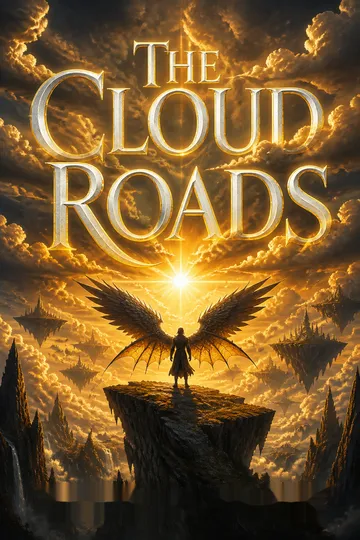
Martha Wells' The Cloud Roads is a masterful exploration of alienation, belonging, and the struggle for identity in a world defined by difference and danger. Through the character of Moon—a solitary shapeshifter haunted by loss and rejection—the novel interrogates what it means to find a home, to trust, and to fight for a community that may never fully accept you. The Raksuran society, with its intricate castes and rituals, serves as both a utopia and a crucible, testing the limits of empathy, loyalty, and change. The threat of the Fell, ever-evolving and insidious, is both external and internal—a metaphor for the forces that divide and destroy from within. The novel's use of shapeshifting, psychic manipulation, and found family as plot devices allows for a rich exploration of trauma, healing, and the possibility of renewal. In the end, The Cloud Roads is a story about the courage to claim one's place in the world, the necessity of community, and the hope that even the most broken can find a home. Its lessons resonate in a modern context, reminding us that survival is not enough—we must also learn to trust, to forgive, and to build something new from the ashes of the past.
Review Summary
The Cloud Roads by Martha Wells features Moon, a shapeshifting Raksura searching for his people after a lonely life among groundlings. Reviewers praise the exceptional worldbuilding—a world without humans, populated by diverse intelligent species including the dragon-like Raksura. The matriarchal society, unique biology, and complex social hierarchy receive acclaim. Moon's journey from outcast to finding his court resonates emotionally. While some note the straightforward plot and evil-for-evil's-sake antagonists (the Fell), most celebrate the originality, vivid descriptions, and compelling characters. The writing style is accessible, action-packed, and avoids info-dumps, making this fantasy feel fresh and inventive.
People Also Read
Characters
Moon
Moon is the protagonist, a solitary Raksura who has spent his life hiding among groundlings, never knowing his true heritage. Traumatized by the loss of his family and repeated betrayals, he is fiercely independent, wary, and deeply lonely. His ability to shift between groundling and winged forms is both a gift and a curse, marking him as an outsider wherever he goes. Moon's journey is one of self-discovery, as he learns to trust, to fight for others, and to accept love and community. His psychological arc is defined by the tension between the fear of rejection and the longing for acceptance. Through trials, battles, and acts of courage, Moon transforms from a hunted outcast into a hero and consort, finding a place where he truly belongs.
Stone
Stone is an elder Raksura, powerful and enigmatic, who rescues Moon and becomes his guide to Raksuran society. He is both a father figure and a teacher, challenging Moon's assumptions and pushing him to grow. Stone's own history is marked by loss and exile, giving him a deep understanding of Moon's struggles. He is pragmatic, wise, and sometimes abrasive, but his loyalty to his people is unwavering. Stone's role is to bridge the gap between the past and the future, helping Moon and the court to survive and adapt. His psychological insight and strategic mind are crucial to the court's survival, and his relationship with Moon is one of mutual respect and hard-earned trust.
Jade
Jade is the young queen of Indigo Cloud, poised to inherit leadership from the ailing Pearl. She is strong, intelligent, and compassionate, but also burdened by the expectations of her role and the scars of past losses. Jade's relationship with Moon is central to the story, blending personal desire with political necessity. She is both a leader and a partner, willing to fight for her people and for the possibility of love. Jade's psychological journey is one of growth, as she learns to balance ambition with empathy, and to trust in herself and others. Her willingness to challenge tradition and to embrace change is key to the court's survival and renewal.
Pearl
Pearl is the reigning queen of Indigo Cloud, embittered by illness, loss, and the erosion of her power. She is both a formidable leader and a tragic figure, clinging to control even as the court slips away from her. Pearl's relationship with Moon and Jade is fraught with rivalry, resentment, and the fear of being replaced. Her psychological arc is one of resistance and eventual acceptance, as she confronts her own limitations and the need for change. Pearl embodies the dangers of stagnation and the pain of letting go, but also the possibility of redemption and renewal.
Chime
Chime is a unique Raksura, born a mentor but transformed into a warrior, struggling to find his place in the court. He is curious, sensitive, and often awkward, serving as both comic relief and a voice of reason. Chime's friendship with Moon is a source of comfort and support, as both are outsiders seeking acceptance. His transformation is both literal and metaphorical, reflecting the court's need to adapt and change. Chime's psychological journey is one of self-acceptance, as he learns to embrace his new role and to contribute to the court's survival.
Flower
Flower is an elder mentor, skilled in healing, augury, and the subtle arts of Raksuran society. She is a stabilizing force in the court, offering guidance, comfort, and practical wisdom. Flower's insight into the court's troubles and her ability to see through deception are crucial to unraveling the Fell's schemes. Her relationship with Moon is nurturing and supportive, helping him to heal both physically and emotionally. Flower embodies the values of tradition, community, and resilience, serving as a bridge between generations and castes.
River
River is a powerful warrior, fiercely loyal to Pearl and deeply suspicious of Moon. His hostility is rooted in fear—of change, of losing status, of being replaced. River's rivalry with Moon is both personal and symbolic, reflecting the court's internal divisions and the struggle for power. His psychological arc is one of resistance and, ultimately, reluctant acceptance, as he is forced to confront his own limitations and the needs of the court. River's aggression is both a danger and a catalyst for growth, pushing Moon to assert himself and claim his place.
Balm
Balm is a female warrior, loyal to Jade and the court, but tragically manipulated by the Fell's psychic assault. Her unwitting betrayal is a source of pain and guilt, both for herself and for those who care about her. Balm's arc is one of suffering and redemption, as she struggles to reclaim her agency and to forgive herself. Her experience highlights the vulnerability of even the strongest to external threats, and the importance of compassion and understanding within the community.
Selis
Selis is a groundling woman from the Cordans, sharp-tongued and fiercely independent. She is one of the few groundlings to accept Moon for what he is, and her help is crucial in obtaining the poison needed to fight the Fell. Selis's pragmatism and refusal to be cowed by tradition or fear make her a valuable ally. Her decision to leave her people and seek a new life is a mirror of Moon's own journey, and her presence underscores the possibility of change and the breaking of old patterns.
Ranea
Ranea is the ultimate antagonist, a crossbreed queen-progenitor who embodies the Fell's capacity for adaptation, manipulation, and destruction. Her vision of a new world order—combining the worst of Fell and Raksura—is both seductive and horrifying. Ranea's interest in Moon is personal and predatory, and her psychic powers make her a nearly unstoppable foe. She is both a symbol of the dangers of unchecked ambition and a cautionary tale about the costs of power without empathy. Her defeat is both a personal and collective victory, marking the end of one threat and the beginning of a new era.
Plot Devices
Shapeshifting and Hidden Identity
The central device of shapeshifting serves both as a literal power and a metaphor for Moon's alienation and search for identity. His ability to pass as groundling, yet never truly belong, mirrors the experience of outsiders everywhere. The tension between hiding and revealing, between survival and authenticity, drives the plot and shapes Moon's relationships. The device also enables the exploration of Raksuran society, with its complex castes and roles, and the existential threat posed by the Fell, who are both similar and horrifyingly different.
Poison as Weapon and Symbol
The search for and use of poison against the Fell is both a practical plot device and a symbol of the court's willingness to cross moral boundaries for survival. The poison's origins among groundlings, its effects on both Fell and Raksura, and the risks involved in obtaining and deploying it all serve to heighten tension and raise questions about sacrifice, trust, and the costs of victory. The device also enables key moments of betrayal, revelation, and redemption, as characters are forced to confront their own limits and the consequences of their choices.
Psychic Manipulation and Crossbreeds
The introduction of mentor-dakti and crossbreed progenitors as new weapons of the Fell raises the stakes and transforms the nature of the conflict. Psychic manipulation—forcing Raksura to shift, spying on their thoughts, sowing sickness and discord—turns the battle into a war for the mind and soul. The device allows for foreshadowing, as the court's unexplained misfortunes are revealed to be the result of enemy action, and for dramatic reversals, as trusted allies are turned into unwitting traitors. The crossbreeds also serve as a dark mirror to the Raksura, forcing them to confront the dangers of unchecked power and the need for unity.
Found Family and Chosen Community
The overarching structure of the novel is the journey from isolation to community, from outcast to hero. Moon's search for belonging is mirrored in the court's struggle to survive, adapt, and renew itself. The device of found family—Stone as mentor, Jade as partner, Chime as friend, the court as home—provides both emotional resonance and narrative momentum. The tension between individual desire and communal need is explored through conflicts, alliances, and acts of sacrifice, culminating in Moon's acceptance as consort and the court's rebirth.
Foreshadowing and Revelation
The novel employs foreshadowing through dreams, augury, and the slow revelation of the Fell's plans. Betrayals are seeded early, with hints of manipulation and psychic assault, and the true nature of the enemy is revealed only gradually. The structure allows for suspense, reversals, and moments of catharsis, as characters and readers alike piece together the truth. The interplay of secrets and revelations drives the plot and deepens the psychological complexity of the story.
The Books of the Raksura Series
About the Author
Other books by Martha Wells

Download PDF
Download EPUB
.epub digital book format is ideal for reading ebooks on phones, tablets, and e-readers.








































