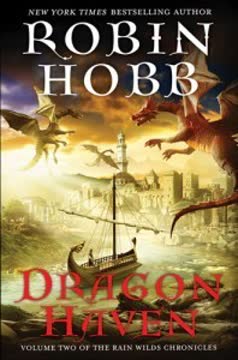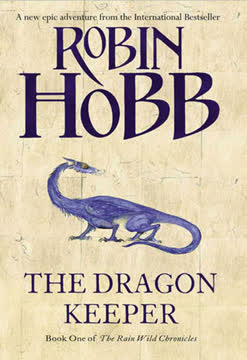
Plot Summary
Serpents' Last Migration
The story opens with a desperate migration: ancient sea serpents, led by Maulkin and shepherded by the dragon Tintaglia, force themselves up the Rain Wild River to their ancestral cocooning grounds. The journey is grueling, with many serpents dying along the way, weakened by age and the harsh, acidic river. Humans and the lone dragon Tintaglia help the survivors spin their cases, hoping to restore the dragon race. But the world has changed—there are fewer serpents, the land is now swamp, and the process is fraught with loss and exhaustion. The serpents' memories are fading, and the hope of rebirth is shadowed by the fear that they are too few and too late to save their kind.
Hatching of Broken Dreams
When the cases are finally opened, the long-awaited hatching is a disaster. The new dragons are stunted, deformed, and many are mentally deficient. Thymara, a Rain Wilds girl marked by her own society as an outcast, witnesses the event with her father. The dragons are ravenous, fighting over food and even devouring their dead siblings. The Rain Wilders realize their bargain with Tintaglia has not produced the glorious allies they hoped for, but a burden of crippled, dangerous creatures. The hatching is both a marvel and a tragedy, setting the tone for the dragons' uncertain future.
Outcasts and Bargains
The Rain Wilds Council and Bingtown Traders struggle to uphold their bargain with Tintaglia, feeding and tending the dragons despite mounting costs and disappointment. Thymara's own existence is a result of her father's defiance of tradition—she was born with claws and scales, a child who should have been exposed. Meanwhile, Alise Kincarron, a plain and scholarly Bingtown woman, is courted by Hest Finbok in a marriage of convenience. Both women are outsiders in their own ways, and their fates become entwined with the dragons as the Council seeks expendable people to care for the creatures.
Alise's Marriage Contract
Alise's marriage to Hest is a transaction, not a romance. Hest wants a wife who will not interfere with his life, and Alise wants the freedom to pursue her studies of dragons and Elderlings. Their wedding night is a cold, humiliating experience for Alise, shattering her last illusions of love. She finds solace in her scholarship, building a library and immersing herself in ancient texts. The marriage is a gilded cage, and Alise's longing for meaning and adventure grows, setting her on a path that will eventually lead her to the Rain Wilds.
Dragon Keepers Chosen
The Rain Wild Council, desperate to rid Cassarick of the dragons, recruits young people with no prospects—those marked by the Rain Wilds, orphans, and the unwanted. Thymara, Tats (a Tattooed former slave), and others are offered the chance to become dragon keepers, tasked with escorting the dragons upriver to a mythical city called Kelsingra. The offer is both an opportunity and a sentence of exile. The keepers are a motley group, each carrying wounds and hopes, and their selection marks the beginning of a dangerous, transformative journey.
The Bingtown Bargain
Alise, determined to fulfill her dream of studying dragons, secures her husband's grudging permission to travel to the Rain Wilds. Hest sends his secretary, Sedric, to chaperone her, hoping to protect his reputation. Sedric, secretly in love with Hest and desperate for his own escape, harbors ambitions of profiting from dragon parts. Alise's journey is both a scholarly quest and a bid for freedom from her stifling marriage. The stage is set for the convergence of the keepers, the dragons, and the Bingtown outsiders.
Seduction and Disillusion
As the keepers prepare to depart, tensions and rivalries simmer. Alise is drawn to Captain Leftrin, the rough but kind-hearted riverman who will transport the expedition. Sedric's jealousy and secret plans create friction. The keepers, especially Thymara, navigate complex feelings of attraction, loyalty, and exclusion. Greft, an older and charismatic keeper, begins to assert control, sowing discord and challenging the old rules. The journey upriver becomes a crucible for personal and collective transformation.
The Dragon Keepers' Departure
The keepers, dragons, and their human allies set out from Cassarick, leaving behind the only homes they have known. The dragons, driven by ancestral memories and the promise of Kelsingra, lead the way. The journey is fraught with uncertainty—no one knows if Kelsingra exists, or if the dragons can survive the trek. The keepers must learn to hunt, fish, and care for their charges, forging a new community on the margins of society. The river is both a path and a barrier, and the expedition's fate hangs in the balance.
Up the Rain Wild River
The journey upriver is grueling. The dragons are perpetually hungry, and the keepers struggle to provide enough food. Rivalries and alliances form among the keepers, with Greft pushing for new rules and greater control. The dragons begin to hunt for themselves, making their first kills and tasting the freedom of their ancestors. The keepers, too, are tested—Thymara proves herself as a hunter, while others falter. The river's dangers and the relentless demands of survival strip away illusions, revealing the true nature of dragons and humans alike.
Among the Dragons
As the keepers spend more time with the dragons, bonds form—sometimes of affection, sometimes of rivalry. Thymara is torn between her loyalty to Tats and the unsettling charisma of Greft. Alise, initially enthralled by the dragons, becomes disillusioned by their arrogance and manipulation. Sedric, unable to hear the dragons, feels increasingly isolated and desperate to fulfill his secret mission. The dragons themselves are changing, growing stronger and more independent, but also more dangerous and unpredictable.
Rivalries and Revelations
Greft's ambition to create new rules and assert dominance over the keepers comes to a head. He manipulates situations to his advantage, challenging Thymara's authority and sowing division. The keepers are forced to confront the realities of leadership, manipulation, and the forging of community. Meanwhile, Sedric's theft of dragon parts and his growing guilt threaten to unravel his relationship with Alise and the rest of the group. Loyalties are tested, and the fragile community is pushed to its limits.
The Silver's Wound
The keepers discover that the silver dragon is badly wounded and infected. Thymara, Sylve, and Tats work together to clean and bandage the injury, with Sedric providing medical supplies. The act of caring for the helpless dragon brings the keepers closer, momentarily bridging their differences. Alise, witnessing the scene, is reminded of the value of compassion and the possibility of redemption. The silver's struggle becomes a symbol of the expedition's own precarious hope.
Greft's New Rules
Greft continues to assert his vision of a new society, free from the old rules of the Rain Wilds. He encourages the keepers to abandon their past loyalties and embrace a future defined by strength and self-interest. His influence is seductive but dangerous, leading to conflicts over resources and the treatment of the weakest dragons. Thymara and Tats resist his control, but the group's cohesion is threatened. The question of what kind of community they will build becomes urgent and unresolved.
Sedric's Secret Ambition
Sedric, driven by desperation and the promise of wealth, secretly harvests blood and scales from the dying copper dragon. The act is both a betrayal of the group and a violation of the dragons' trust. Sedric is haunted by guilt and the memory of his relationship with Hest, questioning his own worth and the cost of his ambitions. His actions set in motion consequences that will reverberate through the expedition, forcing him to confront the true meaning of loyalty and redemption.
The First Kill
The dragons, led by Mercor, make their first successful hunt, killing and devouring riverpigs. The experience awakens ancestral memories and a sense of pride and independence. For the first time, the dragons feel like true dragons, not helpless dependents. The keepers, witnessing the hunt, are both awed and unsettled by the power and ferocity of their charges. The balance of power shifts, and the journey takes on new urgency as the dragons grow stronger and more self-reliant.
Temptations and Loyalties
The emotional tensions among the keepers intensify. Thymara is caught between her feelings for Tats and the dangerous allure of Greft. Jerd's shifting affections and the group's struggles over food and leadership test the bonds of friendship and trust. Alise and Leftrin's mutual attraction deepens, but both are constrained by duty and guilt. Sedric's isolation grows, and his secret threatens to destroy the fragile community. The journey becomes not just a physical ordeal, but a crucible for the heart.
The Dying Copper
The weakest dragon, the copper, succumbs to illness and exhaustion. The keepers, especially Sylve, mourn the loss, while Greft proposes selling the body for profit. Mercor intervenes, insisting that dragon flesh belongs to dragons, not humans. The event forces the group to confront the limits of compassion, the dangers of self-interest, and the need for solidarity. The death of the copper is both a tragedy and a turning point, reminding everyone of what is at stake.
Kelsingra Beckons
As the dragons and their keepers press on upriver, the promise of Kelsingra becomes both a beacon and a question. The dragons grow stronger, their memories stirring with visions of the lost city. The keepers, battered by hardship and conflict, begin to forge a new sense of purpose and identity. Alise, Thymara, Sedric, and the others are changed by the journey—some broken, some redeemed, all transformed. The expedition's future is uncertain, but the hope of Kelsingra, and the possibility of a new life for dragons and humans alike, endures.
Analysis
A tale of brokenness, transformation, and the search for belongingThe Dragon Keeper is a story about what happens when the world's last hopes are flawed, when the future is entrusted to the broken, the outcast, and the unwanted. Robin Hobb uses the parallel journeys of malformed dragons and marked humans to explore themes of identity, community, and the cost of survival. The novel interrogates the meaning of leadership, the dangers of unchecked ambition, and the possibility of redemption through compassion and solidarity. The journey upriver is both literal and metaphorical—a passage from exile and despair toward the uncertain promise of Kelsingra, a city that may or may not exist. Along the way, the characters are forced to confront their own limitations, to forge new bonds, and to redefine what it means to be worthy of life and love. In a world where the old rules no longer apply, The Dragon Keeper asks whether it is possible to build something new from the ruins of the past, and whether hope can survive in the face of loss and change. The novel's lesson is both sobering and uplifting: that even the broken can become the founders of a new world, if they dare to claim their place in it.
Review Summary
The Dragon Keeper receives mixed but generally positive reviews, averaging 3.96/5. Many readers consider it Hobb's weakest series opener, citing slow pacing, underdeveloped characters, and an abrupt ending—largely attributed to publisher-forced splitting of a larger manuscript. However, fans praise Hobb's exceptional character work, immersive world-building, and rich prose. Standout characters include Thymara, Alise, and the arrogant dragon Sintara. Most agree it functions as setup for the broader Rain Wilds Chronicles, with readers remaining hopeful the subsequent books will deliver a more satisfying payoff.
People Also Read



Characters
Thymara
Thymara is a Rain Wilds girl born with claws and scales, a child who should have been exposed according to tradition. Her father's love and defiance give her a chance at life, but she grows up as an outcast, always aware of her difference. Thymara is agile, resourceful, and fiercely independent, but also deeply insecure about her worth and desirability. As a dragon keeper, she becomes both caretaker and companion to the blue dragon Sintara, navigating the challenges of leadership, rivalry, and forbidden desire. Her journey is one of self-acceptance, as she learns to value her own strengths and to resist the manipulations of others, especially Greft. Thymara's relationships—with Tats, Rapskal, and the other keepers—are complex, shaped by longing, jealousy, and the search for belonging.
Alise Kincarron Finbok
Alise is a plain, freckled Bingtown woman whose passion for dragons and Elderlings sets her apart from her family and society. Her marriage to Hest is a pragmatic arrangement, offering her security but little affection. Alise's longing for meaning and adventure drives her to the Rain Wilds, where she hopes to fulfill her scholarly ambitions. Intelligent, curious, and compassionate, Alise is both naïve and courageous, willing to risk everything for knowledge and self-fulfillment. Her growing attraction to Captain Leftrin challenges her sense of duty and self-worth, while her friendship with Sedric is tested by secrets and betrayal. Alise's journey is one of awakening, as she confronts the limits of her marriage, the realities of dragons, and the possibility of a new life.
Sedric Meldar
Sedric is Hest's secretary and confidant, secretly in love with his employer and desperate for escape from his subordinate position. Cultured, fastidious, and outwardly charming, Sedric is haunted by self-doubt and the shame of his dependence. His journey to the Rain Wilds is motivated by both loyalty to Hest and the hope of profiting from dragon parts. Sedric's inability to hear dragons isolates him from the group, and his secret theft of dragon blood and scales becomes a source of guilt and fear. His relationship with Alise is fraught with tension, as he tries to protect her while pursuing his own ambitions. Sedric's arc is one of painful self-discovery, as he confronts the consequences of betrayal and the possibility of redemption.
Captain Leftrin
Leftrin is the captain of the Tarman, a wizardwood barge and one of the oldest liveships. Weathered, practical, and deeply loyal to his crew, Leftrin is also a man of secrets—he has profited from forbidden wizardwood and is entangled in dangerous bargains with Chalcedean traders. His growing affection for Alise awakens a tenderness and vulnerability he has long suppressed. Leftrin is both protector and enabler, offering Alise the freedom and respect she craves. His struggle is to reconcile his past actions with his desire for honesty and love, and to navigate the moral ambiguities of survival in the Rain Wilds.
Sintara (Skymaw)
Sintara is a blue dragon, one of the few females to survive the hatching. She is proud, intelligent, and deeply frustrated by her stunted wings and dependence on humans. Her memories of dragon glory are both a source of strength and a torment, fueling her arrogance and impatience. Sintara's relationship with Thymara is fraught with rivalry and mutual need—she both resents and relies on her keeper. As the journey progresses, Sintara reclaims her predatory nature, leading the dragons in their first hunt and asserting her independence. Her arc is one of painful adaptation, as she struggles to reconcile her identity as a dragon with the realities of her broken body and lost world.
Greft
Greft is an older, heavily marked keeper who quickly asserts dominance over the group. Intelligent, persuasive, and ruthless, he seeks to create a new society free from the old rules of the Rain Wilds. Greft's influence is both seductive and dangerous—he encourages the keepers to abandon compassion and embrace self-interest, sowing division and exploiting the vulnerable. His interest in Thymara is both personal and political, as he seeks to draw her into his orbit. Greft embodies the moral ambiguity of survival, challenging the group to define their own values and loyalties.
Tats
Tats is a former slave, marked by the tattoos of his past and the prejudice of Rain Wilds society. Resourceful, kind, and quietly courageous, Tats is Thymara's oldest friend and confidant. His feelings for her are complicated by jealousy, rivalry, and the pressures of the journey. Tats is both a stabilizing force and a target for Greft's manipulations, struggling to assert his place in the group and to protect those he cares about. His arc is one of resilience and integrity, as he resists the lure of power and remains true to his own sense of right and wrong.
Rapskal
Rapskal is a young, heavily marked keeper whose relentless optimism and enthusiasm set him apart. Naïve, impulsive, and sometimes foolish, Rapskal is nonetheless brave and loyal, forming a close bond with his dragon Heeby. His belief in the possibility of flight and transformation inspires those around him, even as it exposes him to ridicule and danger. Rapskal's innocence is both a strength and a vulnerability, and his journey is one of coming of age in a world that is often harsh and unforgiving.
Sylve
Sylve is a young girl marked by the Rain Wilds, compassionate and sensitive beyond her years. She forms a deep attachment to the golden dragon Mercor and takes on the care of the weakest dragons, including the dying copper. Sylve's empathy and determination are a quiet counterpoint to the group's rivalries and conflicts. Her arc is one of courage and loss, as she learns to face grief and to find strength in kindness.
Mercor
Mercor is a golden male dragon, physically strong and mentally acute. He often acts as a voice of reason and authority among the dragons, guiding them toward Kelsingra and intervening in moments of crisis. Mercor's memories are deeper and clearer than most, and he seems to possess knowledge and purpose beyond the others. His relationship with Sylve is nurturing, and his leadership is marked by both compassion and firmness. Mercor embodies the hope of renewal and the possibility of reclaiming the dragons' lost heritage.
Plot Devices
Dual Narratives and Shifting Perspectives
The novel employs a shifting third-person perspective, alternating between Thymara, Alise, Sedric, Leftrin, and the dragons themselves. This structure allows readers to experience the story from both human and dragon perspectives, highlighting the parallels between the outcast keepers and the crippled dragons. The dual narratives of Thymara and Alise—one a marked outcast, the other a trapped scholar—mirror each other's quests for belonging and self-actualization. The dragons' own voices, especially Sintara and Mercor, provide insight into their struggle for identity and survival.
Letters and Council Messages
The story is punctuated by letters and official messages exchanged between bird keepers, councils, and traders. These documents offer glimpses into the broader political and economic context, the shifting alliances between Bingtown, the Rain Wilds, and Chalced, and the mounting pressures to resolve the "dragon problem." The letters also serve as a form of foreshadowing, hinting at dangers, betrayals, and the consequences of broken bargains.
Ancestral Memory and Lost Knowledge
The concept of ancestral memory is central—dragons inherit the memories of their forebears, but the broken hatching has left many with gaps and confusion. Alise's scholarly pursuit of Elderling lore and the dragons' own fragmented recollections intertwine, driving the search for Kelsingra. The tension between what is remembered, what is lost, and what can be reclaimed shapes both the dragons' and humans' journeys.
Power Struggles and Group Dynamics
The keepers' group is a microcosm of society, with Greft's manipulations, Thymara's reluctant leadership, and the shifting alliances among the outcasts. The struggle to define new rules, distribute resources, and care for the weakest mirrors the larger questions of survival and morality. The dragons' own hierarchy and rivalries echo these dynamics, blurring the lines between predator and caretaker, leader and follower.
Moral Ambiguity and Survival
The novel is rich in moral ambiguity—Sedric's theft of dragon parts, Greft's push for self-interest, the Council's willingness to exile both dragons and keepers. The characters are forced to make hard choices, balancing compassion against survival, loyalty against ambition. The journey upriver becomes a test of character as much as endurance, with each decision shaping the fate of the group and the possibility of a new beginning.