Key Takeaways
1. Comedy's Foundation: Pain, Conflict, Desperation, Unpredictability
Well, comedy starts with pain.
The root of humor. Comedy doesn't arise from happiness, but from deep-seated pain, conflict, desperation, oppression, and persecution. This ancestral and personal hardship provides fertile ground for humor, as people often choose to laugh about their struggles rather than succumb to misery. Understanding this fundamental source allows writers and actors to tap into universal human experiences for comedic effect.
Three Pillars of Comedy. A successful sitcom, like a sturdy house, is built upon three essential pillars: Conflict, Desperation, and The Unpredictable. These elements are crucial for crafting funny storylines, developing complex characters, and delivering laugh-out-loud jokes. Without these darker components, comedy struggles to find its footing and resonate with audiences.
Pillars in action.
- Conflict: Drives every storyline, character interaction, and joke (e.g., The Turnaround Joke). It arises from clashing wants, external obstacles, and internal struggles.
- Desperation: Fuels a character's "Want" with high stakes and urgency, making them endearing in their pursuit (e.g., The Lovable Loser Storyline). It energizes characters, making them heightened and funny.
- The Unpredictable: Keeps audiences engaged and laughing through surprising plot twists and unexpected punchlines (e.g., Triplets). It allows for unique character interpretations and fresh humor.
2. Sitcom Technique: Rhythm, Words, Punctuation, and Jokes
If it’s working, it is a beautiful (and hilarious) song.
The music of comedy. Sitcoms possess a distinct rhythm, which actors must hear and perform precisely as the writer intended. Every word, pause, and inflection contributes to this comedic melody. Changing, adding, or dropping words can derail the rhythm and weaken jokes, making strict adherence to the script crucial for comedic timing.
Words and punctuation are key. Specific words, like "Hard Consonants" (K, B, P, C, T), "Key Words" (emphasized by writers), and "Operative Words/Phrases" (repeated for comedic effect), are vital beats in comedy's rhythm. Punctuation acts as a roadmap, dictating pauses, stops, and inflections, which are essential for timing and pace. Misinterpreting punctuation can alter intentions and destroy humor.
Joke structures. Two classic joke structures are fundamental to sitcoms:
- The Turnaround Joke: Two conflicting pieces of dialogue (positive/negative or vice versa) clash, often connected by a "THEN" or "BEAT," creating a sudden, unpredictable spark of humor.
- Triplets: Establish a familiar pattern in dialogue or action, then break it with an unexpected "JOKE" on the third element. These can be Classic (Setup-Setup-JOKE), Extended (Setup-Setup-Setup-JOKE), or Over-Extended (Setup-Setup-JOKE-BIGGER JOKE).
3. The Eight Characters: Archetypes for Sitcom Acting and Writing
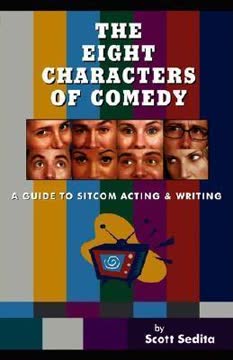
It’s not that these are character stereotypes, but rather archetypes, with specific personality traits that enable the actor and writer to use them to reach their fullest comedic potential.
Beyond stereotypes. The book identifies eight specific character archetypes that have consistently driven sitcom success for decades. These aren't rigid stereotypes, but foundational blueprints with universal appeal, allowing actors to infuse their unique "DNA" and writers to craft complex, relatable, and hilarious personalities. Understanding their psychology—who they were, who they are, and why—is key to unlocking their comedic potential.
The core eight. These archetypes provide a framework for understanding sitcom dynamics and character development:
- The Logical Smart One
- The Lovable Loser
- The Neurotic
- The Dumb One
- The Bitch/Bastard
- The Materialistic Ones
- The Womanizer/Manizer
- In Their Own Universe
Character versatility. While each character has defining traits, they can temporarily adopt characteristics from other archetypes, especially when driving a "Lovable Loser Storyline" (where any character pursues a desperate "Want"). This versatility adds depth and unexpected humor, preventing characters from becoming one-dimensional and ensuring sustained comedic conflict.
4. The Logical Smart One: The Patient, Sarcastic Voice of Reason
Essentially, The Logical Smart One is the “point of reference” for the comedy in the show or, more simply, the voice of reason.
The audience's anchor. This character often serves as the grounded, sensible touchstone, keeping the show rooted in reality amidst the chaos of other characters. They are typically patient, practical, and possess abundant common sense, often acting as the "straight man" to the show's more outlandish personalities. This dynamic is a primary source of comedic conflict.
Sarcasm as a weapon. Sarcasm is the Logical Smart One's most potent comedic tool, used to gently remind, prove a point, or call out foolishness. They deliver witty retorts with expert timing and a dry, often deadpan, delivery. Examples include Debra Barone ("Everybody Loves Raymond"), Jim Halpert ("The Office"), and Alice Kramden ("The Honeymooners").
Caretakers and truth-tellers. Logical Smart Ones are often maternal or paternal figures, tolerant and understanding, yet capable of brutal honesty when pushed. They are articulate, quick-witted, and unafraid to "slap characters back into reality." Their underlying caring nature prevents their sharp remarks from becoming truly mean-spirited, distinguishing them from The Bitch/Bastard.
5. The Lovable Loser: The Desperately Optimistic Comedic Hero
There is something inherently funny in watching somebody (like ourselves) who hopefully and desperately attempts to fulfill a Want, a wish, or even a lifelong dream.
The everyman's journey. The Lovable Loser is the comedic hero, constantly pursuing a "Want" that seems just out of reach. They are characterized by a childlike nature, unabashed optimism, and a desperate determination to achieve their dreams, despite repeatedly failing. Their vulnerability and endearing spirit make audiences root for them, even as they inevitably screw things up.
Impulsive dreamers. These characters are perpetual dreamers, often blinded by their aspirations, leading to impulsive, hair-brained schemes. They are "consciously oblivious," knowing their ideas might be flawed but proceeding anyway, creating comedic chaos. Examples include Ralph Kramden ("The Honeymooners"), Lucy Ricardo ("I Love Lucy"), and Chandler Bing ("Friends").
Self-deprecating charm. To balance their desperation and vulnerability, Lovable Losers possess a strong, self-deprecating sense of humor about their shortcomings. This makes them relatable and prevents them from becoming merely pathetic. They are inherently charming, good-hearted, and engaging, making them easy to like despite their constant struggles and failures.
6. The Neurotic: The Anxious, Over-thinking Rule-Follower
The Neurotic is one of the most complex characters because they feel so deeply and have so many conflicted thoughts.
Insecurity and over-analysis. The Neurotic's core is deep-seated insecurity, leading to constant worry, anxiety, and over-thinking. They internalize every thought, often second-guessing decisions and obsessing over scenarios before they even occur. This internal conflict is a rich source of humor, as seen in characters like Carrie Bradshaw ("Sex and the City") and Monica Geller ("Friends").
The rulebook and control. Neurotics live by a strict "rulebook" and expect others to follow it, leading to control issues and inflexibility. They are perfectionists who become anxious when things deviate from their meticulously planned order. Their "fear of losing control" is more comedic than simply being controlling, making them relatable in their struggles.
Intellectual yet awkward. Often starting as "nerds" in childhood, Neurotics mature into intellectual, cultured adults who still struggle in social situations, especially romance. They possess a witty, sarcastic humor, often self-deprecating, to cope with their awkwardness and perceived inadequacies. Examples include Ross Geller ("Friends"), Frasier and Niles Crane ("Frasier"), and Mitchell Pritchett ("Modern Family").
7. The Dumb One: The Sweet, Oblivious Innocent
But in the hands of Matt LeBlanc’s skillful characterization, that line becomes a great joke.
Perpetual children. The Dumb One is characterized by a childlike nature, genuine innocence, and complete obliviousness to the complexities of the world. They are not "playing dumb" but truly lack common sense, approaching every situation with wide-eyed wonder and a positive disposition. Their lack of awareness is the primary source of their humor.
Honest and enthusiastic. These characters are inherently good-natured, unselfish, and honest, never harboring ulterior motives or understanding sarcasm. They are enthusiastic about everything, easily excited by small things, and always eager to please. This unwavering positivity makes them endearing and likable, even when their actions lead to comical mishaps.
Oblivious, not consciously. Unlike the "consciously oblivious" Lovable Loser, The Dumb One is genuinely unaware of potential pitfalls or the absurdity of their ideas. Their "messes" stem from pure naïveté. Examples include Joey Tribbiani ("Friends"), Homer Simpson ("The Simpsons"), Rose Nylund ("The Golden Girls"), and Andy Dwyer ("Parks and Recreation").
8. The Bitch/Bastard: The Tough, Cynical Wit
The Bitch/Bastards say the “unsayable” and are proud to say it.
Edgy heroes. The Bitch/Bastard brings a sharp, edgy humor to sitcoms, reflecting the audience's darker, more cynical side. They are outspoken, direct, and unafraid to deliver brutally honest, often mean-spirited, remarks. Their wit and contempt for foolishness make them controversial yet incredibly funny and popular supporting characters.
Bitter and sarcastic. Often stemming from tough backgrounds or dissatisfaction with life, these characters possess a bitter, pessimistic outlook. They use biting sarcasm as both a weapon to attack others' shortcomings and a shield to protect their own vulnerabilities. They take pleasure in ridiculing, demeaning, and dismissing those they perceive as inferior.
Unapologetically superior. The Bitch/Bastard has a strong sense of superiority and an inability to apologize, viewing it as a sign of weakness. They are quick-witted, street-smart, and savvy, always ready with a "wise-crack." Examples include Sue Sylvester ("Glee"), Archie Bunker ("All in the Family"), Carla Tortelli ("Cheers"), and Berta ("Two and a Half Men").
9. The Materialistic Ones: The Pampered, Entitled, and Superficial
Their only concerns are their fortune, social standing and the best place to shop for their clothes, cars, jewelry and a little cashmere sweater for their Shih Tzu.
Luxury and entitlement. These characters are defined by their wealth, vanity, and an unwavering sense of entitlement. Money is no object, and their lives revolve around luxury, designer goods, and maintaining social status. They often lack a grasp of real-world struggles, making them shallow but hilariously out of touch.
Two variations.
- Materialistic Prince/Princess: Sweet-natured, pampered, and often naïve about the less fortunate. They may use childish sarcasm and have a deep-seated need to fill an emotional void with material possessions (e.g., Hilary Banks from "The Fresh Prince of Bel-Air," Rachel Green from "Friends").
- Materialistic Bitch/Bastard: Mean-spirited, judgmental, and openly contemptuous of those beneath them. They use condescending sarcasm and flaunt their perceived superiority (e.g., Wilhelmina Slater from "Ugly Betty," Ari Gold from "Entourage").
Appearance and status. Both variations are vain and self-centered, meticulously focused on their appearance and social standing. They believe they deserve the best of everything and are mortified by anything "common." Their humor often comes from their superficial obsessions and their interactions with characters who don't understand their values.
10. The Womanizer/Manizer: The Confident, Seductive Sexpot
Life is sex and sex is life, and they have no qualms about doing it, living it and talking about it.
The eternal conquest. The Womanizer/Manizer is driven by an insatiable appetite for sex and flirtation, making it their primary "Want" in life. They are uninhibited, bold, and assertive in their pursuit, constantly seeking their next sexual conquest. Their one-track mind and racy antics provide consistent comedic energy.
Confident and vain. These characters exude impenetrable confidence, often bordering on arrogance, believing they are irresistible to others. They are meticulously "well put together," using their appearance as a key part of their sexual artillery. This narcissism, while sometimes a cover for insecurity, fuels their smooth, suave demeanor.
Sexual humor. Their jokes often revolve around sexual innuendos, double entendres, and bragging about their prowess. They are quick-witted and use sarcasm to defend their reputation or make light of their own overt sexuality. Examples include Barney Stinson ("How I Met Your Mother"), Blanche Devereaux ("The Golden Girls"), Sam Malone ("Cheers"), and Samantha Jones ("Sex and the City").
11. In Their Own Universe: The Exciting, Unpredictable Eccentric
When an ITOU character walks into a room, or opens his or her mouth, you never know what’s going to happen next (and neither do the other characters).
Unfiltered and unique. ITOU characters are the weirdest and most unpredictable, operating with no filter and an unedited stream of consciousness. Their humor stems from their "illogical logic"—a belief that their peculiar truths and perspectives make perfect sense, even if absurd to others. They are the embodiment of "The Unpredictable" pillar of comedy.
Origins of eccentricity. ITOUs can originate from:
- Another Universe: Literally aliens or beings from other dimensions (e.g., Mork from "Mork & Mindy," ALF).
- A Far-Off Land: Characters with cultural misunderstandings or different values (e.g., Balki from "Perfect Strangers," Gloria Delgado-Pritchett from "Modern Family").
- Cloud Nine: Individuals who are simply "odd" since birth, with a skewed train of thought and inherent wonderment (e.g., Michael Scott from "The Office," Phoebe Buffay from "Friends," Cosmo Kramer from "Seinfeld").
Shameless and opinionated. These characters march to their own drum, unapologetically living unorthodox lives. They are opinionated, direct, and non-judgmental, often expressing bizarre interests or exploits as "just life." Their physical appearance often reflects their unconventional nature, from wild hair to whimsical wardrobes.
12. Finding Your Comedic Note: Embracing Your Unique Funny
You need to use everything you just learned to help you find the one thing that will bring you success in this business: your comedic note.
Your unique comedic identity. For actors and writers, identifying your "comedic note" is crucial for success. This involves understanding your natural sense of humor—whether it's dry, silly, or quirky—and determining which of The Eight Characters of Comedy you most authentically embody. This self-awareness helps in self-marketing and landing roles that align with your strengths.
Character versatility and depth. While starting with a core archetype is essential, successful sitcom actors often broaden their range by drawing traits from other characters. For instance, a Logical Smart One might temporarily exhibit Neurotic anxiety, or a Bitch/Bastard might reveal a Lovable Loser's vulnerability. This nuanced approach adds complexity and extends a character's staying power.
Practice and observation. To master sitcom acting, rigorous practice of the Sedita Method (rhythm, jokes, character traits) is vital. Actors should study sitcoms, observing how professionals embody these archetypes and deliver humor. Making "big choices" in auditions, even if it means temporarily leaning into a less familiar archetype, demonstrates commitment and can lead to future opportunities.