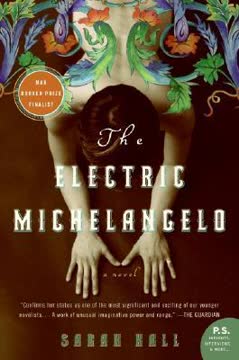
Plot Summary
Blood, Salt, and Air
In the faded seaside town of Morecambe, young Cyril "Cy" Parks grows up in the Bayview Hotel, run by his stoic mother Reeda. The hotel is a sanctuary for consumptives, their blood and phlegm a daily reality for Cy, who is both repulsed and fascinated by the grotesque. The town's "soft air" is mythologized as healing, but Cy sees through the illusion, recognizing the suffering and mortality all around him. His mother's resilience and compassion shape his early worldview, while the absence of his drowned fisherman father leaves a void filled by stories, chores, and the ever-present sea. Cy's eyes, always searching, become his way of coping with the harsh truths of life and death.
The Bayview's Secret Nights
As Cy grows, he becomes aware of mysterious nocturnal activities at the Bayview. His mother and her friend Mrs. Preston perform clandestine abortions for desperate women, a secret ministry of blood and pain. Cy's curiosity leads him to witness these grim procedures, deepening his understanding of suffering and the unspoken bonds among women. The hotel is both a place of healing and a site of taboo, where Reeda's practical compassion defies social norms. These experiences, mingled with the boys' mischief and the town's eccentricities, lay the groundwork for Cy's complex relationship with the body, pain, and the hidden stories people carry.
Boyhood, Boggarts, and Loss
Cy's boyhood is marked by friendship, mischief, and the ever-present specter of loss. With his friends Jonty and Morris, he invents schemes, from piddling contests to dressing as boggarts for tourists. The town's amusements and the annual influx of visitors provide a backdrop of laughter and camaraderie. Yet, beneath the surface, there is always the threat of tragedy—quicksands, drowning, and the memory of his father's death. The burning of the Taj Mahal pavilion becomes a communal spectacle of beauty and destruction, echoing the intertwined nature of joy and sorrow in Cy's formative years.
Fire and Burning Snow
The fire that consumes the Taj Mahal pavilion is both disaster and wonder, drawing the townspeople together in awe as burning snow falls from the sky. For Cy, the event is a revelation of the world's capacity for simultaneous beauty and devastation. The town's resilience is tested by war, loss, and the relentless tides, but humor and solidarity persist. The quicksands of Morecambe become a metaphor for the dangers lurking beneath ordinary life, and Cy's own brush with death in the sands leaves him forever changed, haunted by the sensation of being swallowed and the fragility of survival.
Quicksand and Survival
Cy's near-fatal encounter with quicksand, rescued by his friends, cements the bonds of loyalty and the precariousness of existence. The episode leaves him with a lifelong aversion to confinement and wetness, a physical memory of mortality. The town's rituals—games, carnivals, and the pursuit of money—continue, but Cy is increasingly aware of the undercurrents of risk and the ways people seek meaning or escape. The arrival of the northern lights, witnessed hand-in-hand with his mother, becomes a moment of transcendence, a vision of beauty that marks the end of his childhood and the beginning of deeper questions.
The Tattooist's Calling
Cy's adolescent curiosity leads him to the world of tattooing through a chance meeting with Eliot Riley, the town's notorious "scraper." Riley, a man of contradictions—brilliant artist, drunk, and social outcast—recognizes Cy's talent for drawing and offers him an apprenticeship. The decision is fraught, opposed by Reeda but ultimately accepted as a necessary path. Riley's shop is a place of pain, transformation, and raw humanity, where the boundaries between art and violence blur. Cy's initiation into the craft is both a rite of passage and a confrontation with the body's vulnerability and the power of permanent marks.
Riley's Two-Faced Genius
Under Riley's tutelage, Cy learns the technical and psychological demands of tattooing. Riley is both mentor and tormentor, his brilliance matched by his self-destructive tendencies. The shop becomes a microcosm of society's outcasts—fighters, drunks, women seeking agency, and boys proving manhood. Riley's own body is a canvas of stories, his skin a testament to pain and endurance. Cy witnesses the duality of his master: the artist who creates beauty from suffering, and the man undone by his own demons. The apprenticeship is grueling, but it forges Cy's identity and his understanding of the human need for expression and remembrance.
Apprenticeship and Mother's Farewell
As Cy's skills grow, his mother's health declines. Reeda's death from cancer is a profound rupture, leaving Cy unmoored but also free to choose his path. The Bayview is closed, childhood friends drift away, and Riley becomes both surrogate father and adversary. The lessons of Morecambe—resilience, compassion, and the acceptance of life's messiness—remain with Cy as he inherits the shop and the burdens of adulthood. The search for the elusive blue ink, a symbol of artistic perfection and longing, becomes his private quest, echoing the unattainable and the persistence of hope.
Ink, Pain, and Identity
Cy's work as a tattooist is an ongoing negotiation with pain, memory, and identity. Each customer brings a story—of love, loss, pride, or shame—and Cy becomes both confessor and artist, translating experience into indelible marks. The shop is a place of transformation, where the boundaries between beauty and ugliness, art and wound, are constantly tested. Riley's decline into alcoholism and eventual violent death mark the end of an era, leaving Cy to carry forward the legacy of the craft and the scars of his own history. The act of tattooing becomes a way to salvage meaning from suffering.
The Electric Michelangelo
Seeking escape and renewal, Cy emigrates to America, adopting the moniker "The Electric Michelangelo." In Brooklyn and Coney Island, he finds a world both familiar and fantastical—a carnival of freaks, artists, and seekers. The tattoo booth becomes his stage, and the crowds his audience. Here, the body's stories are as varied as the city itself, and Cy's art flourishes amid the chaos. The search for connection, love, and purpose continues, as does the tension between spectacle and intimacy, tradition and innovation. The American landscape offers both opportunity and the risk of being lost in the crowd.
Brooklyn's Carnival of Freaks
Coney Island is a microcosm of human oddity and resilience, where tattooists, strongmen, and bearded ladies coexist with dreamers and drunks. Cy befriends Arturas and Claudia, a strongman and his tattooed wife, and finds kinship among the carnival's misfits. The bar Varga, run by Siamese twins, becomes a haven for chess players, storytellers, and the wounded. Amid the noise and spectacle, Cy's booth is a place of quiet transformation, where the act of marking skin is both performance and ritual. The city's light and darkness, its capacity for both cruelty and wonder, shape Cy's evolving sense of self.
The Lady of Many Eyes
Grace, a circus performer with a hidden past, enters Cy's life as both muse and enigma. She commissions a full-body suit of tattooed eyes, seeking to reclaim her body from the gaze and judgment of others. Their relationship is charged with desire, vulnerability, and the unspoken traumas of exile and violence. Grace's body becomes a battleground for autonomy and spectacle, her tattoos both armor and invitation. Through her, Cy confronts the limits of art, the complexities of love, and the enduring power of the body to bear witness to suffering and survival.
Love, Violence, and Vengeance
Grace's transformation into the "Lady of Many Eyes" makes her both celebrated and targeted. A violent attack by a jealous rival leaves her body scarred and her tattoos destroyed. The aftermath is a reckoning with pain, loss, and the desire for justice. Cy, aided by friends, orchestrates a poetic revenge, blinding the attacker in turn. The cycle of violence and healing underscores the precariousness of agency, especially for women, and the ways in which bodies become sites of both oppression and resistance. Love persists, but it is marked by absence, longing, and the scars of history.
Scars, Healing, and Departure
Grace's recovery is partial; her body is forever changed, her future uncertain. She entrusts Cy with her horse and her final wishes, asking him to help her move on. Their parting is both ordinary and profound, a testament to the endurance of love amid ruin. Cy is left with memories, dreams, and the knowledge that the stories written on the body are never truly erased. The city, the carnival, and the people he has known become part of his internal landscape, shaping his understanding of beauty, loss, and the possibility of redemption.
Return to Morecambe
After years abroad, Cy returns to Morecambe, older and marked by war and experience. The town is both changed and unchanged, its rhythms familiar but its vitality fading. Old friends are gone or transformed, and the Bayview is a memory. Cy reopens Riley's old shop, becoming the town's tattooist and a keeper of its stories. The cycles of loss and renewal continue, as does the search for meaning in the face of impermanence. The sea, the air, and the rituals of the town remain, anchoring Cy in a world that is both comforting and haunted.
Legacy, Apprentices, and Light
In his later years, Cy takes on a new apprentice, Nina, a brash and spirited young woman who challenges and invigorates him. The shop becomes a place of continuity and change, where old traditions meet new forms of expression. The search for the perfect blue ink, the rituals of tattooing, and the stories of the body persist. As the town and the world evolve, Cy reflects on the meaning of his life's work—the act of painting hearts and souls, of bearing witness to the beauty and pain of being human. The light endures, even as the world grows smaller and more uncertain.
Analysis
A meditation on pain, art, and the search for selfThe Electric Michelangelo is a richly layered exploration of how bodies bear the marks of history, trauma, and desire. Through Cy's journey from the blood-soaked rooms of the Bayview to the electric chaos of Coney Island and back to the fading light of Morecambe, the novel interrogates the ways in which we seek to make meaning from suffering. Tattooing becomes a metaphor for the human need to inscribe our stories, to reclaim agency over our flesh, and to connect with others across boundaries of time, place, and identity. The narrative's focus on apprenticeship, legacy, and the endurance of art speaks to the persistence of hope amid loss and change. In a modern context, the novel resonates as a testament to resilience, the complexities of gender and power, and the ongoing struggle to be seen and to see others fully. Its lessons are both timeless and urgent: that beauty and pain are inseparable, that the stories we carry are written on our bodies and in our hearts, and that, even in a world of impermanence, the act of bearing witness—through art, love, and memory—remains a form of salvation.
Review Summary
Reviews of The Electric Michelangelo are polarized. Many praise Sarah Hall's stunning, poetic prose and vivid evocation of Morecambe Bay and Coney Island, with admirers calling it remarkable and electrifying. However, frequent criticisms cite overwriting, lack of plot momentum, and underdeveloped characters — particularly protagonist Cy, who many feel is overshadowed by the descriptive language itself. Some readers also flag the treatment of female characters as problematic. The book rewards patient readers who appreciate lyrical, language-driven fiction, but frustrates those seeking strong narrative and character development.
People Also Read
Characters
Cyril "Cy" Parks
Cy is the novel's protagonist, a boy shaped by loss, illness, and the peculiarities of Morecambe Bay. His early exposure to suffering and the grotesque fosters both empathy and a fascination with the body's mysteries. As an apprentice to Riley, Cy learns the art of tattooing, developing a keen eye for detail and a deep understanding of pain and transformation. His journey from England to America and back is marked by longing, love, and the search for meaning. Cy's relationships—with his mother, Riley, Grace, and his apprentices—reveal his capacity for tenderness, resilience, and the enduring need to make sense of the world through art.
Reeda Parks
Reeda is Cy's mother and the heart of the Bayview Hotel. Her strength lies in her ability to confront suffering without flinching, whether caring for consumptives or performing clandestine abortions. She is both nurturing and stern, imparting lessons of compassion, tolerance, and the necessity of serving others. Reeda's death marks the end of Cy's childhood and the loss of his moral compass, but her influence persists in his values and his approach to the body's messiness and dignity. She embodies the novel's themes of endurance, sacrifice, and the quiet heroism of ordinary women.
Eliot Riley
Riley is Cy's tattoo master, a man of immense talent and deep flaws. His artistry is matched by his self-destructive tendencies—alcoholism, violence, and social alienation. Riley's body is a living canvas, his shop a haven for society's outcasts. He is both father figure and adversary to Cy, teaching him the technical and psychological demands of the craft while exposing him to the darkness of human nature. Riley's decline and death are both tragic and inevitable, leaving Cy with a legacy of skill, scars, and the understanding that beauty and ugliness are inseparable.
Grace
Grace is a circus performer, immigrant, and the "Lady of Many Eyes." Her body becomes a site of both spectacle and autonomy as she commissions Cy to tattoo her with eyes, reclaiming her flesh from the gaze and judgment of others. Grace's past is shrouded in trauma and exile, her present marked by courage and vulnerability. Her relationship with Cy is charged with desire, pain, and the search for agency. The violence inflicted upon her and her subsequent resilience highlight the novel's exploration of the body as both battleground and testament to survival.
Claudia
Claudia is a Germanic circus performer, wife to Arturas, and a figure of immense physical and emotional strength. Her body is both spectacle and site of loss, marked by tattoos commemorating her miscarried children. Claudia's obsession with the baby incubator exhibition reveals her longing and sorrow, while her friendship with Grace and Cy provides support and solidarity. She represents the endurance of women in the face of suffering and the ways in which the body can be both wounded and celebrated.
Arturas
Arturas is Claudia's husband and a fellow tattoo artist at Coney Island. His physical prowess is matched by his warmth and openness, welcoming Cy into the carnival community. Arturas's philosophy of abundance and collaboration contrasts with Riley's competitiveness, offering Cy a model of kinship and mutual support. His partnership with Claudia is both romantic and professional, embodying the possibilities of love and creativity amid adversity.
Henry Beausang
Henry is a Southern-born hospital orderly and Cy's friend in Brooklyn. His life is marked by addiction, violence, and the scars of family disgrace. Despite his flaws, Henry is compassionate and resourceful, aiding Cy and Grace in times of crisis. His role in the novel underscores the themes of redemption, loyalty, and the ways in which broken people find connection and purpose in unlikely places.
Nina Shearer
Nina is Cy's late-life apprentice in Morecambe, a brash, inquisitive young woman who challenges tradition and brings new energy to the shop. Her presence signals the continuity of the craft and the evolution of art and identity. Nina's questions and ambitions force Cy to reflect on his own legacy and the enduring relevance of tattooing as a means of self-expression and resistance.
Mrs. Preston
Mrs. Preston is Reeda's friend and collaborator in the Bayview's secret abortions. Her skills as an apothecary and electro-therapist make her both a figure of authority and a source of fascination for the town's children. She represents the hidden networks of female solidarity and the ways in which women navigate and subvert societal constraints.
Grace's Horse, Maximus
Maximus, Grace's horse, is both literal and symbolic—a creature of strength, loyalty, and otherness. His presence in Brooklyn is a testament to Grace's defiance of convention and her need for connection to the past and to nature. Maximus becomes a link between characters, a bearer of memory, and a reminder of the persistence of life amid displacement.
Plot Devices
The Body as Canvas and Battleground
The novel's central device is the body—its wounds, marks, and capacities for suffering and beauty. Tattooing becomes both literal and metaphorical, a way to inscribe stories, reclaim agency, and confront mortality. The body is a site of memory, trauma, and resistance, shaped by both external forces and personal choice. This device allows the narrative to explore themes of identity, autonomy, and the interplay between art and violence.
Apprenticeship and Inheritance
The structure of mentorship—first between Cy and Riley, later between Cy and Nina—frames the novel's exploration of tradition, innovation, and the burdens of inheritance. The apprenticeship is both a source of skill and a crucible of suffering, shaping the characters' identities and their relationships to the past. The search for the perfect blue ink symbolizes the unattainable ideal and the persistence of hope.
Doubling and Duality
The narrative is rich in dualities: beauty and ugliness, art and wound, love and violence, tradition and change. Characters are often paired or mirrored—Reeda and Riley, Cy and Grace, Claudia and Arturas—highlighting the tensions between resilience and vulnerability, creation and destruction. The motif of eyes, both as organs of perception and as tattoos, underscores the theme of seeing and being seen, of bearing witness and being exposed.
Foreshadowing and Cyclical Structure
The novel employs foreshadowing through recurring images—blood, the sea, burning snow, quicksand—that signal the inevitability of loss and the persistence of memory. The cyclical structure, with Cy's return to Morecambe and the apprenticeship of Nina, reinforces the idea that stories and struggles are inherited and renewed across generations. The narrative's movement between England and America, past and present, underscores the universality of its themes.
The Carnival and the Freak Show
The settings of Morecambe and Coney Island function as carnivals—spaces of both liberation and exploitation, where the boundaries of normalcy are tested and the marginalized find community. The freak show becomes a metaphor for the ways in which society gazes upon, judges, and sometimes celebrates difference. The tattoo booth is both a stage and a sanctuary, a place where the extraordinary becomes ordinary and vice versa.








































