Plot Summary
Heartbreak and New Beginnings
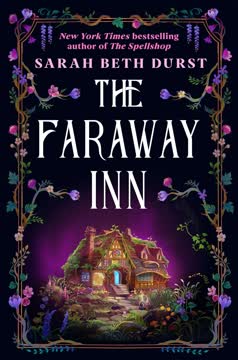
Calisa, devastated by her boyfriend Ethan's betrayal, seeks solace far from Brooklyn by spending the summer at her great-aunt Zee's battered bed-and-breakfast in Vermont, the Faraway Inn. The inn is nothing like she remembers—worn, overgrown, isolated, and nearly consumed by the wilds around it. As she drags her suitcase through the rain and a failed porch, Calisa finds herself wishing simply to avoid more emotional wounds. Looking for distraction and hoping to escape old wounds, she braces herself for hard work in this unfamiliar, shadowy place, finding faint hope in the promise of a summer spent with her great-aunt, away from the ghosts of her lost relationship—if only she's allowed to stay.
A Shabby Sanctuary
The Faraway Inn proves to be a shadow of what it was, and Auntie Zee is surprisingly cold, refusing Calisa's offer to help and limiting her stay. Feeling unwanted, Calisa tries to convince her mercurial great-aunt she's worth keeping. The inn, meanwhile, is empty except for a few unusual guests, an uncooperative white cat, and Jack, the earnest, awkward groundskeeper's son. Despite sorrow, Calisa senses layers to the inn, defining qualities it once possessed and, perhaps, still does. She finds herself both longing for a sense of purpose and dreading being outcast from this new, uncertain refuge.
Rules, Secrets, and a Fall
As Calisa attempts to fix her first mistake—literally falling through the porch—she is confronted by Jack, whose support alternates between helpful and confusing. He guides her through early chores, but she quickly learns that Auntie Zee's inn operates by two rules: don't open doors without permission and don't ask questions. Yet secrets seem to hum beneath every surface—from locked rooms to muffled voices to mysterious supply closets. Calisa's curiosity grows, but so do the boundaries enforcing privacy. Over meals and mishaps, small moments of connection spark hope she could transform the summer—if she doesn't get sent home.
Unwelcome But Needed
Despite Auntie Zee's reluctance, Calisa proves her worth by stubbornly taking on cleaning and repairs. As she tidies rooms and cooks for Jack and guests, she senses the inn's neglect extends deeper than dust. Strained ties with her great-aunt—and between Auntie Zee and her own mother—emerge. The guests are quirky and guarded, each retreating into their own dramas. Calisa's acts of service, especially a heroic lizard relocation to the greenhouse, begin to shift the household dynamic: she wins a grudging extension of her stay, one small but important victory in her quest for acceptance and belonging.
Pancakes, Porches, and Practical Magic
The days bring routine—pancake breakfasts, weed pulling, and shared chores with Jack, who reveals layers beneath his anxiety. A stray lizard (soon to be revealed as more) enters their lives, as do peculiar happenings: teapots that heat without source, closets that sometimes howl, furniture that shifts, voices swirling in darkness. Despite insistence that nothing is amiss, Calisa's suspicions grow, especially regarding doors and forbidden spaces. She forms fragile bonds with Jack and guests (like the melodramatic Mulligan), and together, amid mishaps, they begin to restore the cracked edifice of the inn—and possibly each other.
Doors Within Doors
A fateful decision leads Calisa to break the cardinal rule, unlocking a closet that isn't a closet at all: a swirling, magical portal appears. Stepping through, she finds herself in an altogether different realm, an interdimensional market, confirming her suspicions—the inn is far more than it seems. She learns every guest's room may hold such a threshold, each a possible escape, but not all doors are equal: some are open, some are shut, some are mysteries unto themselves. This secret changes everything: the inn's function, Auntie Zee's power, and her own summer's purpose.
The Lizard Guest
The out-of-place lizard in the closet is soon revealed to be a "draco minor"—a diminutive dragon displaced from its own world. Caring for this creature, Calisa and Jack display problem-solving and empathy that impress Auntie Zee and guests alike. The event breaks ice between Calisa and her great-aunt, earns her trust, and exposes the inn as a sanctuary not just for humans but for magical refugees. Unlikely friendships—between Calisa, Jack, the lizard, and various mystical beings—begin to anchor Calisa to the inn and help her heal from heartbreak.
Of Beavers, Gardens, and Old Grudges
The garden, overtaken by wild growth and brambles, offers Calisa a new mission. With Jack, she organizes guests (including the dryad Melidor and helpful beavers) to reclaim the grounds, inviting camaraderie and storytelling. The physical restoration mirrors emotional ones: old wounds (intra-family, intra-staff) are brought to light and addressed. Calisa learns, through Melidor and others, that taking time to grow, process, and find your own purpose is necessary, and that support—even from unexpected places—is what makes the impossible possible.
Closet Whispers and Forbidden Portals
Calisa's restlessness drives her to investigate deeper. She gains access to Auntie Zee's hidden records, enlists Jack's help, and discovers evidence of hundreds of visitors from countless worlds—all dependent on the inn's portals and Auntie Zee's magic. Simultaneously, the portals begin malfunctioning: one by one, closets that should lead elsewhere become inert. Guests grow anxious, and the inn's facade of stability cracks. With Auntie Zee missing and the metaphysical "doors" failing, Calisa realizes the burden is now on her to restore what's been lost.
The Realm Beyond Closets
Driven by urgency, Calisa learns to open portals herself, assisted by cryptic advice from her mother (via phone), Jack, and Auntie Zee's legacy. The journey is perilous: each portal taxes her strength, their reach limited by youth and inexperience. When Jack's father—missing for three years—and eventually Auntie Zee herself are found stranded in other realms, the rescue affirms the power and cost of magic. The reunion is joyous, but the ordeal exposes the frailty of even the strongest, and the need to accept help, vulnerability, and change.
Guests from Afar
The grand reopening looms, drawing a flood of magical guests—fae queens, bone creatures, sentient shadows, dryads with their seedlings, centaurs from the night market. Calisa and Jack organize supplies (with help from devoted allies like Rin the centaur), repair rooms, and revive traditions. Auntie Zee must confront, with some chagrin, how loved her inn is, how broad its reach, and how necessary it remains to so many. For Calisa, success requires both leadership and humility, as she learns to balance guest needs, magical mishaps, and her own ambitions.
Wounds and Remedies
Family confrontations ensue when Calisa's mothers arrive via a newly made Brooklyn portal. Old grievances with Auntie Zee surface, and while the arguments threaten to split Calisa's loyalties, ultimately everyone chooses reconciliation over resentment. The future of the inn—and Calisa's role in it—is discussed openly. She's allowed to finish school while training as Auntie Zee's apprentice, bridging chosen and biological families and preserving both homes. In the kitchen, the new family breaks bread together—brûlée, to be precise—coming to peace, or at least truce, with their differences and dreams.
Restoration and Reopening Plans
The inn thrives. Guests from many worlds come for sanctuary, rest, and the sense of belonging—just as Calisa did. The lessons are clear: openness is rewarded, community is sustaining, and everyone carries burdens that lighter hands and caring hearts can help bear. Jack's father resumes his place; Melidor's seedlings grow up; the fae queens find the peace they truly sought. Calisa, with support from Jack (and their now inseparable lizard-dragon friend), balances Brooklyn and Vermont, her heart no longer fixated on past pain, but on future possibility.
Family, Choices, and Homecomings
As autumn and school beckon, Calisa lives between worlds—literally commuting between New York and the magical inn. Her heart, once broken, is full: of new love for Jack, of gratitude for Auntie Zee's teachings, of the knowledge that every home is a door that can be opened again and again. The inn's chaos grows manageable, its legacy secure. The story ends as it began: with escape, courage, and the promise that even when doors (or hearts) seem irrevocably shut, another can always be opened, if you dare.
Analysis
At its heart, The Faraway Inn is a celebration of sanctuary—what it means to seek refuge, to offer it, and to accept that even sanctuaries must change. Sarah Beth Durst's magical Vermont inn is both literal and allegorical, an anchor for those who've outgrown one life and aren't yet settled in the next. With portals as central metaphors, the novel tackles generational grief, the fear of endings, and the messy obligations of belonging—to ourselves, to our families, to our communities. Its core thesis: real magic is in the courage to open new doors, in the humility to accept help, and in the wisdom to let others enter our stories. The narrative gently but unflinchingly explores healing from heartbreak, intergenerational conflict, found family, and the responsibilities that come with power. It rejects escapist fantasy as mere avoidance, positing instead that escapism is itself a source of renewal and growth; rest is not defeat but readiness. Ultimately, the book is a love letter to introverts, healers, and the wounded hopeful, promising that no matter how fractured or strange the world, another door can—and must—always be opened.
Review Summary
Characters
Calisa
Calisa is a city girl reeling from betrayal, whose retreat to her great-aunt's Vermont inn is at first an escape, then an adventure, and finally, a transformation. Introspective, quick-witted, and tireless, she compensates for heartbreak by plunging into labor and curiosity. Her persistent desire to mend what's broken (in rooms, relationships, and realms) underpins her growth. She's defined by empathy and an irrepressible need to help others, from wayward lizards to embittered relatives. Her psychological arc moves from avoidance to acceptance to agency, as she gradually chooses not just healing, but responsibility and community, and discovers she is both more vulnerable and more powerful than she imagined.
Auntie Zee
Auntie Zee is the stern custodian of the Faraway Inn, devoted to self-sufficiency, fiercely private, and allergic to both help and sentiment. A "traveler cat" witch, she alone controls the inn's portals, but failing health and secrets gnaw at her. Her struggles with aging and loss mirror her struggles with change, especially regarding family—past disappointments with Calisa's mother, and new, reluctant hope for Calisa herself. Her brusque exterior hides wisdom, regret, and a powerful love for her inn and guests. Ultimately, vulnerability compels her to open up, accept help, and confront her fear that endings must be endings, rather than transitions.
Jack
Jack, the groundskeeper's son, is earnest, capable, self-effacing, and haunted by absence and uncertainty. With his father lost in another realm, Jack shoulders impossible burdens, caring for the failing inn alongside an irritable boss. He chafes at inadequacy, anxious for approval, and keeps grief tightly coiled. Meeting Calisa unlocks his gentler, lighter side—and love. His devotion, fidelity, and willingness to trust and empower others mark his emergence as a partner, healer, and indispensable bridge between worlds. In psychoanalytic terms, Jack's anxiety gives way to hope through relationship, and through it, he reclaims home and family.
Thomas Jones
Jack's father, Thomas, is the inn's absent, mythic caretaker, missing for years after falling through a difficult portal. His absence pushes Jack to mature, but his return is both joyful and fraught: guilt over leaving, relief at rescue, and a drive to repair what's been neglected. Thomas parses the mechanics and dangers of portal magic, provides grounding wisdom, and, after his ordeal, balances the inn's labor so all can thrive. Functioning as both the "lost king" and "restoring force" archetype, he catalyzes healing for Jack, Auntie Zee, and the inn itself.
Melidor
Melidor, the green-haired dryad guest, manifests the tension between tradition and self-determination. Afraid to "plant her seedlings" and enter adulthood, she flees expectations and seeks refuge at the inn. Through friendship, advice, and literal gardening (her own and Calisa's), she learns to embrace change on her terms. Melidor's arc parallels Calisa's: facing pressure, allowing herself rest, then returning with renewed agency. She embodies psychological "replenishment," and a reminder that transformation is rarely linear, but always possible with space, support, and cake.
Kendra
Kendra, the haughty, salt-loving sea witch drawn from the ocean realms, seeks both privacy and restoration beneath her intimidating exterior. Her presence is a litmus test: she's unafraid to demand her needs (salty tea, certain blankets, undisturbed rest), yet beneath the bravado lies exhaustion and longing for acceptance. She is a character study in pride, boundaries, and the universal need for sanctuary. Her near-catastrophe not being able to return "home" crystallizes the stakes of the failing inn, revealing how tightly the guests' wellbeing is bound to the inn's fate.
Mulligan
Mulligan, the vampiric night-dweller and master of theatrical brooding, is on a desperate quest to revive his petrified love, Zef. Mulligan's rituals—a parade of concocted hot chocolates and potions—are comic and poignant, manifesting the human need to rectify our mistakes and make amends. His psychological landscape is one of cyclical guilt, creativity, and hope against despair. Mulligan's eventual success through honest emotion and shared community underscores the redemptive power of belonging, persistence, and a little well-mixed regret.
Steve (Draco Minor)
Steve is a lizard-turned-dragon, at first an odd inconvenience but soon an unofficial mascot and emotional support. He attaches himself to Calisa, serving as a symbol of found family, resilience, and the power of making a home away from home. His subtle maturation and magical abilities—the unexpected gifts hiding in plain sight—mirror Calisa's own arc. Steve embodies innocence, adaptability, and the magic that comes from embracing the unexpected.
The Statue (Evela)
The moving, watching statue, Evela, is a figure of mystery, history, and constancy. She guides without words, intervening at critical junctures—ultimately leading Calisa to Jack's lost father and signaling where help is needed. Representing the inn's secret heart, she is a touchstone for the themes of watching, waiting, and steadfastness amid change. Her hidden relationship with Thomas encapsulates lost opportunities and the possibility of redemption.
The Mirror
The talking mirror in the lobby is a minor but memorable figure—pessimist, trickster, and sometimes guide. It offers commentary, cryptic hints, and dark humor, reflecting the many unseen dynamics of the inn and its guests. Psychoanalytically, it manifests the inner voice of doubt and skepticism, yet even it (begrudgingly) cheers for restoration when the stakes are highest.
Plot Devices
Magical Realism through Nested Doors
The story thematically and structurally relies on the motif of doors: literal (the inn's closets become wormholes to other realms) and symbolic (doors to new opportunities, relationships, and identities). Each door requires trust, curiosity, and a willingness to accept risk—a metaphor for vulnerability and change. The rules around doors (don't open, don't ask) structure the suspense and the coming-of-age journey by controlling access to knowledge, maturity, and magic. The "nexus" of the inn binds together dozens of realms and psychological needs—making the whole book an extended metaphor for sanctuary, memory, and the dangers and rewards of leaving comfort zones.
The "Broken Sanctuary" as Restoration Arc
The Faraway Inn's physical decline mirrors the emotional and psychic states of its inhabitants—each damaged room, porch, or garden becomes a battleground for hope versus resignation. The piecemeal restoration becomes a means for reconciliation (between generations, between Calisa and Jack, among guests), and danger (malfunctioning portals, missing persons) continually interjects urgency. Restoration is also a critique of "doing things alone"—the inn's survival depends on communal effort, interdependence, and acceptance of help, inverting the trope of the lone heroine.
Foreshadowing through Enchanted Objects
Uncanny features (teapot, talking mirror, animated ladder, shape-shifting cat, etc.) are subtly layered—at first played for cozy eccentricity, later revealed as evidence of deeper magic and hidden systems. Each unexplained event or mishap steers the arc forward, not only as worldbuilding but as signposts: every magical occurrence foreshadows the transformative potential for both characters and the inn.
Chosen Family and Circular Narrative
The plot cycles: from escape to engagement to restoration. Calisa's journey is mirrored in the arcs of Jack, Melidor, and other guests—driven by the necessity to belong, to rest, to heal, and ultimately to return home changed. The use of "family drama"—old grudges, hidden wounds, and new alliances—positions the magical community as a metaphor for the reconstructed family, both literal and psychic.








































